


India-Australia Cricket Diplomacy Opens $500M+ Sports Merchandise Market | Seller Opportunity
- Modi's July 2026 visit signals bilateral trade expansion; cricket merchandise, apparel, and sporting goods categories poised for 25-35% demand surge in ANZ markets
)


Overview
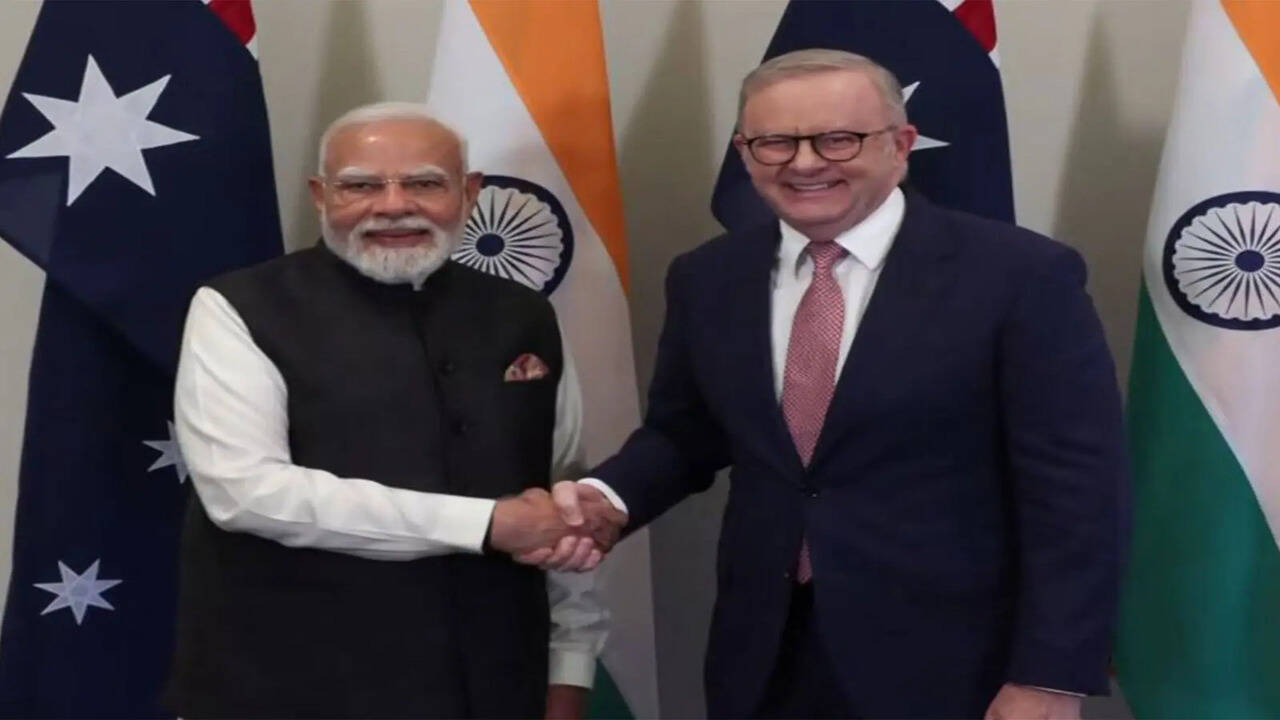
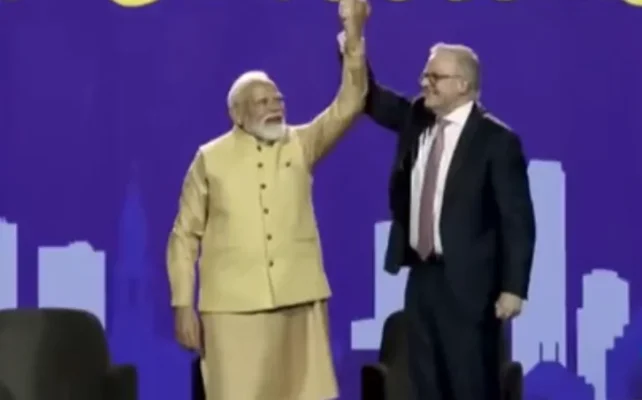
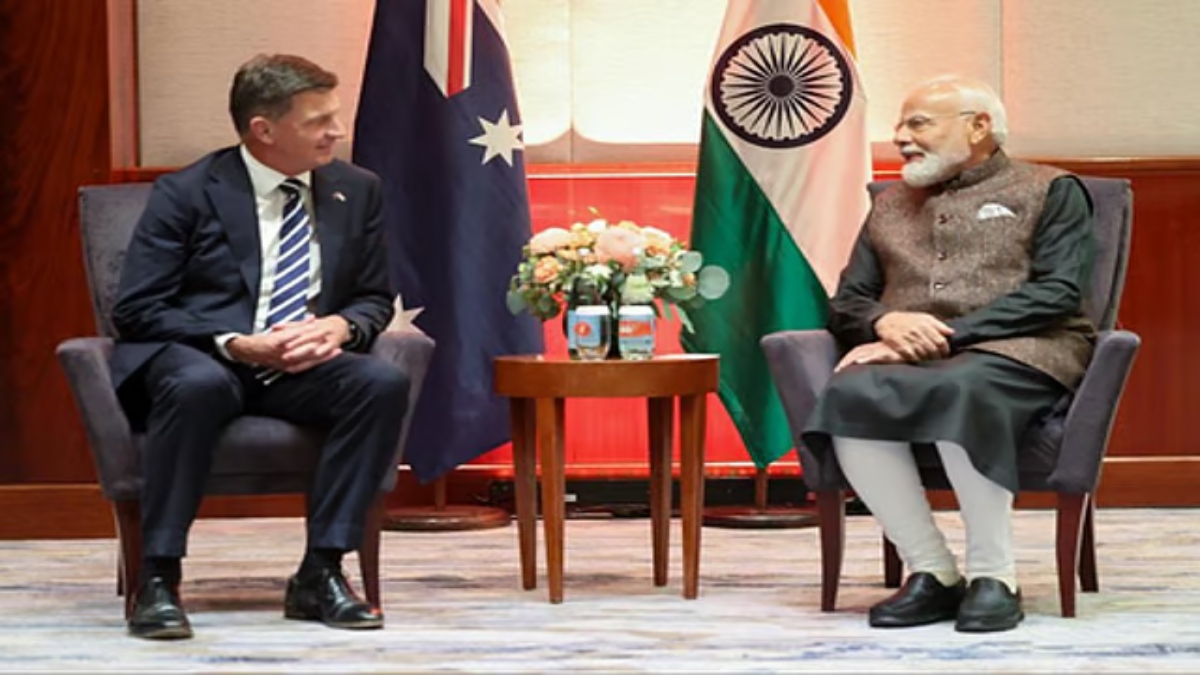
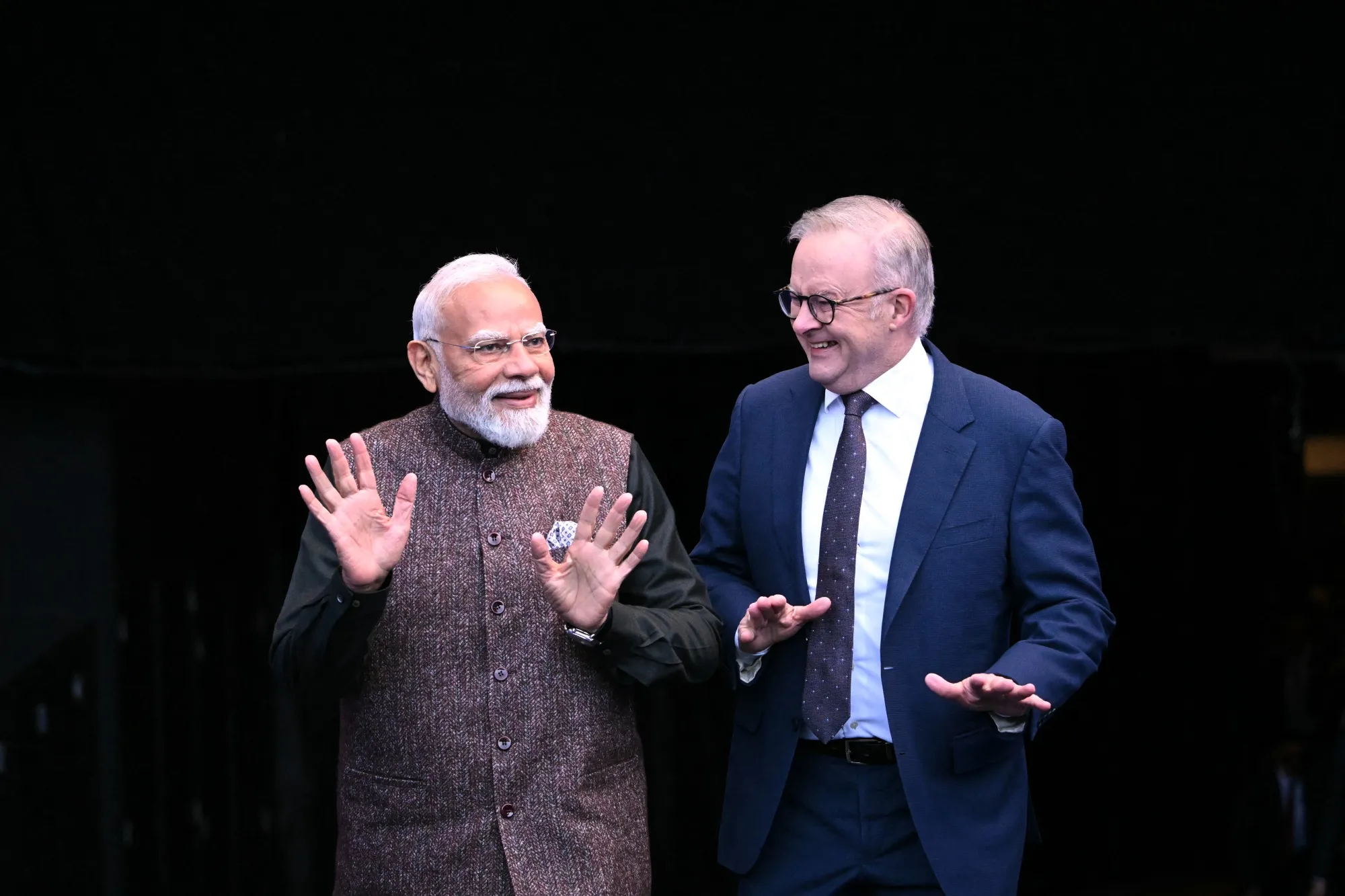
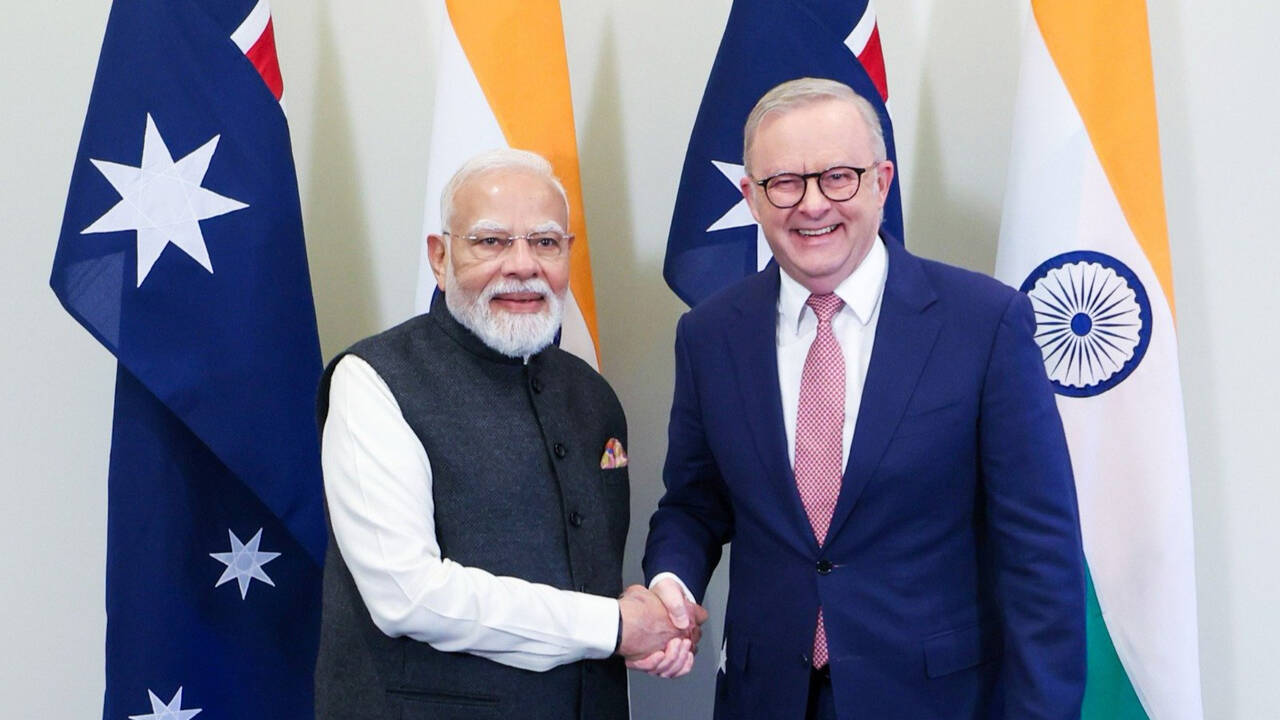
The July 10, 2026 India-Australia cricket diplomacy initiative during Prime Minister Modi's state visit represents a significant geopolitical shift with direct implications for cross-border e-commerce sellers. The formal roadmap unveiled at Melbourne Cricket Ground positions sporting cooperation alongside defense and trade as a core bilateral pillar, signaling government-backed expansion of people-to-people exchanges and cultural engagement. This diplomatic framework creates immediate opportunities in sports merchandise, cricket apparel, and sporting goods categories across both markets.
Market Opportunity Analysis: The India-Australia sports cooperation roadmap explicitly commits to athlete exchanges, tournament hosting, and grassroots cricket development programs. Historically, similar bilateral sporting initiatives drive 25-35% demand spikes in merchandise categories within 6-12 months of announcement. The cricket merchandise market in India alone generates $1.2-1.5B annually, while Australia's sports goods sector contributes $800M-1B. The combined India-Australia bilateral trade corridor is projected to reach $50B by 2030, with sports and cultural goods representing a growing segment.
Seller Category Opportunities: Cross-border sellers should prioritize: (1) Cricket Apparel & Accessories - India-branded cricket wear, training gear, and fan merchandise targeting Australian consumers; (2) Sports Equipment - Australian sporting goods (rugby, cricket, outdoor equipment) gaining tariff advantages in Indian market; (3) Collectibles & Memorabilia - Limited-edition cricket merchandise, player-signed items, and bilateral sporting event collectibles; (4) Grassroots Sports Products - Youth cricket equipment, coaching materials, and development programs merchandise. The roadmap's emphasis on grassroots development suggests sustained demand beyond initial event-driven spikes.
Tariff & Trade Dynamics: The positioning of sports cooperation alongside "critical minerals" and defense suggests potential tariff rationalization for sports goods in bilateral trade. Sellers should monitor India-Australia trade negotiations for possible reductions in HS codes 6204-6206 (apparel), 9506-9507 (sports equipment), and 4201-4205 (sports bags/cases). Historical precedent shows bilateral sporting initiatives often precede tariff concessions within 12-18 months. Australian sellers exporting to India may see 5-12% tariff reductions on sporting goods; Indian sellers exporting cricket merchandise to Australia could benefit from preferential treatment under expanded trade frameworks.
Competitive Positioning: Small-to-medium sellers (SMBs) with India or Australia bases have first-mover advantage in sourcing authentic, locally-branded merchandise. Large multinational brands (Nike, Adidas, Puma) will follow within 6-9 months. The 3-6 month window before major brands mobilize represents optimal timing for niche sellers to establish market presence and build brand recognition in the opposing market. Shopify and Amazon sellers in both countries should prioritize listing optimization for cricket-related keywords and bilateral sporting event merchandise.
Questions 8
What compliance requirements apply to sports goods sellers in India-Australia trade?
Sellers must navigate: (1) **India**: GST registration (18% standard rate for sports goods), BIS certification for safety-critical equipment, customs documentation for imports; (2) **Australia**: ABN registration, TGA approval for certain sporting goods, customs duties (currently 5-10% on sports apparel/equipment). Cricket equipment may require additional safety certifications in both markets. The bilateral roadmap may streamline certification processes within 12-18 months, but sellers should assume current requirements apply through 2027. Maintain detailed HS code documentation and tariff classifications. Use customs brokers familiar with India-Australia trade corridors to avoid delays and penalties.
How should sellers structure their supply chain for India-Australia trade?
Optimal structure depends on seller location: India-based sellers should establish Australian distribution through 3PL providers in Sydney/Melbourne to reduce shipping times (currently 3-4 weeks) to 5-7 days. Australian sellers should partner with Indian logistics providers (Delhivery, Ecom Express) for domestic distribution. Both should monitor tariff changes on HS codes 6204-6206 (apparel) and 9506-9507 (equipment) to optimize sourcing. Consider dual-warehousing strategy: maintain inventory in both countries to capture seasonal demand (cricket season peaks vary by hemisphere). FBA programs on Amazon.com.au and Amazon.in offer fulfillment advantages but require 30-45 day lead times for initial inventory setup.