

NATO Geopolitical Shift Signals Trade Policy Volatility | Cross-Border Sellers Face Supply Chain Uncertainty
- Diplomatic realignment between US and Ukraine at NATO summit creates tariff/sanctions risk for sellers shipping to/from Eastern Europe and transatlantic markets
Overview
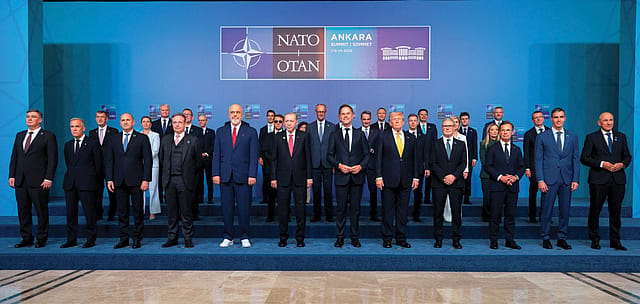
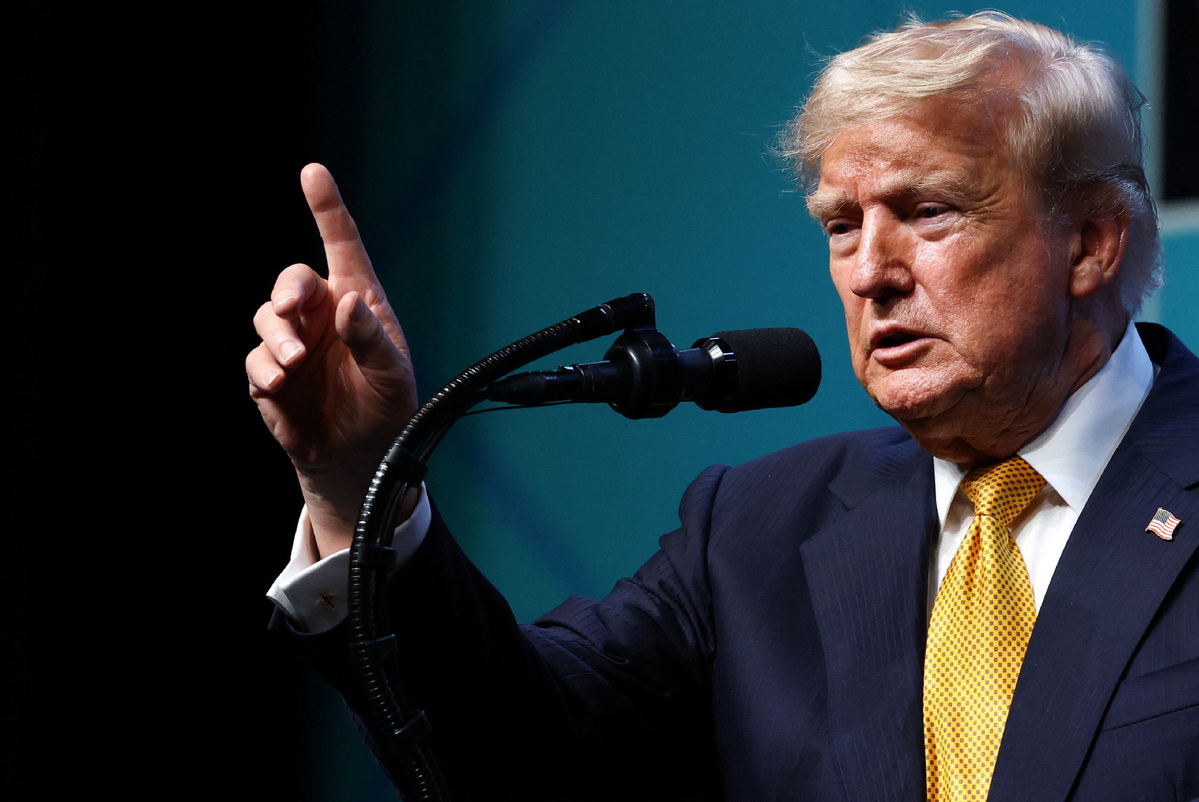
The reported diplomatic developments at the NATO summit in Turkey—specifically Trump's reported "mood shift" toward Ukraine and Zelenskyy—signal potential changes in U.S. foreign policy that carry significant implications for cross-border e-commerce sellers. While the full Bloomberg article remains inaccessible, the headline alone indicates a possible softening or recalibration of U.S. support for Ukraine, which directly impacts trade policy, sanctions regimes, and supply chain stability for sellers operating in affected regions.
Geopolitical Context for E-Commerce: The U.S.-Ukraine relationship fundamentally shapes tariff structures, sanctions compliance, and logistics routing for sellers. Any shift in diplomatic stance could trigger: (1) Changes to existing sanctions on Russian goods and related supply chains, (2) Modifications to trade agreements affecting Eastern European sourcing, (3) Altered customs procedures for goods transiting through NATO member states, and (4) Potential currency volatility in Ukrainian hryvnia and Eastern European markets where sellers source inventory or operate fulfillment centers.
Seller Impact Across Regions: For U.S.-based sellers, a policy shift could affect tariff classifications on goods imported from Ukraine, Belarus, and Russia-adjacent supply chains. EU-based sellers face uncertainty around sanctions compliance—particularly those sourcing electronics, machinery, or raw materials from Eastern Europe. Cross-border sellers shipping to Ukraine or NATO members may experience delays as customs procedures adapt to new diplomatic frameworks. The electronics, machinery, and raw materials categories are most exposed, as these sectors rely heavily on Eastern European sourcing and transatlantic logistics networks.
Supply Chain Volatility Risk: Sellers with inventory sourced from or routed through Eastern Europe should monitor diplomatic developments closely. Historical precedent shows that geopolitical shifts trigger 2-4 week customs delays and potential tariff reclassifications. Currency fluctuations in affected markets (Ukrainian hryvnia, Polish zloty, Czech koruna) can compress margins by 5-12% for sellers with unhedged exposure. Logistics providers may reroute shipments, adding 3-7 days to transit times and increasing fulfillment costs by $50-200 per shipment depending on category and destination.
Strategic Implications: This news underscores the importance of supply chain diversification for sellers dependent on Eastern European sourcing. Sellers should evaluate alternative suppliers in Western Europe or Asia, review sanctions compliance protocols, and stress-test inventory positions for potential tariff increases. The diplomatic uncertainty creates both risk (potential tariff increases) and opportunity (competitors may exit affected markets, creating pricing power for compliant sellers who maintain operations).
Questions 8
Should I diversify my supply chain away from Eastern Europe?
Diversification is prudent risk management, not panic. Eastern European suppliers offer competitive pricing (15-25% lower than Western Europe) and quality comparable to Western sources. Rather than complete exit, consider a 60/40 split: maintain 60% of sourcing from established Eastern European suppliers while developing 40% from alternative regions (Western Europe, Southeast Asia, Mexico). This approach preserves cost advantages while reducing geopolitical concentration risk. Evaluate each supplier's financial stability, sanctions exposure, and logistics reliability. For high-margin products, the cost of diversification is justified by reduced tariff and supply chain risk. For low-margin categories, maintain Eastern European sourcing but increase safety stock by 20-30%.
What's the typical timeline for tariff changes to take effect after diplomatic shifts?
Tariff changes typically follow a 30-90 day announcement-to-implementation timeline. After a policy announcement, the U.S. Trade Representative usually provides 30 days for public comment, then implements changes within 60 days. During this window, sellers can adjust pricing, source alternative suppliers, or clear inventory at current tariff rates. Historical precedent from 2018-2019 trade tensions shows that customs delays increase 2-4 weeks before and after implementation as brokers process backlogged shipments. Currency markets react immediately to diplomatic news, creating 5-12% volatility in affected currencies. Monitor the USTR website and Treasury Department announcements daily for concrete policy guidance.