




Ukraine Geopolitical Crisis Signals Supply Chain Risk for EU/US Cross-Border Sellers
- International tensions escalate amid intelligence agency scandal; sellers face potential logistics delays, compliance uncertainty, and market volatility in Eastern Europe corridor










Overview
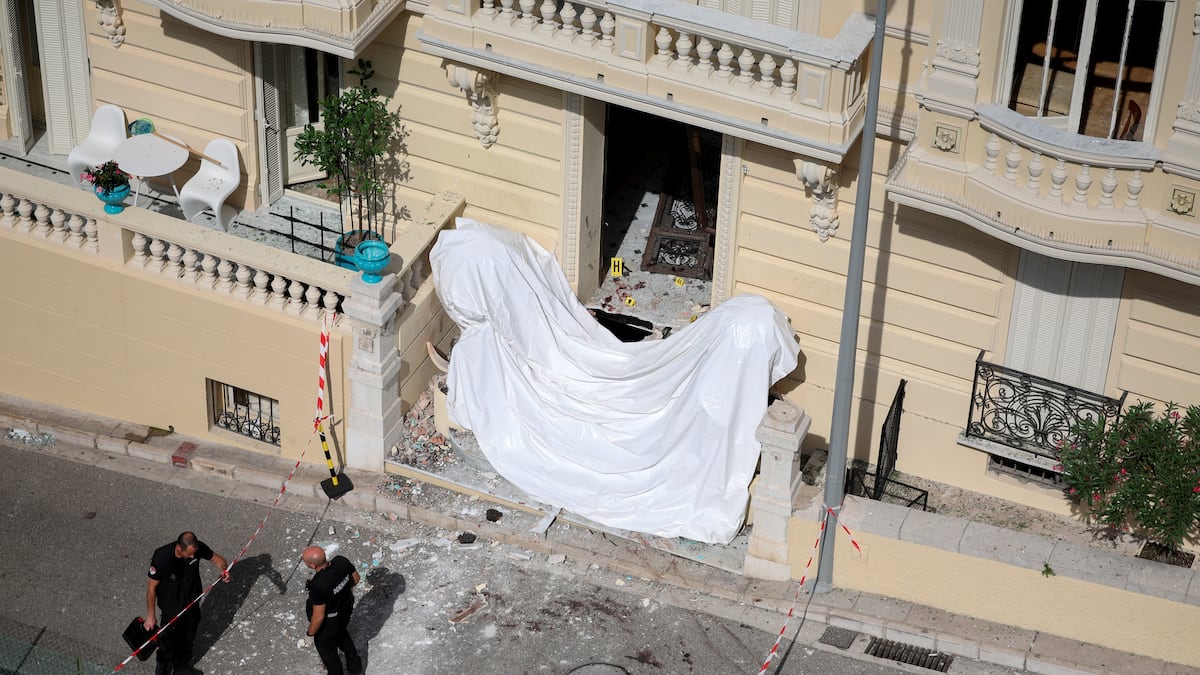
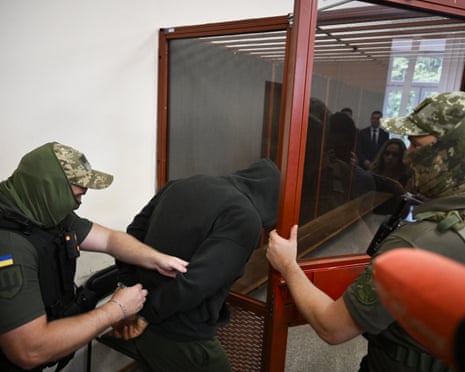
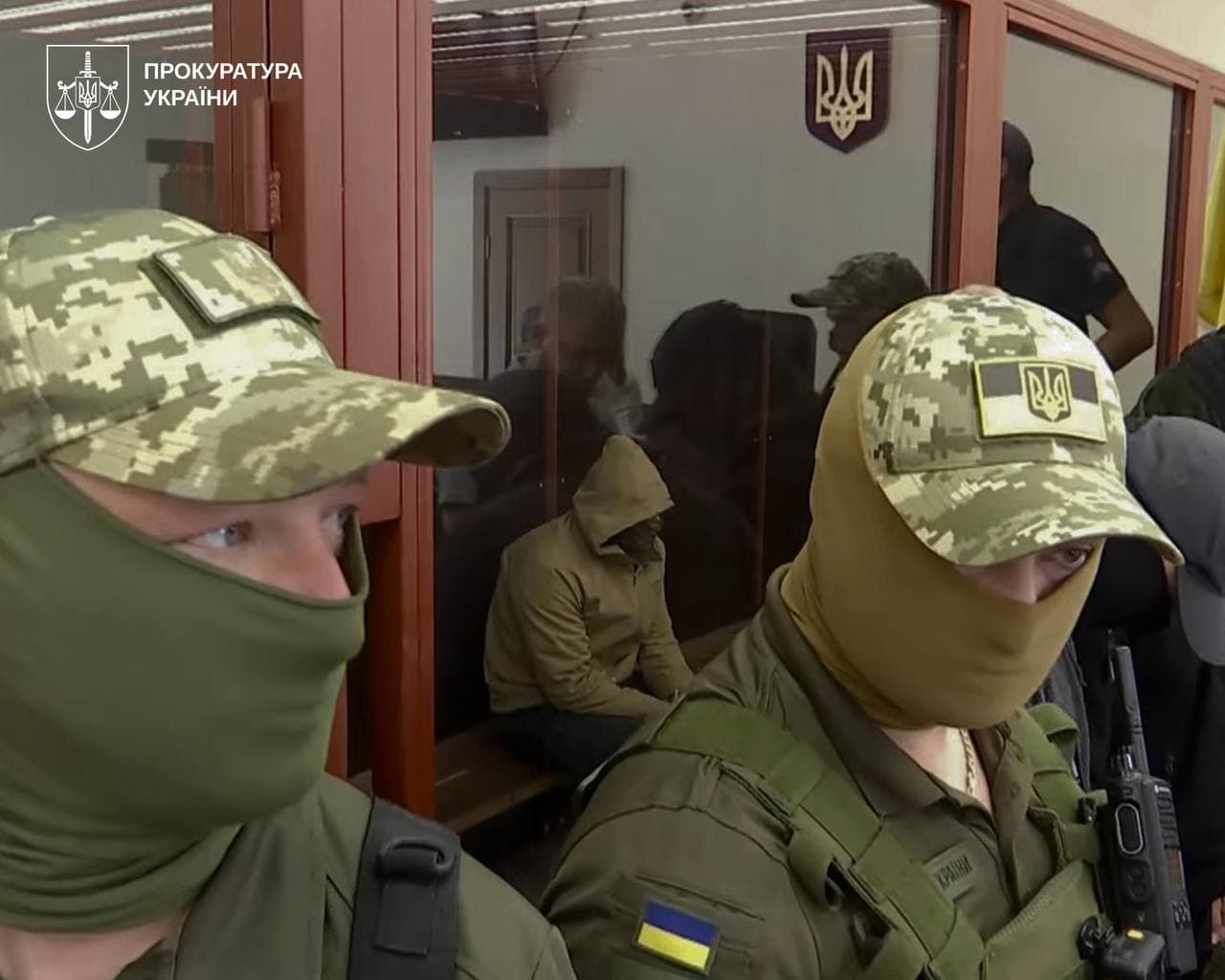
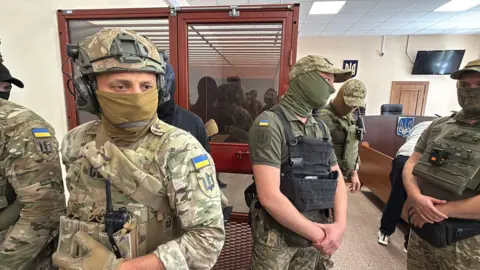
The Ukraine intelligence scandal involving the Monaco bombing case reveals critical geopolitical instability with direct implications for cross-border e-commerce sellers. The case centers on a $220 million oligarch (Vadym Yermolayev) facing Ukrainian sanctions for conducting business in Russian-occupied Crimea, with active GUR military intelligence officers implicated in a murder investigation. This high-profile incident exposes internal security service dysfunction (SBU vs. GUR rivalry), border control vulnerabilities, and potential foreign intelligence recruitment—factors that directly impact supply chain reliability and regulatory compliance for sellers operating in or shipping through Eastern Europe.
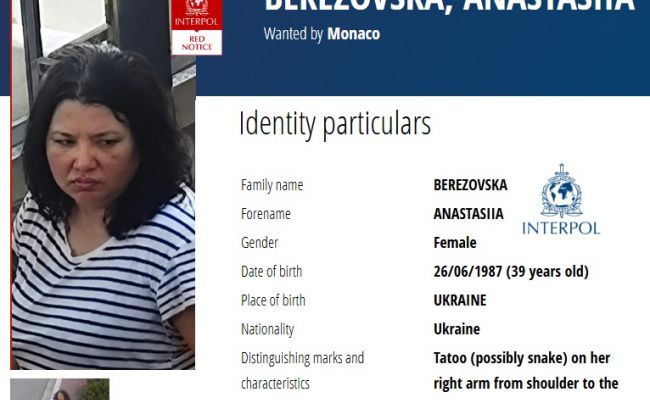
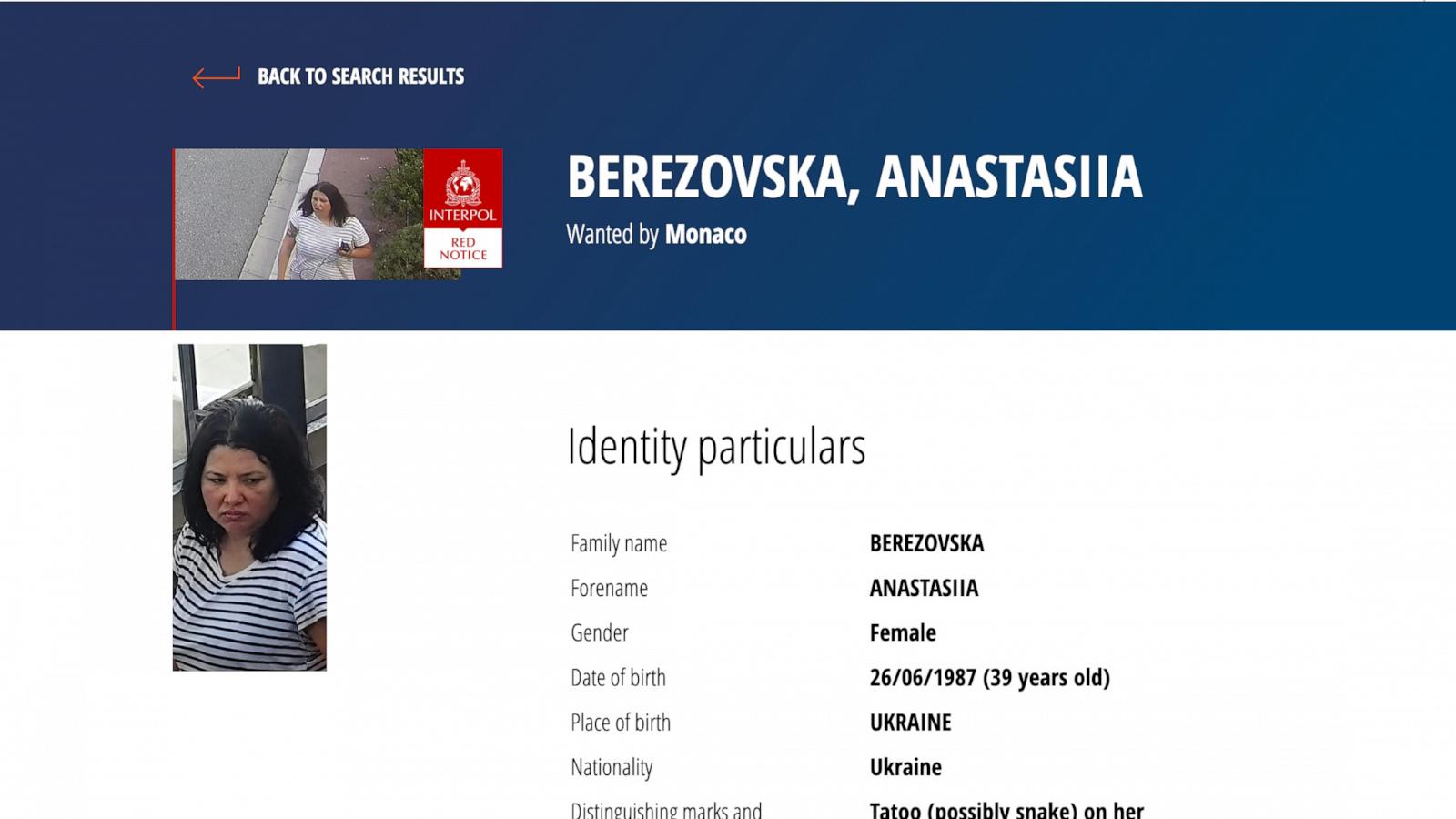
Supply Chain & Logistics Impact: The scandal highlights systemic weaknesses in Ukrainian border procedures and inter-agency coordination. Berezovska's July 1 return to Ukraine after fleeing through France and Italy, followed by rapid discovery and murder, demonstrates unpredictable law enforcement responses. For sellers using Ukraine as a manufacturing hub or transit corridor (particularly for electronics, apparel, and specialty goods), this signals increased risk of shipment delays, customs complications, and potential asset seizures. The case also raises questions about financial transaction monitoring—Berezovska was identified through "phone records and financial transfers," suggesting Ukrainian authorities are intensifying scrutiny of cross-border payment flows. Sellers with Ukrainian suppliers or payment processors should expect enhanced due diligence requirements.
Market & Compliance Risks: The $220 million oligarch's sanctions for Crimea trade illustrate Ukraine's aggressive enforcement of occupation-related restrictions. EU and US sellers must verify supply chain partners aren't conducting sanctioned business in Russian-occupied territories. The intelligence agency involvement suggests potential expansion of sanctions screening beyond traditional OFAC lists. Additionally, the case's international dimension (French police, Monaco jurisdiction, Macron's intervention) indicates coordinated Western enforcement of Ukraine-related restrictions. Sellers should audit supplier relationships, payment histories, and product sourcing to ensure compliance with evolving Ukraine sanctions frameworks.
Geopolitical Volatility: The unresolved motive, confession retraction, and inter-agency dysfunction suggest ongoing instability in Ukrainian governance. This creates uncertainty for sellers with long-term commitments to Ukrainian suppliers or logistics partners. The case also raises questions about Russian recruitment of Ukrainian agents—a concern that could trigger additional security protocols for cross-border transactions involving Eastern European actors. Sellers should monitor Ukrainian government stability indicators and consider diversifying supply sources away from single-country dependencies.
Questions 7
What sanctions compliance risks emerge from the $220 million oligarch case?
Vadym Yermolayev's sanctions for conducting business in Russian-occupied Crimea signal that Ukrainian authorities are aggressively screening supply chains for occupation-related trade. The case demonstrates that financial transfers and phone records are monitored to identify sanctioned activity. Sellers must verify suppliers haven't engaged in Crimea trade and audit payment histories for any connections to sanctioned entities. The involvement of French police and EU coordination suggests Western enforcement is expanding beyond traditional OFAC lists. Implement enhanced due diligence procedures and consider using OFAC screening tools to verify all Ukrainian business partners.
Should sellers reconsider Eastern Europe as a sourcing region?
The intelligence agency scandal and unresolved geopolitical tensions suggest elevated risk for long-term Eastern European commitments. The case reveals internal Ukrainian government dysfunction (SBU vs. GUR rivalry), potential foreign intelligence recruitment, and unpredictable law enforcement responses. While Ukraine remains a viable sourcing region for certain categories (electronics, apparel, specialty goods), sellers should implement geographic diversification strategies. Maintain Ukrainian suppliers for non-critical components, but develop backup sourcing in Poland, Czech Republic, or other EU countries with more stable governance. Monitor Ukrainian government stability indicators quarterly and adjust supply chain exposure accordingly.