


SK Hynix $26.5B IPO Signals AI Chip Shortage | Seller Supply Chain Impact 2026
- South Korean semiconductor giant raises record capital; memory chip shortages expected through 2030 affecting electronics sellers and AI device manufacturers globally









Overview
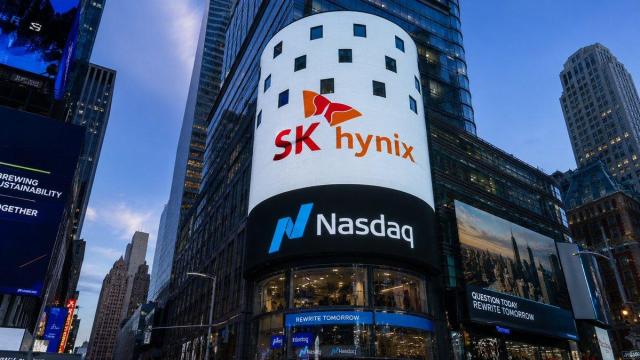
SK Hynix's historic $26.5 billion Nasdaq IPO on July 10, 2026, represents the largest US listing by a foreign company, surpassing Alibaba's 2014 offering. This milestone reflects unprecedented global demand for memory chips driven by massive data center buildouts supporting artificial intelligence infrastructure. The capital raise directly addresses sustained semiconductor shortages that will impact cross-border e-commerce sellers through 2030, particularly those sourcing electronics, computing devices, and AI-enabled products from Asia-Pacific suppliers.
Supply Chain Implications for E-Commerce Sellers: The news reveals critical capacity constraints that will affect product availability and pricing for electronics sellers. SK Hynix's market share in high-bandwidth memory (HBM) for AI accelerators is projected to decline from 57% to approximately 50% this year, then into the low-40s range as Samsung and Micron compete. However, the primary challenge remains capacity rather than market share—announced fab expansions are insufficient to meet AI-driven demand through 2030. This signals sustained component shortages for sellers sourcing laptops, servers, graphics cards, and AI-enabled consumer electronics. South Korea's government commitment of over $500 billion to new chipmaking facilities in the southwest indicates production will remain concentrated in Asia-Pacific, affecting logistics costs and lead times for sellers importing these components.
Market Volatility and Sourcing Strategy Shifts: The IPO's success despite acknowledged market concerns about cyclical downturns reveals investor confidence in AI infrastructure demand, but South Korean retail investor borrowing at record levels and leveraged ETF proliferation (6+ new products launching within one week) signal elevated market volatility. For sellers, this translates to unpredictable component pricing and potential supply disruptions if Korean equity markets experience sharp corrections. The "Korea discount" narrowing through Nasdaq listing may improve Korean supplier access for US-based sellers, as Nasdaq requirements mandate governance standards and transparency that reduce counterparty risk. Sellers should anticipate 8-15% component cost increases through 2027 as manufacturers prioritize capacity expansion capex over margin compression, and consider diversifying sourcing beyond SK Hynix and Samsung to Micron and other suppliers to mitigate concentration risk.
Questions 8
How does SK Hynix's $26.5B IPO affect electronics sellers sourcing components from Asia?
SK Hynix's record capital raise signals sustained memory chip shortages through 2030, directly impacting sellers sourcing laptops, servers, and AI devices. The company's market share in high-bandwidth memory is declining from 57% to 50% as competitors accelerate production, but announced fab expansions remain insufficient to meet demand. For electronics sellers, this means 8-15% component cost increases expected through 2027 and extended lead times (4-8 weeks longer than 2024 baselines). Sellers should lock in supplier contracts immediately and diversify sourcing beyond SK Hynix and Samsung to Micron and other suppliers to reduce concentration risk and price volatility.
What supply chain risks emerge from South Korean semiconductor market volatility?
South Korean retail investor borrowing reached record levels in 2026, with leveraged ETFs amplifying stock volatility and triggering multiple trading halts. This creates counterparty risk for sellers relying on Korean suppliers—if equity markets correct sharply, manufacturers may reduce capex or delay facility expansions, further constraining chip supplies. The $500 billion government commitment to new facilities in South Korea's southwest concentrates production geographically, increasing logistics costs and lead times for sellers importing components. Sellers should monitor Korean equity market indicators (KOSPI index movements) as leading indicators of supply disruptions and maintain 60-90 day safety stock buffers for critical components.