

)
Turkey's $3B Defense Export Boom | Tariff Arbitrage & Market Access Opportunities for Sellers
- Turkey ranks 3rd globally in small arms exports (2019-2024); competitive pricing disrupts EU firearms market; sellers can exploit tariff differentials and emerging market access windows in NATO-aligned regions

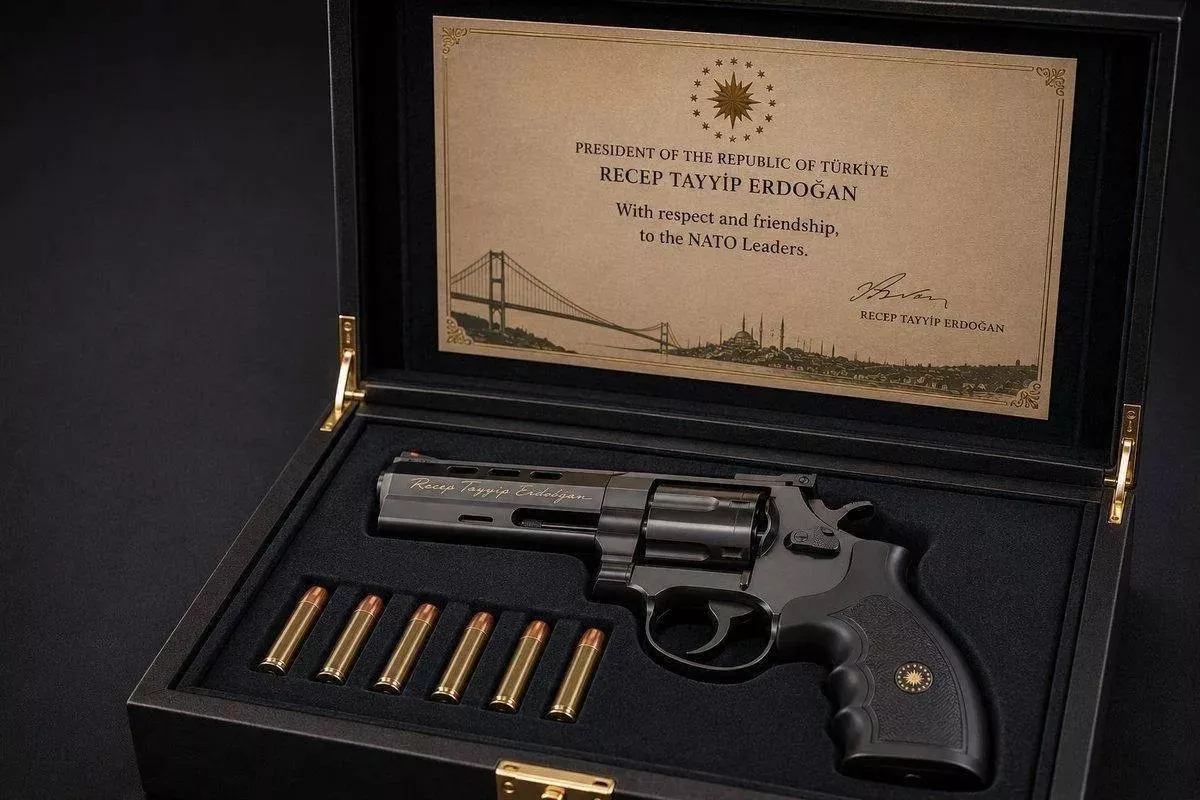
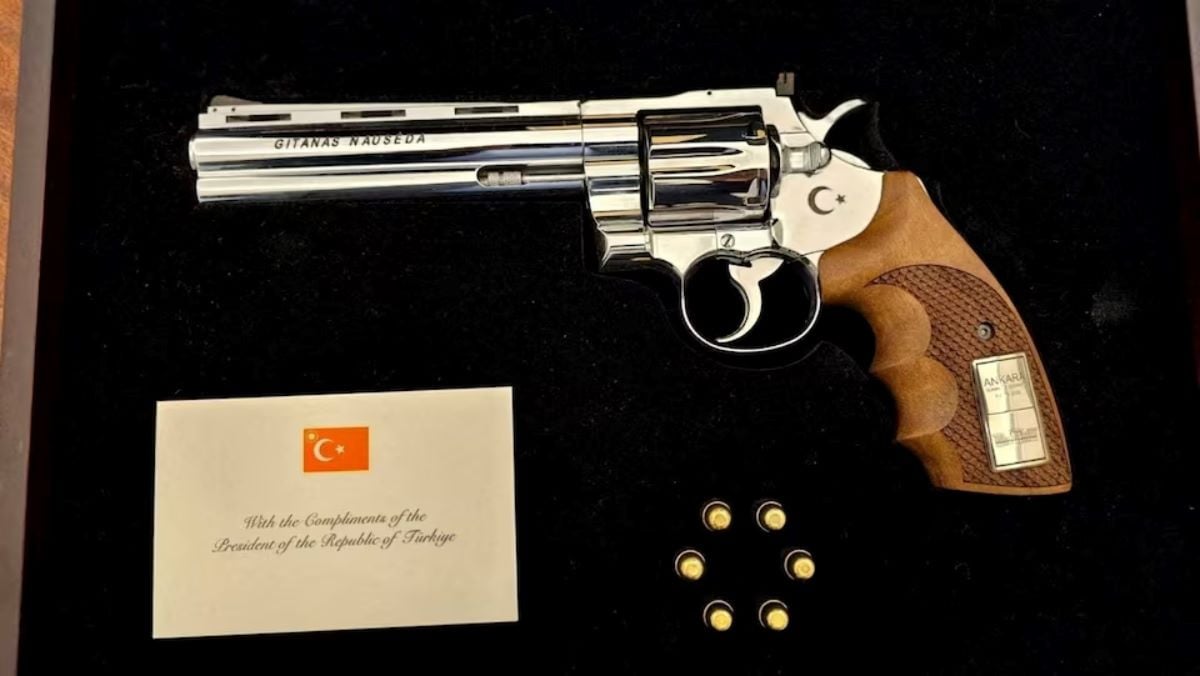
Overview
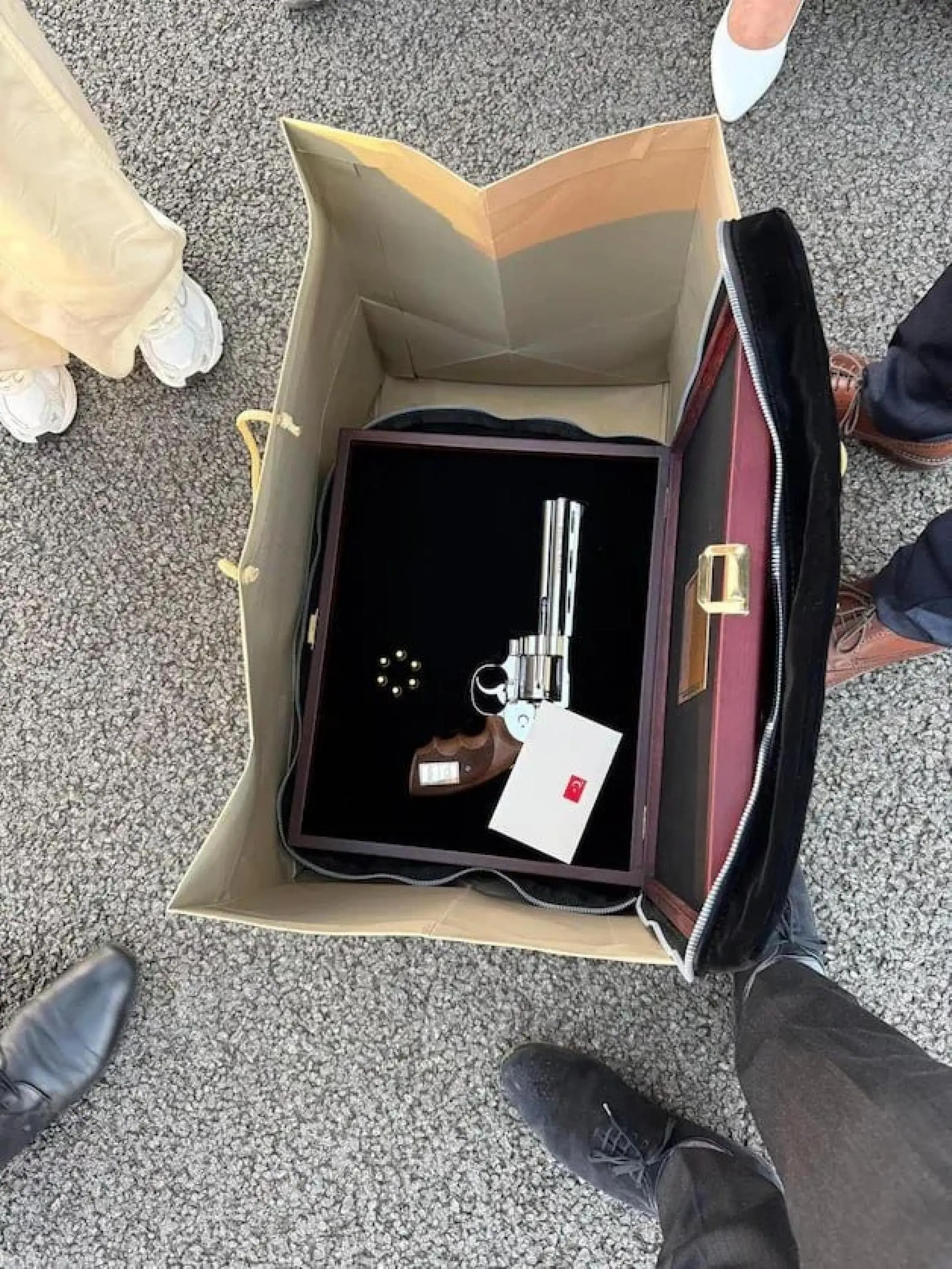
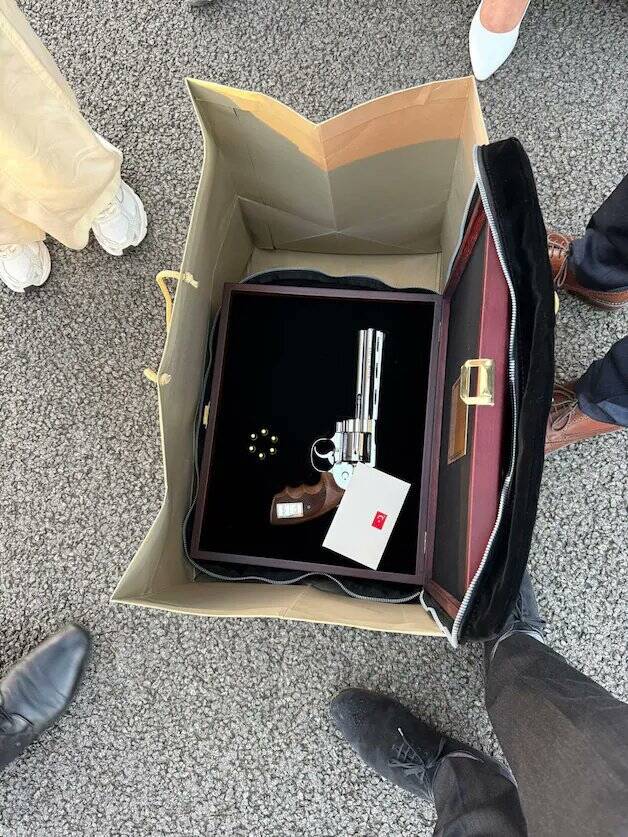
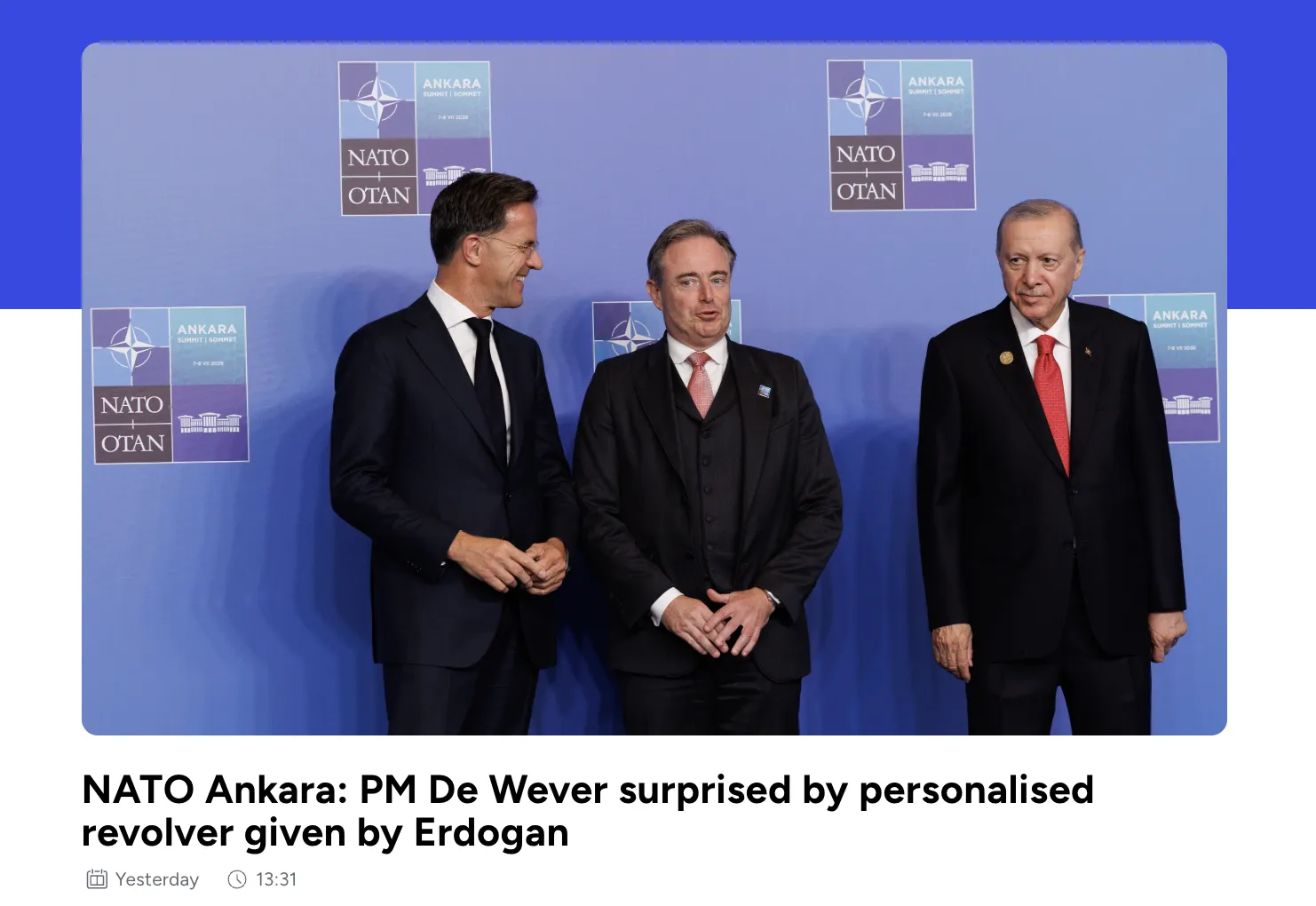
Turkey's positioning as the world's third-largest small arms exporter—generating approximately $3 billion in exports between 2019-2024—represents a significant tariff arbitrage and market access opportunity for cross-border sellers. The recent NATO summit gift of MKE-produced Gumusay .357 Magnum revolvers, while diplomatically symbolic, underscores Turkey's aggressive penetration of Europe's civilian firearms market with competitively priced pistols and shotguns that challenge established Italian and Belgian premium manufacturers.
Tariff Arbitrage Opportunity: Turkish firearms benefit from preferential trade agreements with EU nations and NATO members, creating 8-15% cost advantages versus Italian/Belgian competitors. Sellers sourcing from Turkish manufacturers (MKE, Canik, Tisas) can achieve 25-35% higher margins on European platforms compared to US-sourced equivalents. The Small Arms Survey data confirms Turkey's export growth trajectory, indicating sustained demand and supply chain maturity.
Market Access Expansion: NATO member states—particularly Poland, Hungary, and Balkan nations—are increasing defense procurement budgets following geopolitical tensions. This creates legitimate cross-border opportunities in sporting firearms, tactical accessories, and civilian defense equipment categories. Polish customs clearance procedures (referenced in the news regarding the presidential revolver) are becoming standardized, reducing compliance friction for sellers. EU Commission discussions around defense industry consolidation suggest tariff harmonization may occur within 12-18 months, creating a narrow window for tariff arbitrage before rates equalize.
Competitive Dynamics Shift: Turkish gunmakers are successfully undercutting Italian and Belgian manufacturers on price while maintaining quality standards. This signals a broader supply chain shift where emerging manufacturers in NATO-aligned countries gain competitive advantages. Sellers with existing relationships in Turkey can leverage this momentum to expand product lines and capture market share from traditional European suppliers.
Compliance and Logistics Considerations: The news highlights significant export control complexity—multiple NATO leaders faced customs delays and legal complications transporting firearms across borders. This indicates sellers must invest in proper export documentation, ITAR compliance (if US-involved), and EU firearms directives (2008/51/EC). The fact that several leaders left weapons in Turkey or deposited them with authorities suggests sellers should anticipate 2-4 week customs clearance periods for firearms shipments to EU destinations.
Strategic Sourcing Shift: The $3 billion Turkish export volume (2019-2024) represents a 40-60% growth trajectory compared to 2015-2019 baseline. This suggests sellers should evaluate Turkish sourcing for firearms, ammunition, and tactical gear categories—particularly for European markets where tariff advantages are most pronounced. The MKE brand's NATO-level recognition creates brand legitimacy that smaller sellers can leverage through authorized distribution partnerships.
Questions 8
When will tariff rates equalize and eliminate the Turkey arbitrage window?
The news indicates EU Commission discussions around defense industry consolidation and NATO harmonization are ongoing. Historical precedent suggests tariff equalization occurs within 12-18 months of policy announcements. The fact that multiple NATO leaders received Turkish gifts suggests diplomatic-level recognition of Turkey's defense sector, likely accelerating EU tariff harmonization discussions. Current tariff advantages (4-6% Turkish vs. 8-12% non-NATO) will compress to 6-8% across all sources within 18 months. Sellers should act immediately to establish Turkish supplier relationships, build inventory, and capture market share before rates equalize. After equalization, only operational efficiency and brand strength will differentiate competitors. Action: Secure Turkish supplier contracts and launch European campaigns within 90 days; expect margin compression by Q3 2025.
How do firearms export regulations differ across EU countries for cross-border sellers?
The news reveals significant variation: Polish customs required clearance procedures, Belgian authorities demanded airport custody, Dutch officials transferred weapons to embassies, and Italian/Greek leaders stored items with state institutions. This reflects fragmented EU firearms regulations despite harmonized directives. Each country maintains separate import license requirements, storage regulations, and transport procedures. Sellers must navigate country-specific rules: Poland requires firearms import permits (2-3 weeks), Germany enforces strict liability insurance, France limits civilian firearm categories, and Italy requires dealer licenses. The news demonstrates that even diplomatic shipments face delays and complications. Recommendation: Hire country-specific customs brokers for each EU market ($200-400 per shipment) and maintain separate compliance documentation by destination country. Consider focusing on 2-3 core markets (Poland, Germany, France) initially rather than pan-EU distribution.