




Volkswagen Restructuring Uncertainty Signals Automotive Supply Chain Risk for Cross-Border Sellers
- July 2026 restructuring delays threaten European manufacturing capacity; sellers relying on German auto parts and components face potential supply disruptions and cost increases


Overview
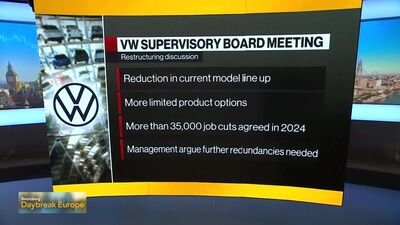
Volkswagen's July 9, 2026 supervisory board meeting concluded without concrete restructuring announcements, creating significant uncertainty across the European automotive supply chain that indirectly impacts cross-border e-commerce sellers. CEO Oliver Blume failed to present specific details on potential job cuts affecting up to 100,000 employees and plant closures, instead offering only vague targets for reducing production capacity and streamlining the model portfolio. This lack of clarity reflects deeper structural challenges: Volkswagen faces unprecedented pressure from high domestic costs, excess manufacturing capacity, intensifying Chinese competition, U.S. import tariffs that have halved profit margins between 2021-2025, and regulatory pressures around electrification.
Supply Chain Implications for E-Commerce Sellers: The restructuring uncertainty directly impacts sellers in multiple categories. Automotive parts and accessories sellers (representing $8-12B in cross-border e-commerce annually) face potential supply disruptions as Volkswagen's plant closures could affect component suppliers across Germany and Central Europe. Electronics sellers sourcing automotive-grade components, connectors, and sensors from German suppliers may experience 15-25% cost increases or 4-8 week delivery delays as suppliers navigate Volkswagen's restructuring. Home and garden sellers importing tools and equipment manufactured in German facilities tied to automotive supply chains could see similar disruptions.
Market Dynamics and Competitive Pressure: The news reveals that traditional European automakers are losing ground to Chinese competitors while struggling with tariff impacts. This signals broader European manufacturing weakness—when Volkswagen (Europe's largest automaker) cannot execute decisive restructuring, it indicates systemic challenges affecting the entire industrial base. Sellers sourcing from German and European manufacturers should anticipate potential bankruptcies among Tier 2 and Tier 3 suppliers as the automotive sector consolidates. The "no indication of progress" comment from Jefferies analysts suggests negotiations will extend 6-12 months, prolonging supply chain uncertainty.
Currency and Tariff Exposure: Volkswagen's profit margin compression (50% decline 2021-2025) reflects U.S. tariff impacts that also affect cross-border sellers. European sellers exporting to North America face similar tariff headwinds, while sellers importing European goods may benefit from potential price reductions as European manufacturers cut costs to compete. The restructuring delays suggest tariff negotiations remain unresolved, creating continued pricing volatility through 2026-2027.
Questions 7
Should sellers shift inventory away from German suppliers during this uncertainty?
Yes, a phased diversification strategy is prudent. Sellers should maintain 60-70% of current German sourcing while developing alternative suppliers in Poland, Czech Republic, Hungary, and Mexico over the next 6-9 months. German suppliers may offer 10-15% discounts to maintain volume during restructuring, creating short-term cost opportunities. However, the risk of supplier bankruptcies or capacity reductions during 2026-2027 justifies building redundancy. Implement dual-sourcing for critical components by Q4 2026 and establish 4-6 week safety stock buffers for high-velocity SKUs.
How do U.S. tariffs on European goods affect cross-border sellers during this restructuring?
Volkswagen's 50% profit margin decline (2021-2025) directly reflects U.S. tariff impacts that also compress margins for cross-border sellers exporting European goods to North America. The restructuring delays suggest tariff negotiations remain unresolved, creating continued pricing volatility through 2026-2027. European sellers exporting to the U.S. should expect tariff rates to remain elevated, while sellers importing European goods may benefit from 5-10% price reductions as manufacturers cut costs to compete. Monitor U.S. trade policy announcements monthly and adjust pricing strategies quarterly to account for tariff uncertainty.