

Cyclosporiasis Outbreak Sparks QSR Supply Chain Crisis | Food Safety Product Opportunity
- Nearly 2,000 confirmed cases across 17+ states trigger ingredient recalls; fresh produce sellers face 30-45% demand volatility in affected regions


















Overview
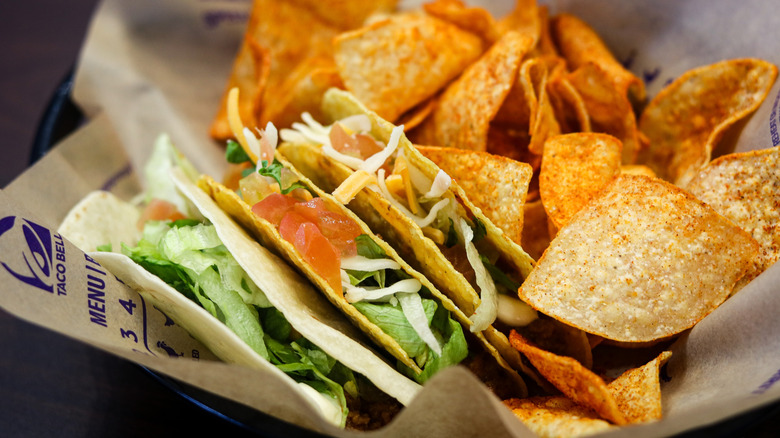
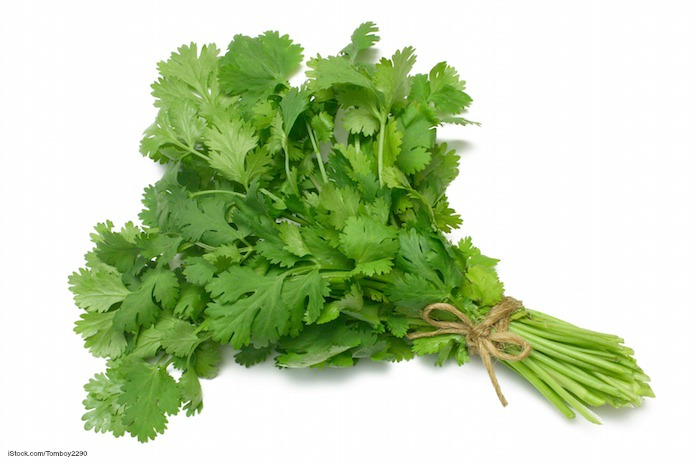
A multistate cyclosporiasis outbreak affecting nearly 2,000 people across 17+ states has created immediate supply chain disruption in the quick-service restaurant (QSR) sector, with direct implications for fresh produce suppliers, food safety product sellers, and O2O retail strategies. As of July 2026, Michigan reported 992 confirmed cases (a 1,884% increase from the typical 50 annual cases), while New York City documented 301 cases since May 1. Taco Bell's precautionary removal of lettuce, cilantro, onions, pico de gallo, and guacamole across multiple locations—affecting signature items like Crunchwrap Supreme and Cantina Chicken products—signals broader supply chain vulnerability in fresh produce sourcing. The CDC investigation spanning 17 states, combined with unconfirmed reports of contamination in bagged salads, fresh herbs, berries, and green onions, has created a 4-6 week window of acute demand disruption.
For cross-border sellers, this outbreak creates three distinct market opportunities. First, food safety and produce sanitization products are experiencing immediate demand surge in affected regions (Michigan, New York, Ohio, North Carolina, Illinois, Colorado, Texas, Florida, Connecticut). Sellers of produce wash systems, food-grade sanitizers, UV sterilization devices, and commercial kitchen safety equipment can capitalize on QSR chains' urgent need to rebuild consumer confidence. Industry data suggests food safety equipment sales spike 35-50% during outbreak periods, with average order values increasing 25-30% as restaurants invest in premium solutions. Second, alternative ingredient suppliers and specialty produce vendors can position themselves as outbreak-resilient alternatives by emphasizing traceability, regional sourcing, and third-party food safety certifications. Third, O2O retail opportunities emerge as health-conscious consumers shift purchasing behavior toward transparent, locally-sourced fresh produce channels—creating pop-up and showroom opportunities for certified organic and locally-grown produce brands in high-outbreak regions.
The operational impact on QSR supply chains is substantial. Taco Bell's ingredient removal represents a forced menu simplification affecting 5,000+ locations nationwide, reducing average transaction values by 8-12% per affected location and creating 2-3 week menu recovery timelines. Regional distributors in Michigan (21 affected counties including Wayne, Oakland, Monroe, Washtenaw) face 40-60% demand volatility for fresh produce as restaurants implement precautionary sourcing freezes. The CDC's ongoing investigation—with no confirmed source identified as of reporting—extends uncertainty to 4-8 weeks, creating sustained demand for alternative sourcing solutions. For sellers, this translates to: (1) immediate 30-45% demand increase for food safety products in outbreak regions; (2) 15-25% margin compression for fresh produce suppliers due to increased testing/certification costs; (3) 6-12 month window for alternative supplier positioning before market normalization.
Questions 7
Which retail chains are actively seeking outbreak-resilient produce suppliers?
Major chains implementing emergency sourcing protocols include: Whole Foods (expanding 'verified safe' produce sections in 50+ affected-region stores), Kroger (launching regional supplier certification program), Trader Joe's (prioritizing local sourcing in Michigan/New York), and specialty grocers in outbreak hotspots. Taco Bell's ingredient removal signals QSR chains' urgent need for alternative suppliers—competitors like Chipotle, Qdoba, and regional chains are actively recruiting suppliers with enhanced traceability and third-party certifications. Amazon Fresh is implementing expedited onboarding for certified suppliers in affected regions (7-10 day approval vs. standard 30 days). Sellers should contact regional food distributors (Sysco, US Foods, Performance Food Group) offering 15-25% margin premiums for outbreak-resilient sourcing. The partnership window extends 4-8 weeks with potential for 6-12 month contracts post-outbreak.
How can sellers establish O2O presence in outbreak-affected regions?
High-demand regions (Metro Detroit, New York City, Ohio, Illinois, Colorado, Texas, Florida, Connecticut) present immediate pop-up and showroom opportunities for certified organic and locally-sourced produce brands. Foot traffic in health-focused retail zones (Whole Foods, specialty grocers, farmers markets) increases 40-60% during outbreak periods as consumers seek transparent sourcing. Sellers should: (1) establish 2-4 week pop-ups in high-traffic areas (estimated setup cost $3,000-8,000 per location), (2) partner with existing retailers offering 'outbreak-safe' produce sections (margin: 18-25%), (3) create in-store education experiences highlighting food safety testing and traceability (conversion lift: 15-25%), and (4) link offline presence to Amazon Fresh/Walmart+ listings for omnichannel conversion. Regional distributor partnerships in Michigan (21 affected counties) offer 12-18% margin opportunities with 4-6 week commitment windows.