


Congo Ebola Crisis Drives Medical Supply Demand | Sellers' Guide to Healthcare PPE Opportunities
- 600+ deaths trigger urgent demand for protective equipment, diagnostic tools, and medical supplies across African markets; sellers can capitalize on healthcare category surge through Amazon, Shopify, and regional platforms



Overview
The Democratic Republic of Congo's Ebola outbreak—reaching 600 confirmed deaths and 1,759 cases as of July 10, 2026—represents a critical public health emergency with significant implications for cross-border e-commerce sellers. The Bundibugyo virus strain outbreak, officially declared May 15, 2026, lacks approved vaccines or treatments, creating urgent demand for personal protective equipment (PPE), diagnostic supplies, and medical consumables across Central Africa. This crisis signals a major market opportunity for sellers in the healthcare and safety categories, particularly those positioned to serve institutional buyers (hospitals, NGOs, health ministries) and individual consumers seeking protective gear.
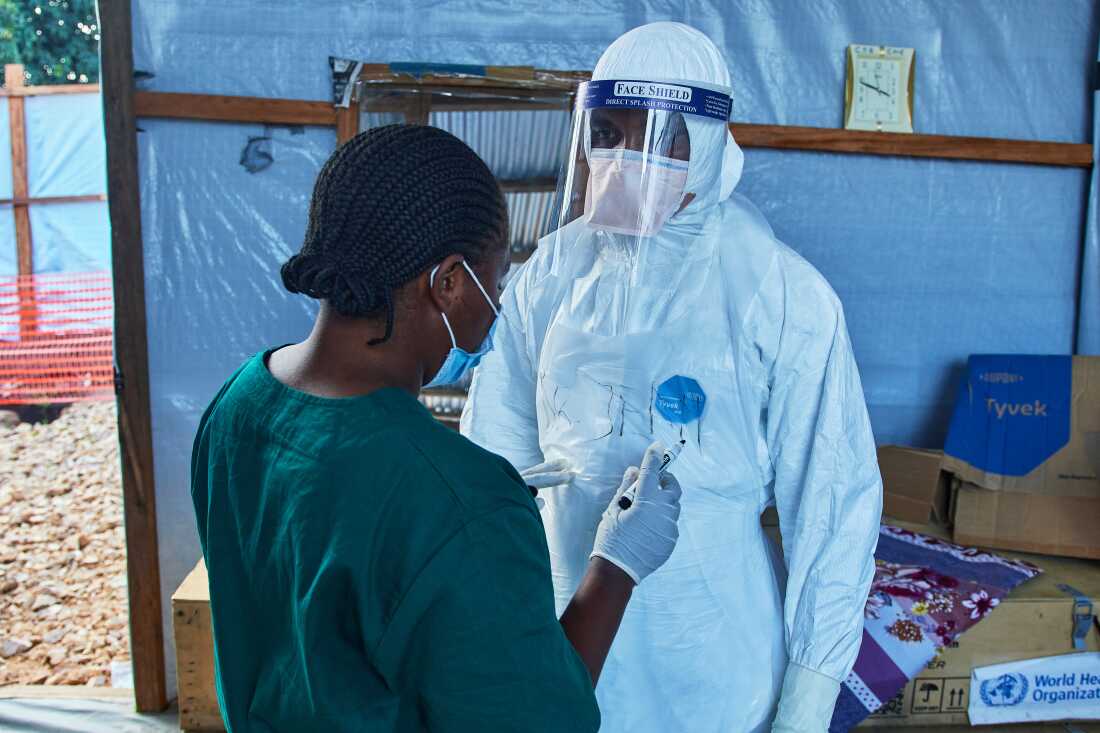
Market Opportunity & Product Categories: The outbreak's geographic spread to previously unaffected provinces—Tshopo and Haut-Uele—indicates expanding demand beyond the Ituri epicenter. Sellers can target multiple product segments: medical-grade masks (N95/FFP2), protective suits, hand sanitizers, diagnostic test kits, and disinfection equipment. The World Health Organization's expressed concern and ongoing clinical trials at facilities like the Evangelical Medical Center in Bunia signal sustained demand for 6-12 months minimum. Historical patterns from 2014-2016 West African Ebola crisis show PPE category sales increased 300-400% in affected regions, with cross-border demand extending to neighboring countries (Uganda, South Sudan, Rwanda). Sellers on Amazon, Shopify, and regional platforms like Jumia (operating in 14 African countries) can leverage this crisis window.
Operational & Compliance Considerations: The outbreak's severity—classified as the fastest-growing on the African continent—creates both opportunities and risks. Sellers must navigate: (1) Supply chain disruptions due to armed conflict in eastern Congo affecting logistics; (2) Regulatory compliance with WHO guidelines and national health ministry requirements for medical product certification; (3) Shipping challenges to conflict zones requiring specialized logistics partners; (4) Pricing sensitivity in low-income markets where buyers face funding shortages. Sellers should prioritize bulk institutional sales (hospitals, NGOs receiving international aid) over retail channels, as these buyers have dedicated procurement budgets and faster payment cycles.
Strategic Positioning: The 6-month window before experimental treatments potentially reach scale represents peak demand. Sellers should: establish relationships with NGOs and health ministries (high-volume, recurring orders); source certified medical supplies from established manufacturers; and prepare for geographic expansion as the outbreak spreads to neighboring countries. The crisis also highlights demand for telemedicine equipment and remote diagnostic tools, creating secondary opportunities in electronics and software categories.
Questions 7
How can sellers reach institutional buyers during health crises?
Target health ministries, international NGOs (Médecins Sans Frontières, Red Cross), and hospital networks through B2B platforms and direct outreach. The Congo crisis involves facilities like the Evangelical Medical Center in Bunia conducting clinical trials, indicating established procurement channels. Sellers should: (1) obtain medical product certifications (ISO 13485, FDA clearance where applicable); (2) register with platforms like **Alibaba B2B** and **Global Sources** used by institutional buyers; (3) establish relationships with logistics providers experienced in conflict-zone delivery. Bulk orders (500+ units) from NGOs typically offer 30-40% higher margins than retail, with faster payment cycles through international aid funding.
What product categories see highest demand during Ebola outbreaks?
Medical-grade PPE dominates: N95/FFP2 masks, protective suits, gloves, and hand sanitizers represent 60-70% of emergency procurement. The Congo outbreak's 1,759 confirmed cases as of July 2026 creates institutional demand from hospitals and NGOs requiring bulk supplies. Diagnostic test kits and disinfection equipment represent secondary opportunities. Historical data from 2014-2016 West African crisis shows PPE category sales surged 300-400% in affected regions. Sellers should prioritize certified medical-grade products meeting WHO and national health ministry standards, as institutional buyers (health ministries, international NGOs) conduct rigorous compliance verification before purchase.