



Canada-Saudi Arabia $1B Trade Deal Opens Middle East Market for Tech & Clean Energy Sellers
- First PM visit in 26 years signals 13 new bilateral agreements; Canadian tech companies gain access to $1.8T Saudi Vision 2030 economy; implementation timeline 2025-2027 creates sourcing and export opportunities





















Overview
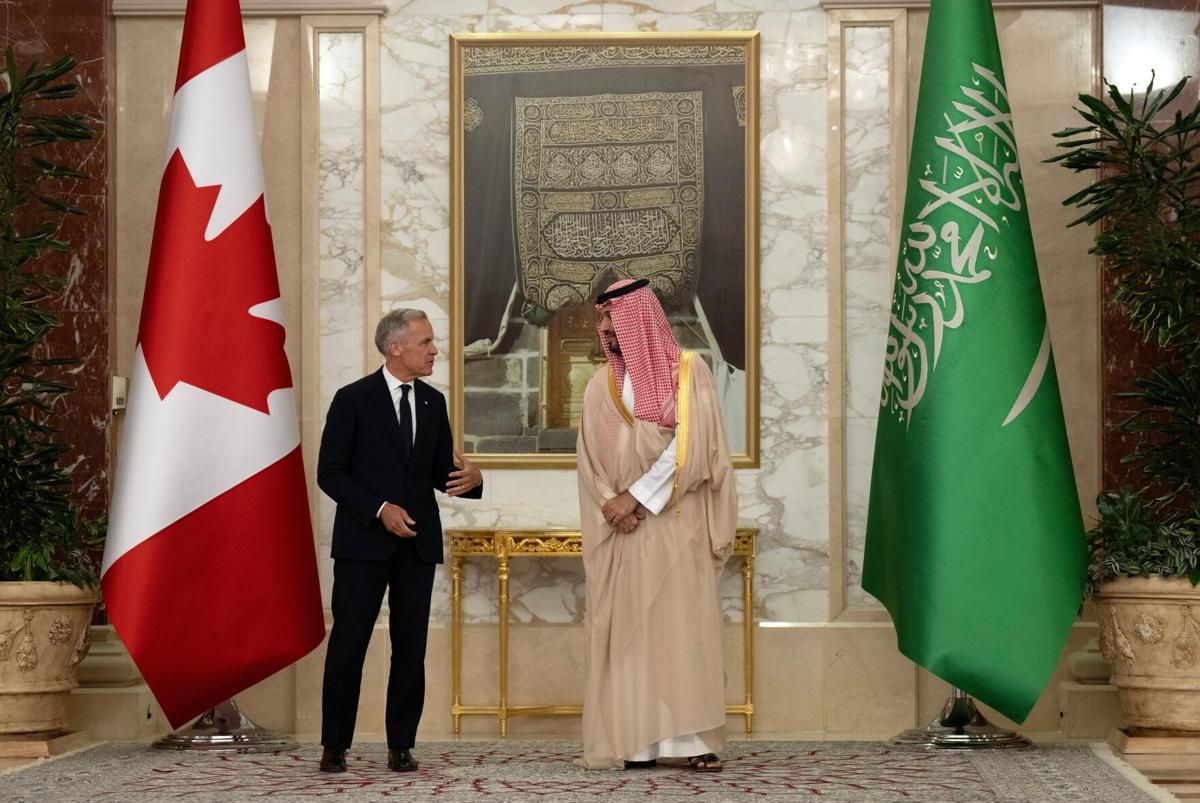
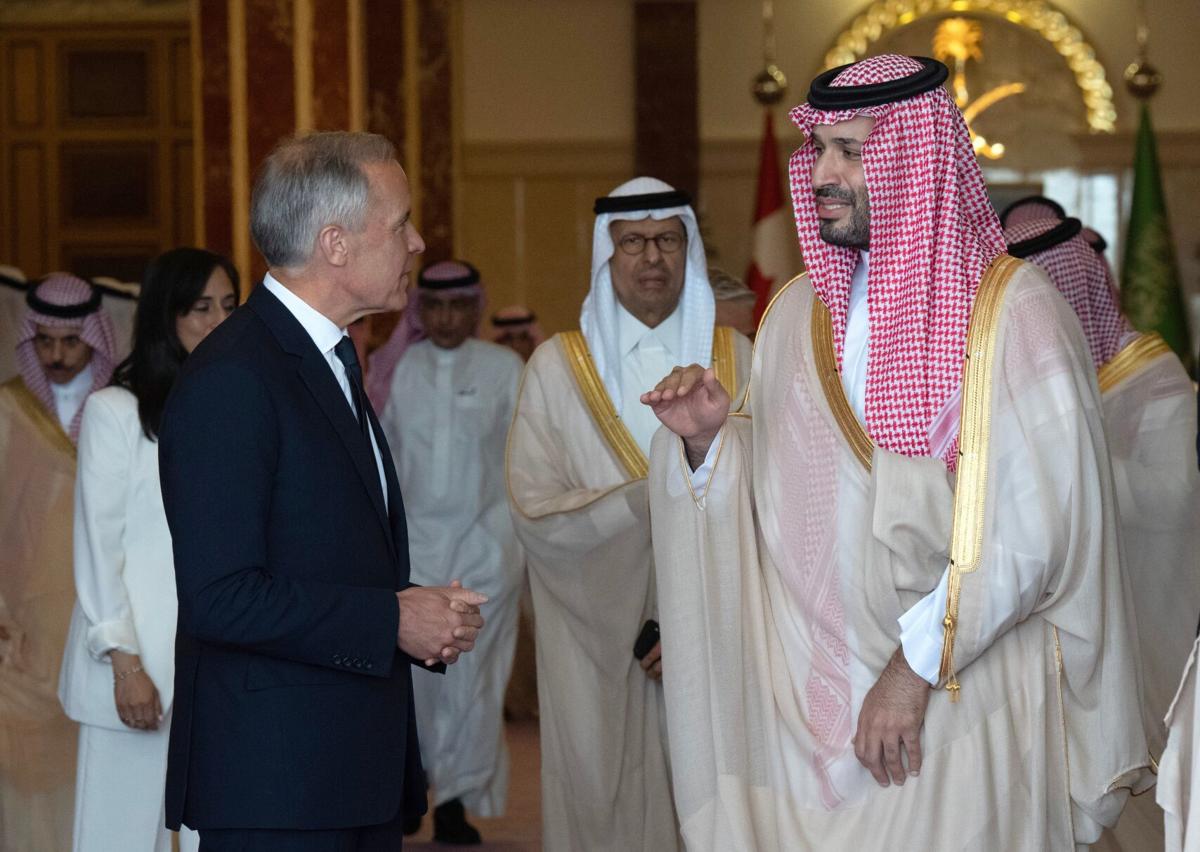
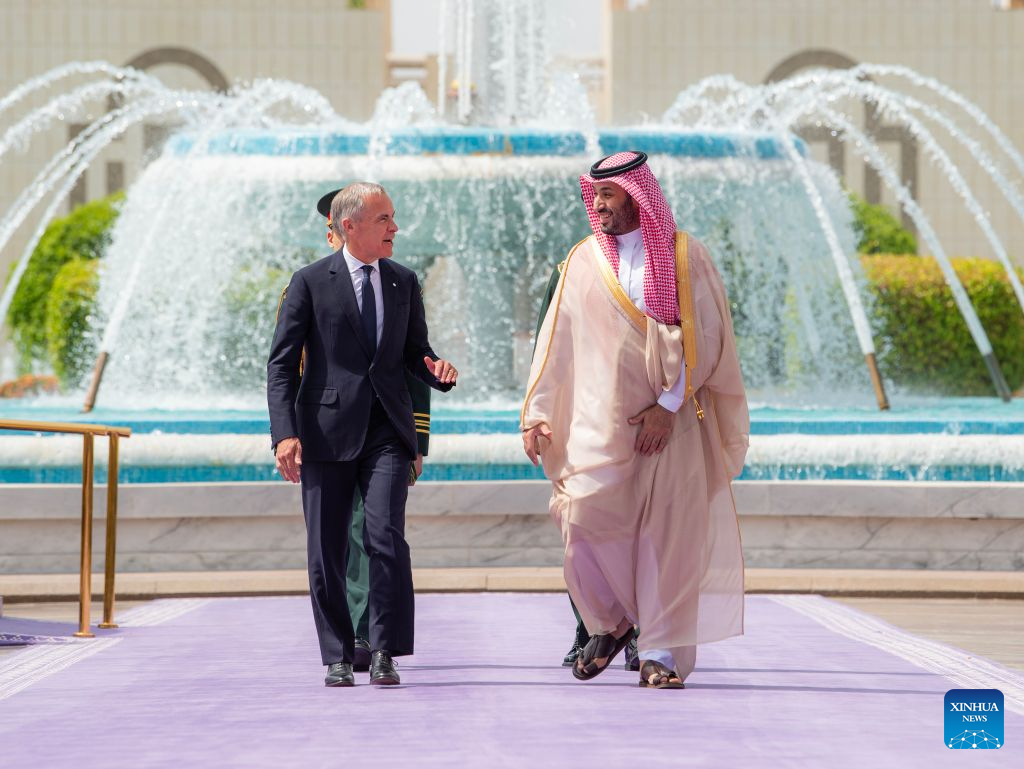
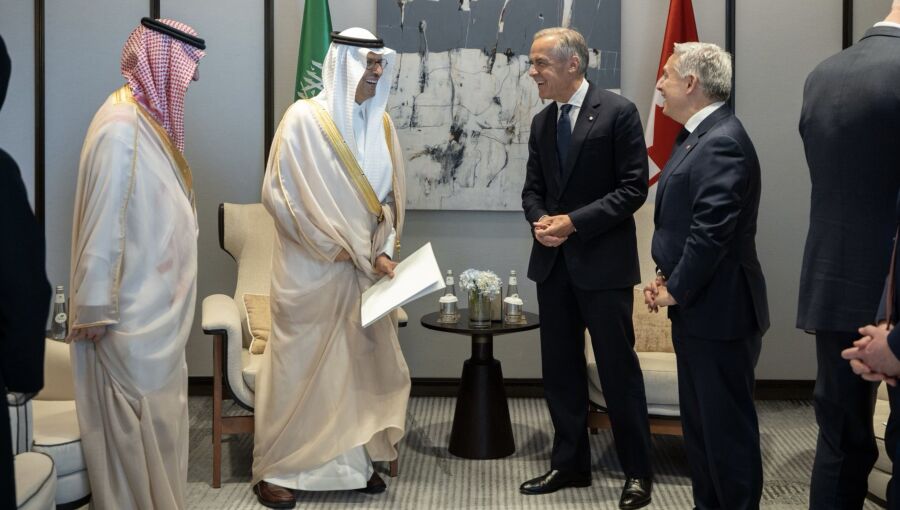
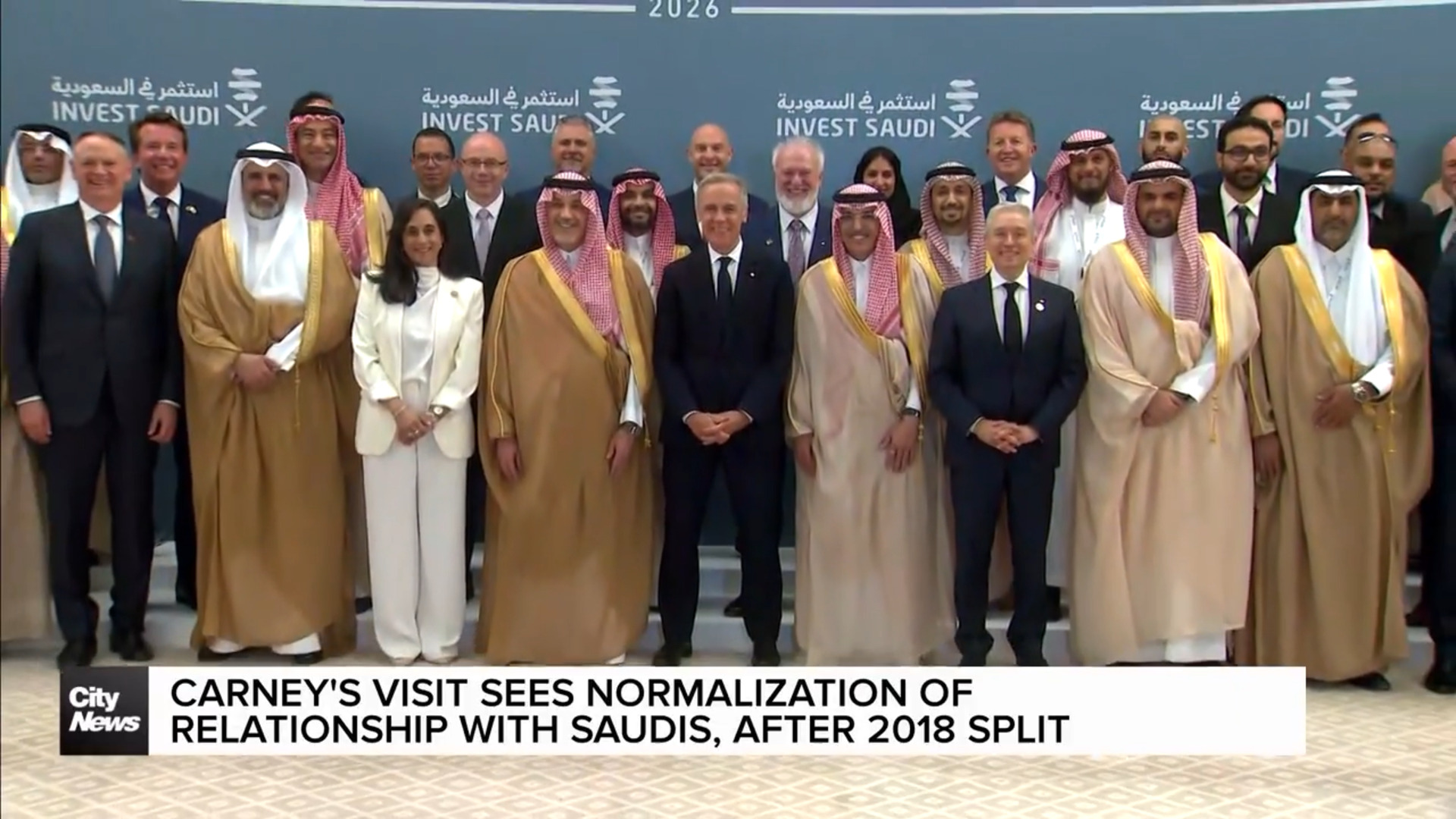
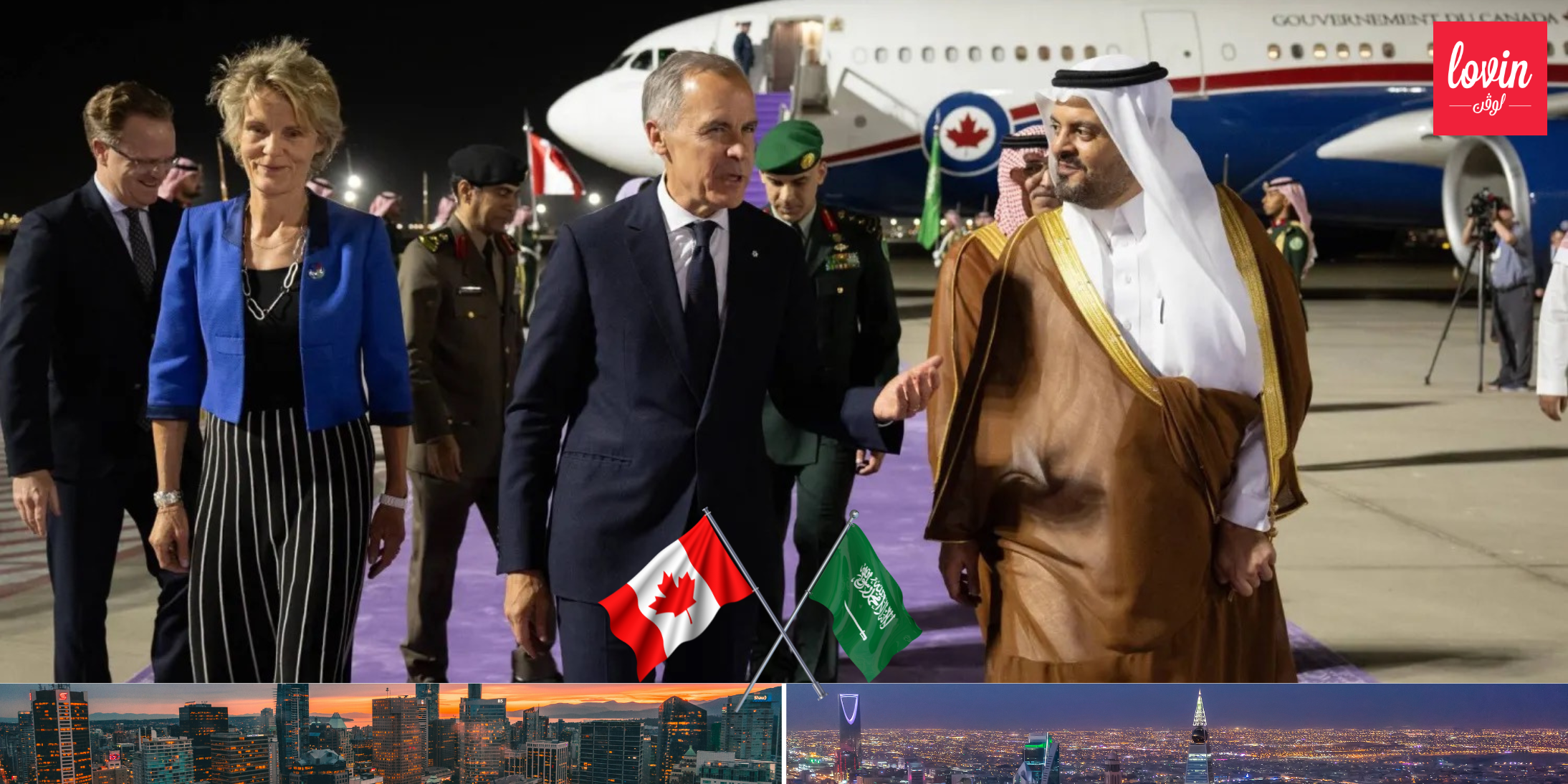
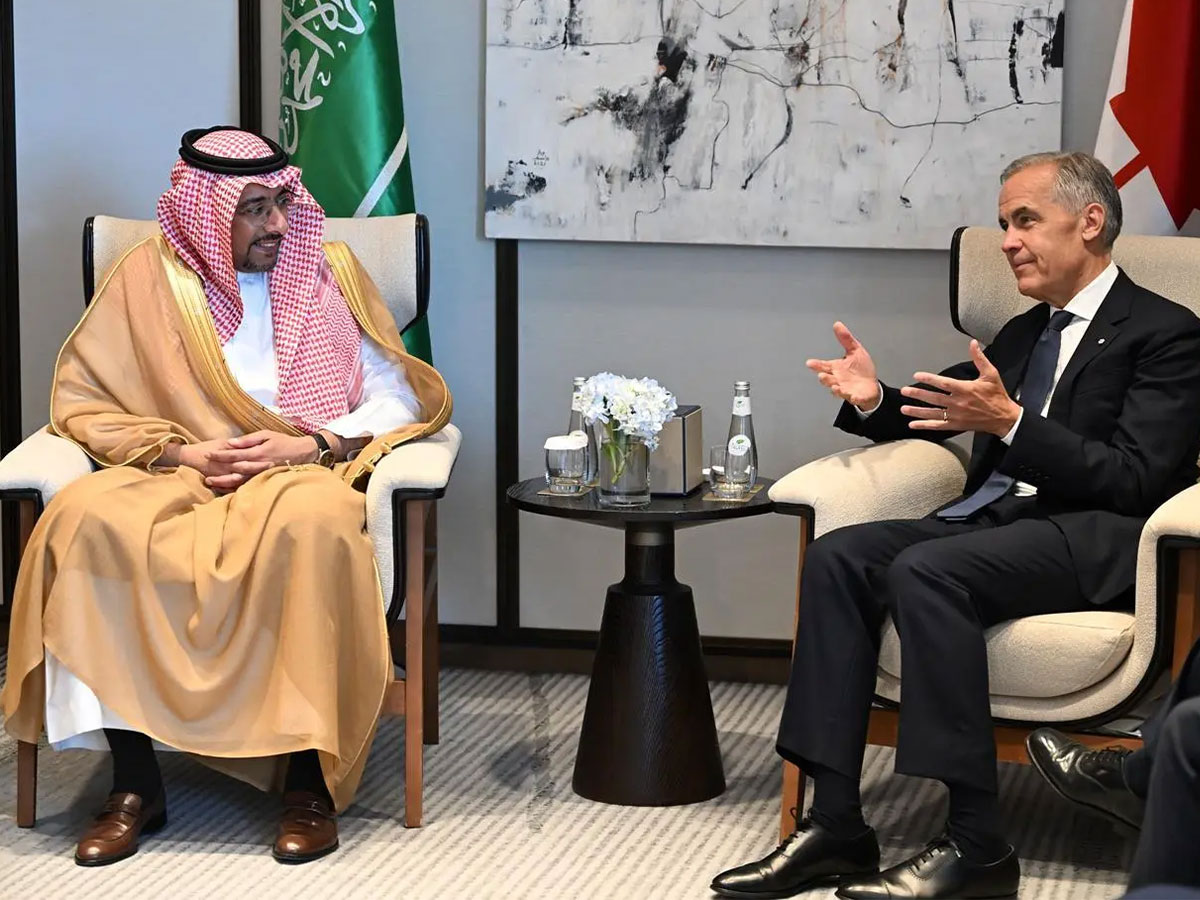
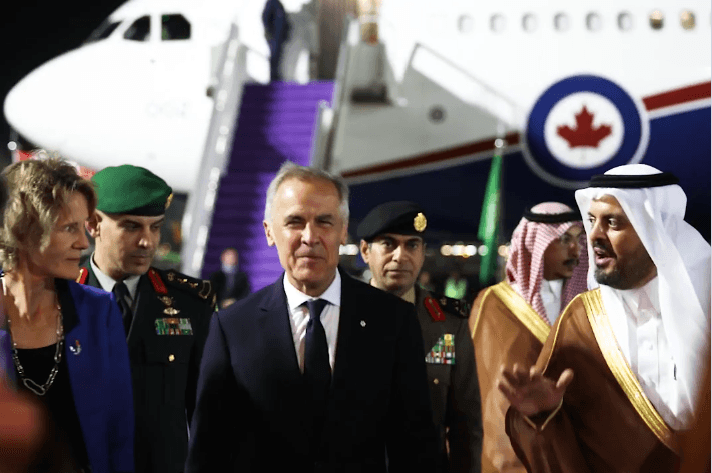
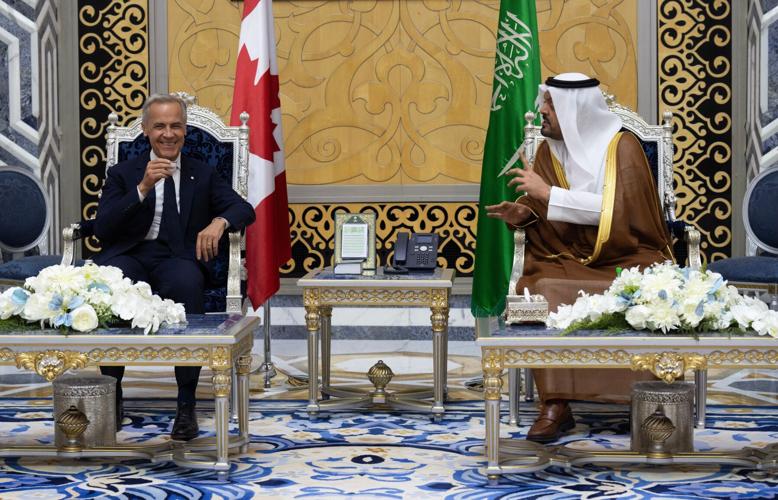
Canada's historic diplomatic reset with Saudi Arabia creates a $1 billion bilateral trade opportunity for cross-border sellers, particularly in technology, clean energy equipment, and critical minerals sectors. Prime Minister Mark Carney's first official visit to Saudi Arabia in 26 years (July 2026, with earlier 2024 visit) resulted in 13 commercial agreements and memorandums of understanding valued at $1 billion, fundamentally reshaping Canada's trade diversification strategy amid U.S. tariff pressures under the Trump administration.
For e-commerce sellers, this partnership opens three critical market access windows: First, Canadian technology companies (Cohere, BlackBerry) are advancing sovereign AI and defense technology partnerships with Saudi counterparts, creating B2B export opportunities for specialized equipment, software licensing, and technical services. Second, the clean energy cooperation framework—covering LNG, renewable energy, hydrogen, and carbon capture technologies—signals massive infrastructure procurement demand from Saudi Arabia's Vision 2030 initiative, which aims to diversify a $1.8 trillion economy away from oil dependence. Third, the Foreign Investment Promotion and Protection Agreement (FIPPA) negotiation by early 2027 and double-taxation agreement will reduce compliance friction for sellers establishing operations or supply chains in Saudi Arabia.
The competitive advantage accrues primarily to Canadian-based sellers and suppliers in technology, industrial equipment, and clean energy sectors. The agreements specifically mention Canadian companies developing mining and clean energy projects in Saudi Arabia, with pension fund delegations exploring investment opportunities. Educational partnerships—Canadian colleges training Saudi workforce in construction, skilled trades, medicine, and technology—signal long-term demand for training materials, technical documentation, and specialized equipment exports. The 2028 World Defence Show national pavilion and Expo 2030 participation create concentrated marketing windows for Canadian exporters.
Implementation timeline is critical: agreements finalize in 2025, with FIPPA negotiations completing by early 2027. This 18-24 month window allows sellers to establish supply chain relationships, secure certifications, and position inventory for Saudi market entry. The partnership explicitly addresses trade diversification away from U.S. dependence, meaning Canadian sellers gain preferential positioning as trusted partners in Saudi Arabia's economic transformation. However, sellers must navigate Saudi Arabia's Vision 2030 procurement standards, which typically require local partnerships or joint ventures for major infrastructure projects.
Questions 7
What are the key deadlines sellers should monitor for Canada-Saudi Arabia trade implementation?
Critical deadlines: (1) 2025 - Implementation of the 13 bilateral agreements and finalization of commercial partnerships; (2) Early 2027 - FIPPA and double-taxation agreement completion, which will clarify tariff schedules and investment protections; (3) 2028 - World Defence Show national pavilion opportunity; (4) 2030 - Expo 2030 in Riyadh. Sellers should establish supply relationships and secure certifications by mid-2025 to position for the 2027 FIPPA finalization. The 2028 and 2030 events provide concentrated marketing windows. Sellers should also monitor Saudi Arabia's customs authority and SASO announcements for preferential tariff schedules and technical requirement updates, typically published 60-90 days before implementation.
How does Canada's trade diversification away from the U.S. affect seller positioning in the Saudi market?
Canada's explicit strategy to reduce economic dependence on the U.S. market (driven by Trump administration tariff pressures) positions Canadian sellers as preferred partners in Saudi Arabia's economic transformation. This creates a 'trusted partner' advantage for Canadian exporters competing against U.S., European, or Asian suppliers. The partnership emphasizes long-term strategic relationships rather than transactional trade, meaning Canadian sellers who establish early market presence and local partnerships will gain sustained competitive advantages. However, this also means non-Canadian sellers may face higher barriers to entry or less favorable terms. Sellers should emphasize Canadian origin, alignment with Vision 2030 priorities, and commitment to long-term partnership in their market positioning.