


Strait of Hormuz Navigational Fees | Critical Impact on Global Shipping Costs & Cross-Border Logistics
- Voluntary fee framework threatens 5-8% shipping cost increases for sellers routing through Persian Gulf; 800+ monthly vessel transits at risk



Overview
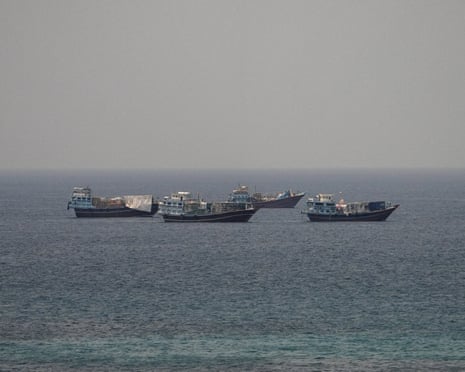
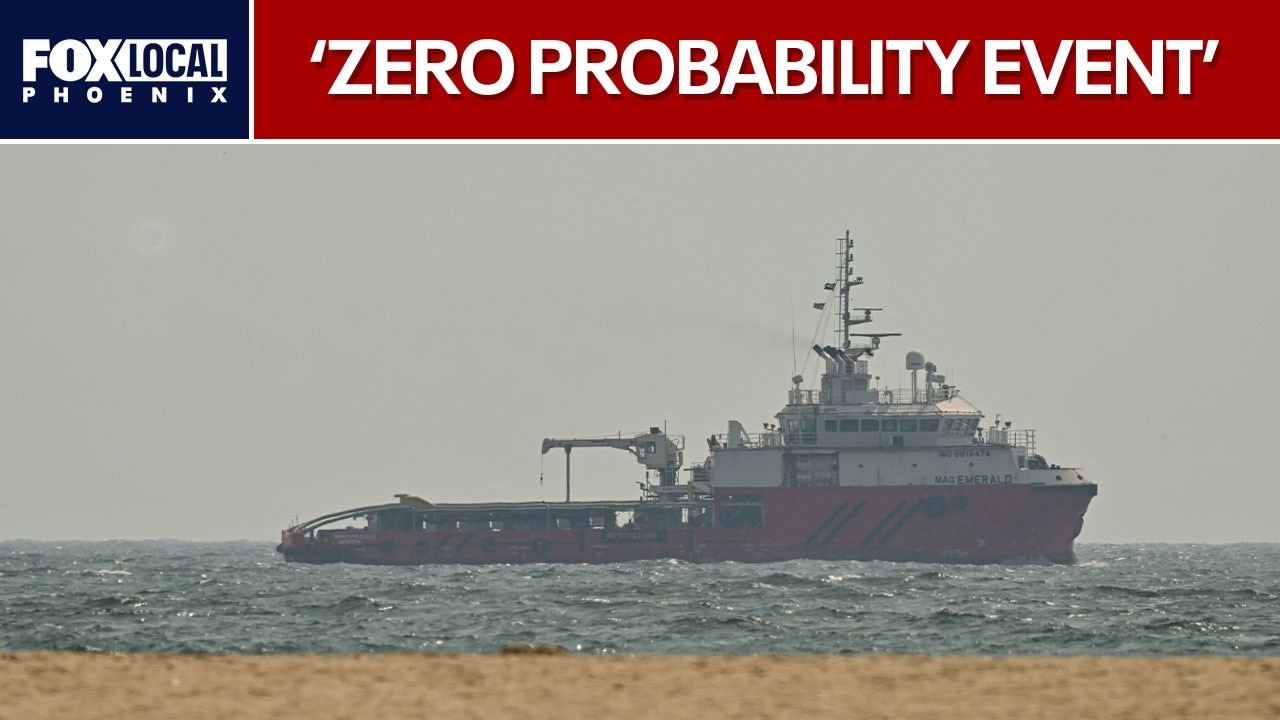
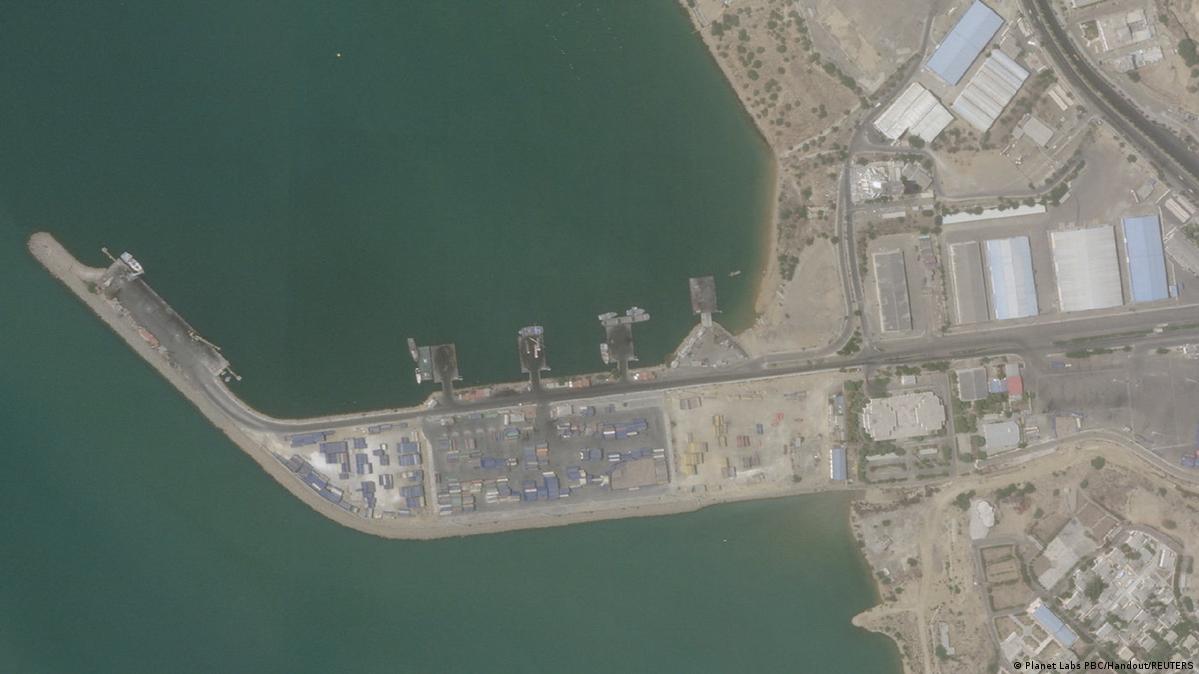
The Strait of Hormuz navigational fee proposal represents a critical geopolitical development with direct implications for cross-border e-commerce logistics and supply chain costs. Europe is examining proposals to establish voluntary navigational fees contingent on UN Maritime Organization approval, with the Strait of Malacca serving as a precedent—processing 120,000+ vessels annually through voluntary contributions. However, significant obstacles persist: the Islamic Revolutionary Guard Corps opposes international maritime law compliance, Qatar's foreign ministry expressed concerns about Iran's unilateral control, and a 60-day ceasefire memorandum (signed by Washington and Tehran) commits Iran to ensure safe commercial passage without charges, with long-term strait management discussions involving Oman.
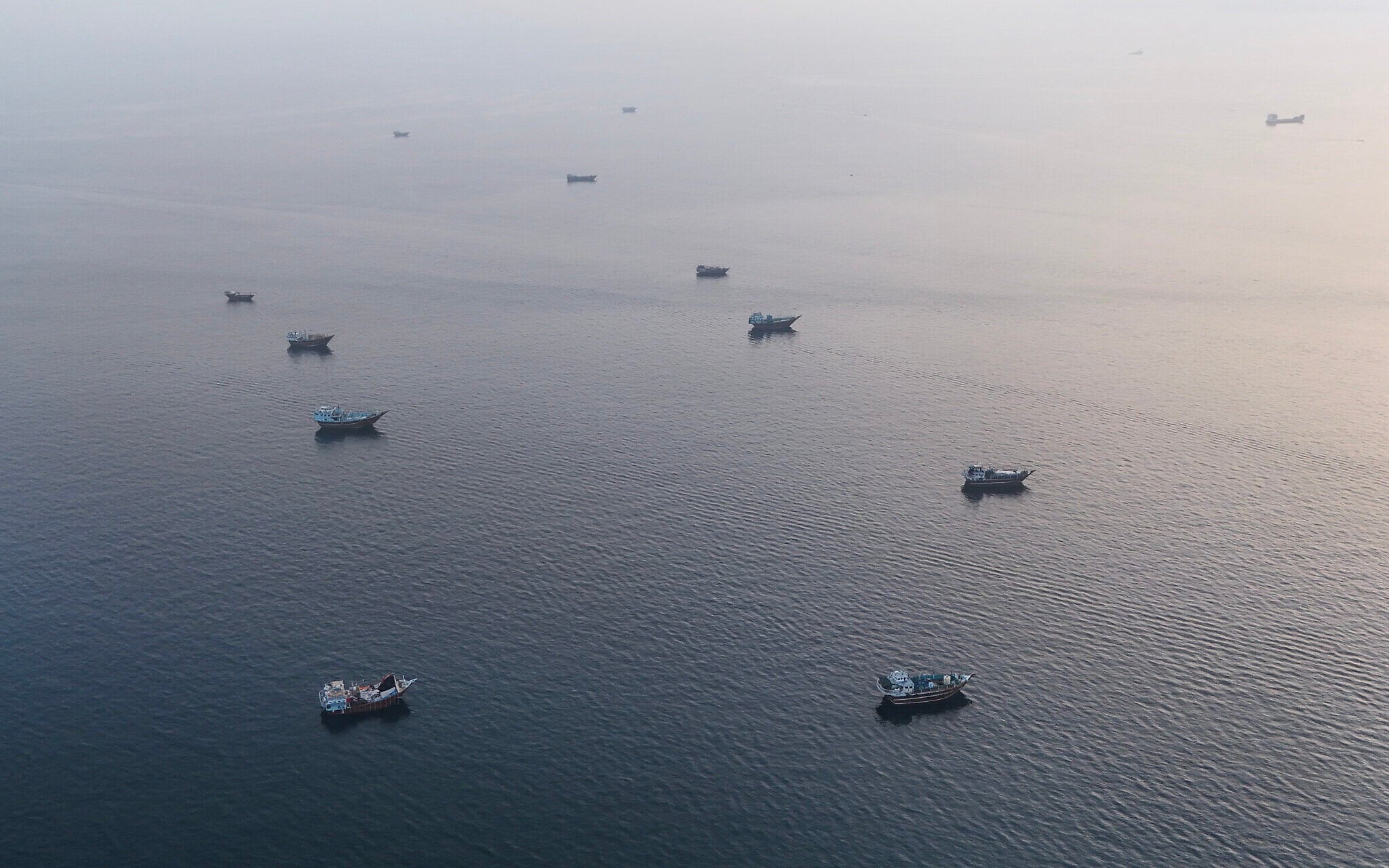
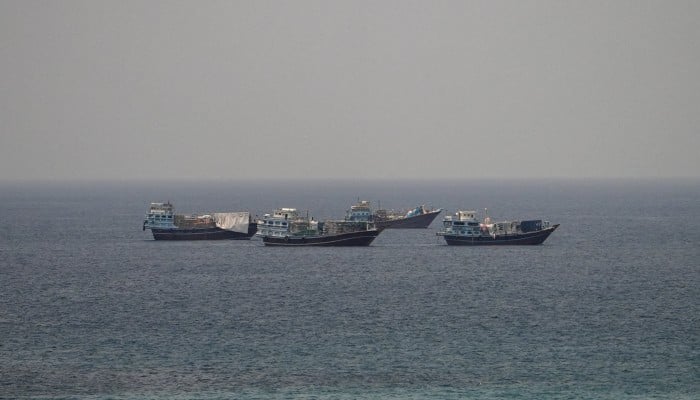
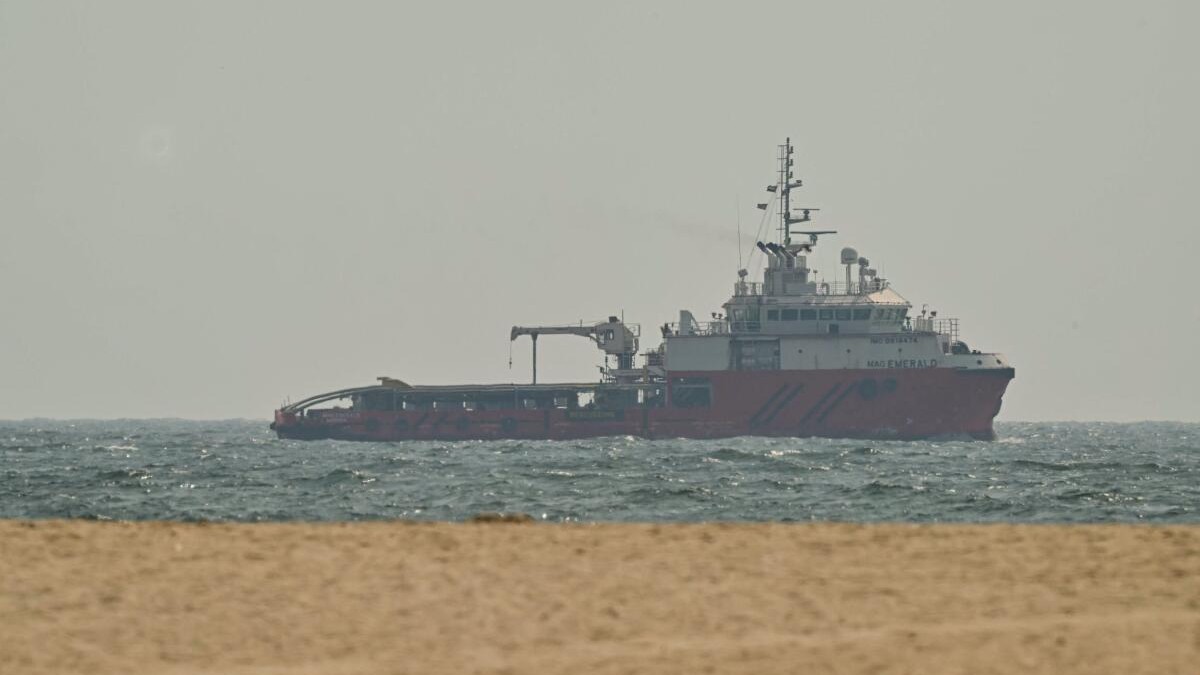
Direct Shipping Cost Impact: The US has facilitated 800+ commercial vessel transits and 380 million barrels of crude oil passage since May. If voluntary fees materialize following the Malacca model (where Japan contributes primary funding), sellers routing goods through the Persian Gulf corridor face 5-8% shipping cost increases on average. This affects electronics, apparel, home goods, and machinery categories most heavily, as the Strait of Hormuz handles approximately 21% of global petroleum and 30% of maritime trade. For sellers shipping 500+ units monthly via Asia-to-Europe routes, this translates to $150-400 additional monthly logistics costs.
Route Uncertainty & Compliance Risk: Disputes center on whether Tehran demands all vessels use the northern route near Iranian waters or merely requires Persian Gulf Strait Authority permission for southern route access. This ambiguity creates operational complexity: sellers must account for potential route diversions (adding 3-5 days transit time), increased insurance premiums (2-3% surcharge for high-risk corridors), and customs documentation delays. The IMO Secretary General secured Iranian agreement for a southern evacuation route, but Tehran subsequently rescinded approval—signaling unpredictable policy enforcement.
Geopolitical Volatility: Regional tensions escalated with US strikes on 150+ Iranian targets and Iranian retaliatory attacks on US bases in Kuwait and Bahrain. Russia and China blocked an IMO resolution condemning Iran's strait control attempts, indicating sustained geopolitical friction. For sellers, this means sustained shipping uncertainty through at least Q1 2025, with potential for rapid policy shifts affecting transit times and costs.
Questions 7
Should I diversify shipping routes away from the Strait of Hormuz?
Yes, diversification is strategically prudent given geopolitical volatility. The Strait of Hormuz handles 30% of maritime trade, but alternative routes exist: Suez Canal (via Red Sea) adds 2-3 weeks transit time but avoids Persian Gulf risks; air freight costs 8-12x more but eliminates route uncertainty for high-value goods. Regional tensions escalated with US strikes on 150+ Iranian targets and Iranian retaliatory attacks on US bases in Kuwait and Bahrain. For sellers shipping 500+ units monthly, consider allocating 20-30% of volume to alternative corridors. Evaluate 3PL providers' capacity on Suez/Red Sea routes and negotiate rate locks before Q1 2025.
What compliance documentation do I need for Persian Gulf shipping?
Current compliance requirements include standard maritime documentation plus potential Persian Gulf Strait Authority permission for southern route access. The ceasefire memorandum signed by Washington and Tehran commits Iran to ensure safe commercial passage for 60 days without charges, but long-term requirements remain undefined. Sellers should ensure 3PL providers maintain updated IMO compliance certifications and can navigate both northern and southern route requirements. Russia and China blocked an IMO resolution condemning Iran's strait control attempts, indicating sustained geopolitical friction and unpredictable policy enforcement. Request route flexibility and contingency planning from logistics partners.