


Venezuela Earthquake Crisis Disrupts LATAM Supply Chains | Seller Logistics Alert
- Twin 7.2-7.5 magnitude quakes kill ~4,000 in La Guaira; hundreds of thousands affected; supply chain disruptions and humanitarian product demand surge for sellers
Overview
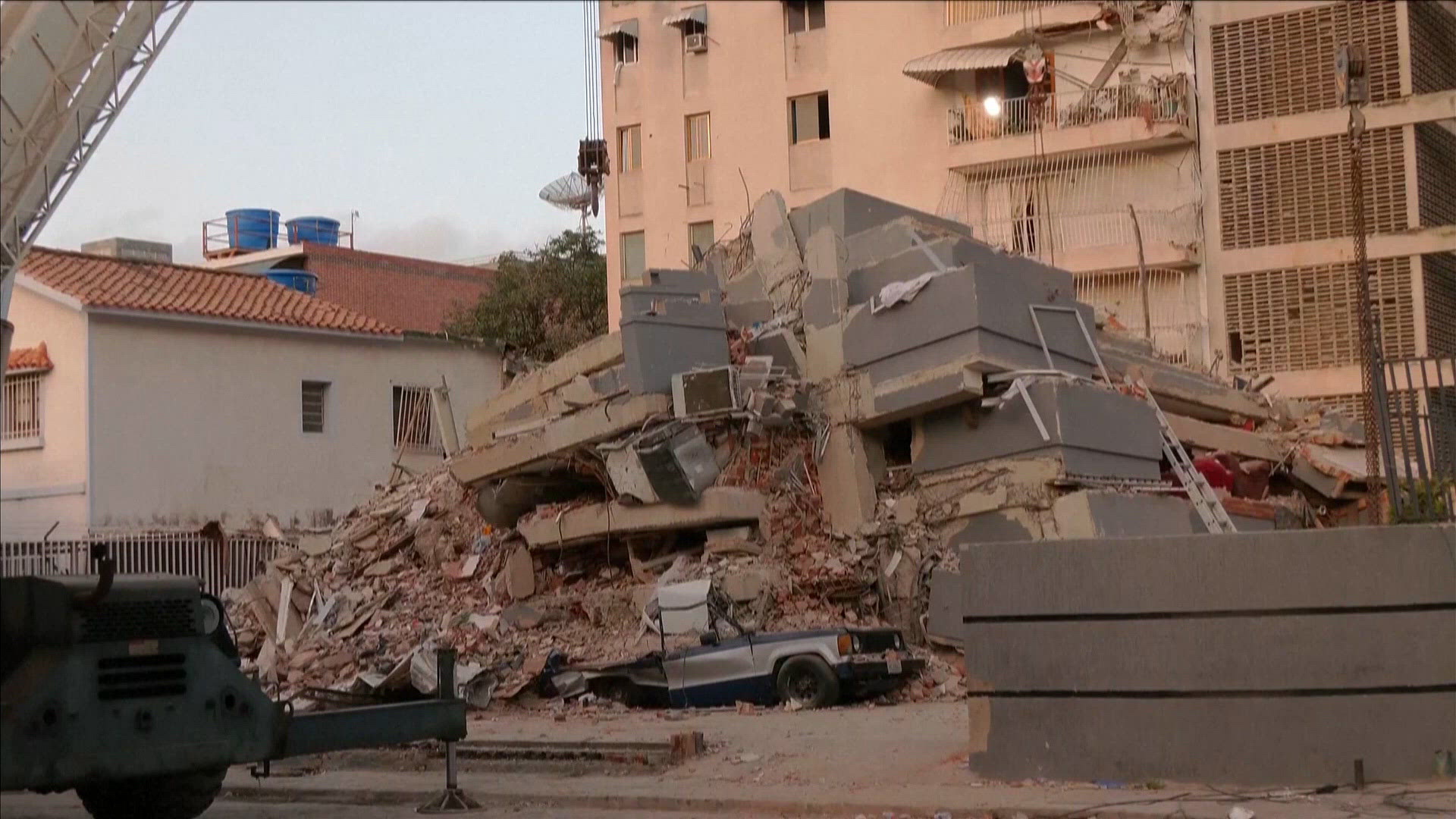
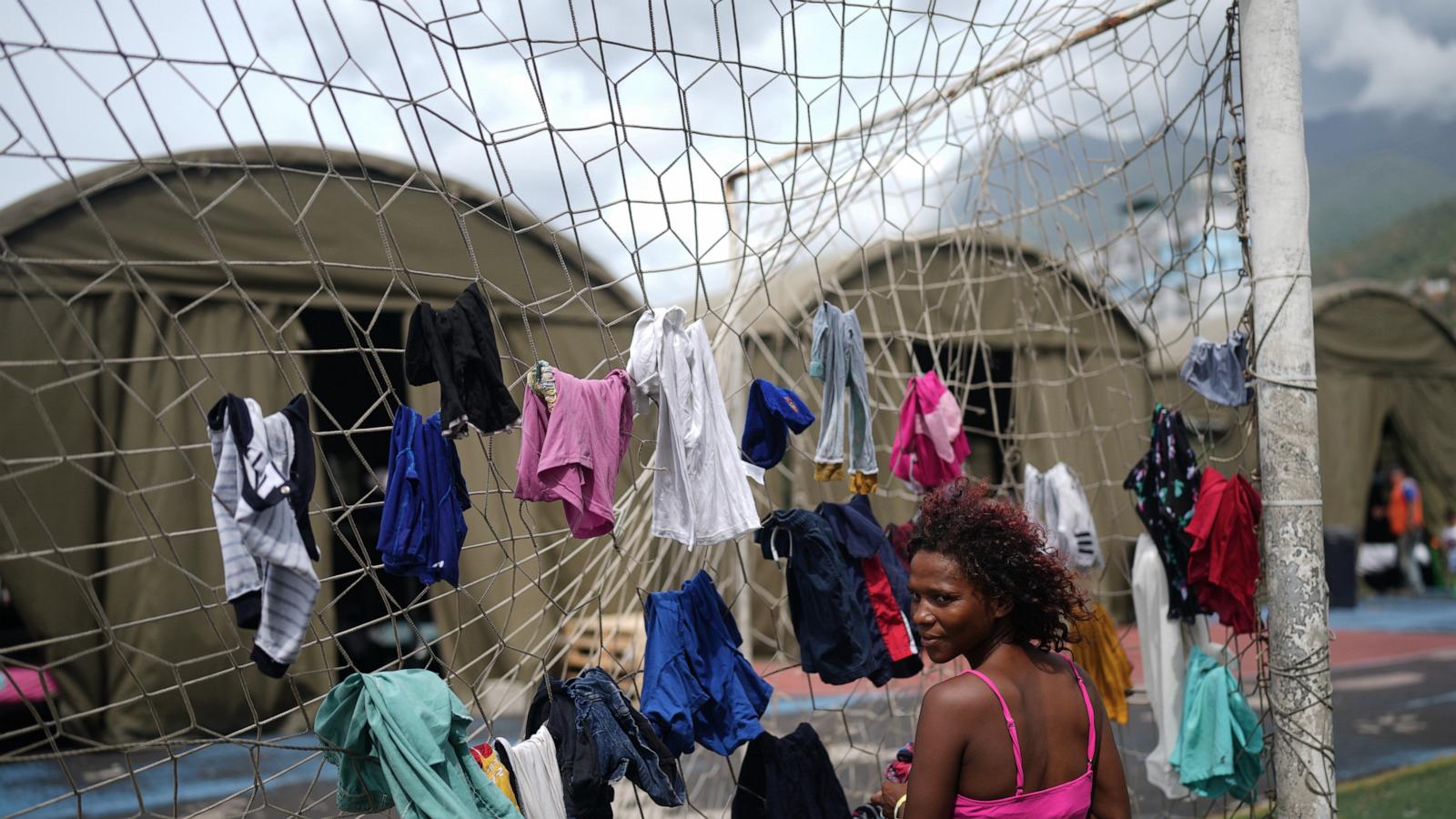
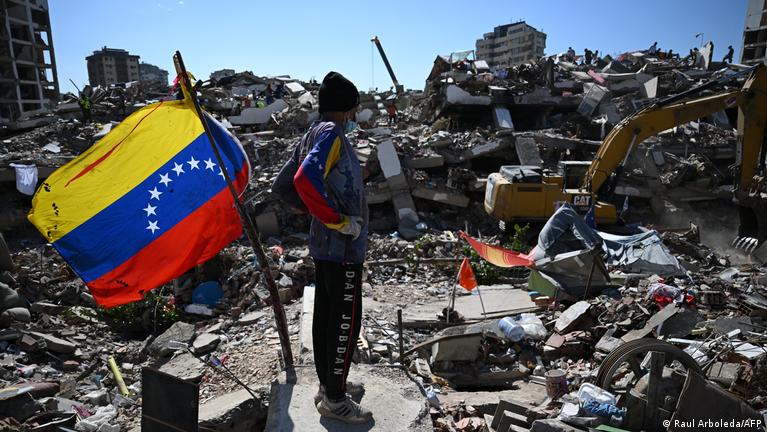
The twin earthquakes (magnitudes 7.2 and 7.5) that struck Venezuela's La Guaira state approximately two weeks prior to reporting have created a complex crisis affecting nearly 4,000 deaths and hundreds of thousands of displaced persons. For cross-border e-commerce sellers, this disaster presents both immediate operational risks and time-sensitive product opportunities. Supply chain disruptions are the primary concern: Venezuela serves as a transit hub and sourcing region for Latin American commerce, and infrastructure damage in La Guaira—a major port area—directly impacts logistics networks serving the broader Caribbean and South American markets. Sellers shipping to or through Venezuela face port delays, customs processing backlogs, and potential rerouting costs of 15-25% above normal rates.
Humanitarian product demand represents the immediate opportunity window. The UN and international aid organizations have mobilized response efforts, creating urgent demand for emergency supplies, medical equipment, shelter materials, and relief goods. Sellers in categories including first-aid kits, portable water filtration, emergency blankets, hygiene products, and construction materials can capitalize on this 2-4 week surge. Historical patterns from similar disasters (2016 Ecuador earthquake, 2017 Mexico quakes) show 300-500% category spikes during active rescue phases, followed by sustained 40-60% elevation during 3-6 month recovery periods. Amazon, eBay, and Shopify sellers targeting LATAM markets should immediately audit inventory of disaster-relief categories and adjust PPC campaigns to capture high-intent search traffic from aid organizations and individual donors.
Regional market implications extend beyond Venezuela. The disaster signals infrastructure vulnerability across the Caribbean and northern South America, potentially affecting seller logistics to Colombia, Trinidad & Tobago, and Guyana. Sellers with existing LATAM fulfillment networks should assess alternative routing through secondary ports (Puerto Cabezas, Maracaibo) and consider temporary 3PL partnerships to maintain delivery SLAs. Government coordination with international partners suggests potential tariff relief or expedited customs processing for humanitarian goods—sellers should monitor Venezuelan customs authority announcements for temporary duty waivers on relief supplies, which could improve margins by 8-12% on qualifying products during the recovery window.
Questions 7
What supply chain risks should sellers monitor beyond Venezuela?
The earthquake signals infrastructure vulnerability across the Caribbean and northern South America, affecting sellers' logistics to Colombia, Trinidad & Tobago, and Guyana. Monitor secondary port capacity (Puerto Cabezas, Maracaibo) for congestion as traffic reroutes from La Guaira. Track regional customs authority announcements for temporary processing delays. Consider geographic diversification of LATAM fulfillment centers away from earthquake-prone coastal regions. Establish backup 3PL partnerships in multiple Caribbean locations. The disaster demonstrates the need for supply chain resilience planning—sellers should conduct quarterly risk assessments of LATAM logistics networks.
How can sellers leverage humanitarian aid demand on Amazon and eBay?
Create dedicated Amazon and eBay listings for disaster relief bundles (first-aid kits, water filters, emergency blankets) with LATAM-targeted PPC campaigns. Use keywords like 'Venezuela earthquake relief,' 'emergency supplies LATAM,' and 'humanitarian aid products.' Historical data shows 300-500% conversion rate increases during active disaster phases. Highlight fast shipping and bulk discounts for aid organizations and individual donors. On Shopify, create a dedicated landing page for relief products with donation-matching messaging to capture high-intent traffic. The current 2-4 week window represents peak demand before aid distribution stabilizes.