



Urban Grocery Closures Drive Pop-Up & O2O Retail Opportunities | Cleveland Market Analysis
- Heinen's closure creates 21,000-resident market gap; boutique formats and food truck models signal shift toward experiential retail and omnichannel fulfillment strategies



Overview
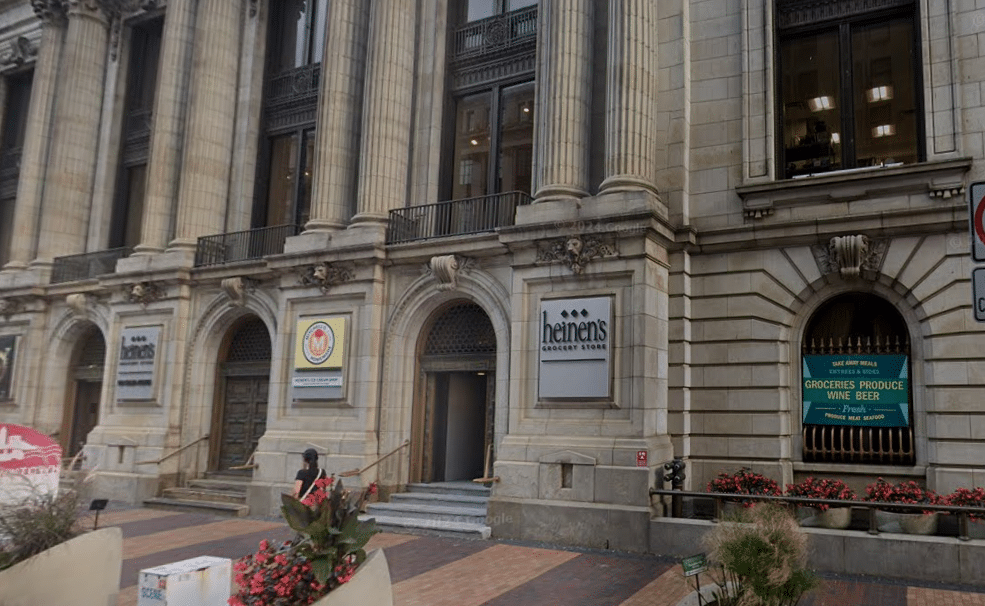
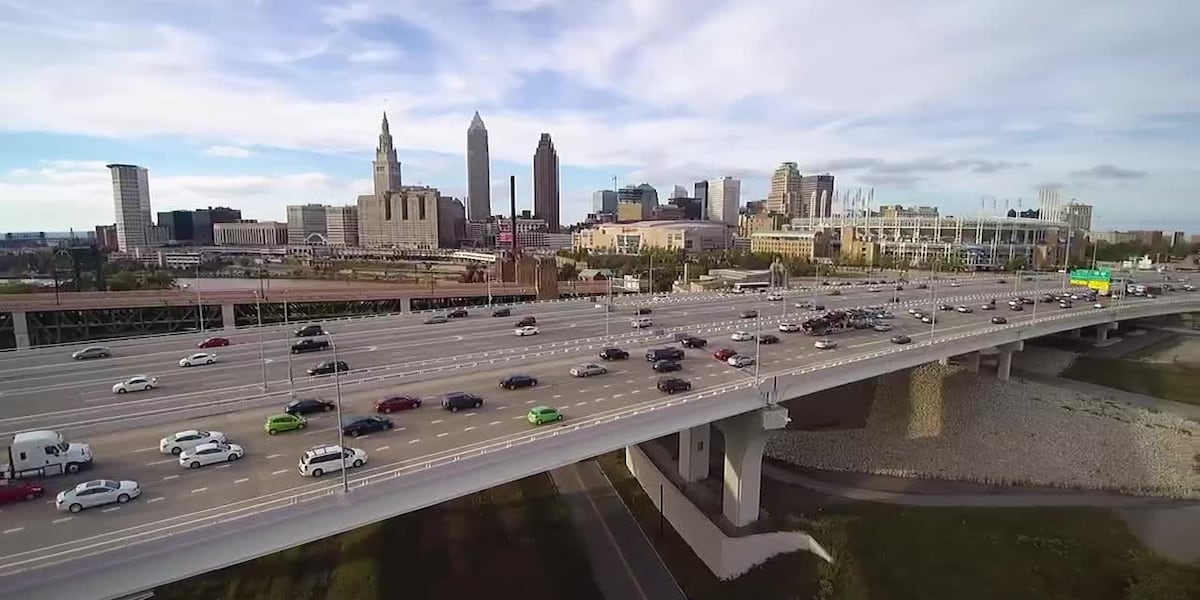
Downtown Cleveland's grocery store crisis—with Heinen's closing its 11-year flagship location by July 31, 2026, and Simply Food considering closure of its 9,000-sq-ft Reserve Square store—represents a critical O2O (Online-to-Offline) retail opportunity for sellers and brands. The market dynamics reveal a fundamental shift in urban grocery retail: traditional large-format stores are failing to adapt to urban consumer preferences (smaller serving sizes, diverse product selection, delivery-first expectations), while the city's 21,000 residents (85% apartment occupancy, one-third aged 25-34) plus 13,000 Cleveland State University students create concentrated demand for alternative retail formats.
The operational failure of Heinen's in downtown Cleveland directly mirrors broader e-commerce seller challenges: suburban-optimized inventory and logistics don't translate to urban markets. Heinen's struggled with product assortment mismatch, service model misalignment, and inability to compete with delivery services—the exact pain points that plague cross-border sellers entering new markets. The news reveals that Downtown Cleveland Inc. is actively recruiting replacement grocers through Streetsense consulting, signaling immediate opportunities for innovative retail operators. The city is simultaneously implementing interim solutions: food trucks operating at Public Square (Tuesdays-Thursdays throughout October), farmers markets accepting SNAP/EBT, and delivery service partnerships. This multi-channel approach mirrors successful O2O strategies where online sellers establish offline touchpoints to build brand trust.
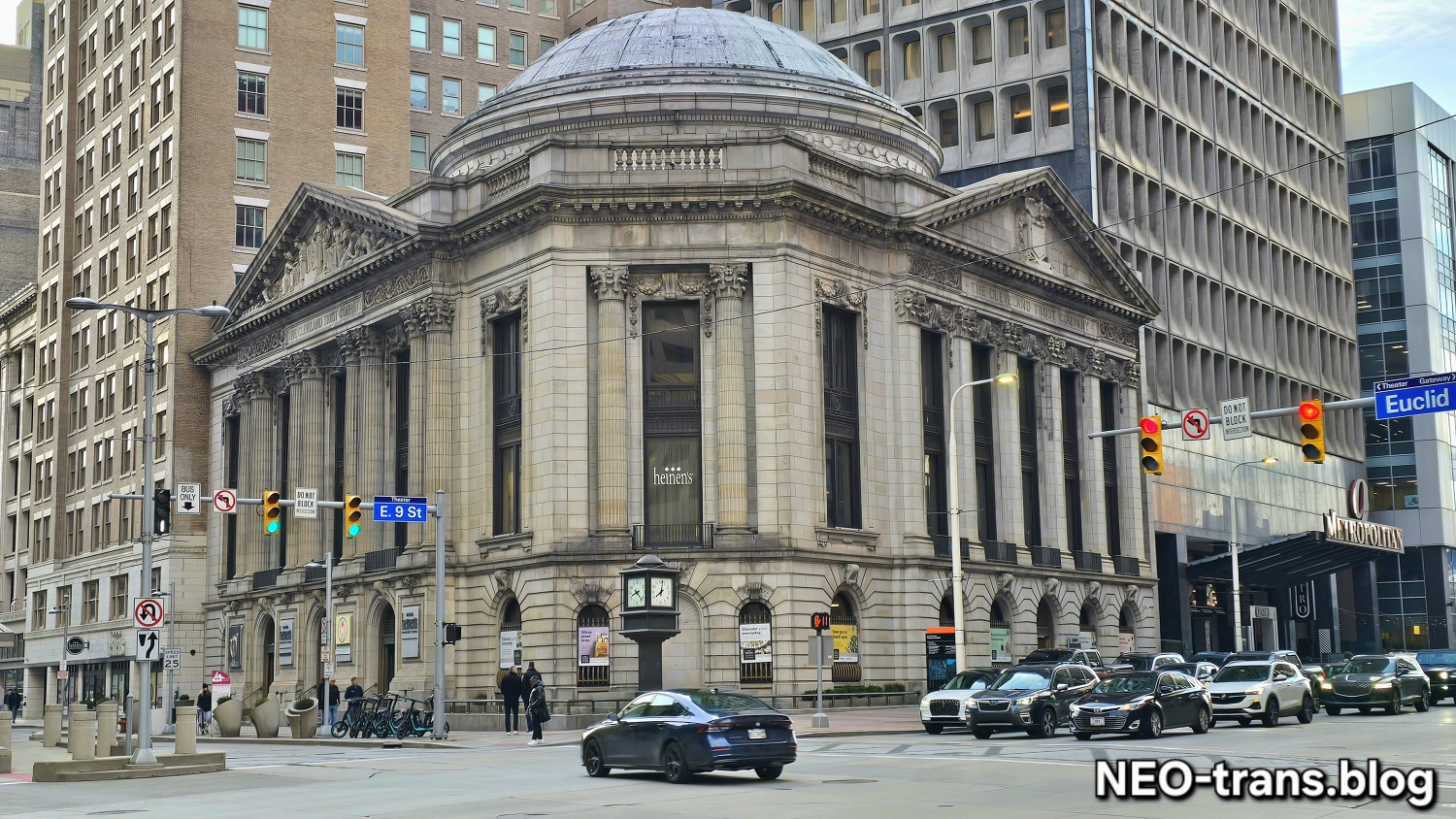
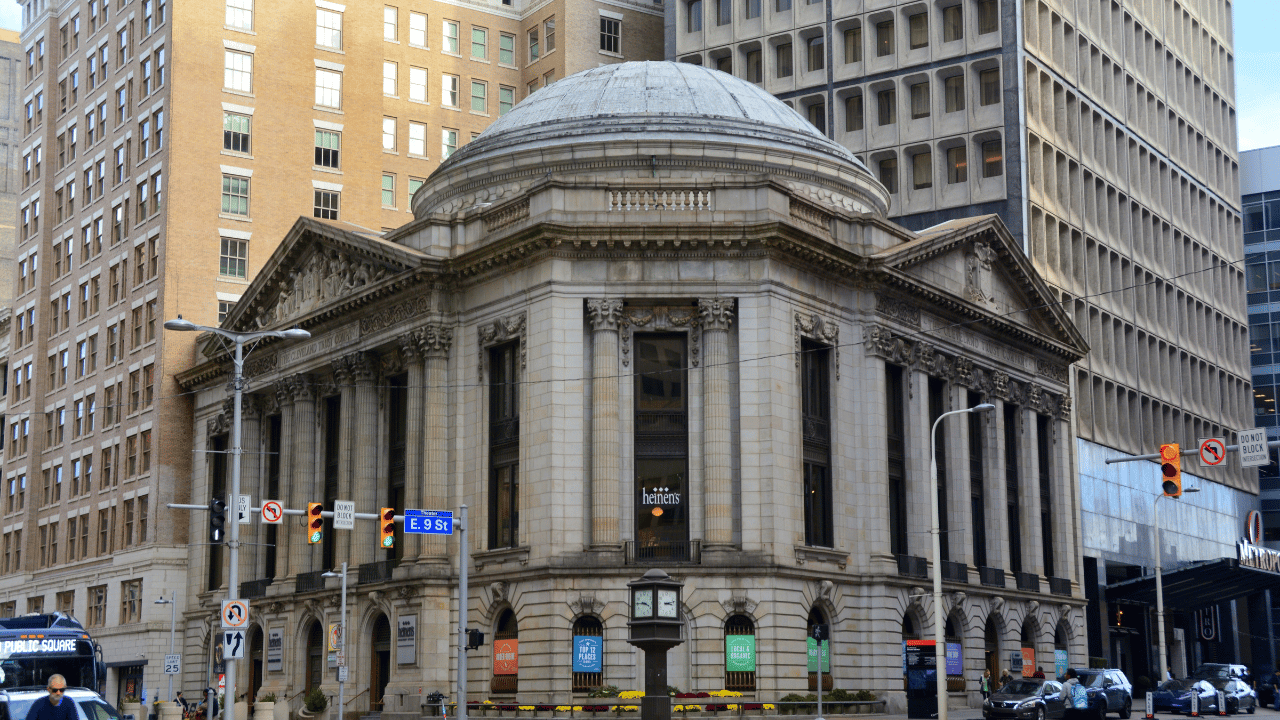
For sellers and brands, this represents three concrete O2O opportunities: (1) Pop-up/food truck partnerships: The city's expansion of food truck programming at Public Square (high foot traffic, 21,000 downtown residents + office workers) creates low-cost testing grounds for specialty food, beverage, and prepared goods brands. Food truck ROI in urban markets typically ranges 40-60% higher than traditional retail due to lower overhead ($3,000-8,000/month vs. $15,000-25,000 for retail space). (2) Boutique grocery format entry: Councilwoman Stephanie Howse-Jones explicitly recommended "smaller boutique grocery models and co-ops"—a direct signal that niche, curated grocery concepts (ethnic specialty foods, organic/health-focused, student-oriented) have market demand. The 300+ senior living apartments on E. 13th Street represent a concentrated demographic for senior-focused food delivery and specialty nutrition products. (3) Omnichannel fulfillment hubs: The Heinen's building at 290 E. Aurora Road (Cleveland Trust Building) and the Reserve Square location represent prime real estate for micro-fulfillment centers or showrooms. Downtown Cleveland Inc. President Michael Deemer identified the Heinen's building as "a prime location for future grocery retail"—but this could equally serve as a distribution hub for online sellers offering same-day delivery to the 21,000-resident market.
The market analysis by Streetsense will inform recruitment strategies through Q1 2026, creating a 12-18 month window for sellers to position themselves. Simply Food's revenue decline to "one-third of historical levels" and two years of losses demonstrate that traditional independent grocery models are unsustainable in downtown markets without differentiation. However, the city's commitment to food access (Mayor Justin Bibb provided $250,000+ in incentives) signals government support for alternative retail formats—a critical advantage for sellers negotiating lease terms or seeking co-op partnerships.
Questions 8
What specific O2O opportunities exist from Heinen's closure in downtown Cleveland?
Heinen's closure by July 31, 2026, creates three immediate O2O opportunities: (1) Food truck partnerships at Public Square (operating Tuesdays-Thursdays with 21,000 downtown residents + office workers as target audience), offering 40-60% higher ROI than traditional retail; (2) Boutique grocery format entry, as city officials explicitly recommended smaller, curated models over large-format stores; (3) Micro-fulfillment hub conversion of the Cleveland Trust Building location (290 E. Aurora Road), identified by Downtown Cleveland Inc. as prime retail real estate. The market analysis by Streetsense runs through Q1 2026, creating a 12-18 month window for sellers to position themselves before recruitment of replacement grocers begins.
Why did Heinen's fail in downtown Cleveland despite 11 years of operation?
Heinen's struggled to adapt its suburban-focused product offerings and service model to urban market demands. Industry observers noted the chain failed to account for differences in product selection, serving sizes, and delivery preferences. The store served office workers and residents who preferred smaller quantities, diverse ethnic products, and delivery options—not the bulk-purchase, suburban-optimized inventory Heinen's provided. This mirrors broader e-commerce seller challenges: inventory and logistics optimized for one market don't translate to different customer segments. Simply Food's similar decline (revenue dropped to one-third of historical levels) reinforces that traditional independent grocery models require significant differentiation to survive in downtown markets.