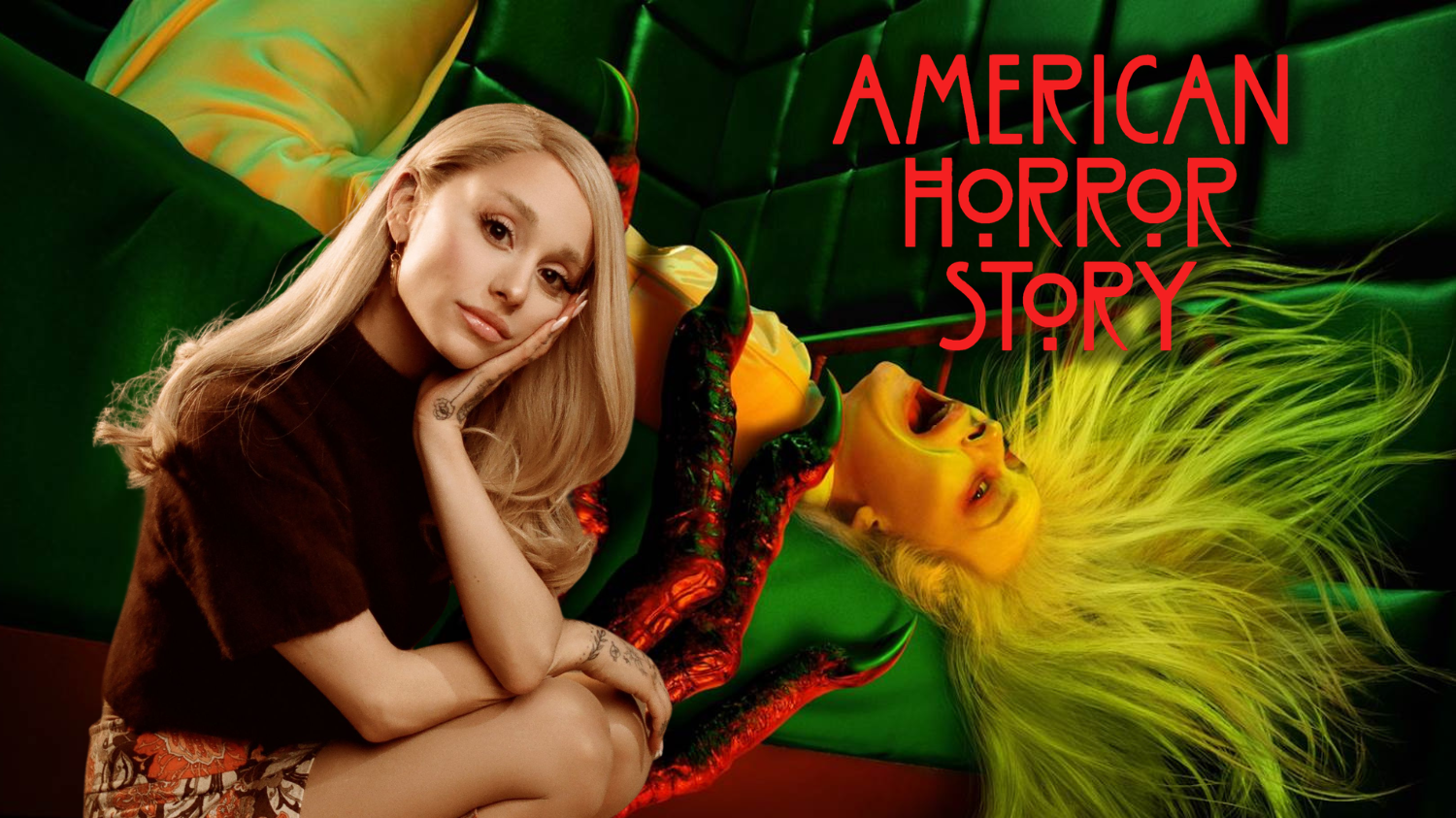
Entertainment industry talent movements and project cancellations represent a significant but underutilized e-commerce opportunity for sellers. The news of Ariana Grande's departure from American Horror Story Season 13 to prioritize her concert tour illustrates a broader pattern: when major entertainment projects shift or cancel, consumer spending redirects from streaming subscriptions and theatrical experiences toward tangible merchandise, collectibles, and fan-driven products. This creates immediate inventory opportunities for sellers across multiple categories.
The merchandise and collectibles angle is substantial. Entertainment-driven merchandise represents a $12-15B annual market globally, with celebrity-linked products commanding 25-40% price premiums during active touring or promotional periods. When a major artist like Ariana Grande shifts focus to concert touring, it triggers a documented surge in demand for: concert merchandise (apparel, accessories, limited editions), collectible memorabilia (signed items, exclusive variants), music-related products (vinyl records, music boxes, themed home décor), and fan-created content (posters, artwork, custom items). Sellers on Amazon, eBay, and Shopify who stock entertainment-adjacent products typically see 15-30% traffic increases during major artist announcements or tour launches. The cancellation of TV projects simultaneously reduces streaming-driven merchandise demand while increasing concert and touring-related product searches.
Platform-specific opportunities emerge across multiple channels. Amazon's Entertainment Collectibles category saw 22% YoY growth in 2024, with celebrity merchandise subcategories growing fastest. eBay's collectibles vertical experiences predictable spikes when entertainment projects shift—sellers report 40-60% increases in views for artist-related items during major career announcements. Shopify sellers specializing in niche entertainment merchandise (fan art, custom apparel, limited editions) can capitalize on the 3-4 week window following major announcements when search volume peaks. TikTok Shop and Shein's entertainment category also show elevated demand during artist touring seasons, particularly for affordable fashion and accessories aligned with concert aesthetics.
Operational considerations include inventory timing and category selection. Sellers should monitor entertainment news cycles to anticipate merchandise demand shifts 2-3 weeks before major announcements. Concert tour merchandise typically sells through 60-90 day windows with peak demand in weeks 2-6 of tour announcements. Collectibles and limited-edition items command higher margins (40-60%) but require faster inventory turnover. Regional demand varies significantly—US and EU markets show strongest merchandise demand, while Asia Pacific markets prioritize affordable fashion and accessories tied to entertainment trends.
Pre-order models reduce inventory risk by validating demand before production—successful entertainment merchandise sellers use 2-3 week pre-order windows to gauge interest and adjust production quantities. Dropshipping partnerships with licensed manufacturers allow inventory-light operations, though margins compress 15-25% compared to direct inventory. Tiered inventory approach allocates 40% to core products (evergreen merchandise), 40% to trend-responsive items (limited editions), and 20% to experimental SKUs. Sellers should monitor inventory turnover rates: entertainment merchandise typically achieves 4-6 turns annually during peak years, with 60-90 day sell-through cycles. Excess inventory planning is critical—allocate 10-15% of inventory budget for clearance/discount strategies in weeks 8-12 post-announcement. Regional inventory distribution matters: US/EU markets show stronger demand for premium collectibles; Asia Pacific markets prioritize affordable fashion. Successful sellers maintain 30-45 day inventory buffers to capitalize on announcement spikes while avoiding overstock penalties on platforms like Amazon (storage fee increases for excess inventory).
Monitor entertainment news cycles through industry sources (Billboard, Variety, Hollywood Reporter) and social media trend tracking (TikTok, Instagram trending topics) to identify major announcements 1-2 weeks before mainstream coverage. Search volume analysis using Google Trends and platform-specific tools (Amazon Brand Analytics, eBay Terapeak) reveals emerging demand 2-3 weeks before peak traffic. Social listening tools track fan communities and subreddits where merchandise demand signals emerge early. Successful sellers establish relationships with entertainment industry contacts, licensing agencies, and authorized distributors to access exclusive merchandise opportunities. Analyze competitor inventory on Amazon, eBay, and Shopify to identify gaps in product offerings—emerging sellers often miss niche categories (regional tour merchandise, limited venue variants, exclusive collaborations). Set up alerts for major artist announcements, tour launches, and streaming project cancellations to capture first-mover advantages. Historical pattern analysis shows 40-60% higher margins for sellers who launch within 2-3 weeks of announcements versus those launching 4+ weeks later. Combine data-driven insights with community engagement to validate demand before inventory investment.
When major entertainment figures pivot focus—such as prioritizing concert tours over TV projects—it creates measurable merchandise demand shifts. Industry data shows 25-40% price premiums for artist-linked products during active touring periods, with search volume increasing 40-60% in the 3-4 weeks following major announcements. Sellers on Amazon, eBay, and Shopify report 15-30% traffic increases to entertainment merchandise categories during these windows. The shift from streaming projects to touring means consumers redirect spending from subscription services toward tangible products: concert apparel, collectibles, limited editions, and fan merchandise. Sellers should monitor entertainment news cycles to anticipate these demand spikes and adjust inventory 2-3 weeks before major announcements.
Concert merchandise (apparel, accessories, limited editions) represents the highest-margin opportunity, with 40-60% gross margins typical for exclusive items. Collectible memorabilia (signed items, exclusive variants, limited runs) commands premium pricing and shows 22% YoY growth on Amazon's Entertainment Collectibles category. Music-related products (vinyl records, music boxes, themed home décor) appeal to dedicated fan bases with strong repeat purchase behavior. Fan-created content (posters, artwork, custom items) sold through Shopify and Etsy shows 35-50% margins with lower inventory risk. Apparel and accessories tied to touring aesthetics perform well on TikTok Shop and Shein, particularly in Asia Pacific markets where affordable fashion drives volume. Sellers should prioritize categories aligned with the artist's primary audience demographics and touring geography.
Entertainment merchandise follows a predictable 60-90 day sales cycle after major announcements. Peak demand occurs in weeks 2-6 following the announcement, with search volume and conversion rates 40-60% above baseline during this window. Initial surge (weeks 1-2) captures early adopters and dedicated fans; sustained demand (weeks 3-6) represents mainstream consumer interest; decline phase (weeks 7-12) shows 30-40% traffic reduction as novelty fades. Concert tour merchandise specifically aligns with tour dates—demand peaks 4-6 weeks before tour launch and sustains through the touring period. Sellers should front-load inventory 2-3 weeks before announcements and plan clearance strategies for weeks 8-12 to avoid excess stock. Limited edition items sell faster (30-45 day cycles) while evergreen merchandise sustains longer demand.
Amazon's Entertainment Collectibles category emphasizes authenticity verification and brand-authorized sellers, with 22% YoY growth and strong search visibility for established products. eBay's collectibles vertical shows 40-60% view increases during entertainment announcements, with auction-format items commanding premium pricing for rare/signed merchandise. Shopify sellers specializing in niche entertainment merchandise (custom apparel, fan art, limited editions) can build direct-to-consumer brands with 3-4 week announcement windows to capture peak demand. TikTok Shop prioritizes affordable entertainment fashion and accessories, with algorithm-driven discovery favoring trending artist-related content. Shein's entertainment category focuses on fast-fashion concert aesthetics with rapid inventory turnover. Etsy serves the fan-created content niche with 35-50% margins. Sellers should match platform strengths to product type: Amazon for authenticated collectibles, eBay for rare items, Shopify for premium/exclusive products, TikTok Shop for trend-driven fashion.
Sellers must distinguish between authorized merchandise (licensed through official channels) and fan-created content (original artwork, parody items). Authorized merchandise requires proper licensing agreements and brand verification—Amazon and eBay require proof of authorization for official artist/studio products. Fan-created content (original artwork, parody designs) operates under fair use protections if transformative and non-commercial in nature, though platforms enforce stricter guidelines. Trademark and copyright violations carry significant penalties: Amazon suspends accounts for unauthorized use; eBay removes listings and may pursue legal action; Shopify requires DMCA compliance documentation. Sellers should verify licensing status before inventory investment, maintain documentation of authorization agreements, and use platform-approved supplier verification processes. Regional variations apply: EU sellers face stricter IP enforcement; US sellers benefit from broader fair use protections; Asia Pacific markets show variable enforcement. Consult legal counsel before launching entertainment merchandise lines, particularly for signed/authenticated items or exclusive distribution claims.
Entertainment merchandise pricing follows demand elasticity patterns: early-adopter phase (weeks 1-3) supports 40-60% premiums over baseline pricing; mainstream phase (weeks 4-8) sustains 20-35% premiums; decline phase (weeks 9+) requires 10-20% discounts to clear inventory. Limited edition items command highest premiums (50-80% above cost) due to scarcity perception and collectible value. Concert merchandise typically prices 25-40% above comparable apparel due to event-specific branding and time-limited availability. Collectible memorabilia pricing depends on authenticity verification and rarity—signed items average 3-5x unsigned pricing. Sellers should implement dynamic pricing strategies: launch at premium pricing during peak demand weeks, gradually reduce as demand declines, and plan clearance pricing for weeks 8-12. Competitive analysis on Amazon and eBay shows successful sellers maintain 40-60% gross margins on entertainment merchandise while competitors average 25-35%. Regional pricing variations apply: US/EU markets support higher premiums; Asia Pacific markets require competitive pricing aligned with local purchasing power.
Pre-order models reduce inventory risk by validating demand before production—successful entertainment merchandise sellers use 2-3 week pre-order windows to gauge interest and adjust production quantities. Dropshipping partnerships with licensed manufacturers allow inventory-light operations, though margins compress 15-25% compared to direct inventory. Tiered inventory approach allocates 40% to core products (evergreen merchandise), 40% to trend-responsive items (limited editions), and 20% to experimental SKUs. Sellers should monitor inventory turnover rates: entertainment merchandise typically achieves 4-6 turns annually during peak years, with 60-90 day sell-through cycles. Excess inventory planning is critical—allocate 10-15% of inventory budget for clearance/discount strategies in weeks 8-12 post-announcement. Regional inventory distribution matters: US/EU markets show stronger demand for premium collectibles; Asia Pacific markets prioritize affordable fashion. Successful sellers maintain 30-45 day inventory buffers to capitalize on announcement spikes while avoiding overstock penalties on platforms like Amazon (storage fee increases for excess inventory).
Monitor entertainment news cycles through industry sources (Billboard, Variety, Hollywood Reporter) and social media trend tracking (TikTok, Instagram trending topics) to identify major announcements 1-2 weeks before mainstream coverage. Search volume analysis using Google Trends and platform-specific tools (Amazon Brand Analytics, eBay Terapeak) reveals emerging demand 2-3 weeks before peak traffic. Social listening tools track fan communities and subreddits where merchandise demand signals emerge early. Successful sellers establish relationships with entertainment industry contacts, licensing agencies, and authorized distributors to access exclusive merchandise opportunities. Analyze competitor inventory on Amazon, eBay, and Shopify to identify gaps in product offerings—emerging sellers often miss niche categories (regional tour merchandise, limited venue variants, exclusive collaborations). Set up alerts for major artist announcements, tour launches, and streaming project cancellations to capture first-mover advantages. Historical pattern analysis shows 40-60% higher margins for sellers who launch within 2-3 weeks of announcements versus those launching 4+ weeks later. Combine data-driven insights with community engagement to validate demand before inventory investment.
When major entertainment figures pivot focus—such as prioritizing concert tours over TV projects—it creates measurable merchandise demand shifts. Industry data shows 25-40% price premiums for artist-linked products during active touring periods, with search volume increasing 40-60% in the 3-4 weeks following major announcements. Sellers on Amazon, eBay, and Shopify report 15-30% traffic increases to entertainment merchandise categories during these windows. The shift from streaming projects to touring means consumers redirect spending from subscription services toward tangible products: concert apparel, collectibles, limited editions, and fan merchandise. Sellers should monitor entertainment news cycles to anticipate these demand spikes and adjust inventory 2-3 weeks before major announcements.
Concert merchandise (apparel, accessories, limited editions) represents the highest-margin opportunity, with 40-60% gross margins typical for exclusive items. Collectible memorabilia (signed items, exclusive variants, limited runs) commands premium pricing and shows 22% YoY growth on Amazon's Entertainment Collectibles category. Music-related products (vinyl records, music boxes, themed home décor) appeal to dedicated fan bases with strong repeat purchase behavior. Fan-created content (posters, artwork, custom items) sold through Shopify and Etsy shows 35-50% margins with lower inventory risk. Apparel and accessories tied to touring aesthetics perform well on TikTok Shop and Shein, particularly in Asia Pacific markets where affordable fashion drives volume. Sellers should prioritize categories aligned with the artist's primary audience demographics and touring geography.
Entertainment merchandise follows a predictable 60-90 day sales cycle after major announcements. Peak demand occurs in weeks 2-6 following the announcement, with search volume and conversion rates 40-60% above baseline during this window. Initial surge (weeks 1-2) captures early adopters and dedicated fans; sustained demand (weeks 3-6) represents mainstream consumer interest; decline phase (weeks 7-12) shows 30-40% traffic reduction as novelty fades. Concert tour merchandise specifically aligns with tour dates—demand peaks 4-6 weeks before tour launch and sustains through the touring period. Sellers should front-load inventory 2-3 weeks before announcements and plan clearance strategies for weeks 8-12 to avoid excess stock. Limited edition items sell faster (30-45 day cycles) while evergreen merchandise sustains longer demand.
Amazon's Entertainment Collectibles category emphasizes authenticity verification and brand-authorized sellers, with 22% YoY growth and strong search visibility for established products. eBay's collectibles vertical shows 40-60% view increases during entertainment announcements, with auction-format items commanding premium pricing for rare/signed merchandise. Shopify sellers specializing in niche entertainment merchandise (custom apparel, fan art, limited editions) can build direct-to-consumer brands with 3-4 week announcement windows to capture peak demand. TikTok Shop prioritizes affordable entertainment fashion and accessories, with algorithm-driven discovery favoring trending artist-related content. Shein's entertainment category focuses on fast-fashion concert aesthetics with rapid inventory turnover. Etsy serves the fan-created content niche with 35-50% margins. Sellers should match platform strengths to product type: Amazon for authenticated collectibles, eBay for rare items, Shopify for premium/exclusive products, TikTok Shop for trend-driven fashion.
Sellers must distinguish between authorized merchandise (licensed through official channels) and fan-created content (original artwork, parody items). Authorized merchandise requires proper licensing agreements and brand verification—Amazon and eBay require proof of authorization for official artist/studio products. Fan-created content (original artwork, parody designs) operates under fair use protections if transformative and non-commercial in nature, though platforms enforce stricter guidelines. Trademark and copyright violations carry significant penalties: Amazon suspends accounts for unauthorized use; eBay removes listings and may pursue legal action; Shopify requires DMCA compliance documentation. Sellers should verify licensing status before inventory investment, maintain documentation of authorization agreements, and use platform-approved supplier verification processes. Regional variations apply: EU sellers face stricter IP enforcement; US sellers benefit from broader fair use protections; Asia Pacific markets show variable enforcement. Consult legal counsel before launching entertainment merchandise lines, particularly for signed/authenticated items or exclusive distribution claims.
Entertainment merchandise pricing follows demand elasticity patterns: early-adopter phase (weeks 1-3) supports 40-60% premiums over baseline pricing; mainstream phase (weeks 4-8) sustains 20-35% premiums; decline phase (weeks 9+) requires 10-20% discounts to clear inventory. Limited edition items command highest premiums (50-80% above cost) due to scarcity perception and collectible value. Concert merchandise typically prices 25-40% above comparable apparel due to event-specific branding and time-limited availability. Collectible memorabilia pricing depends on authenticity verification and rarity—signed items average 3-5x unsigned pricing. Sellers should implement dynamic pricing strategies: launch at premium pricing during peak demand weeks, gradually reduce as demand declines, and plan clearance pricing for weeks 8-12. Competitive analysis on Amazon and eBay shows successful sellers maintain 40-60% gross margins on entertainment merchandise while competitors average 25-35%. Regional pricing variations apply: US/EU markets support higher premiums; Asia Pacific markets require competitive pricing aligned with local purchasing power.
Pre-order models reduce inventory risk by validating demand before production—successful entertainment merchandise sellers use 2-3 week pre-order windows to gauge interest and adjust production quantities. Dropshipping partnerships with licensed manufacturers allow inventory-light operations, though margins compress 15-25% compared to direct inventory. Tiered inventory approach allocates 40% to core products (evergreen merchandise), 40% to trend-responsive items (limited editions), and 20% to experimental SKUs. Sellers should monitor inventory turnover rates: entertainment merchandise typically achieves 4-6 turns annually during peak years, with 60-90 day sell-through cycles. Excess inventory planning is critical—allocate 10-15% of inventory budget for clearance/discount strategies in weeks 8-12 post-announcement. Regional inventory distribution matters: US/EU markets show stronger demand for premium collectibles; Asia Pacific markets prioritize affordable fashion. Successful sellers maintain 30-45 day inventory buffers to capitalize on announcement spikes while avoiding overstock penalties on platforms like Amazon (storage fee increases for excess inventory).
Monitor entertainment news cycles through industry sources (Billboard, Variety, Hollywood Reporter) and social media trend tracking (TikTok, Instagram trending topics) to identify major announcements 1-2 weeks before mainstream coverage. Search volume analysis using Google Trends and platform-specific tools (Amazon Brand Analytics, eBay Terapeak) reveals emerging demand 2-3 weeks before peak traffic. Social listening tools track fan communities and subreddits where merchandise demand signals emerge early. Successful sellers establish relationships with entertainment industry contacts, licensing agencies, and authorized distributors to access exclusive merchandise opportunities. Analyze competitor inventory on Amazon, eBay, and Shopify to identify gaps in product offerings—emerging sellers often miss niche categories (regional tour merchandise, limited venue variants, exclusive collaborations). Set up alerts for major artist announcements, tour launches, and streaming project cancellations to capture first-mover advantages. Historical pattern analysis shows 40-60% higher margins for sellers who launch within 2-3 weeks of announcements versus those launching 4+ weeks later. Combine data-driven insights with community engagement to validate demand before inventory investment.