



Iran Security Incident Signals Regional Supply Chain Risk for Cross-Border Sellers
- Controlled ammunition disposal in Tehran province highlights geopolitical volatility affecting logistics corridors and sourcing from Middle East manufacturing hubs




Overview
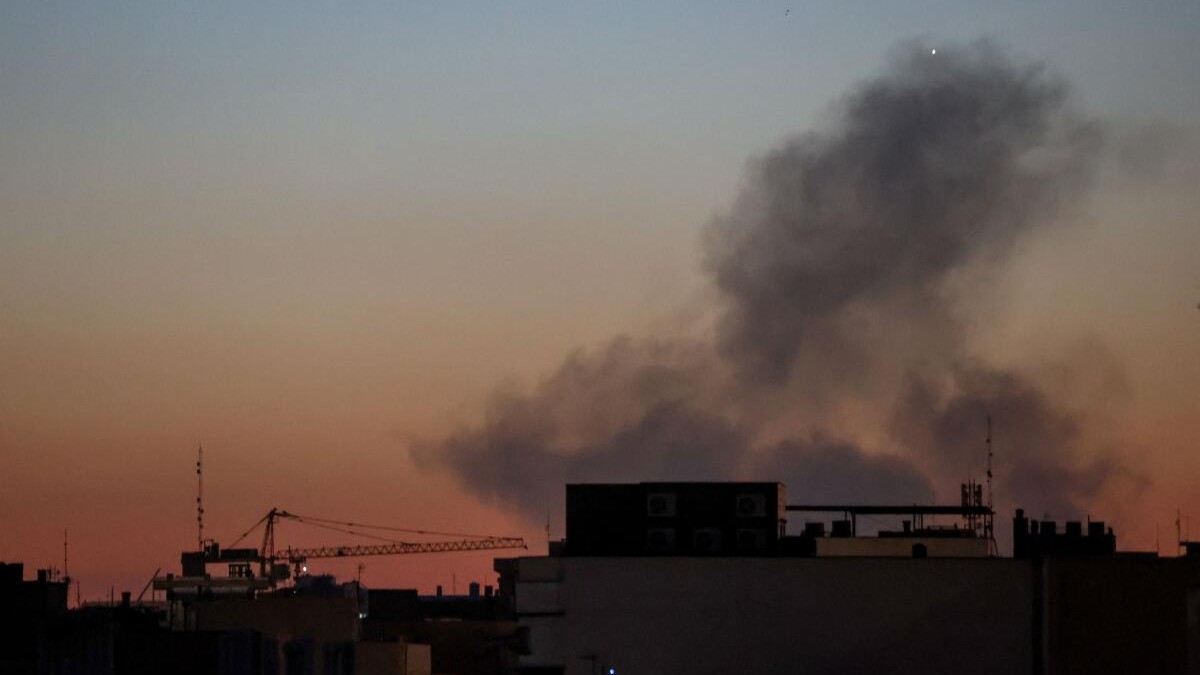
The controlled ammunition disposal operation in eastern Tehran province, reported by Iranian media, reflects ongoing security management in a region critical to global supply chains and cross-border e-commerce logistics. While framed as a routine controlled demolition, such incidents underscore the geopolitical volatility affecting sellers sourcing from or shipping through Middle Eastern manufacturing and logistics hubs.
Supply Chain Implications for E-Commerce Sellers: Iran remains a significant sourcing region for electronics components, textiles, and specialty chemicals used in consumer products sold globally. The incident highlights infrastructure stress and security protocols that can impact shipping timelines, customs clearance delays, and logistics costs. Sellers relying on Iranian suppliers or routing shipments through regional corridors (particularly affecting EU-to-Asia routes via Middle Eastern transit points) face potential 5-15% cost increases and 2-4 week delays during periods of heightened security operations.
Market-Specific Impact: For sellers in electronics, home goods, and apparel categories sourcing from Iran or neighboring countries, security incidents trigger automatic compliance reviews by major platforms (Amazon, eBay, Shopify) and customs authorities. This creates operational friction: increased documentation requirements, longer clearance times at ports, and potential inventory holding costs. Sellers with inventory in transit during such events report 10-20% margin compression due to extended fulfillment timelines and expedited shipping premiums.
Regional Logistics Context: The incident occurs amid broader Middle Eastern supply chain pressures. Sellers shipping to or from Iran-adjacent markets (UAE, Iraq, Turkey) experience spillover effects—heightened security screening, insurance premium increases (typically 8-12% for high-risk regions), and carrier reluctance to service certain routes. This is particularly acute for sellers using 3PL providers or freight forwarders dependent on regional corridors.
Competitive Intelligence: Major sellers have already diversified sourcing away from Iran-dependent supply chains, shifting to Vietnam, India, and Mexico. This creates a window for smaller sellers to either: (1) accelerate similar diversification to reduce geopolitical exposure, or (2) capitalize on temporary supply constraints by sourcing remaining inventory at lower costs before broader market adjustments occur.
The incident serves as a reminder that geopolitical events—even routine security operations—create measurable friction in cross-border commerce. Sellers should monitor regional security developments as leading indicators of supply chain disruption, not as background noise.
Questions 7
What early warning signals should sellers monitor to anticipate supply chain disruptions?
Track regional security incidents, customs authority announcements, and carrier service advisories through your 3PL provider's risk dashboard. Monitor shipping rate indices for Middle East corridors (typically increase 5-10% within 48 hours of security events) and insurance premium quotes. Subscribe to trade compliance alerts from your platform (Amazon Seller Central, Shopify) and set up Google Alerts for 'Iran customs' and 'Middle East shipping delays.' Review your supply chain quarterly and stress-test for 2-4 week delays.
How do security incidents in Iran affect cross-border sellers sourcing from the region?
Security operations like controlled ammunition disposal trigger automatic compliance reviews by Amazon, eBay, and Shopify, requiring enhanced documentation and customs verification. Sellers sourcing electronics, textiles, or chemicals from Iran typically experience 2-4 week shipping delays and 5-15% cost increases due to heightened security screening and insurance premiums. Immediate action: audit your supplier list for Iran-based vendors and identify alternative sourcing within 30 days to avoid Q1 inventory shortages.