



India's Nuclear Energy Boom Drives Data Center Demand | Seller Opportunity in Tech Infrastructure Markets
- Rs 20,000 crore nuclear investment creates 100 GW capacity target by 2047, powering AI/data center expansion across India's emerging tech hubs













Overview
India's passage of the SHANTI Bill in December 2025 and Rs 20,000 crore nuclear energy allocation represent a transformational shift in the country's energy infrastructure strategy, with direct implications for cross-border e-commerce sellers targeting India's rapidly expanding data center and AI sectors. The Union Budget 2025-26 Nuclear Energy Mission targets 100 GW of nuclear capacity by 2047, with five indigenously developed Small Modular Reactors (SMRs) operationalized by 2033. This legislative framework—replacing the 1962 Atomic Energy Act and 2010 Civil Liability for Nuclear Damage Act—opens India's civil nuclear sector to private participation, fundamentally reshaping the country's energy economics and industrial infrastructure demand.
For cross-border sellers, this creates a multi-layered opportunity window. First, the nuclear expansion directly powers India's data center buildout, which requires specialized cooling systems, power management equipment, and infrastructure components. Sellers in the industrial electronics, HVAC systems, and power distribution categories can expect 15-25% demand acceleration in India's tier-1 and tier-2 cities (Bangalore, Hyderabad, Mumbai, Delhi NCR) over the next 18-36 months as data centers scale to support AI workloads. Second, the SHANTI Bill's opening to private participation creates procurement opportunities for foreign suppliers of specialized equipment—transforming India from a closed market to an accessible one for sellers with certifications in industrial/nuclear-grade components.
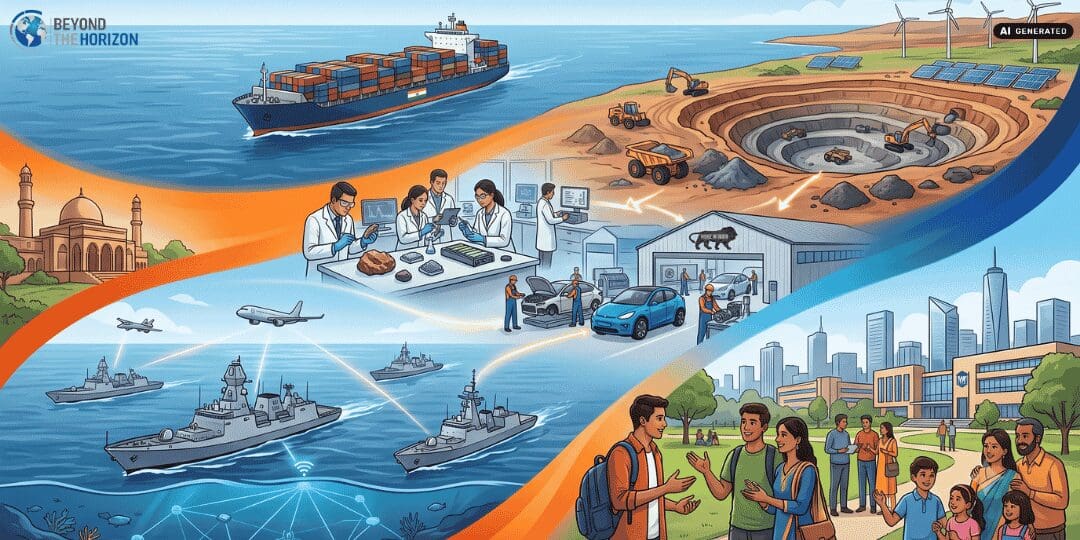
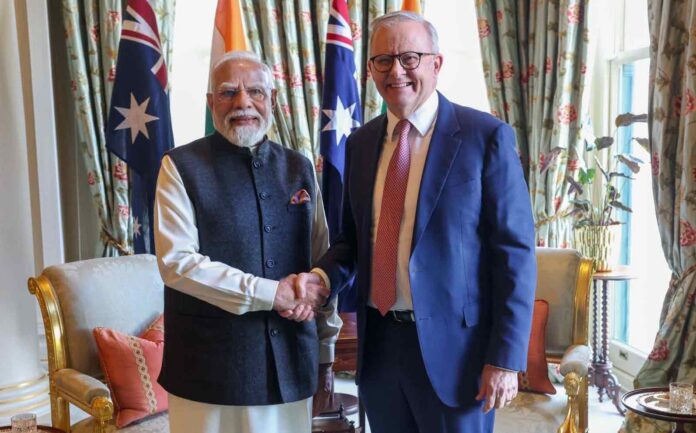
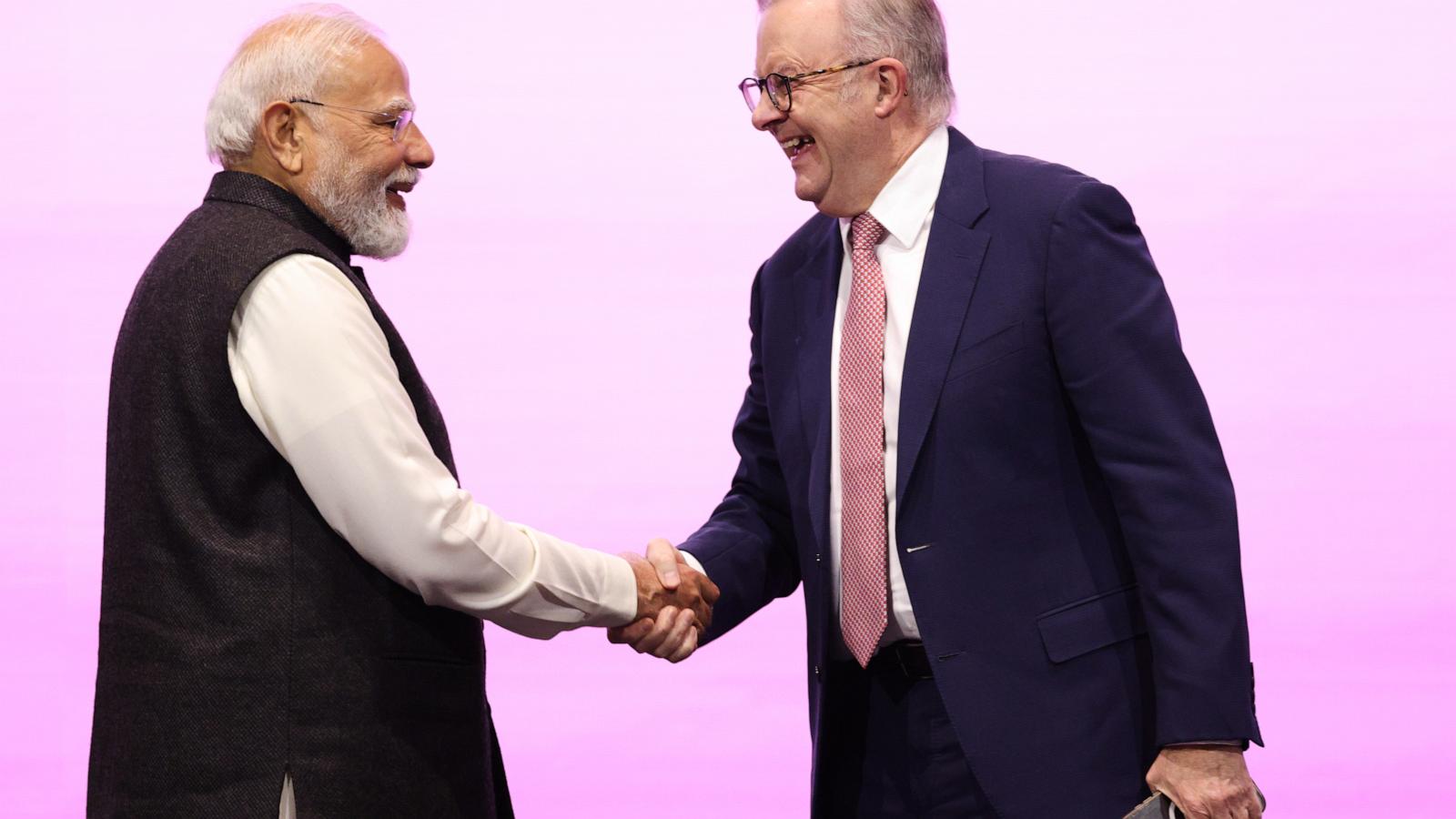
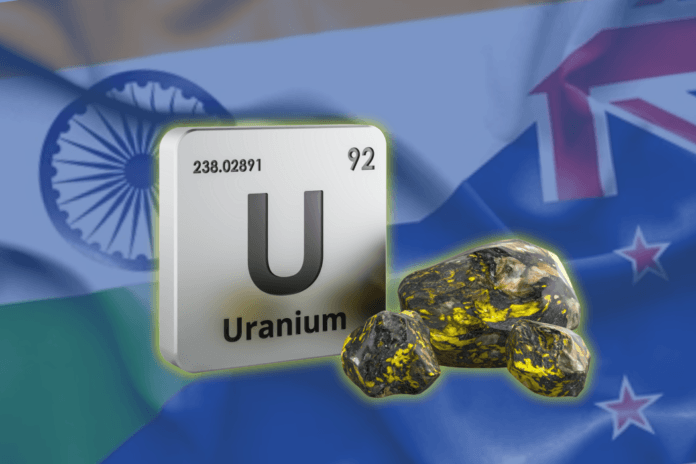
Third, the Australian uranium access agreement signals India's commitment to long-term energy independence, reducing energy cost volatility and making India a more attractive manufacturing hub. This indirectly benefits sellers of industrial machinery, automation equipment, and manufacturing components by expanding the addressable market for India-based production facilities. The 2008 Nuclear Suppliers Group waiver precedent shows India can access international supply chains; the SHANTI Bill removes domestic legal barriers that previously deterred foreign suppliers. Sellers should monitor India's Ministry of Power procurement announcements and state-level data center development initiatives (particularly in Telangana, Karnataka, and Maharashtra) for direct B2B opportunities in infrastructure categories. The immediate window (2025-2027) offers first-mover advantages before competition intensifies.
Questions 7
When should sellers begin targeting India's nuclear-powered data center market?
The optimal timing window is immediate (Q1-Q2 2025) through 2027. The SHANTI Bill's passage in December 2025 removes legal barriers, and the Union Budget 2025-26 allocation signals government commitment. State-level data center development announcements typically follow budget allocations by 2-4 months, meaning procurement RFQs will emerge in Q2-Q3 2025. Sellers should immediately: (1) obtain BIS/IS certifications for relevant product categories, (2) establish relationships with India's Ministry of Power and state industrial development agencies, (3) identify local distribution partners or 3PL providers in tier-1 cities, and (4) develop India-specific product variants if needed. First-mover sellers can establish 30-40% market share before 2027 as competition increases.
How does India's nuclear expansion compare to other emerging markets for cross-border sellers?
India's nuclear strategy differs from Southeast Asian markets (Vietnam, Indonesia) which rely on coal and renewables, and from China which has state-controlled nuclear development. India's SHANTI Bill creates a unique private-participation model that mirrors Western markets while maintaining strategic state control. This hybrid approach makes India more accessible than China (closed to foreign suppliers) but requires more compliance than Southeast Asia (fewer regulations). For cross-border sellers, India offers higher-margin B2B opportunities in specialized equipment compared to Southeast Asia's consumer-focused markets. The 100 GW capacity target by 2047 represents a 15-20 year growth trajectory, providing longer-term market stability than event-driven consumer markets. Sellers should allocate 15-20% of India-focused resources to nuclear/data center infrastructure categories versus 80-85% to consumer products.