





Space Mirror Satellite Approval Signals Regulatory Shift Toward Innovation-First Policy | Seller Implications for Emergency Response & Logistics Markets
- FCC prioritizes space tech innovation over environmental concerns; 50,000-satellite constellation planned by 2035 creates supply chain opportunities for emergency lighting, construction equipment, and disaster response merchandise








Overview
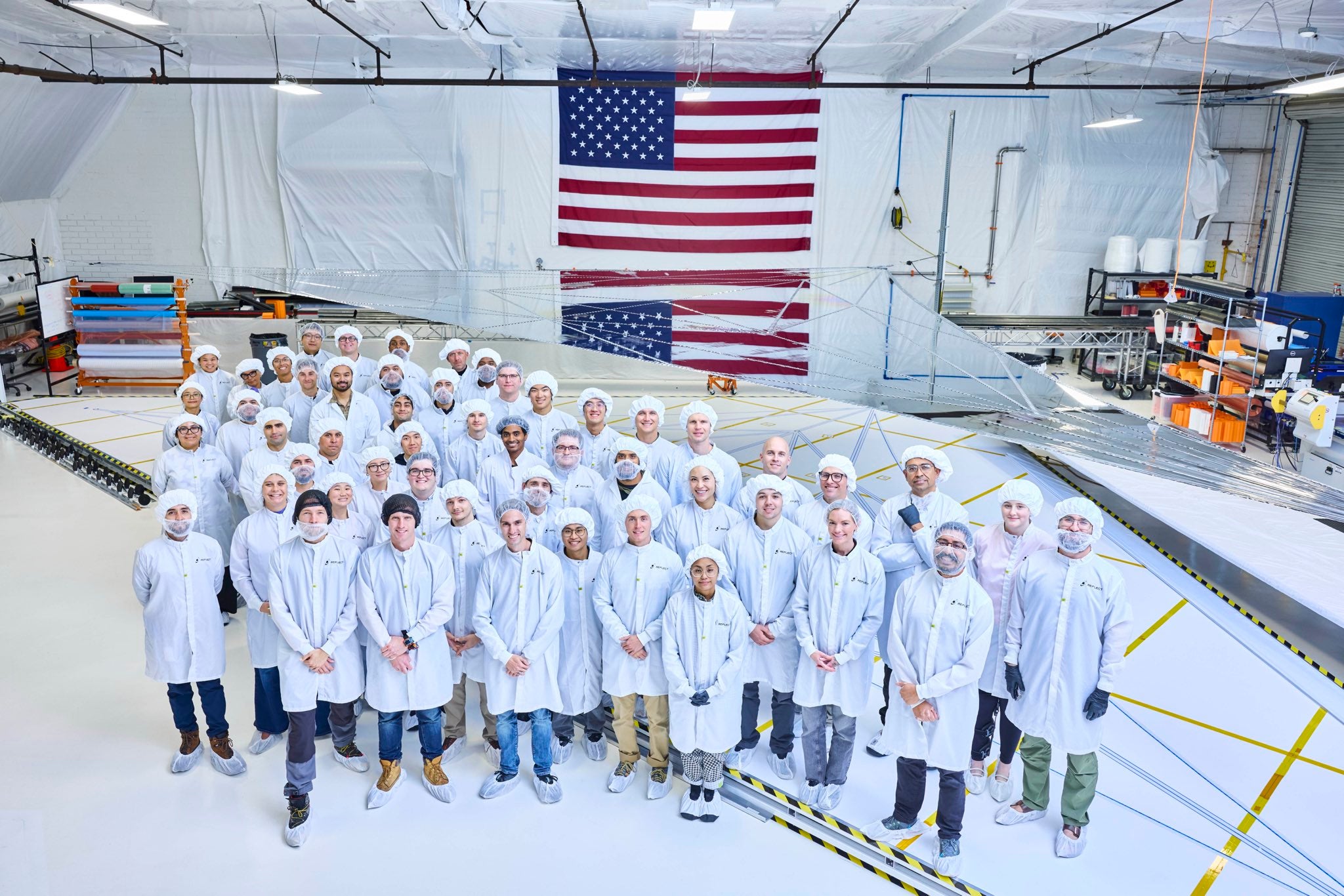
The Federal Communications Commission's approval of Reflect Orbital's Eärendil-1 satellite on July 9, 2024, represents a pivotal regulatory decision that prioritizes technological innovation over environmental and scientific objections—a pattern with significant implications for cross-border sellers in emerging infrastructure markets. The 142-kilogram satellite, featuring an 18-meter thin-film reflector positioned at 600-650 kilometers altitude, will test sunlight reflection technology capable of illuminating 3-mile-wide ground areas for several minutes. Despite receiving nearly 1,900 critical comments from astronomers and environmental groups (including the International Astronomical Union and Dark Sky Association), the FCC determined that astronomical and environmental concerns fell outside its regulatory jurisdiction, focusing instead on radio spectrum management and American economic growth.
This regulatory precedent signals a fundamental shift in how government agencies evaluate space-based infrastructure projects. The approval demonstrates that innovation-first frameworks now supersede comprehensive environmental assessments for orbital constellation projects. Reflect Orbital's vision of operating 50,000 satellites by 2035 creates a multi-billion-dollar infrastructure market with direct applications in construction site lighting, search-and-rescue operations, solar farm enhancement, and disaster response—all sectors where cross-border sellers can capitalize on emerging demand. The company's stated applications align with high-margin product categories: emergency lighting equipment, construction site safety gear, solar energy accessories, and disaster response supplies.
For e-commerce sellers, this approval pattern mirrors regulatory decisions affecting SpaceX's orbital data center constellation (which generated 1,500 comments) and signals accelerating approval timelines for space-based infrastructure projects. The FCC's decision to exclude environmental impact assessment from its review process suggests future approvals will move faster, creating compressed windows for sellers to position products in emerging categories. Sellers in construction equipment, emergency response supplies, and renewable energy accessories should monitor Reflect Orbital's deployment timeline (end of 2026 for initial satellite launch) and the company's supply chain partnerships. The 10,000-square-kilometer coverage area in initial test phases indicates regional demand concentration—likely targeting US construction hubs, disaster-prone areas, and solar farm clusters in California, Texas, and the Southwest.
The regulatory approval also reflects growing government interest in space-based infrastructure as a strategic economic priority. The FCC's emphasis on "encouraging innovative space technology testing and American economic growth" suggests future policies will favor domestic space companies and their supply chains. This creates opportunities for sellers to source specialized equipment from emerging aerospace suppliers or develop complementary products (safety gear, monitoring equipment, installation services) that support the broader space infrastructure ecosystem. The mandatory monitoring requirements and provisions for immediate termination if adverse effects are documented indicate ongoing regulatory oversight, but the approval's speed and scope suggest the FCC views space-based infrastructure as a strategic advantage worth regulatory risk.
Questions 8
What is Reflect Orbital's space mirror satellite and how does it work?
Reflect Orbital's Eärendil-1 is a 142-kilogram satellite featuring an 18-meter thin-film reflector positioned at 600-650 kilometers altitude in low Earth orbit. The satellite reflects concentrated sunlight to specific ground areas during twilight hours, creating illuminated zones approximately 3 miles wide that can last several minutes. The technology operates by capturing solar radiation when the sun remains above the horizon but ground-level darkness has begun, effectively creating artificial daylight without ground-based infrastructure. The FCC approved the test satellite for launch by end of 2026, with the company planning to eventually operate thousands of similar spacecraft for construction lighting, search-and-rescue operations, and solar farm enhancement.
Why did the FCC approve the satellite despite 1,900 critical comments?
The FCC determined that astronomical and environmental concerns fell outside its regulatory jurisdiction, as the agency primarily focuses on radio spectrum management rather than environmental impact assessment. The agency concluded that approving the satellite serves the public interest by encouraging innovative space technology testing and American economic growth. The FCC cited the Communications Act's policy of encouraging new technologies and services to the public. The approval includes mandatory monitoring requirements and provisions for immediate termination if adverse effects are documented, but the agency prioritized innovation advancement over environmental and scientific protection concerns raised by the International Astronomical Union, Dark Sky Association, and environmental groups.