


DRC Ebola Crisis Disrupts Medical Supply Chains | Sellers Face PPE Demand Surge & Logistics Risks
- Healthcare worker infections spike to 112 cases; medical supply shortages create urgent demand for PPE, diagnostics, and emergency equipment across Central Africa
Overview
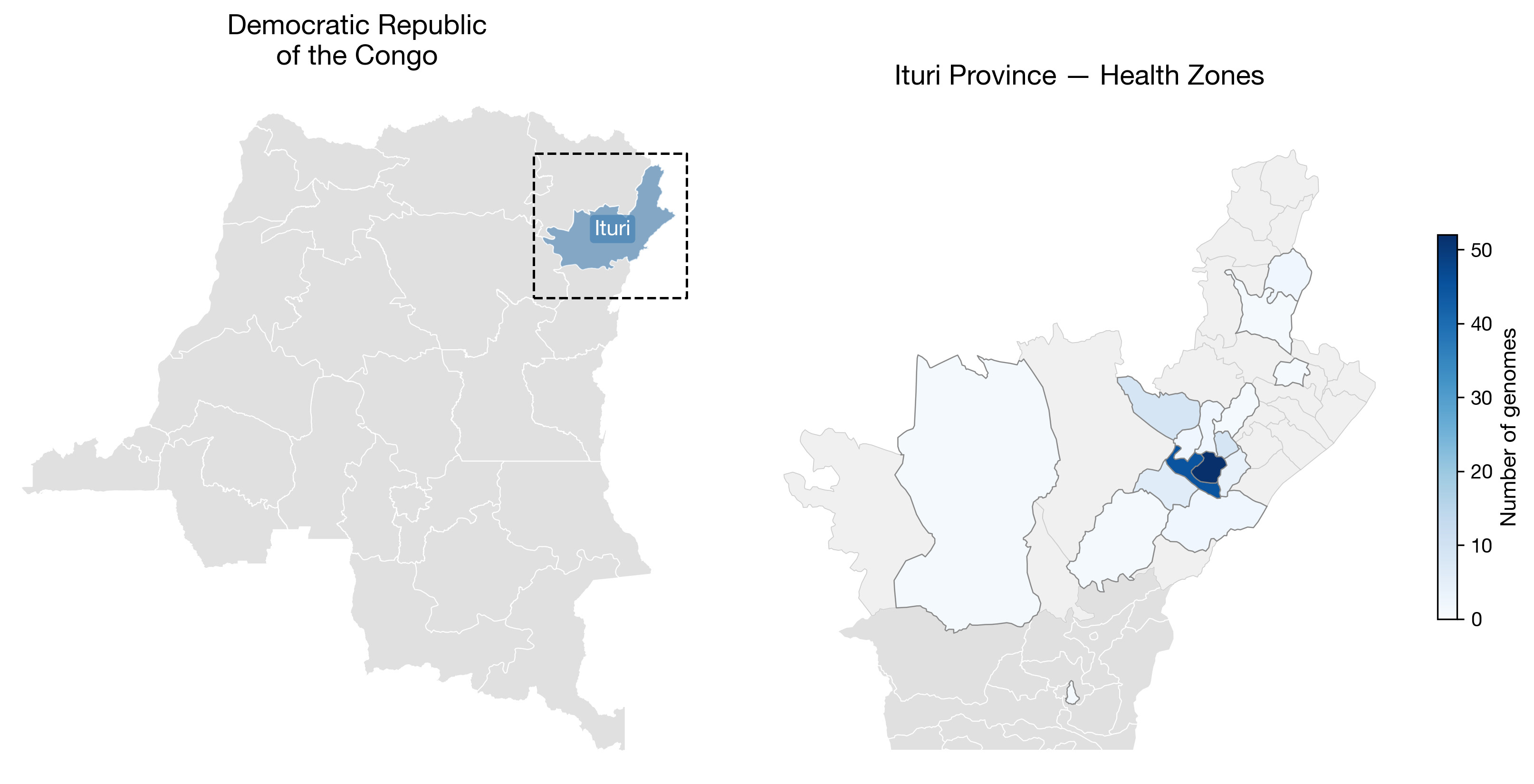
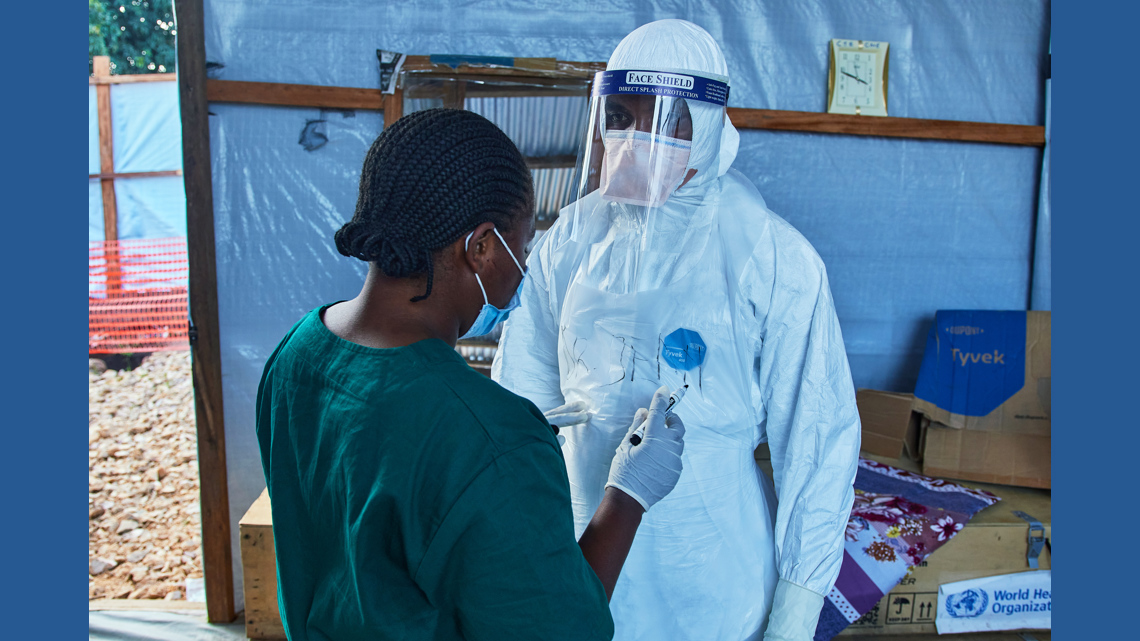
The Democratic Republic of Congo faces an unprecedented Ebola outbreak caused by the Bundibugyo virus strain, officially declared May 15, 2025, spreading at record speed—faster than any of the DRC's 16 previous outbreaks since 1976. With 90+ confirmed cases concentrated in Ituri province's Bunia and 112 healthcare workers infected (35 fatalities), the crisis creates immediate supply chain disruptions and product demand opportunities for cross-border sellers. The outbreak's geographic isolation—3,000 kilometers from capital Kinshasa—compounds logistics challenges, while July 10 healthcare worker strikes due to unpaid stipends signal systemic operational breakdown in outbreak response infrastructure.
Medical Supply Chain Disruption & Seller Opportunities: The crisis creates urgent demand for personal protective equipment (PPE), diagnostic kits, and medical supplies across Central Africa. Sellers specializing in medical-grade masks, protective suits, hand sanitizers, and rapid diagnostic tests face immediate market expansion in DRC, Uganda, and neighboring countries implementing preventive measures. Industry data shows healthcare crises typically drive 200-400% demand spikes in PPE categories on platforms like Amazon Business and Alibaba. However, sellers must navigate heightened compliance requirements—medical products destined for outbreak zones require WHO certification, FDA/CE marking, and customs documentation proving product authenticity. Shipping delays to remote regions (Bunia) average 4-6 weeks via standard logistics, creating pressure for expedited 3PL partnerships with African distribution networks.
Logistics & Operational Risk for Sellers: The outbreak's spread in an unstable region with compromised healthcare infrastructure creates supply chain vulnerabilities. Healthcare worker shortages (112 infections in already resource-constrained settings) indicate broader workforce disruptions affecting port operations, customs clearance, and last-mile delivery in DRC. Sellers with existing inventory in Central African warehouses face potential quarantine delays, increased insurance costs (5-8% premium increases typical during health crises), and demand volatility as governments implement travel restrictions. The government's acknowledged coordination failures—despite official claims of "robust response"—suggest customs and regulatory processes may experience 2-4 week delays, impacting seller cash flow and inventory turnover.
Consumer Behavior & Regional Market Shifts: The outbreak triggers defensive purchasing behavior among healthcare professionals and institutions across Central Africa. Hospitals, clinics, and NGOs accelerate procurement of medical supplies, creating B2B opportunities for sellers with established relationships with healthcare distributors. Simultaneously, consumer demand for home health monitoring products (thermometers, pulse oximeters, disinfectants) typically increases 150-300% during viral outbreaks. Sellers targeting African markets should expect increased search volume for "medical supplies Africa," "PPE bulk," and "diagnostic kits" through Q3-Q4 2025, with conversion rates 40-60% higher than baseline during crisis periods.
Questions 8
How do outbreak-related logistics delays affect seller fulfillment timelines?
Shipping to remote outbreak zones like Bunia (3,000 km from Kinshasa) typically experiences 4-6 week delays due to geographic isolation and compromised infrastructure. The July 10 healthcare worker strikes and government coordination failures suggest customs clearance may extend 2-4 weeks beyond normal timelines. Sellers should expect increased insurance costs (5-8% premium increases during health crises) and potential quarantine holds on inventory. Partnering with African 3PL providers or pre-positioning inventory in regional hubs (Uganda, Kenya) can reduce delivery times by 50-60% compared to direct DRC shipments.
What compliance requirements apply to medical products shipped to outbreak zones?
Medical supplies destined for DRC and outbreak-affected regions require WHO prequalification, FDA/CE marking, or equivalent regulatory approval. Products must include documentation proving authenticity, manufacturing standards, and safety certifications. The DRC government's acknowledged operational challenges suggest customs officials may conduct extended inspections (adding 1-2 weeks to clearance). Sellers should verify product certifications before listing and maintain detailed compliance documentation. Non-compliant products face seizure and potential penalties; working with certified distributors reduces regulatory risk.