


Ryanair Safety Crisis Signals Air Freight Risk for E-Commerce Sellers
- Critical aircraft maintenance failures threaten European logistics networks; sellers using air freight must diversify carriers and implement backup supply chains















Overview
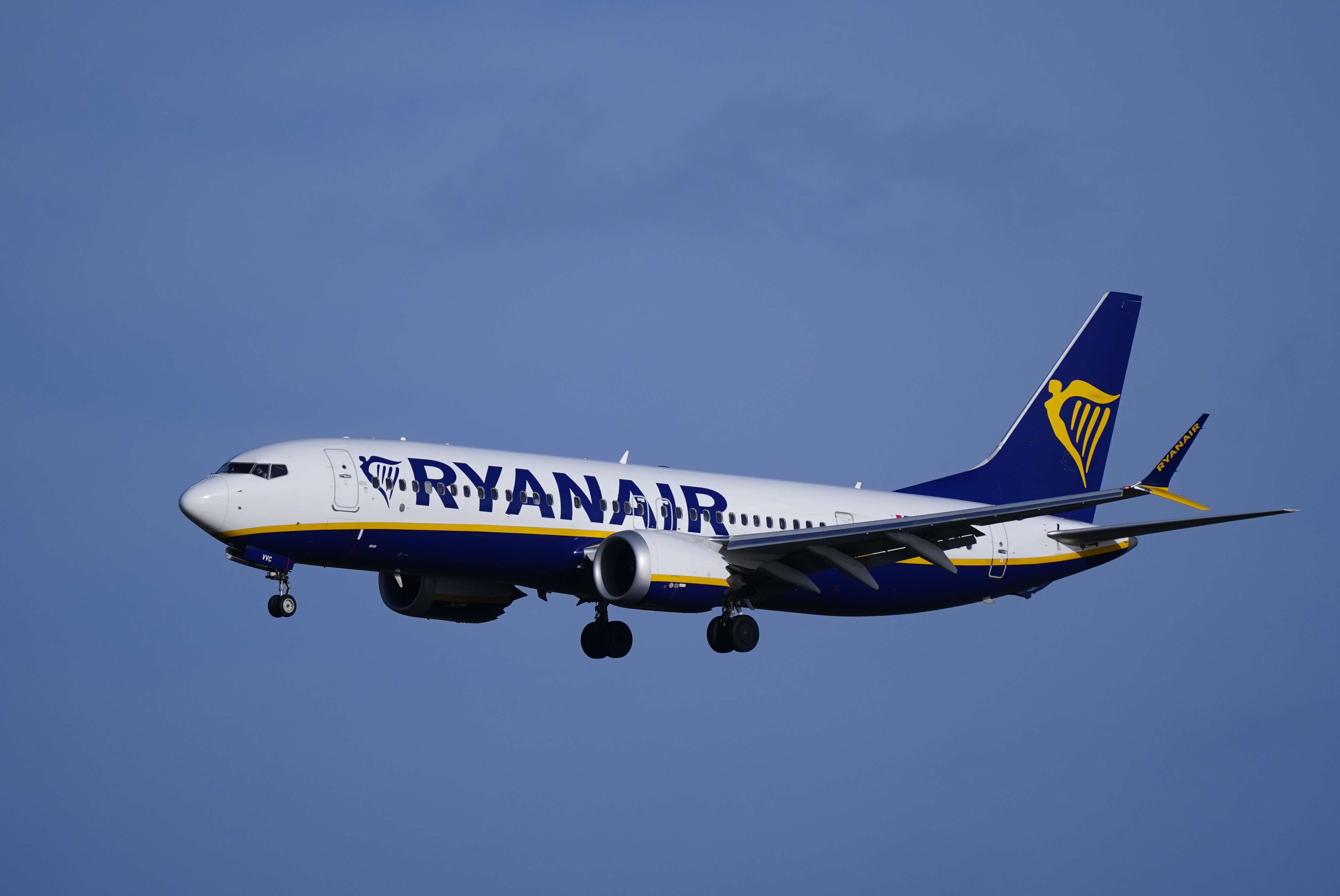
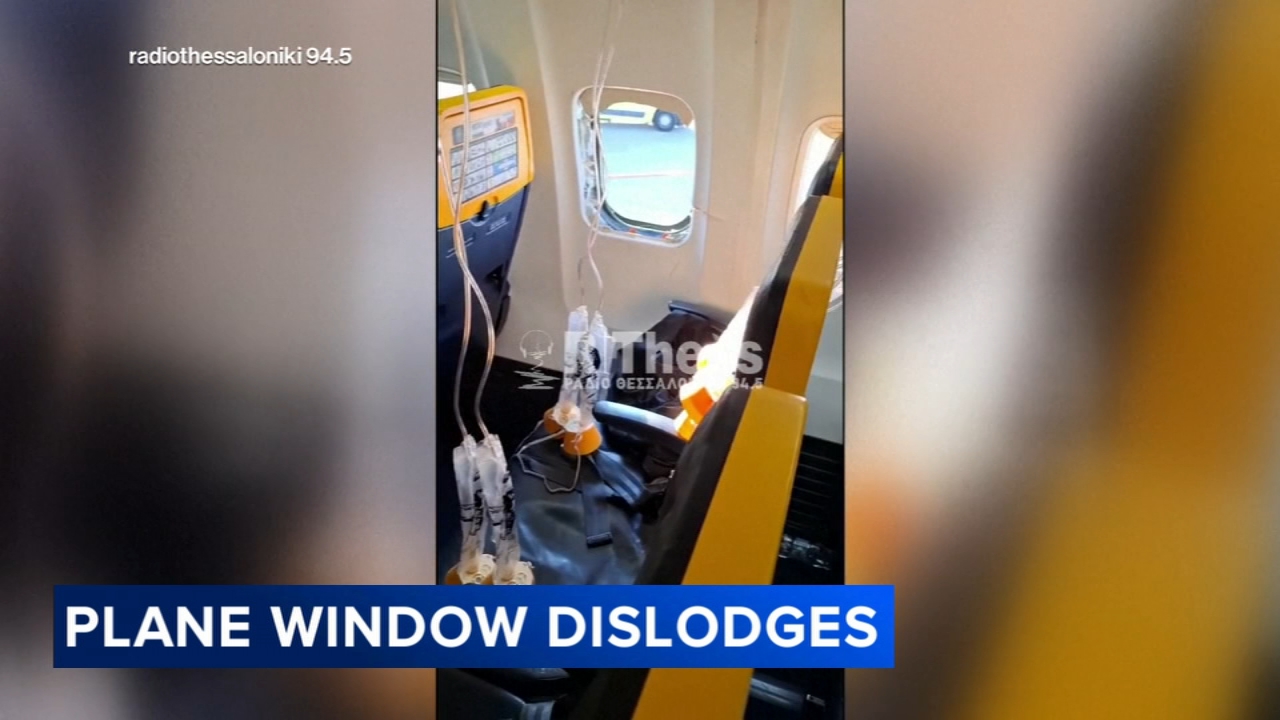
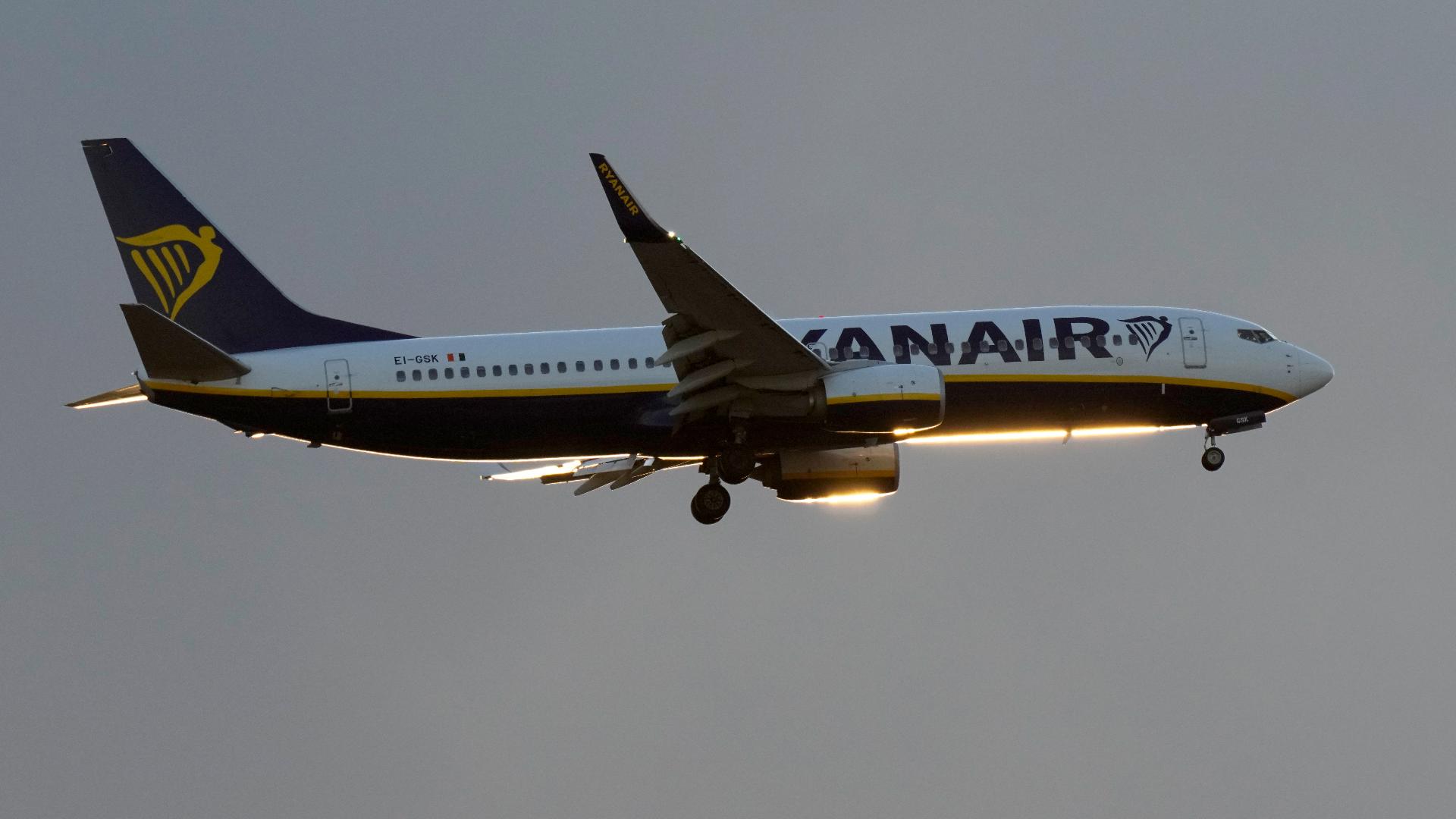
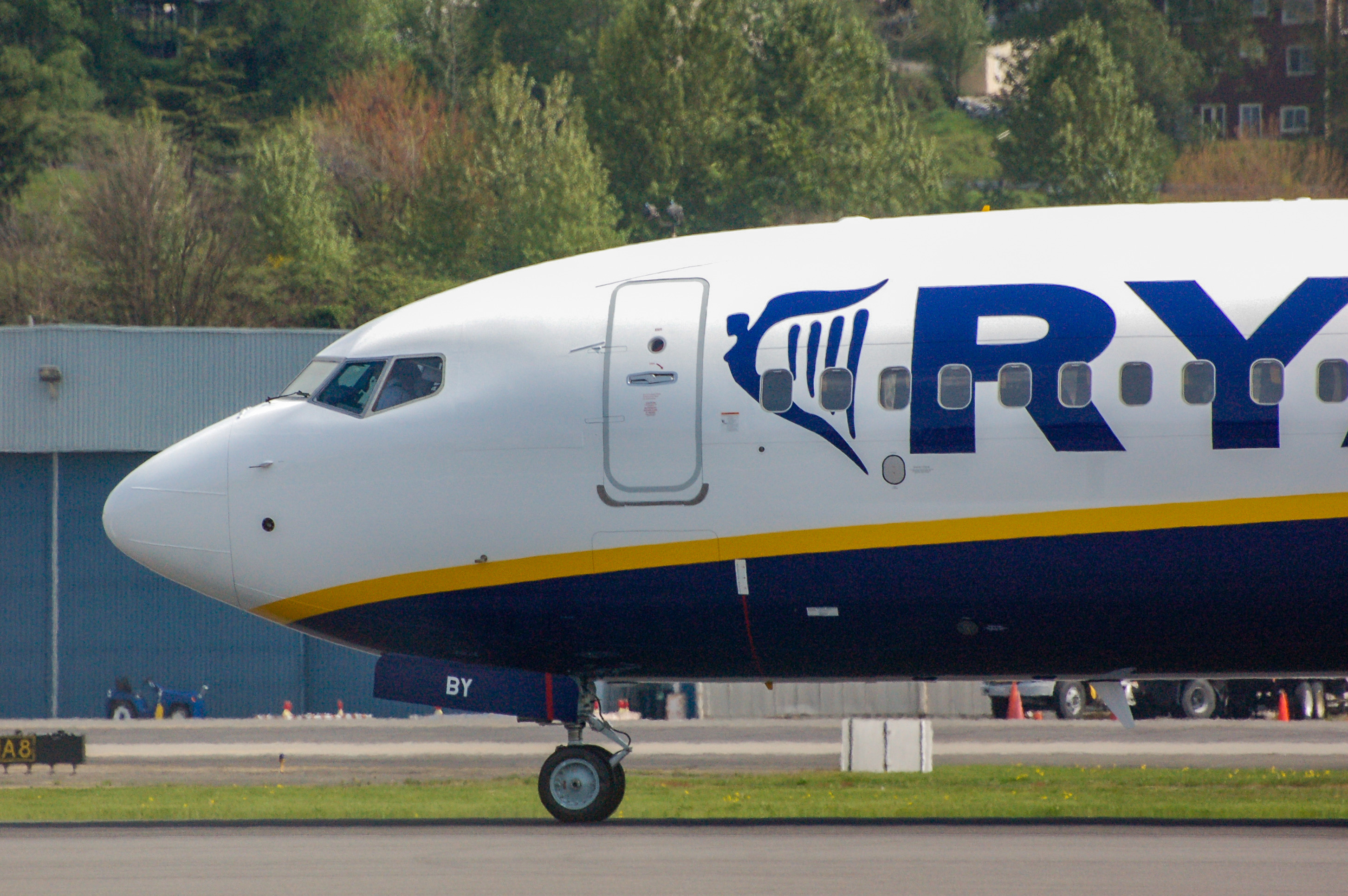
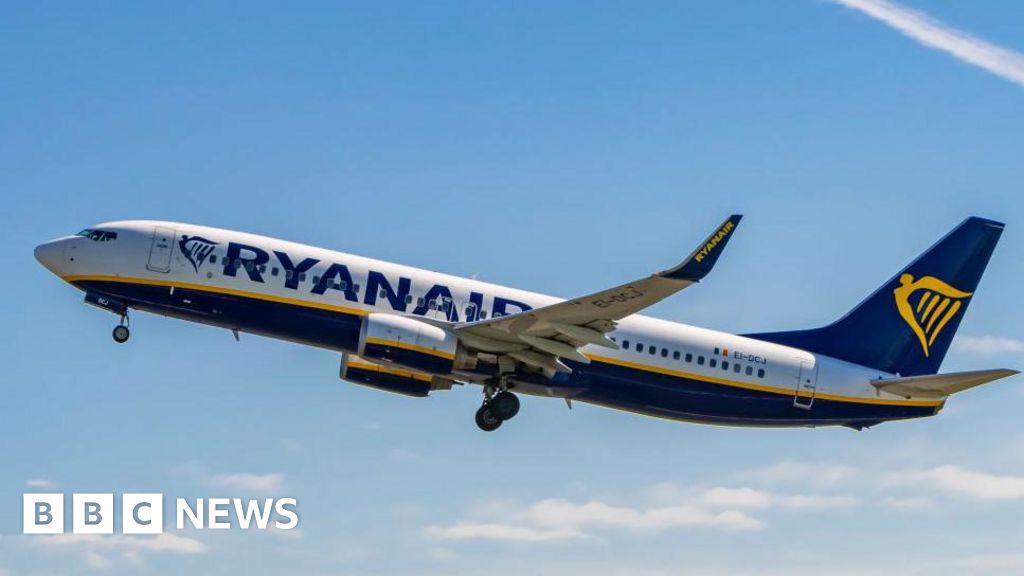
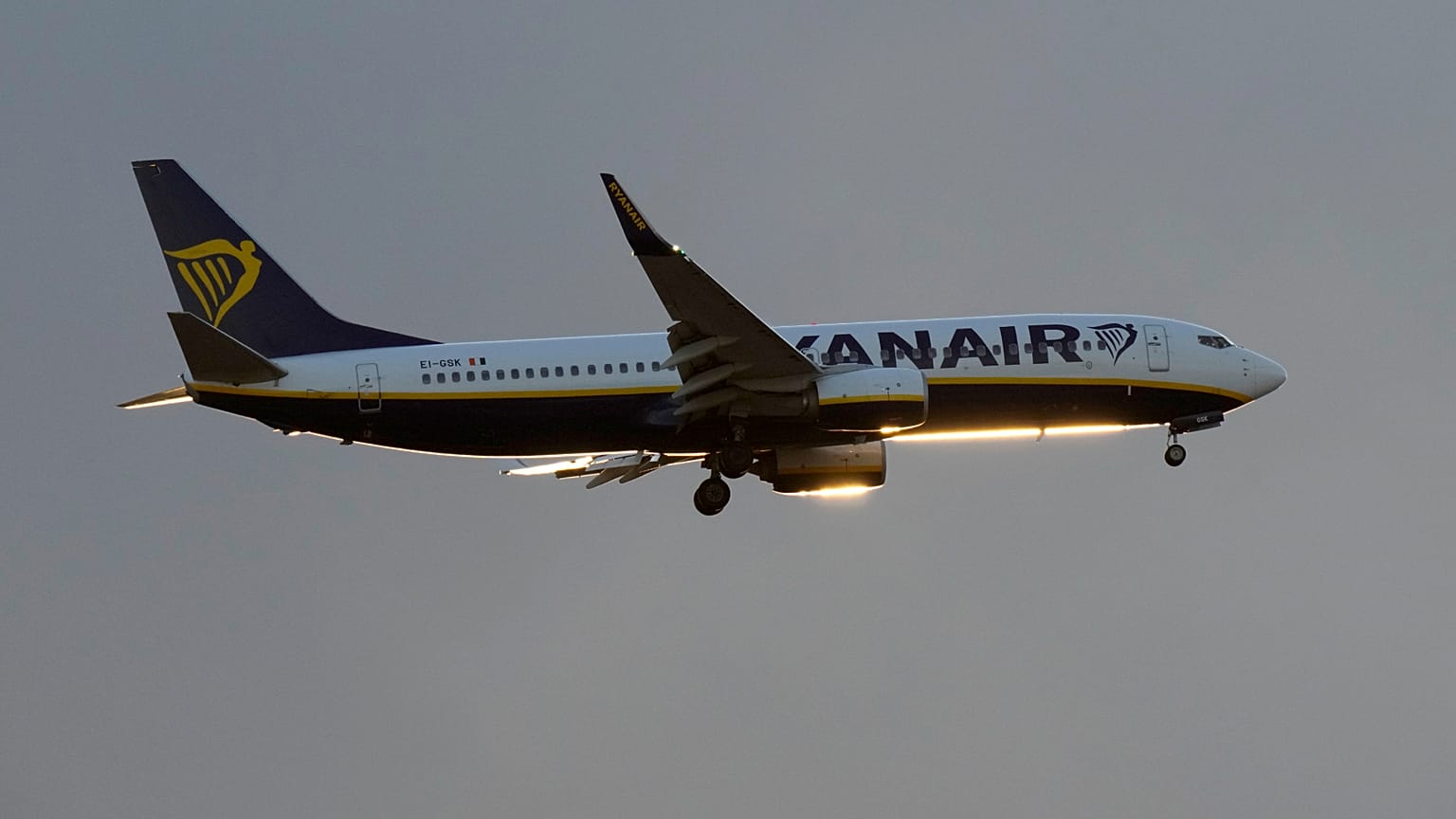
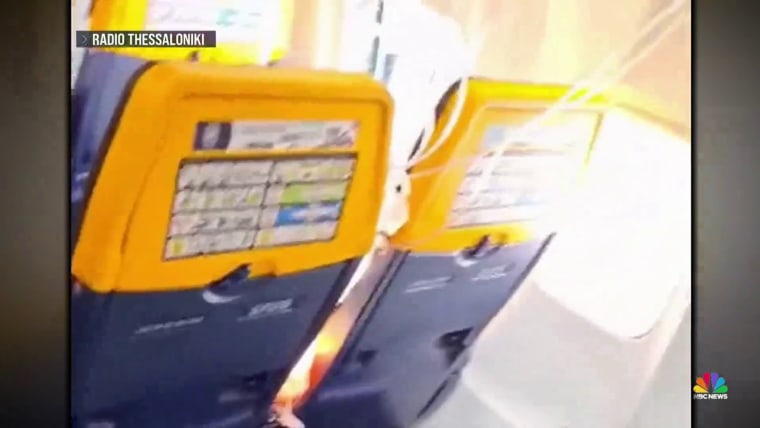
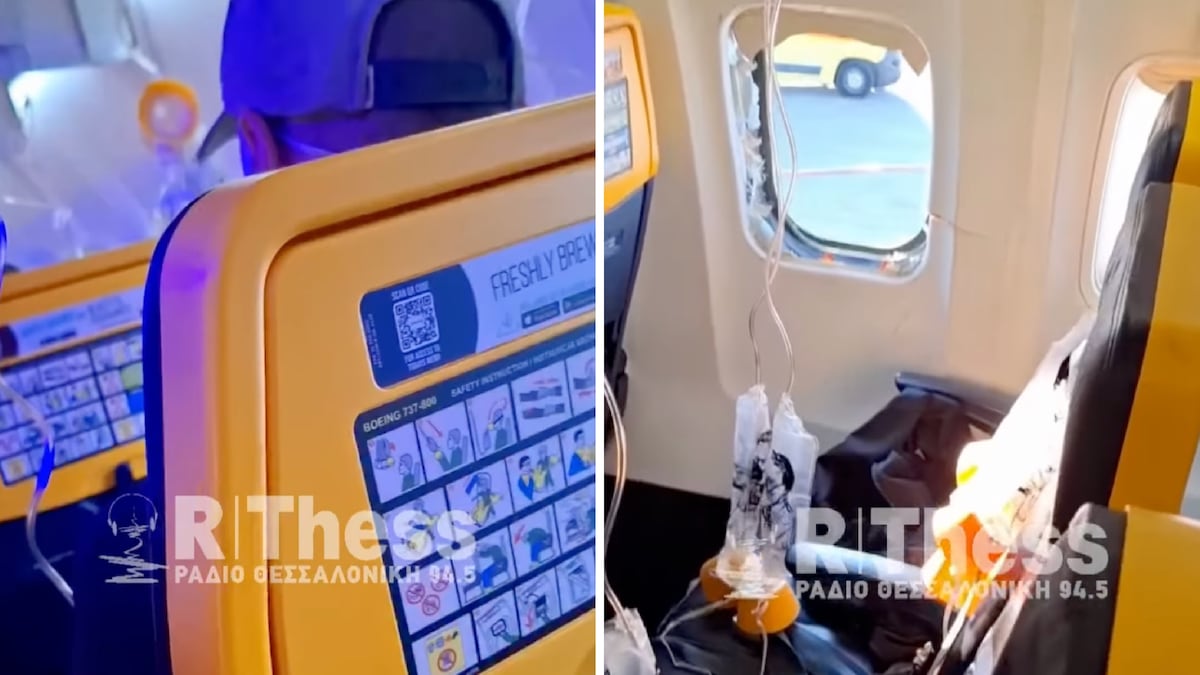
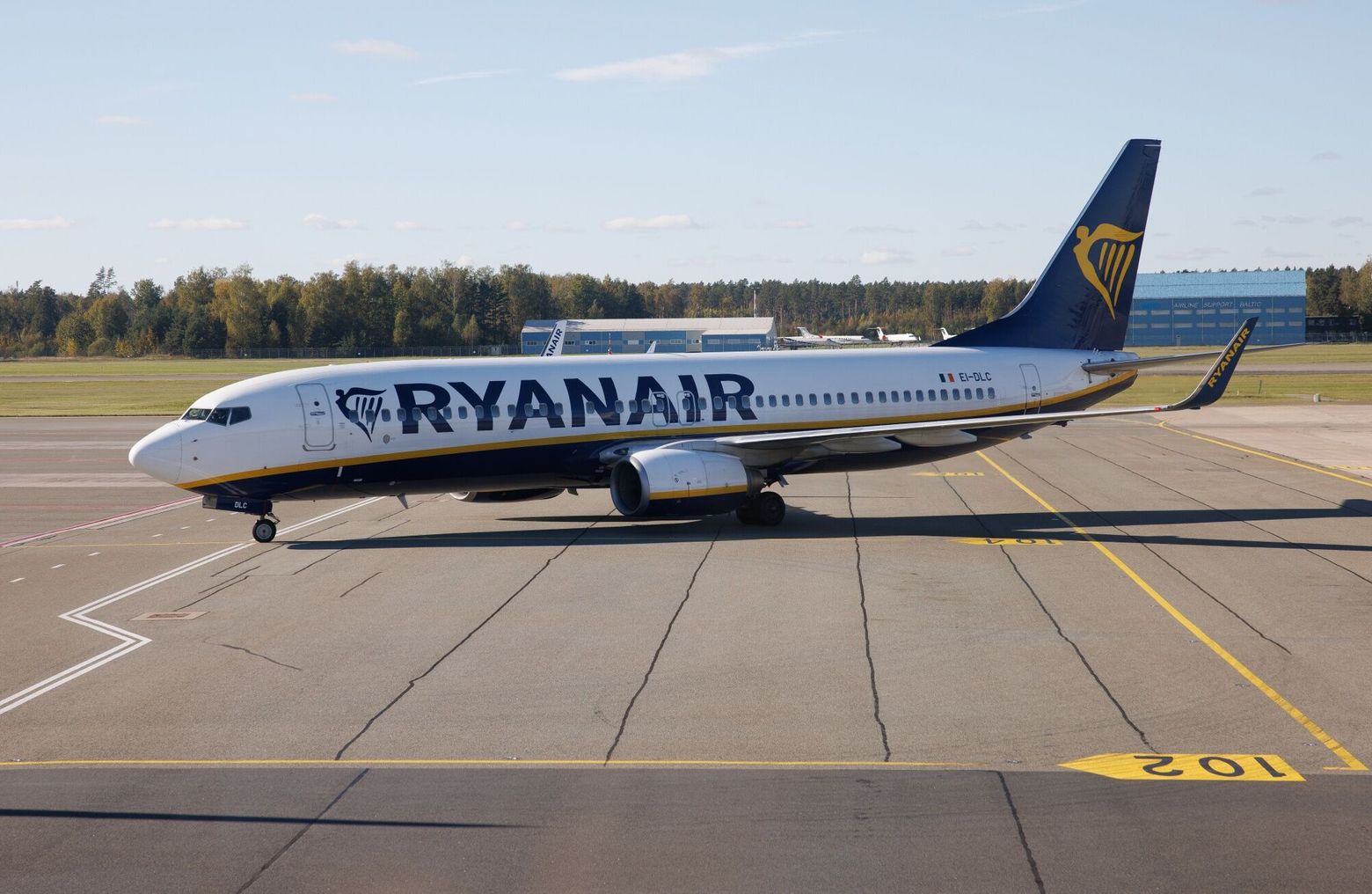
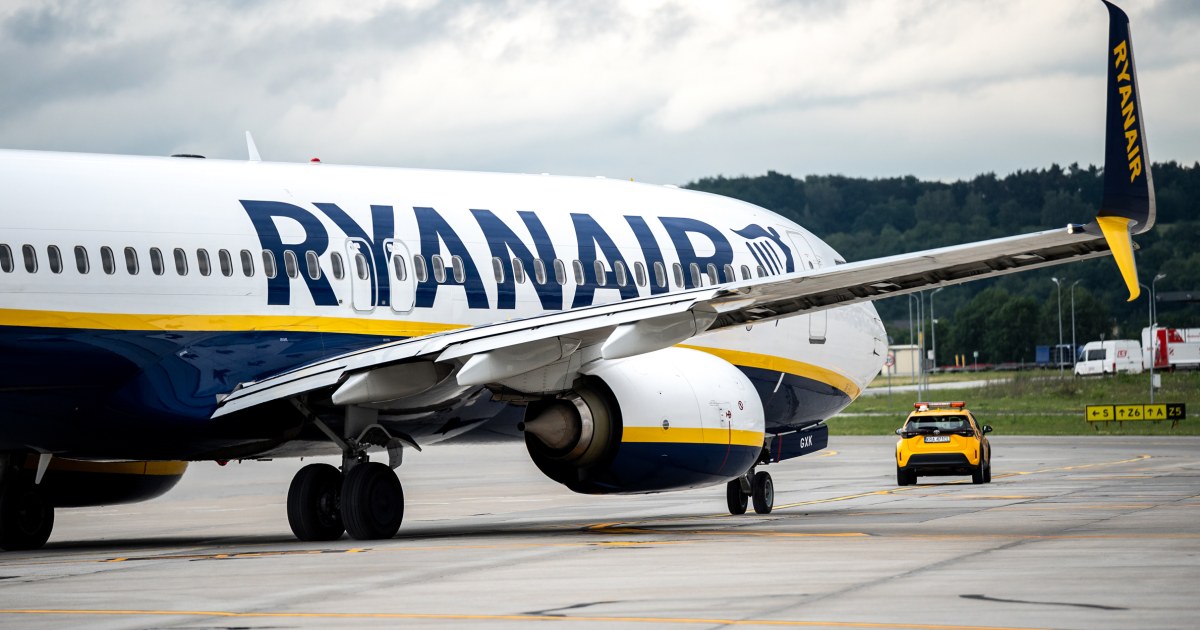
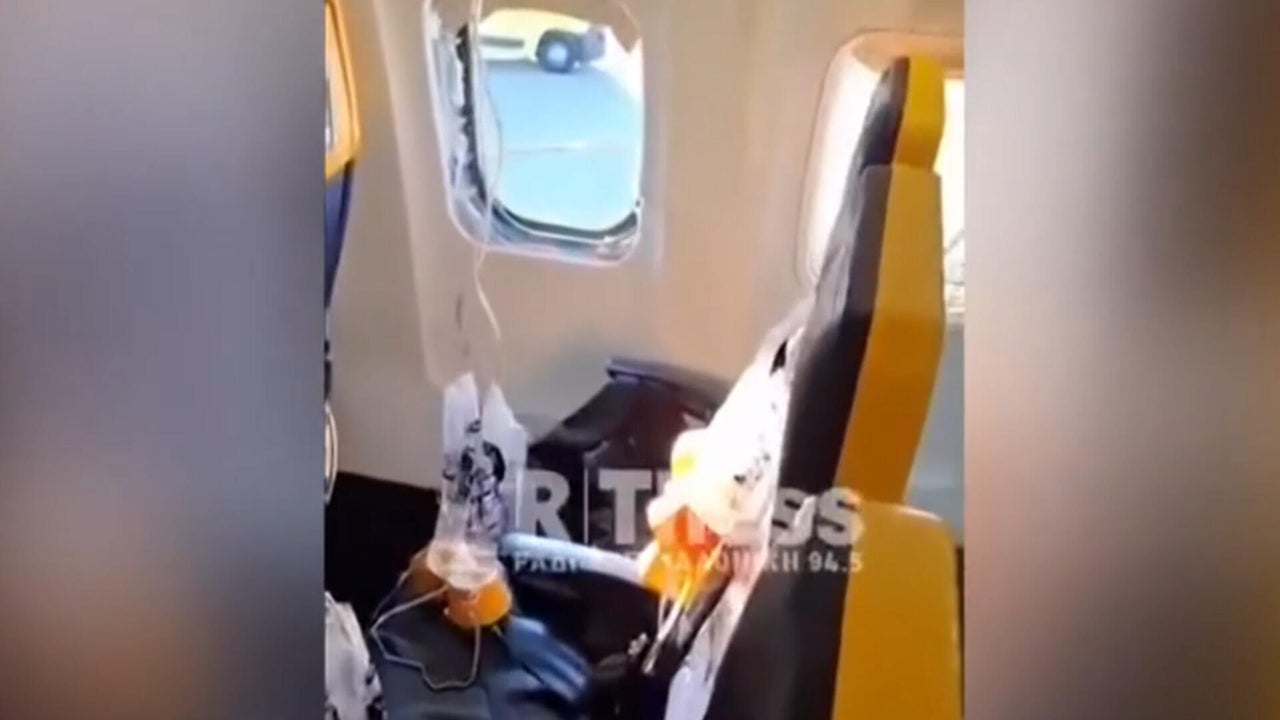
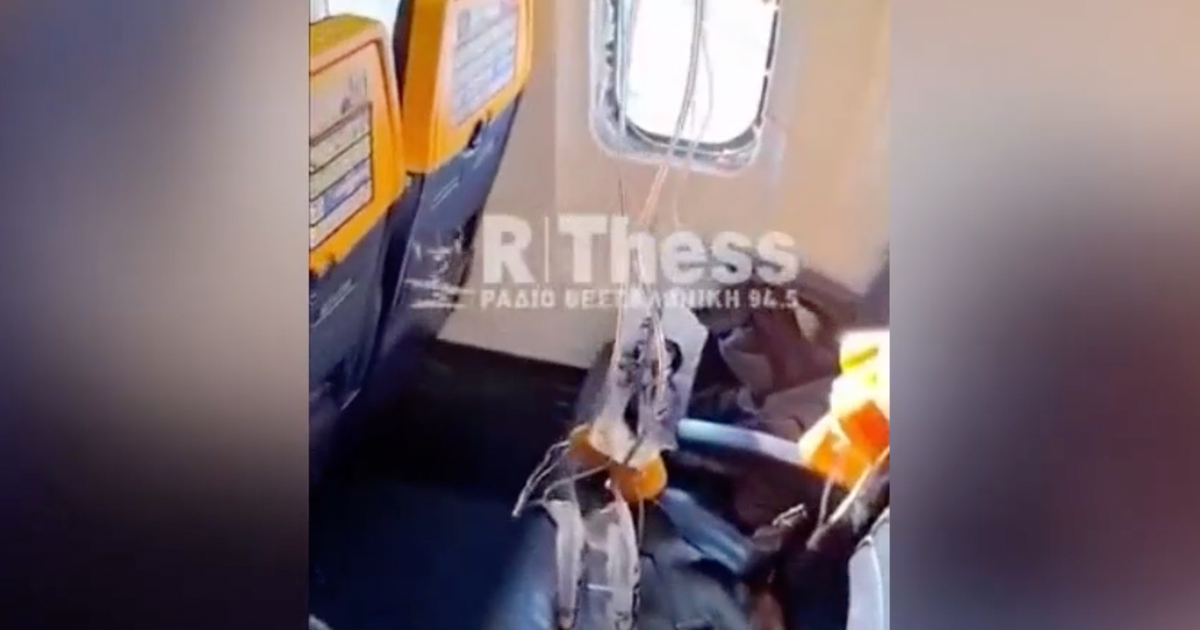
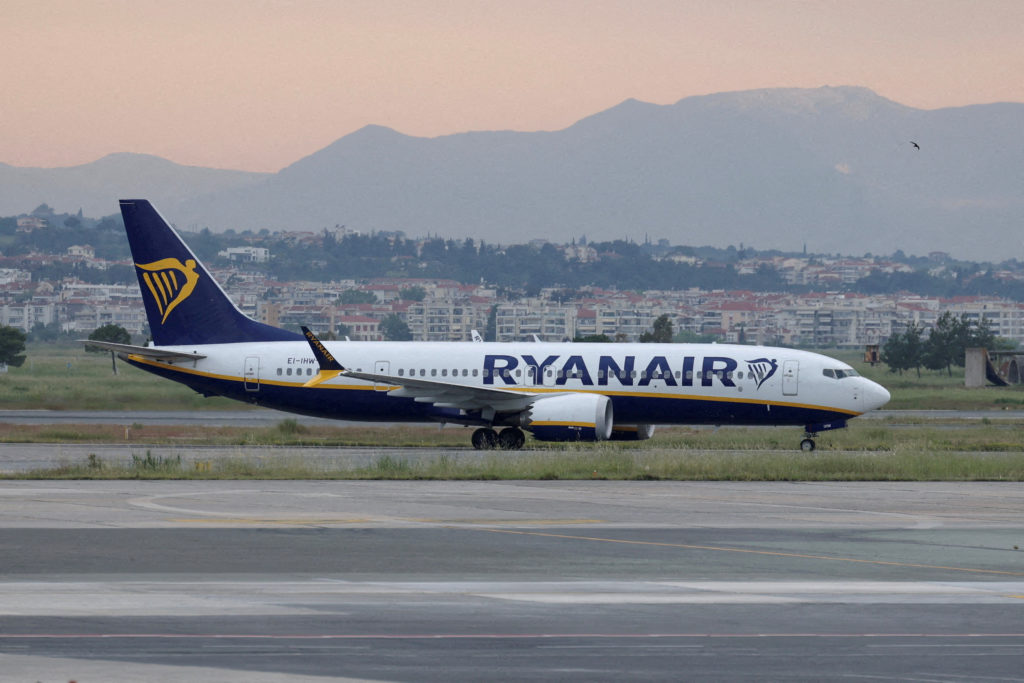
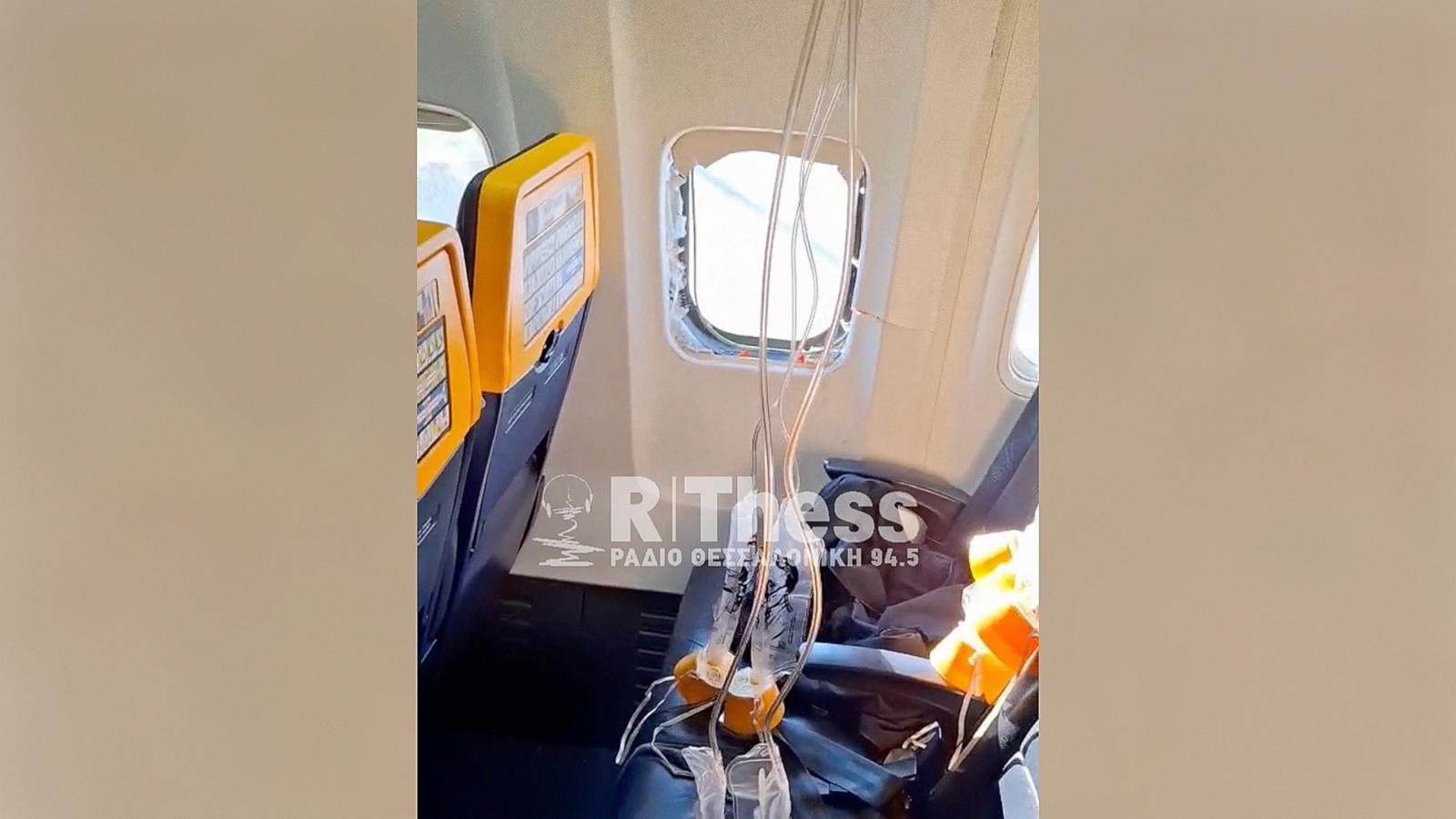
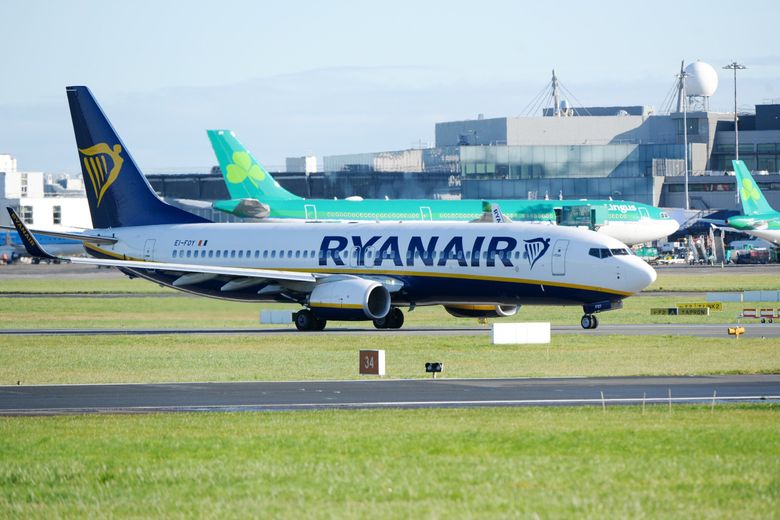
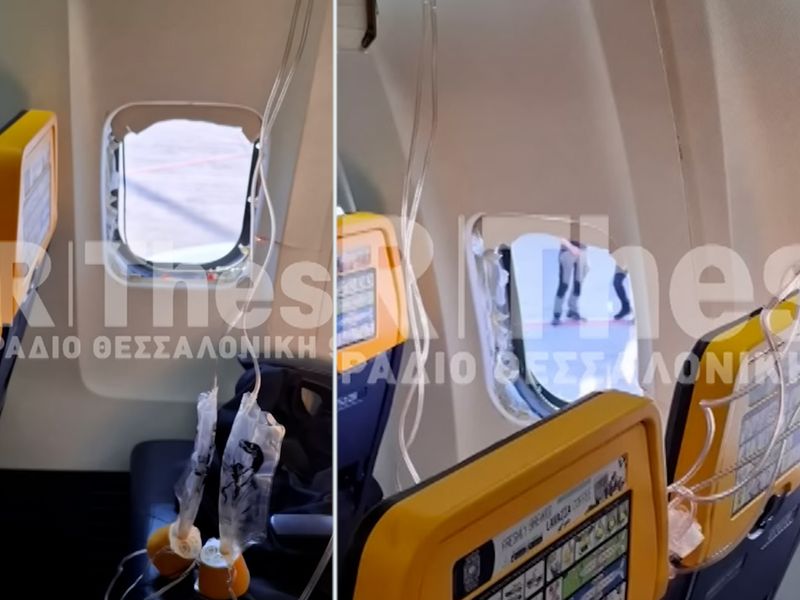
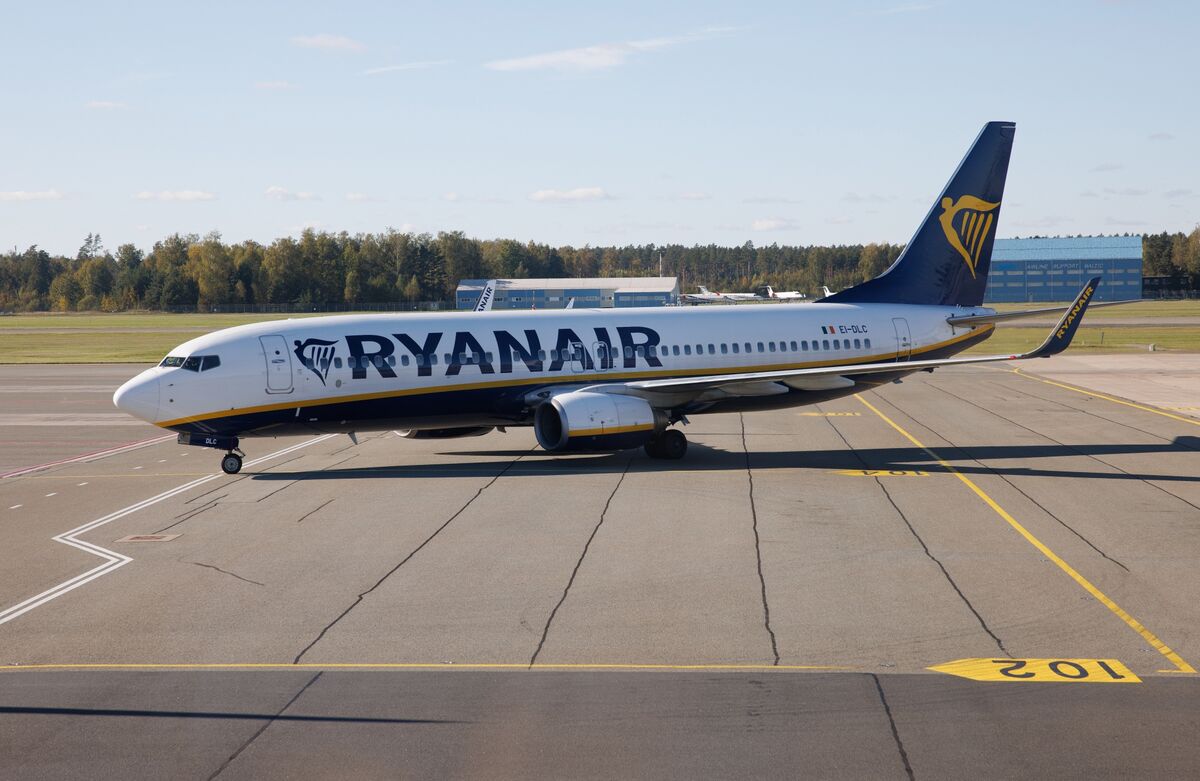
On July 10, 2026, a Ryanair subsidiary flight (FR1879) from Thessaloniki, Greece to Memmingen, Germany experienced a catastrophic window failure at 16,000 feet, nearly ejecting a 61-year-old Serbian passenger. The Boeing 737 operated by Malta Air experienced rapid cabin depressurization, forcing an emergency descent of 9,000 feet within 10 minutes. While the passenger survived with friction burns and shock, the incident reveals systemic aircraft maintenance concerns that directly impact e-commerce logistics networks across Europe.
Critical implications for cross-border sellers: Ryanair and its subsidiaries operate extensive European air freight routes essential for time-sensitive e-commerce shipments. The incident parallels the January 2024 Alaska Airlines Boeing 737 Max 9 door plug blowout (which injured 8 passengers), where investigation revealed manufacturing bolts were removed but never reinstalled—suggesting industry-wide assembly protocol failures. For e-commerce sellers relying on air freight for perishables, electronics, and high-value goods, this incident underscores urgent supply chain vulnerabilities. Greek and Irish aviation authorities launched formal investigations, with regulatory reviews likely triggering operational adjustments and potential temporary service disruptions.
Logistics impact assessment: Sellers shipping time-sensitive inventory via European air freight face three immediate risks: (1) Temporary flight cancellations during investigations (typically 2-4 weeks), (2) Increased insurance premiums and carrier surcharges as safety reviews progress, and (3) Potential fleet groundings if structural issues prove systemic. The 18-year-old aircraft's failure suggests aging fleet maintenance gaps—critical for sellers evaluating carrier reliability. Ryanair operates 500+ aircraft across Europe; if structural defects are widespread, logistics costs could increase 8-15% as carriers implement enhanced inspection protocols. The incident also highlights that passenger safety incidents directly correlate with cargo operation standards, as both share identical aircraft maintenance procedures.
Strategic seller response: E-commerce businesses should immediately audit air freight dependencies and identify alternative carriers (Lufthansa Cargo, Air France-KLM, DHL Aviation) for critical shipments. Sellers shipping to EU markets should monitor regulatory announcements from the European Union Aviation Safety Agency (EASA) and implement 2-3 week buffer periods in supply chain timelines. Consider shifting 20-30% of air freight volume to ground logistics (rail, truck) where feasible, particularly for non-perishable goods. This incident demonstrates that carrier safety records directly impact fulfillment reliability and customer satisfaction metrics.
Questions 7
Which e-commerce product categories are most vulnerable to air freight disruptions?
Perishable goods (food, cosmetics, pharmaceuticals), high-value electronics, and time-sensitive fashion items face the greatest risk. These categories typically rely on air freight for 40-60% of European shipments due to shelf-life and seasonal demand constraints. Sellers in beauty, electronics, and apparel categories should prioritize carrier diversification. Ground logistics (rail, truck) can absorb 20-30% of volume for non-perishable goods, reducing air freight dependency from 60% to 30-40% within 4-6 weeks.
How should sellers evaluate alternative air freight carriers after this incident?
Review carrier safety records through EASA databases and aviation incident reports. Prioritize carriers with modern fleet averages (under 10 years old) and documented maintenance protocols. Lufthansa Cargo, Air France-KLM, and DHL Aviation maintain stronger safety records than budget carriers. Request carrier insurance certificates and safety audit reports before committing volume. Negotiate 5-10% rate reductions in exchange for volume commitments, as carriers facing investigation pressure may offer competitive pricing to retain customers.