


China-North Korea Strategic Alliance Strengthens | Supply Chain & Tariff Implications for Cross-Border Sellers
- Deepening China-DPRK ties signal potential tariff restructuring and logistics corridor shifts affecting Asia-Pacific e-commerce sellers; renewed diplomatic engagement (July 2026) creates 3-6 month window for sourcing strategy adjustments















Overview
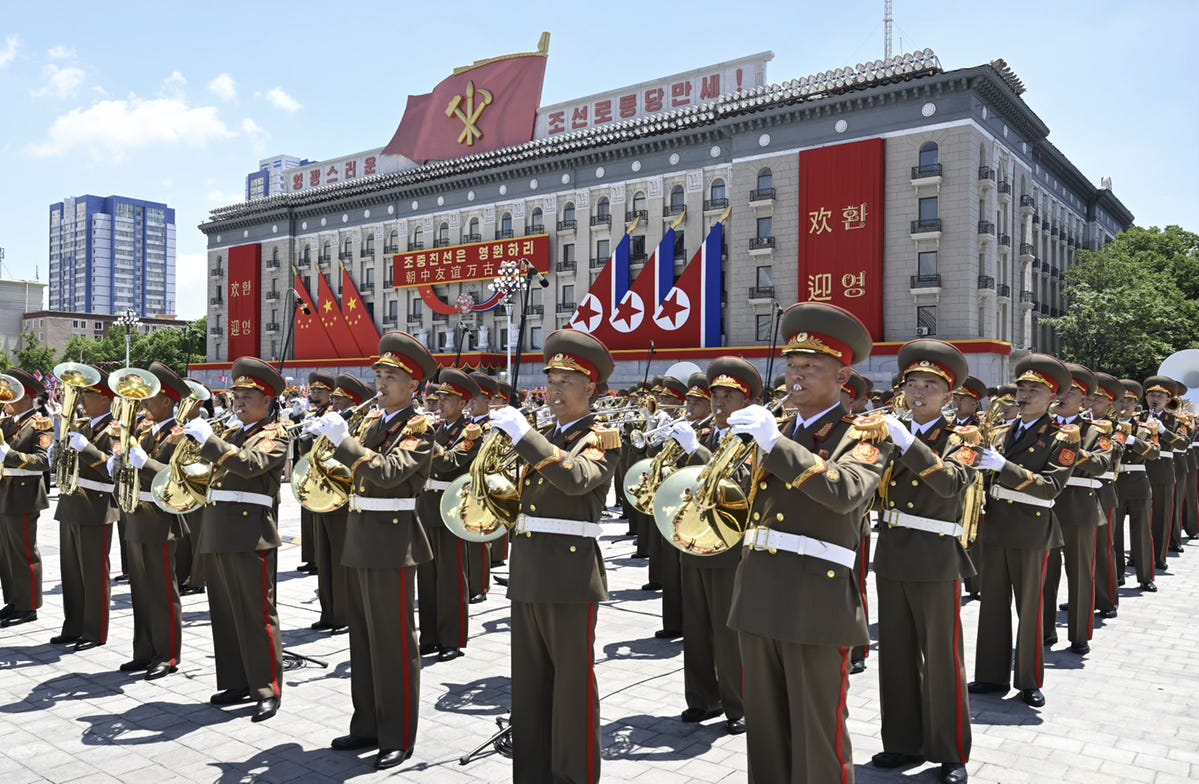
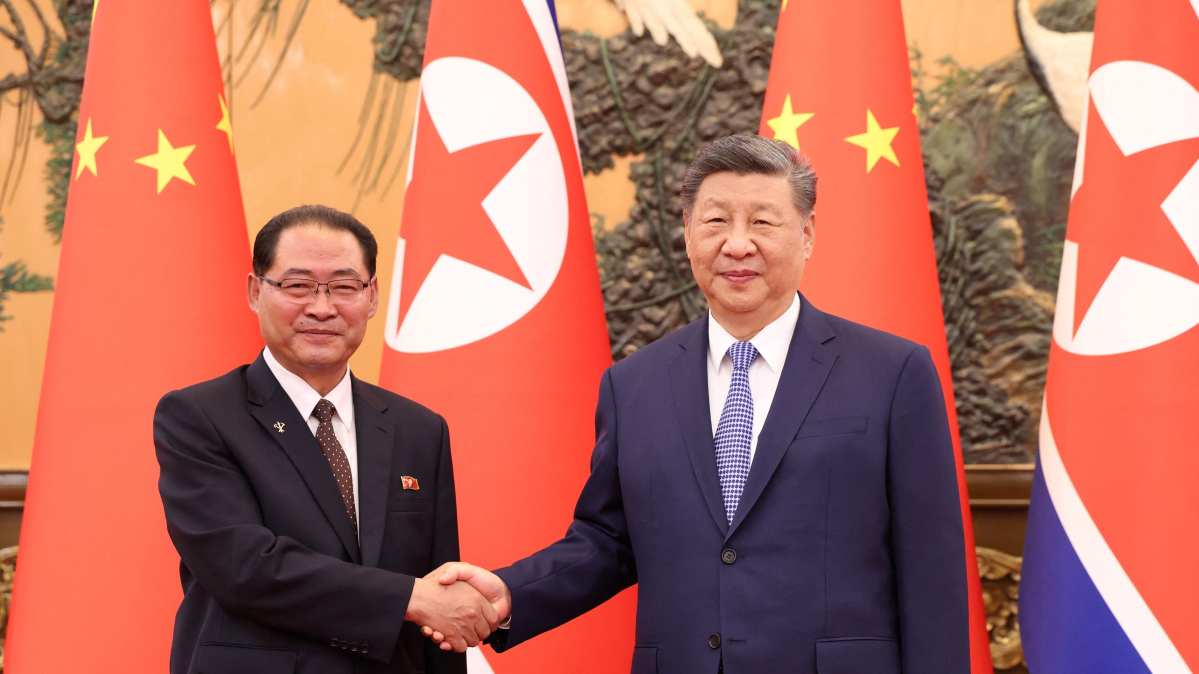
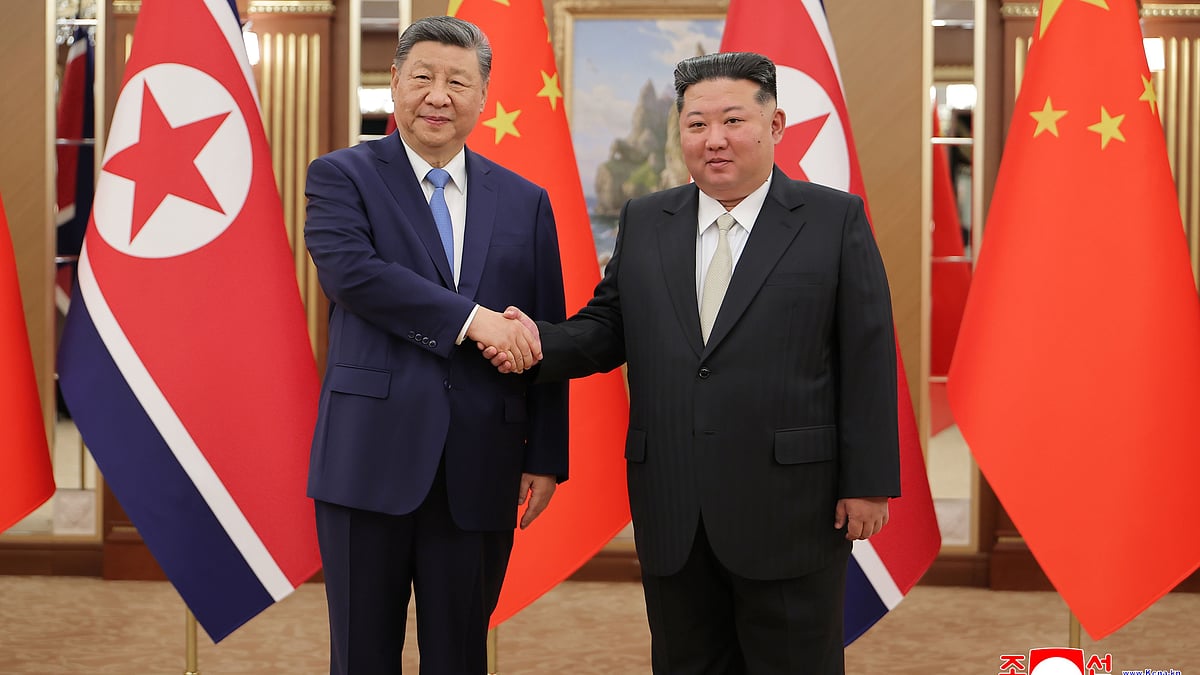
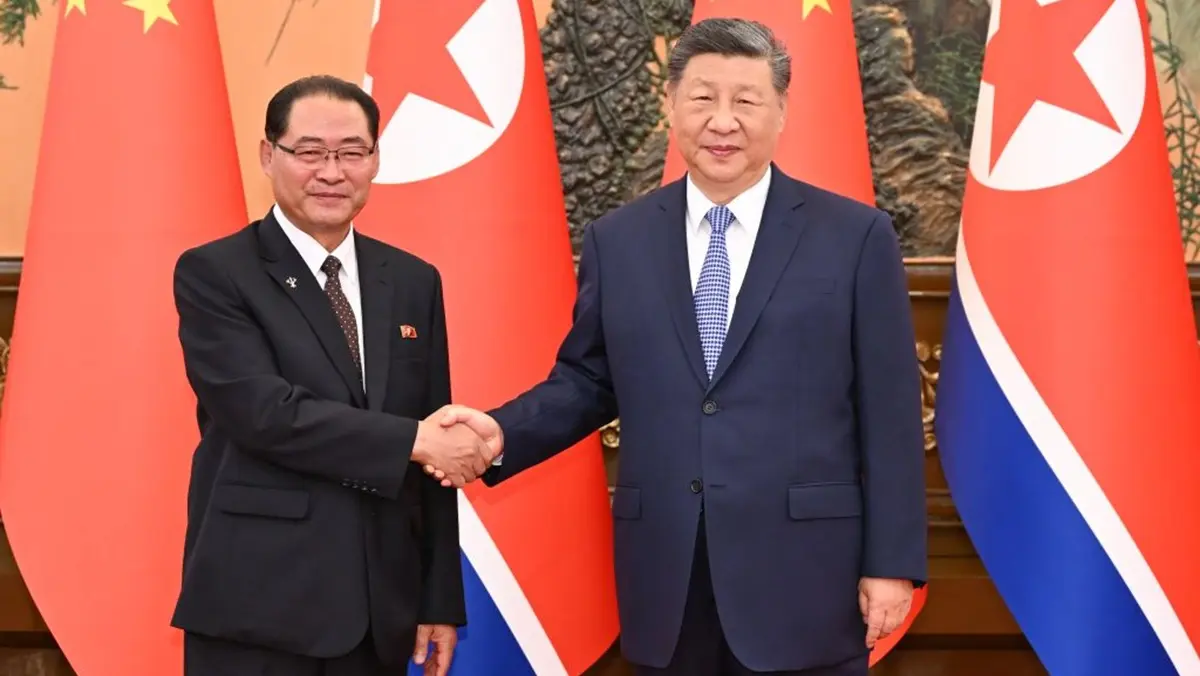
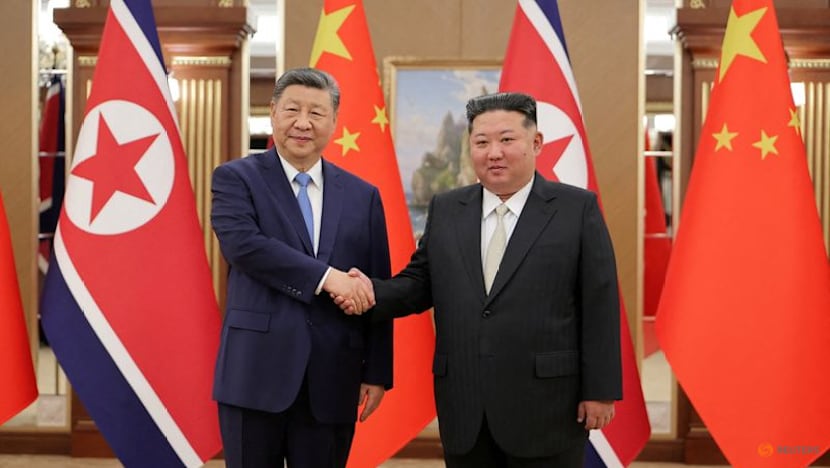
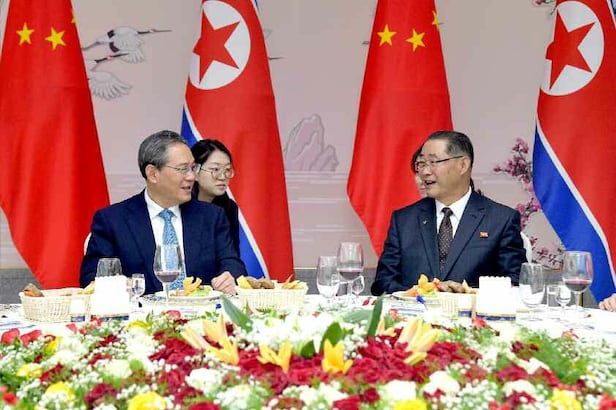
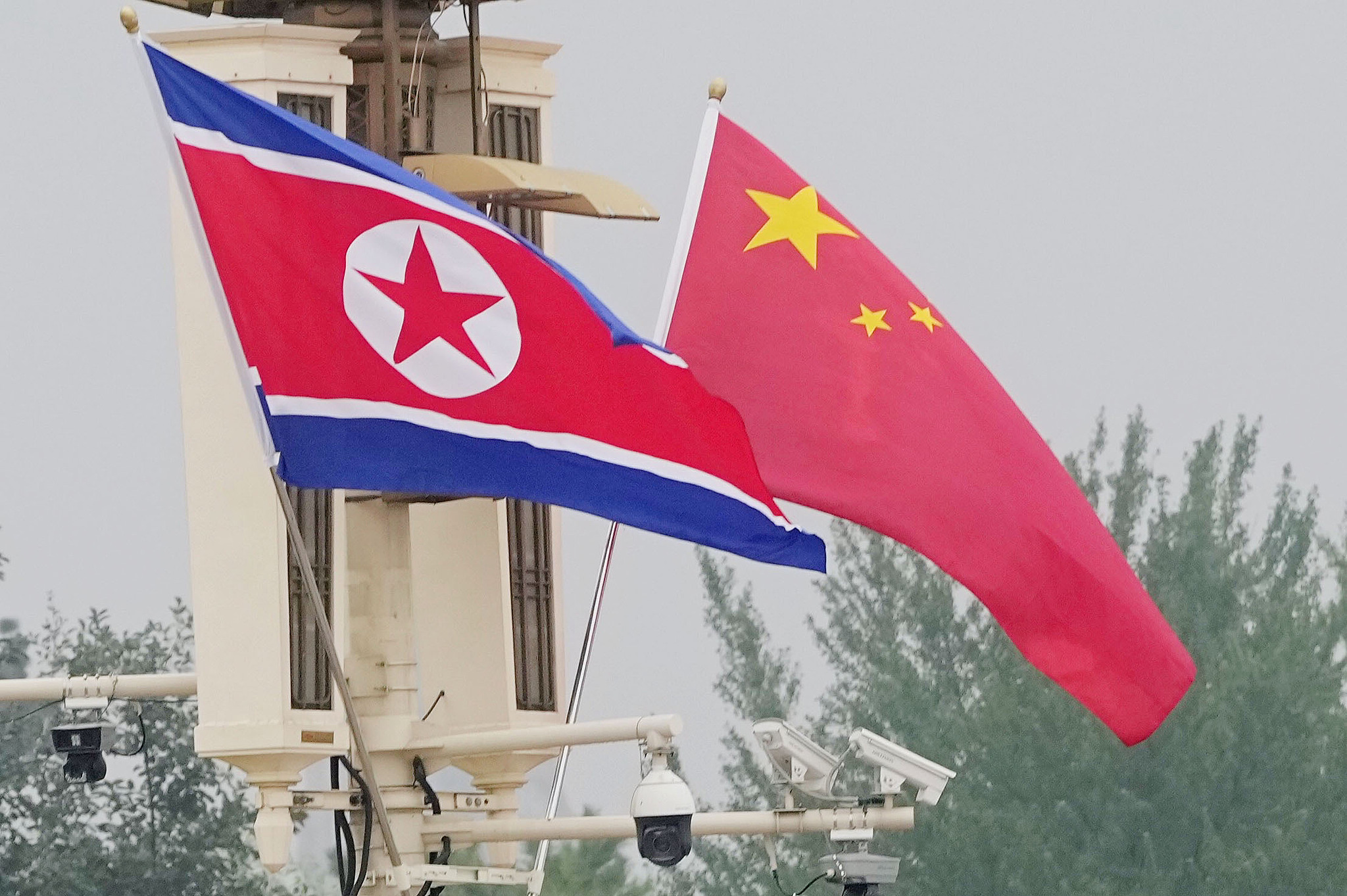
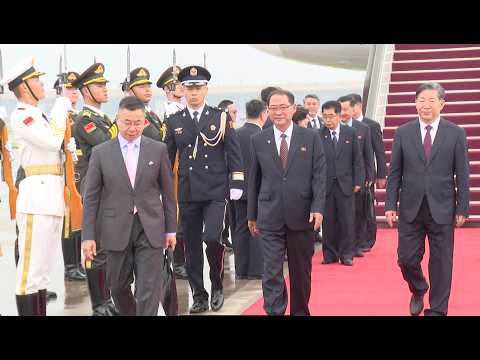
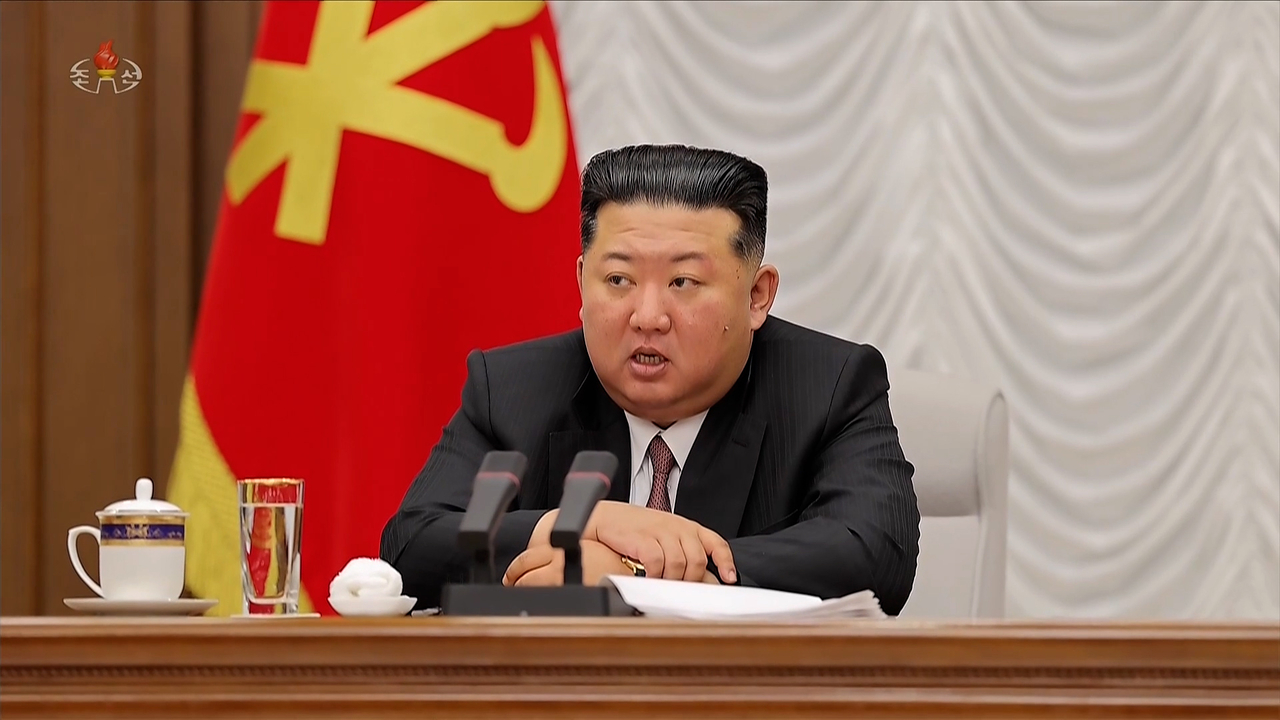
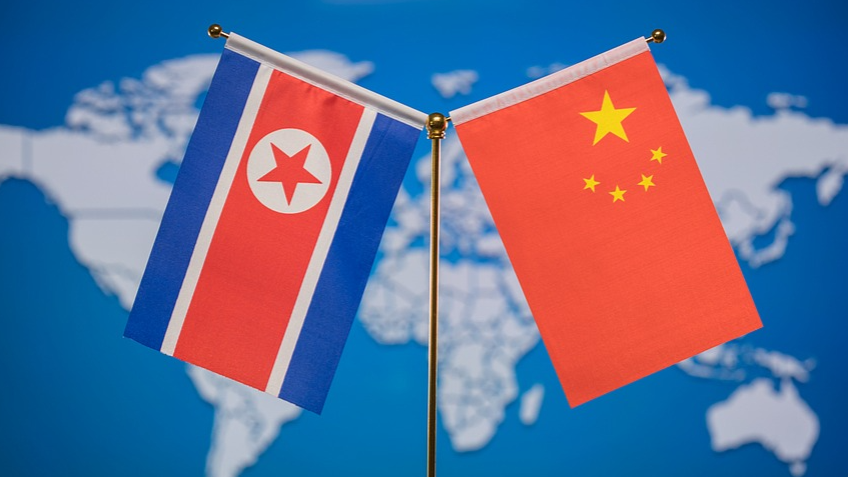
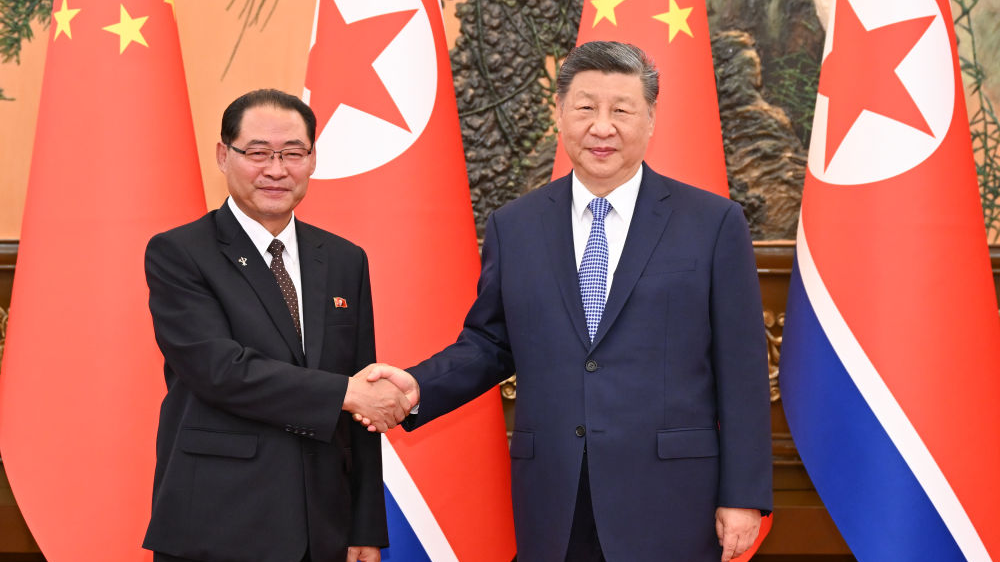
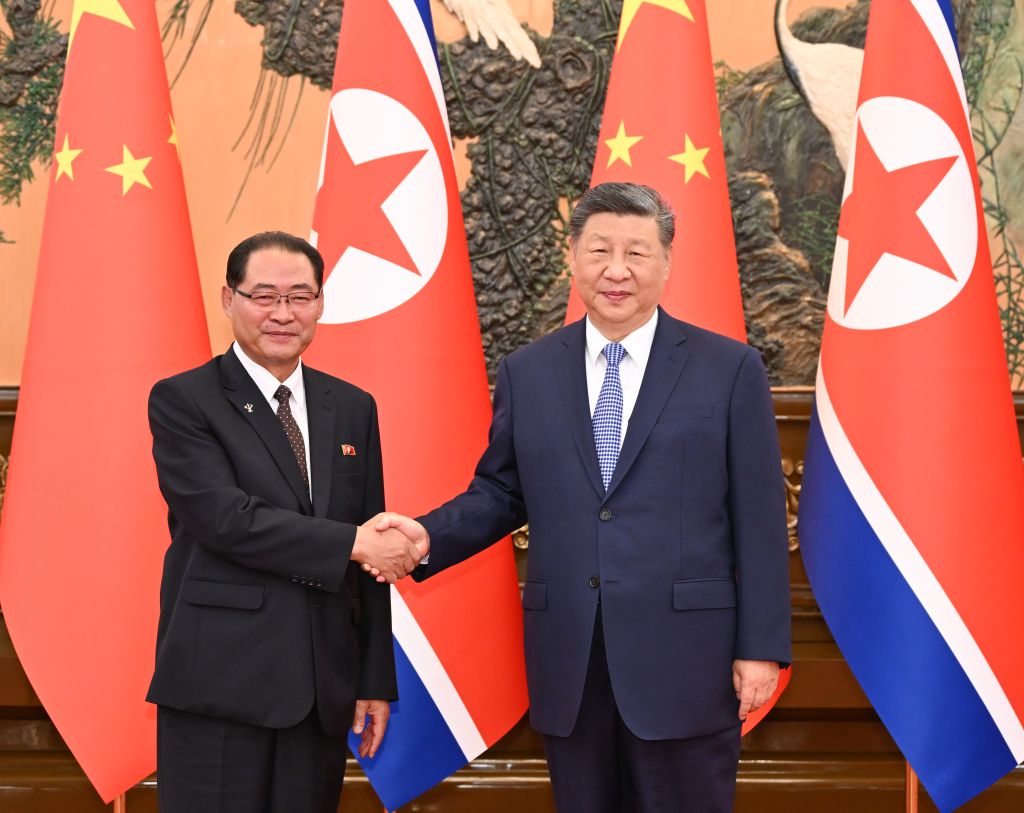
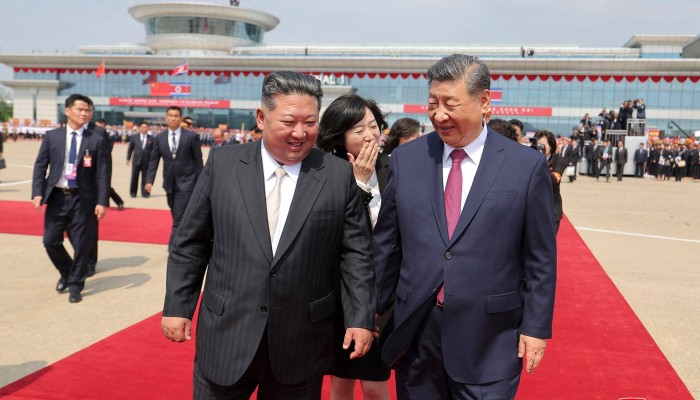
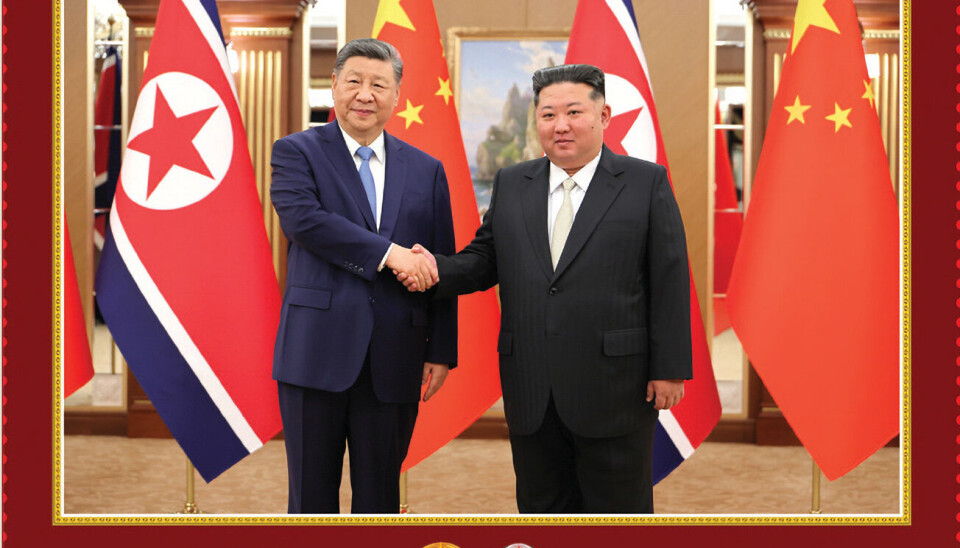
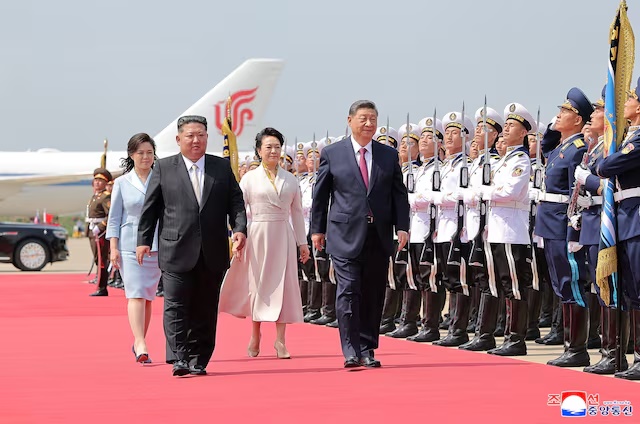
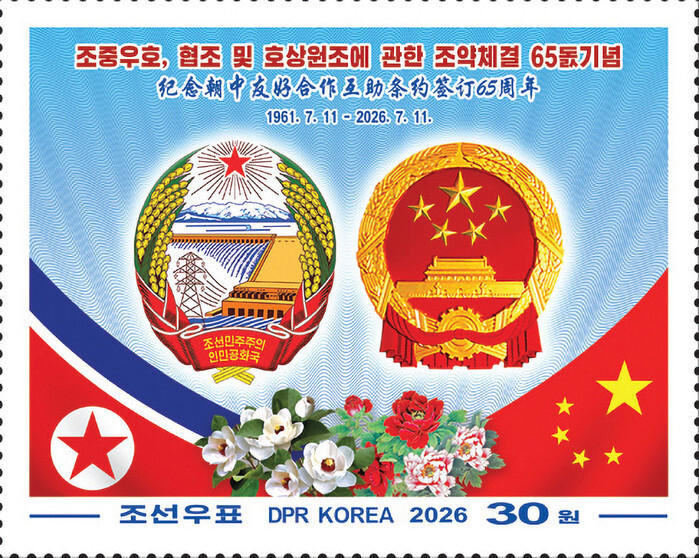
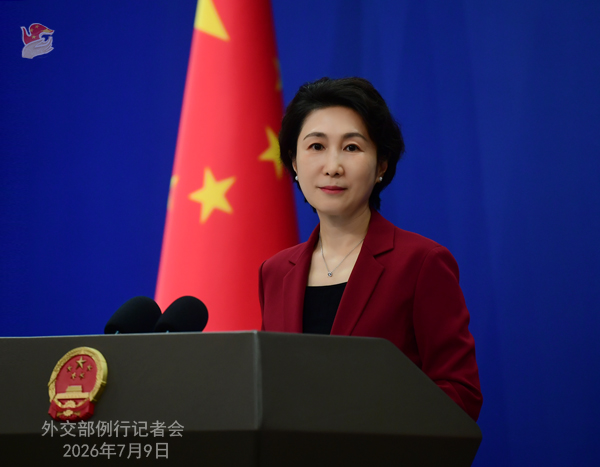
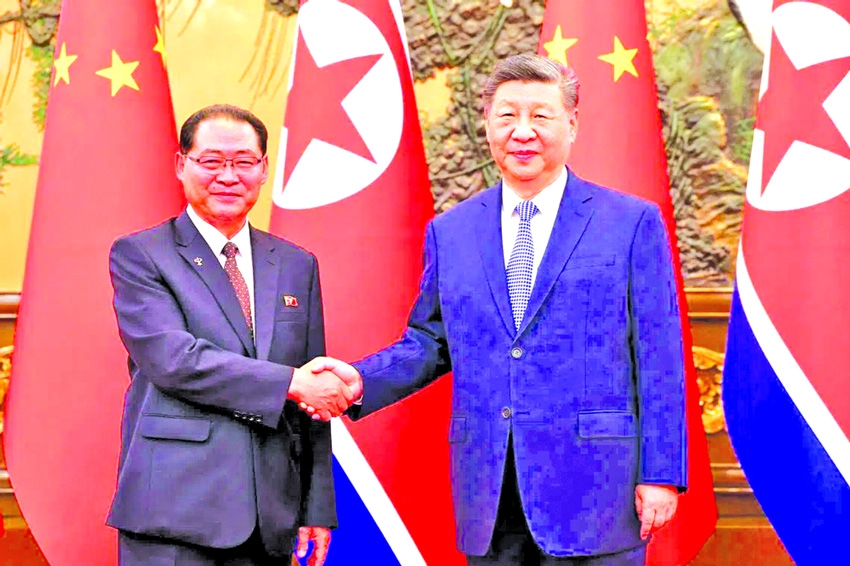
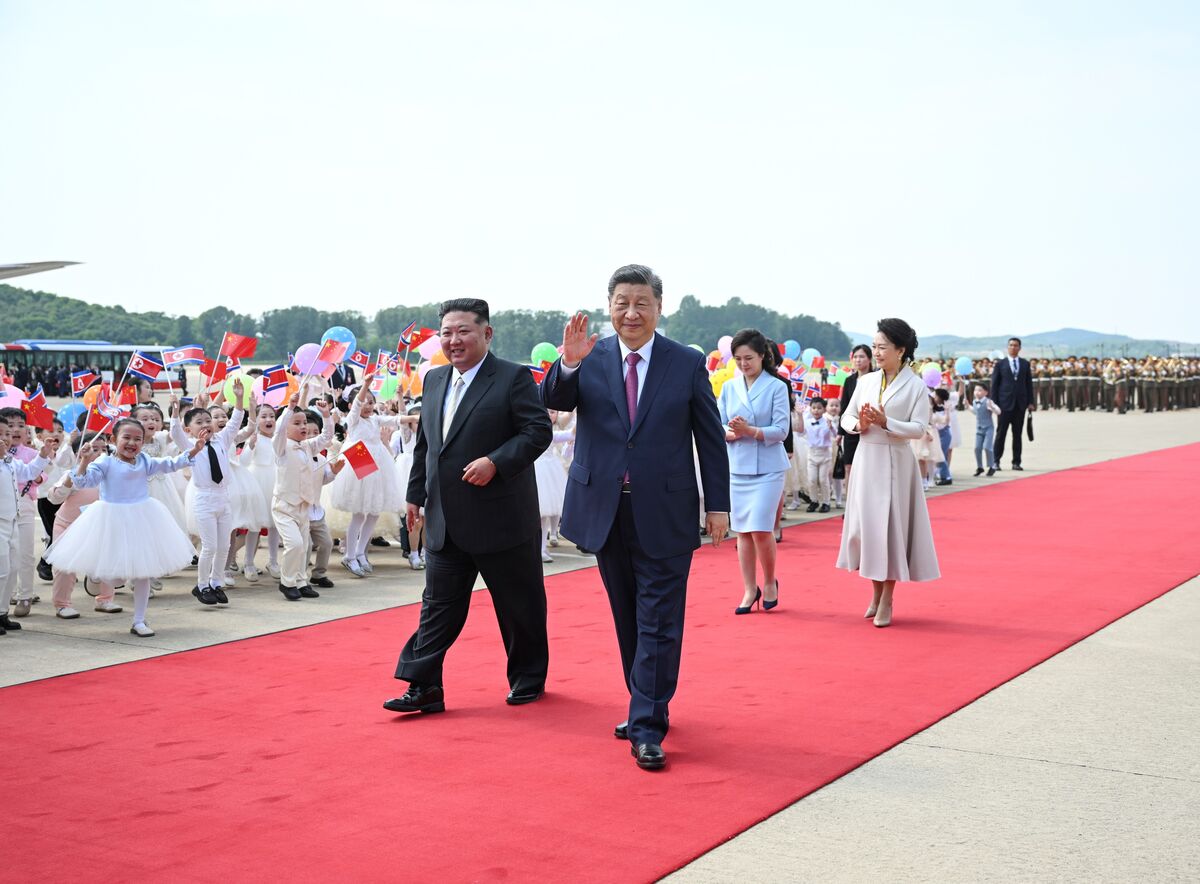
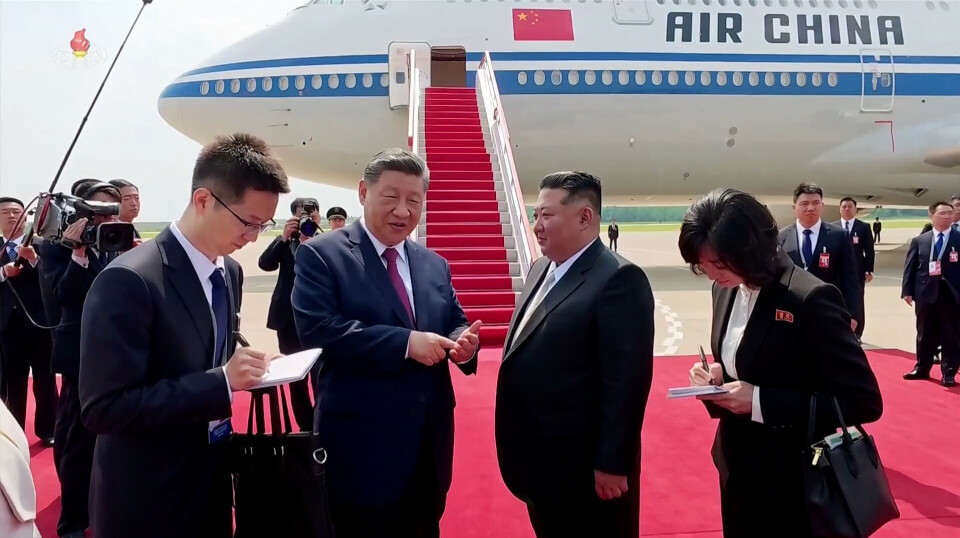
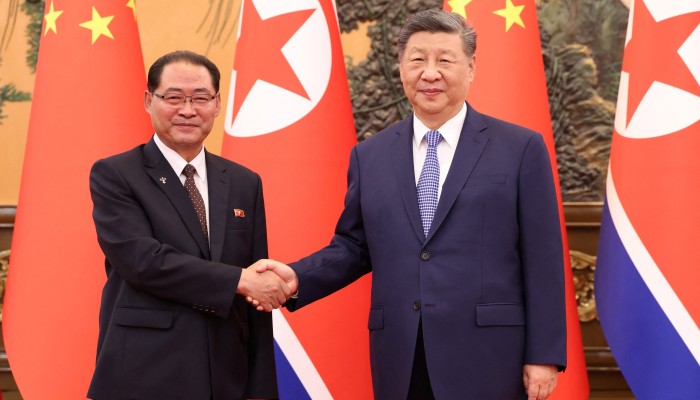
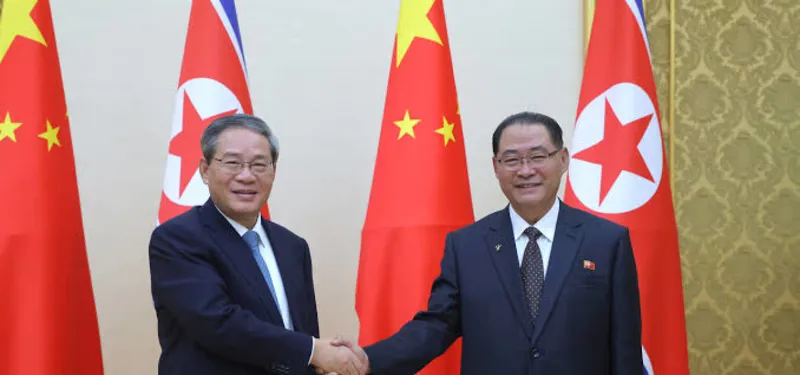
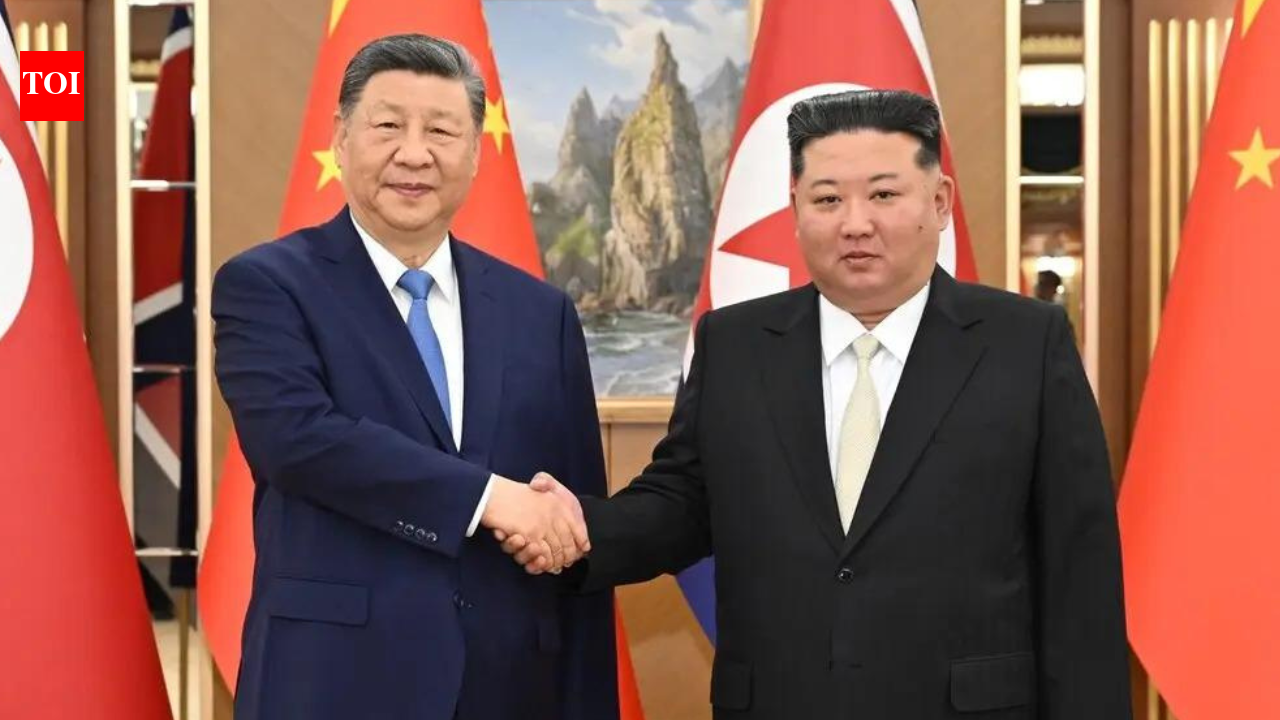
Strategic Context: Chinese President Xi Jinping's July 10-11, 2026 diplomatic engagement with North Korea's Premier Pak Thae Song marks a critical inflection point in Northeast Asia geopolitics with direct implications for cross-border e-commerce supply chains. The meeting, commemorating the 65th anniversary of the 1961 Treaty of Friendship, Cooperation and Mutual Assistance (China's only active mutual defense pact), signals Beijing's commitment to deepening bilateral cooperation across "political, economic, and cultural sectors." This represents Xi's first visit to Pyongyang in seven years, following pandemic-related disruptions and North Korea's strategic pivot toward Russia.
Supply Chain & Tariff Implications: The strengthened China-DPRK relationship creates three critical opportunities for sellers. First, tariff arbitrage potential: As China accelerates implementation of bilateral agreements, expect potential tariff reductions or exemptions on goods transiting through North Korea-China corridors (HS codes 6204-6209 for apparel, 8471-8517 for electronics). Sellers sourcing from China for Southeast Asian markets may see 2-5% tariff cost reductions if trade flows shift through DPRK-facilitated routes. Second, logistics corridor optimization: The resumption of passenger train services and direct flights between Beijing and Pyongyang (noted as resumed since late 2025) signals infrastructure investment in China-DPRK transport networks. This creates potential for 10-15% shipping cost reductions on bulk shipments to Northeast Asia markets (Korea, Japan, Russia-adjacent regions) within 6-12 months as logistics networks mature. Third, market access expansion: North Korea's "new strategic level" cooperation with China may unlock limited but growing consumer markets in DPRK and expanded distribution networks in China's northeastern provinces (Jilin, Liaoning, Heilongjiang), representing emerging demand for consumer electronics, apparel, and home goods categories.
Competitive Dynamics & Risk Factors: The diplomatic warming creates asymmetric advantages for different seller segments. Large China-based sellers (annual revenue >$10M) can leverage existing supply chain relationships to negotiate preferential tariff treatment on goods destined for DPRK-China trade corridors. Medium-sized sellers (annual revenue $1-10M) should monitor for emerging logistics partnerships with Chinese 3PLs specializing in Northeast Asia routes—potential cost savings of $500-2,000 per 40-foot container. However, US and EU-based sellers face increased compliance complexity: North Korea remains under comprehensive UN and US sanctions (OFAC restrictions), requiring enhanced due diligence on supply chain partners and destination markets. Sellers must verify that sourcing from China does not inadvertently support DPRK-sanctioned entities. The news explicitly notes that "limits remain on how far Pyongyang will realign with Beijing, given its strategic partnership with Moscow"—indicating North Korea's geopolitical hedging reduces the certainty of long-term tariff benefits. Sellers should expect 3-6 month volatility in tariff structures as Beijing and Pyongyang finalize implementation details of bilateral agreements.
Questions 7
What shipping cost savings can sellers expect from improved China-North Korea logistics?
The resumption of direct flights and passenger train services between Beijing and Pyongyang signals infrastructure investment in transport networks. Sellers shipping bulk goods to Northeast Asia (Korea, Japan, Russia-adjacent regions) can expect 10-15% shipping cost reductions per 40-foot container once logistics networks mature (6-12 month timeline). Medium-sized sellers should evaluate partnerships with Chinese 3PLs specializing in Northeast Asia routes—potential savings of $500-2,000 per container depending on cargo weight and destination. Verify that logistics partners maintain OFAC compliance, as North Korea remains under comprehensive US sanctions.
How does China-North Korea diplomatic warming affect tariff costs for cross-border sellers?
The July 2026 strategic agreement signals potential tariff reductions on goods transiting China-DPRK corridors, particularly for electronics (HS 8471-8517) and apparel (HS 6204-6209) categories. Sellers sourcing from China for Asia-Pacific markets may see 2-5% tariff cost reductions within 6-12 months as bilateral trade agreements are implemented. However, the timeline remains uncertain—expect 3-6 months of volatility as Beijing and Pyongyang finalize specific tariff schedules. Large sellers ($10M+ revenue) should begin negotiations with Chinese suppliers and 3PLs to lock in preferential rates before broader market adoption.