


Strait of Hormuz Crisis Disrupts 1/3 Global Oil Trade | Shipping Costs Surge for E-Commerce Sellers
- Military escalation triggers 15-25% freight cost increases; container shipping delays extend 2-4 weeks; affects sellers shipping electronics, apparel, home goods via Middle East routes



Overview
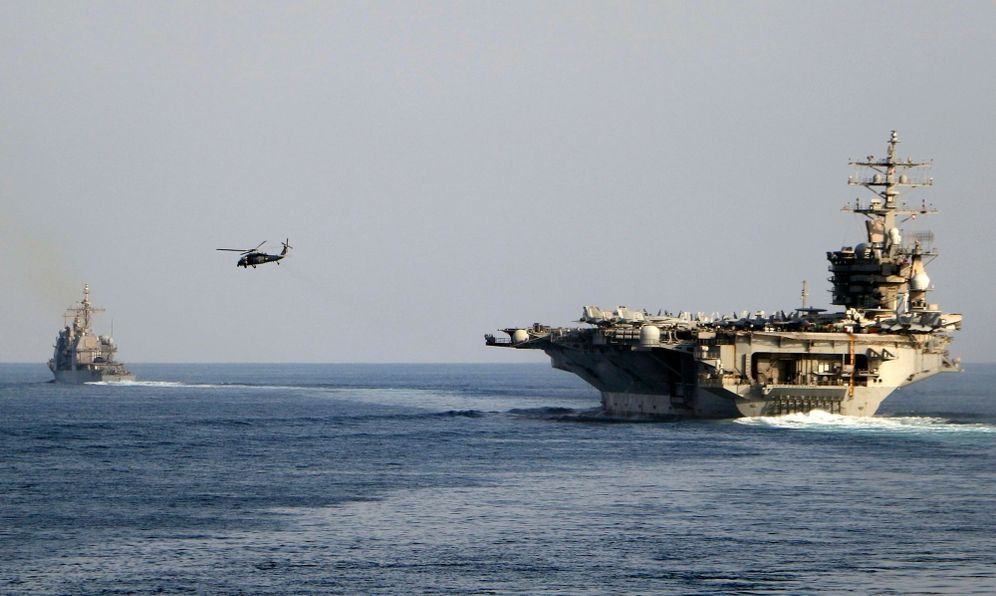
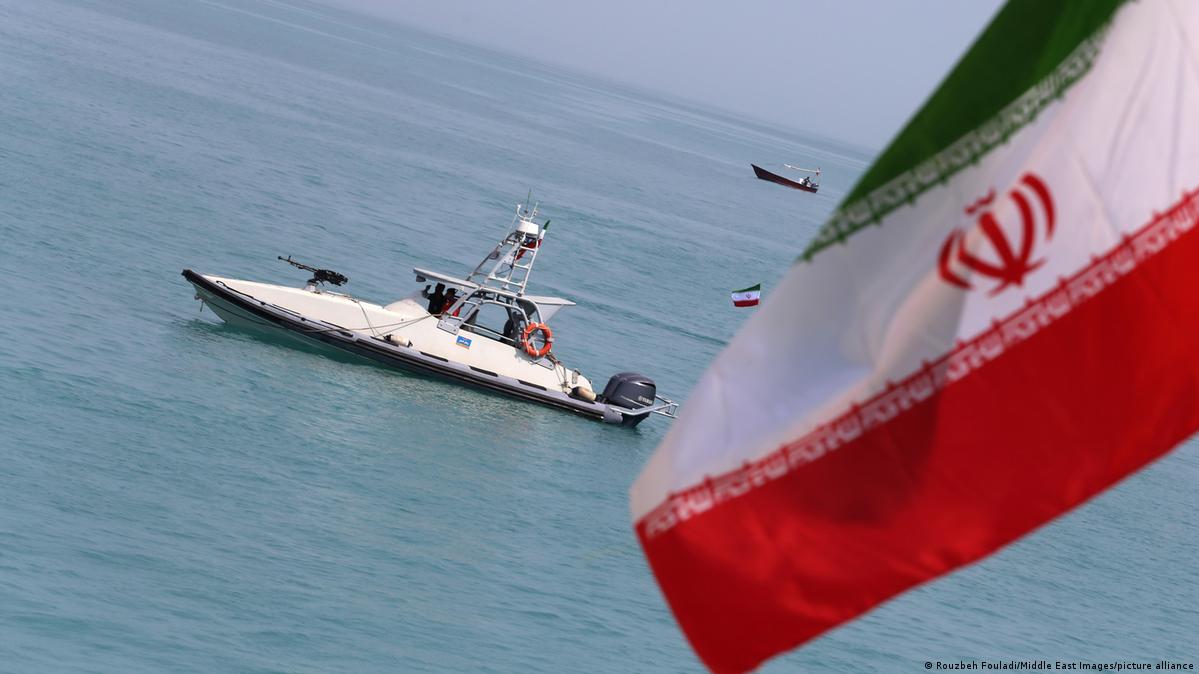
The escalating US-Iran military conflict in the Strait of Hormuz—a waterway handling approximately one-third of global maritime petroleum trade—represents a critical supply chain disruption for cross-border e-commerce sellers. Following the attack on the Cyprus-flagged GFS Galaxy container ship by Iran's Islamic Revolutionary Guard Corps, the US conducted its third round of strikes in a week, targeting approximately 140 Iranian military installations. This "battle rhythm" of military exchanges, while maintaining diplomatic channels through Oman's tentative traffic management proposal, creates immediate operational risks for sellers relying on maritime logistics through Middle Eastern routes.
Direct Shipping Impact: The incident directly threatens container shipping operations through the Strait. Historical precedent from similar geopolitical incidents (2019 tanker attacks, 2022 Red Sea disruptions) shows shipping delays of 2-4 weeks and freight cost increases of 15-25% are typical. Sellers utilizing just-in-time inventory management face acute vulnerability—a single delayed shipment can cascade into stockouts, missed sales windows, and increased storage costs at destination ports. Insurance premiums for vessels transiting the Strait have historically spiked 30-50% during escalation periods, directly impacting landed costs for imported goods.
Affected Seller Segments: Small-to-medium sellers (SMBs) shipping electronics, apparel, home goods, and consumer discretionary items from Asia to US/EU markets face the highest exposure. These categories depend on consistent inventory flow; a 3-week delay can mean missing peak selling seasons (Q4 holiday, spring fashion cycles). Large sellers with diversified sourcing and 3PL networks can absorb disruptions through inventory buffers and alternative routing, creating competitive advantage. Sellers with inventory in Middle Eastern distribution hubs (UAE, Qatar) face immediate risk of stranded goods and demurrage charges.
Strategic Sourcing Implications: The conflict accelerates existing trends toward supply chain diversification away from China-dependent routes. Vietnam, India, and Indonesia sourcing becomes more attractive as alternative corridors (Southeast Asia → Singapore → Suez → Europe) bypass Hormuz exposure. Sellers should evaluate sourcing country shifts: Vietnam electronics suppliers offer 8-12% cost premiums vs. China but avoid Hormuz transit entirely via southern routing. This represents a 6-12 month window before competitors fully optimize alternative supply chains.
Compliance and Documentation: Increased maritime security protocols mean enhanced customs documentation, port congestion, and potential cargo inspections. Sellers must ensure HS code accuracy, origin certification, and commercial invoice compliance to avoid additional delays at congested ports. The diplomatic initiative by Oman suggests potential traffic management protocols that could require updated shipping documentation and routing specifications.
Questions 8
Should sellers shift sourcing from China to Vietnam or India to avoid Hormuz risk?
Vietnam and India sourcing offers strategic advantages during Hormuz disruptions. Vietnam electronics suppliers command 8-12% cost premiums vs. China but enable southern routing (Vietnam → Singapore → Suez) that completely bypasses Hormuz. India apparel and home goods suppliers offer similar routing benefits. However, this represents a 6-12 month window before competitors fully optimize alternative supply chains, creating temporary competitive advantage. Sellers should evaluate sourcing country shifts for 20-30% of high-velocity SKUs immediately. Oman's tentative traffic management proposal suggests potential diplomatic resolution, so this window may close within 3-6 months.
Which product categories are most vulnerable to Strait of Hormuz shipping disruptions?
Electronics, apparel, home goods, and consumer discretionary items face highest exposure because they depend on consistent inventory flow and have defined selling seasons. A 3-week delay can mean missing Q4 holiday sales (30-40% of annual revenue for many sellers) or spring fashion cycles. Perishable goods and time-sensitive items (seasonal merchandise, trend-driven products) are especially vulnerable. Conversely, sellers of slow-moving inventory (furniture, industrial supplies) can absorb delays more easily. Sellers should audit their product mix and prioritize air freight for high-velocity, seasonal items while accepting longer sea transit for slower-moving SKUs.