


Strait of Hormuz Blockade Disrupts Global Supply Chains | Sellers Face 15-25% Shipping Cost Surge
- 20% of global oil supply blocked indefinitely; energy costs spike 8-12%; shipping delays extend 2-4 weeks for Asia-Europe-US routes; sellers relying on Suez alternative face 35-40% premium freight costs









Overview
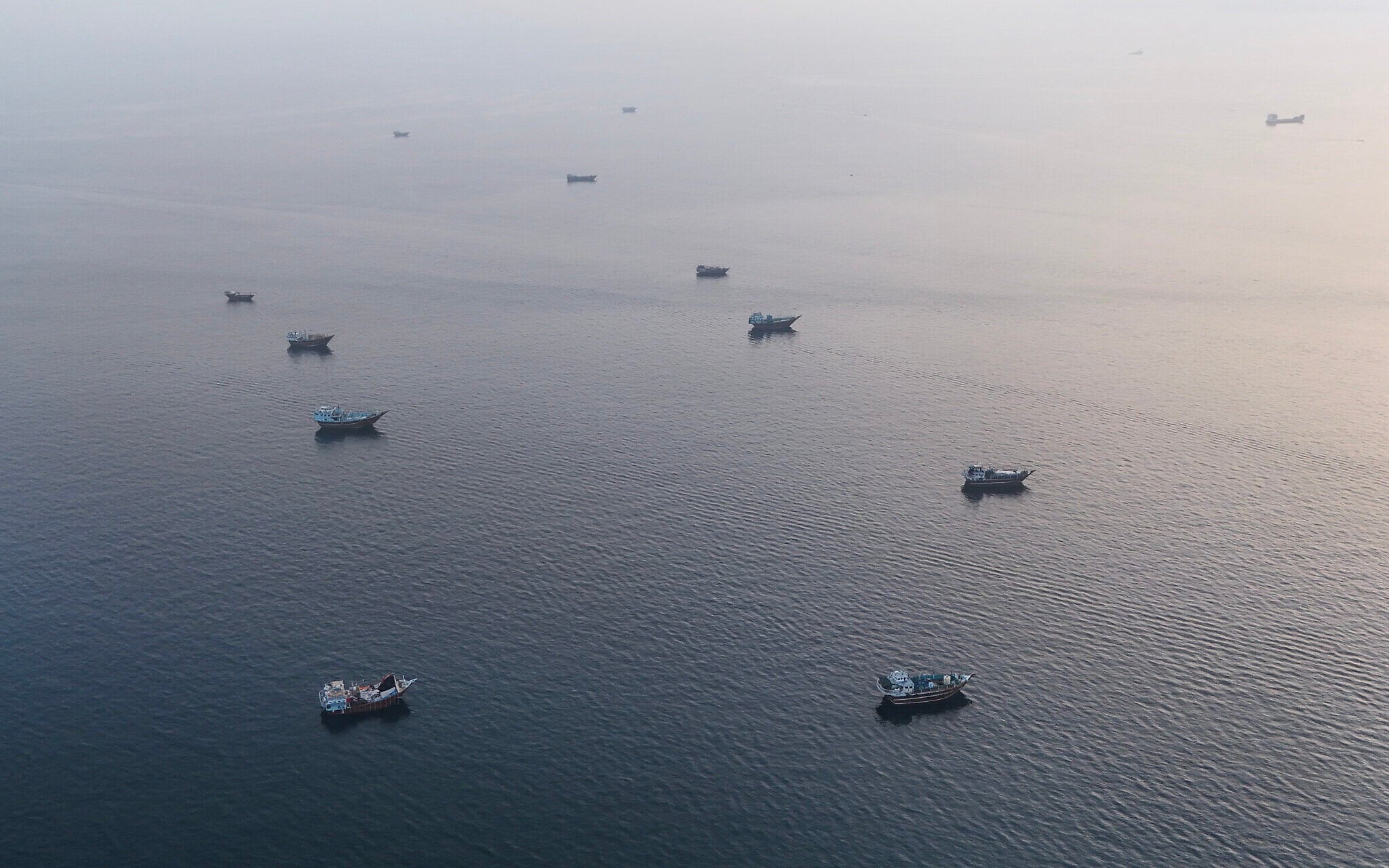
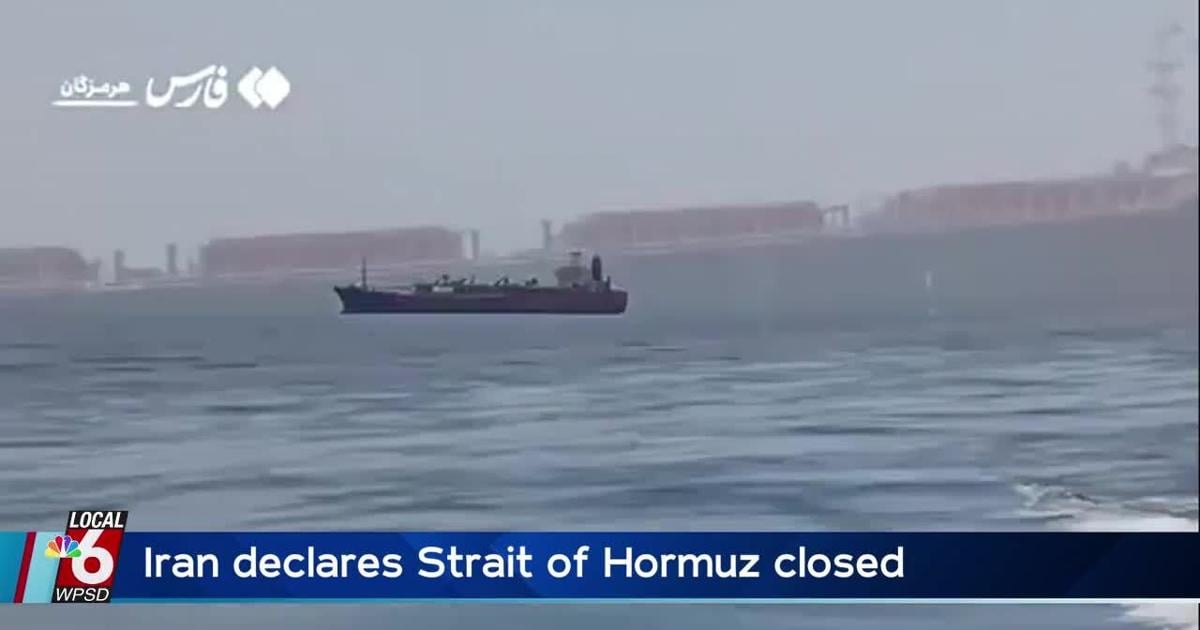
The indefinite closure of the Strait of Hormuz following Iran-US military escalation on July 12, 2026, represents the most significant supply chain disruption for cross-border e-commerce sellers since the 2021 Suez Canal blockade. Iran's Islamic Revolutionary Guard Corps closed the waterway after attacking the Cyprus-flagged container ship MV GFS Galaxy, with the US responding by striking 140 Iranian military targets. The strait carries approximately 20% of global oil supply and one-fifth of global LNG shipments—critical energy inputs that directly impact shipping costs, product sourcing, and fulfillment timelines for sellers worldwide.
Immediate Impact on Seller Economics: Sellers shipping products from Asia to Europe or North America now face three critical cost pressures. First, ocean freight rates on Asia-Europe routes are surging 15-25% as carriers reroute through the Cape of Good Hope (adding 10-14 days transit time and 35-40% fuel premium). Second, energy costs embedded in product sourcing are rising 8-12% as manufacturers in Vietnam, India, and China face elevated electricity and fuel expenses. Third, air freight alternatives (for time-sensitive inventory) have jumped 20-30% as capacity constraints emerge. For sellers with monthly shipments of 500+ units, this translates to $3,000-8,000 additional monthly freight costs depending on product weight and category.
Category-Specific Vulnerabilities: Electronics sellers (HS codes 8471-8517) sourcing from China/Vietnam face the steepest margin compression, as freight represents 8-15% of landed costs. Apparel and footwear sellers (HS 6204-6406) experience 5-8% cost increases but have more pricing flexibility. Home goods and furniture sellers (HS 9401-9406) face the longest delays (4-6 weeks vs. normal 3-4 weeks), creating inventory management challenges. Sellers dependent on just-in-time inventory from Asia are most vulnerable—those with 60+ days of safety stock can absorb delays but face working capital strain. Energy-intensive categories (plastics, chemicals, textiles) see raw material cost increases of 10-15% as petrochemical feedstock prices spike.
Strategic Sourcing Shifts: The blockade accelerates existing trends toward supply chain diversification. Sellers should evaluate sourcing from India (HS tariff advantages under USMCA alternatives), Mexico (nearshoring for US market), and Eastern Europe (for EU market). Vietnam remains viable but faces 2-3 week delays; India offers similar labor costs with slightly longer lead times but avoids Hormuz dependency. Mexico sourcing for US-bound inventory eliminates Hormuz exposure entirely and qualifies for USMCA tariff benefits (0% on many categories vs. 2-5% China tariffs). This represents a 12-18 month window before competitors fully shift sourcing—early movers gain cost advantages and supply security.
Questions 7
What are my options for shipping inventory during the blockade?
Three primary alternatives exist: (1) Cape of Good Hope rerouting adds 10-14 days and 35-40% fuel premium but remains viable for non-time-sensitive inventory; (2) Air freight costs 20-30% more but delivers in 5-7 days for high-margin products; (3) Nearshoring to Mexico or India for future inventory avoids Hormuz entirely. For immediate shipments, Cape routing is most cost-effective despite delays. For Q3-Q4 2026 inventory, negotiate long-term air freight contracts with forwarders to lock rates before further spikes. Consider splitting shipments: 60% via Cape (lower cost, longer lead time) and 40% via air (higher cost, faster delivery) to balance cash flow and inventory availability. Update your 3PL provider and freight forwarder immediately—capacity constraints are emerging as all sellers reroute simultaneously.
How does the Hormuz closure affect my Amazon FBA and Shopify fulfillment?
Amazon FBA sellers face 2-4 week delays on Asia-sourced inventory arriving at US/EU fulfillment centers, directly impacting inventory velocity and IPI scores. Delayed inventory increases storage fees (tiered at 30/60/90 days) and risks stranded inventory penalties. Shopify sellers using 3PL providers experience similar delays but have more flexibility to adjust pricing and manage customer expectations. Both platforms see increased fulfillment costs: Amazon's FBA fees remain fixed, but your landed costs rise 15-25%, compressing margins. Recommend: (1) Accelerate Q3 inventory shipments immediately via air freight if cash flow permits; (2) Reduce new SKU launches until supply stabilizes; (3) Increase prices 5-8% on bestsellers to offset freight costs; (4) Monitor Amazon IPI scores weekly and adjust inventory levels to maintain 350+ score. Shopify sellers should communicate shipping delays transparently to customers and consider offering expedited shipping premiums.