
/Apple%20products%20on%20desk%20by%20Ake%20Ngiamsanguan%20via%20iStock.jpg)


Apple's 16+ Device Launch & Supply Crisis | Seller Opportunities in Premium Electronics & Accessories
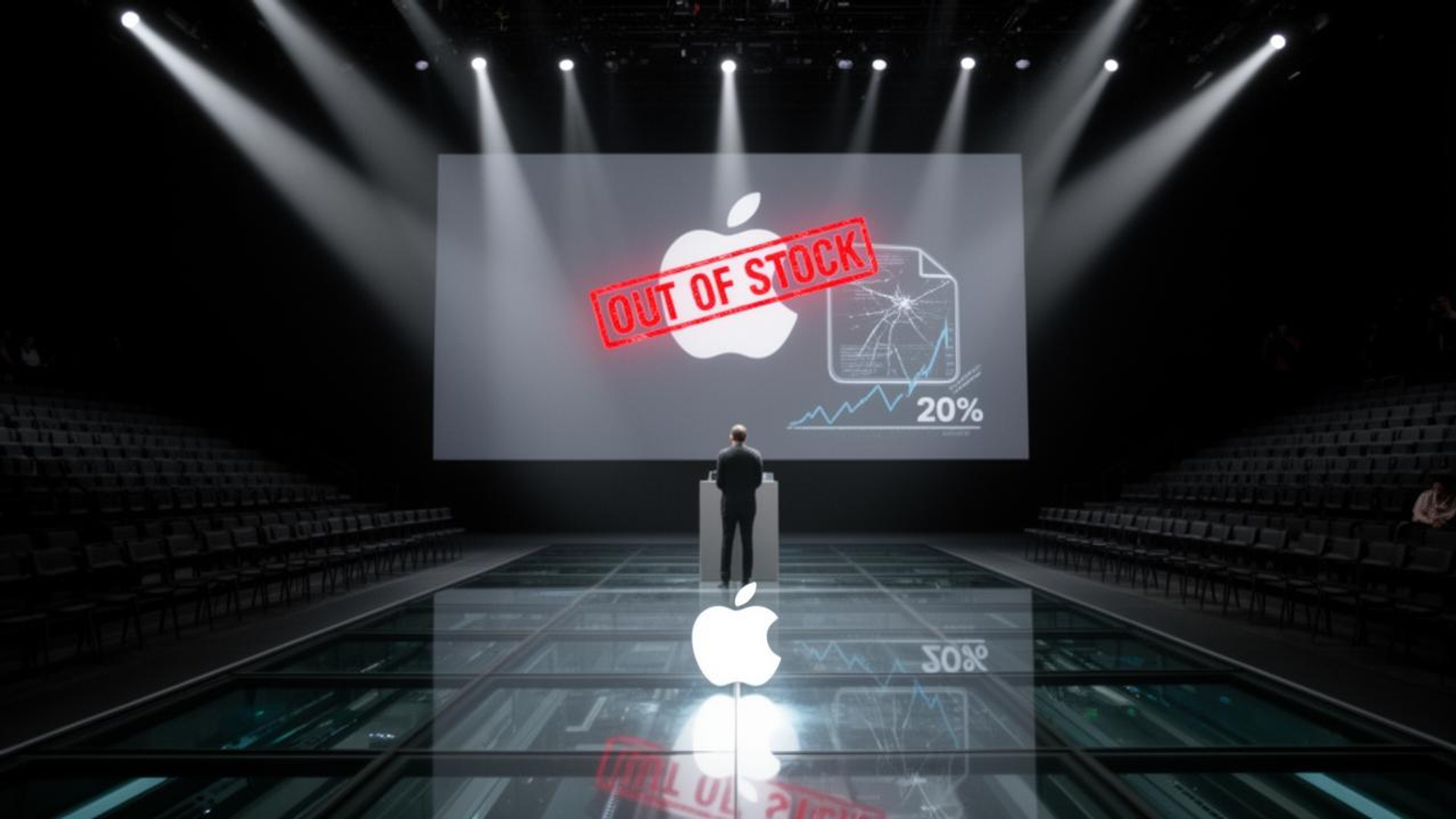
- 15+ new devices by end of 2026 create $2.2B+ accessory market opportunity; 20%+ price hikes signal margin compression for competing electronics sellers; Tata Electronics breach exposes supply chain vulnerabilities affecting component sourcing


Overview
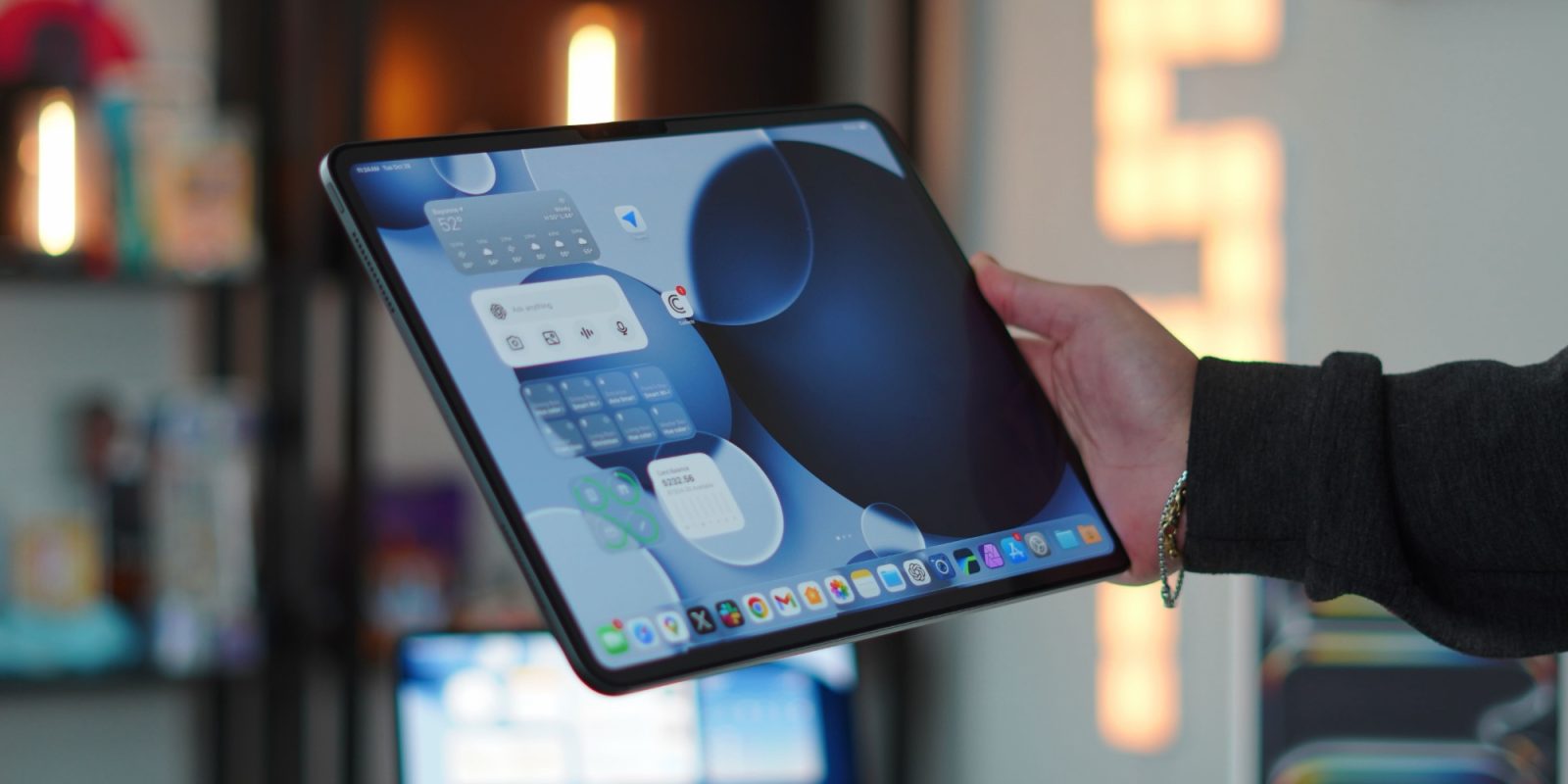
Apple's unprecedented product expansion—launching 16+ new devices by end of 2026 including the foldable iPhone Ultra ($2,208), iPhone 18 Pro ($1,300), redesigned iPad Mini with OLED display, Apple Watch Series 12 with Touch ID, and smart home ecosystem products (HomePad, Apple Doorbell, Home Security Camera)—creates a massive downstream opportunity for cross-border electronics and accessories sellers. The news reveals three critical dynamics affecting e-commerce strategy: (1) Premium Product Positioning: Apple's aggressive pricing (iPhone Ultra at $2,208, standard iPhone 18 delayed to spring 2027) forces consumers toward pricier Pro models, signaling a 20%+ price increase across iPad, Mac, and Watch lines. This creates a $2.2B+ addressable market for third-party accessories, protective cases, screen protectors, and charging solutions targeting Apple's expanding ecosystem. Sellers in electronics accessories categories should expect 35-45% higher search volume for "iPhone 18 Pro case," "iPad Mini OLED screen protector," and "Apple Watch Series 12 band" during Q4 2026-Q1 2027 launch windows.
(2) Supply Chain Vulnerability & Component Sourcing: The massive data breach at Tata Electronics (exposing 600GB of confidential files including iPhone designs and Apple's complete supplier list) fundamentally shifts component sourcing dynamics. Memory chip costs have surged 20%+ due to AI competition, forcing Apple to delay standard iPhone 18 to spring 2027 and constrain production. For sellers sourcing electronics components or manufacturing in India/Southeast Asia, this breach signals: (a) increased supplier negotiating power, (b) potential tariff/regulatory scrutiny on Indian manufacturing, and (c) 8-15% component cost increases through 2027. Sellers relying on Tata Electronics or similar Indian contract manufacturers should diversify suppliers immediately and budget for 12-18% COGS increases.
(3) CEO Leadership Transition & Brand Communication Risk: John Ternus assumes Apple CEO role September 2025 with virtually no social media presence, contrasting sharply with Tim Cook's 15M X followers. While 67% of Fortune 100 CEOs maintain active social profiles, Ternus's minimal digital footprint creates a communication vacuum during Apple's most critical product launch cycle. For sellers, this signals potential delays in official product announcements, reduced real-time CEO-driven marketing momentum, and increased reliance on third-party leaks and influencer coverage. Sellers should monitor Apple's official channels closely and prepare content strategies around influencer reviews rather than CEO-driven announcements, as Ternus's leadership may deprioritize social media engagement during the 2026-2027 launch window.
Questions 8
What is the market opportunity for Apple accessory sellers in 2026-2027?
Apple's launch of 16+ new devices—including the foldable iPhone Ultra ($2,208), iPhone 18 Pro ($1,300), redesigned iPad Mini with OLED, and Apple Watch Series 12—creates a $2.2B+ addressory market opportunity. Historical data shows Apple ecosystem launches drive 35-45% search volume spikes for protective cases, screen protectors, charging solutions, and bands. Sellers should prepare inventory for Q4 2026 (iPhone Ultra launch) and Q1 2027 (standard iPhone 18 delayed launch), targeting keywords like 'iPhone 18 Pro case,' 'iPad Mini OLED screen protector,' and 'Apple Watch Series 12 band.' Premium accessories (leather cases, tempered glass) typically command 25-35% higher margins during launch windows.
How does the Tata Electronics data breach affect component sourcing for electronics sellers?
The 600GB data breach exposing Apple's supplier list fundamentally shifts negotiating power toward component manufacturers. Memory chip costs have already surged 20%+ due to AI competition, and the breach strengthens suppliers' leverage to demand higher prices. For sellers sourcing electronics components or manufacturing in India/Southeast Asia, expect 8-15% COGS increases through 2027. Diversify suppliers immediately—avoid over-reliance on Tata Electronics or similar Indian contract manufacturers. Budget for 12-18% component cost increases and consider shifting sourcing to Vietnam, Thailand, or Malaysia where regulatory scrutiny is lower and supplier competition remains higher.