


Qatar Leadership Transition 2026 | Geopolitical Stability Signals Market Opportunities for Gulf Region Sellers
- Former emir's death on July 12, 2026 marks end of transformative era; established succession ensures policy continuity for sellers operating in Middle East markets and Qatar-linked supply chains















Overview
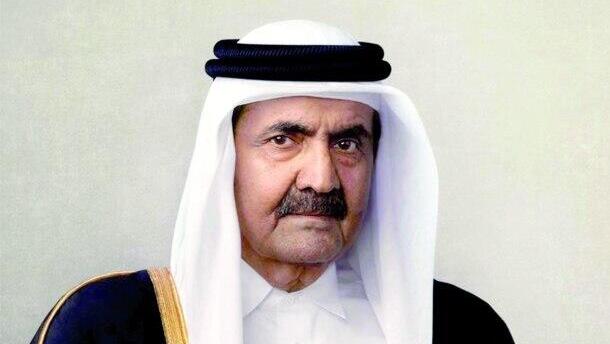
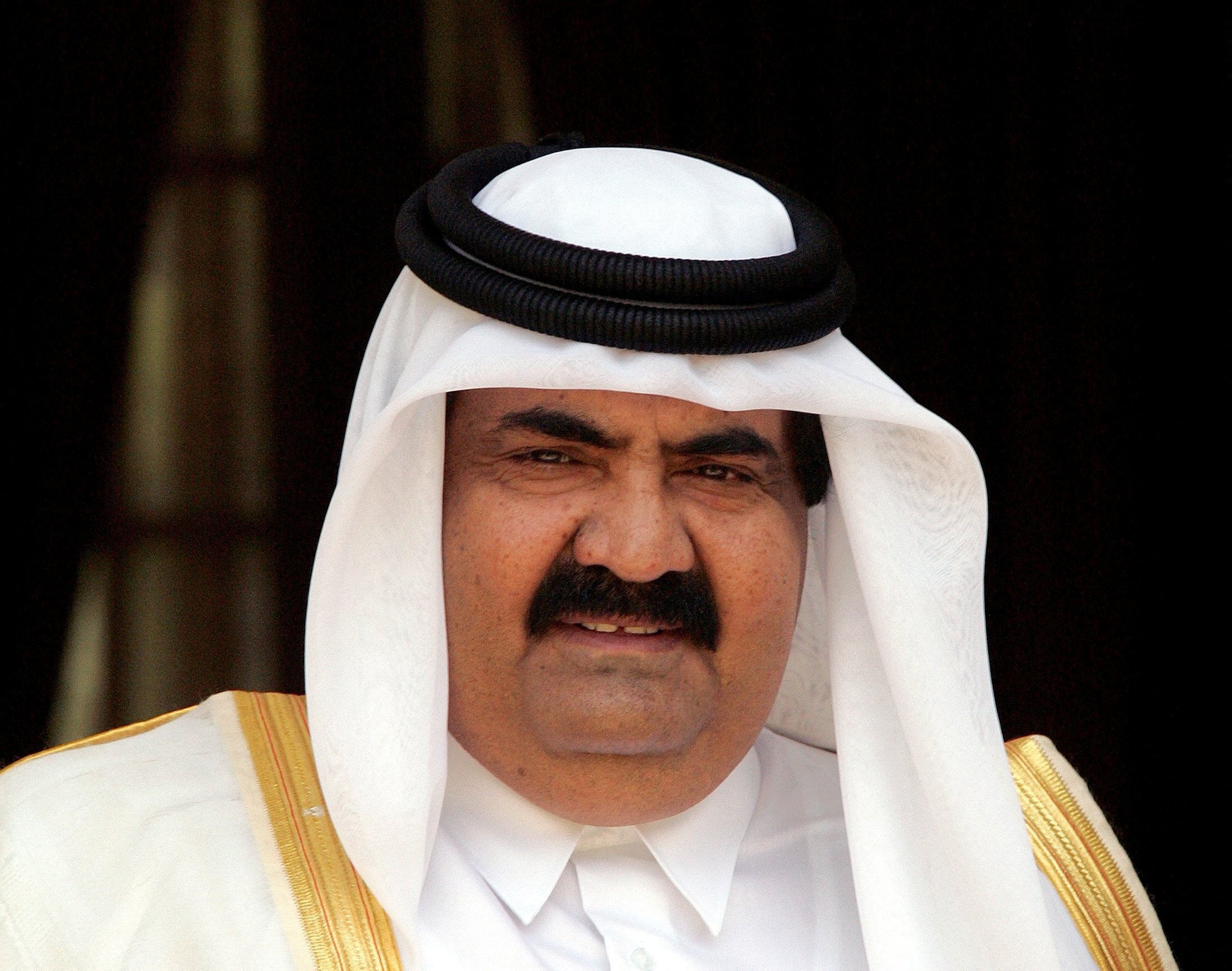
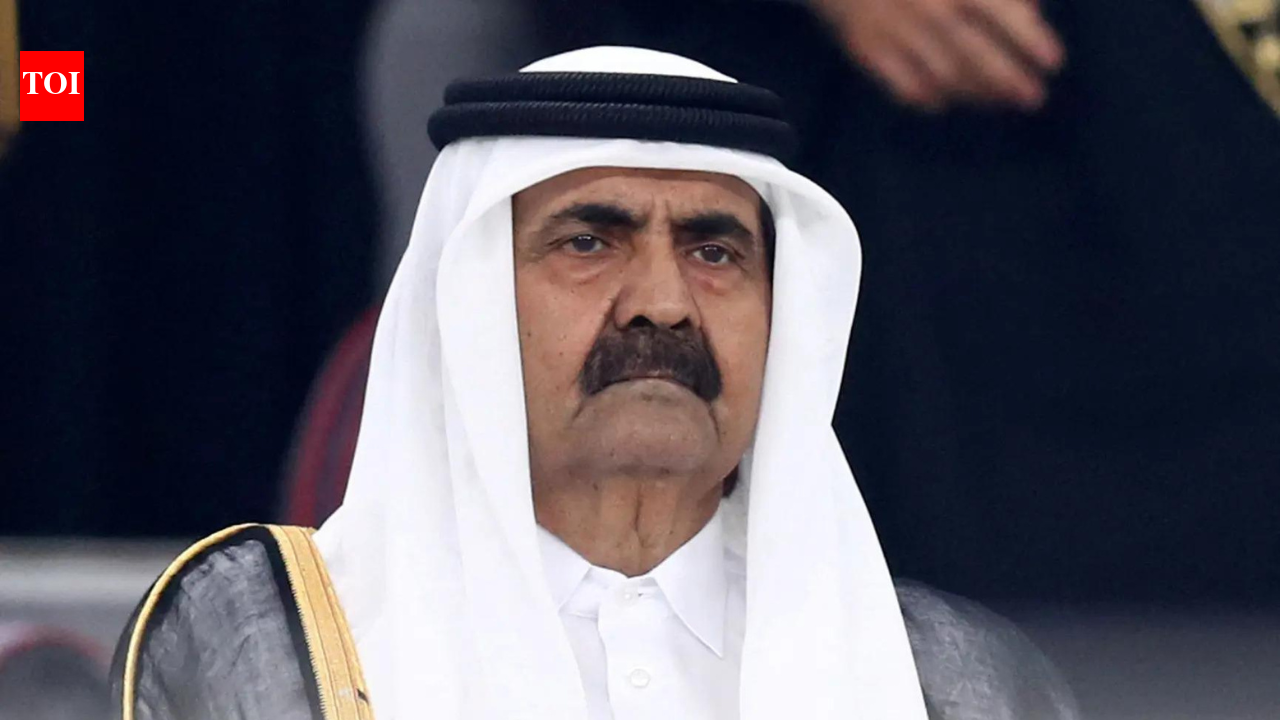
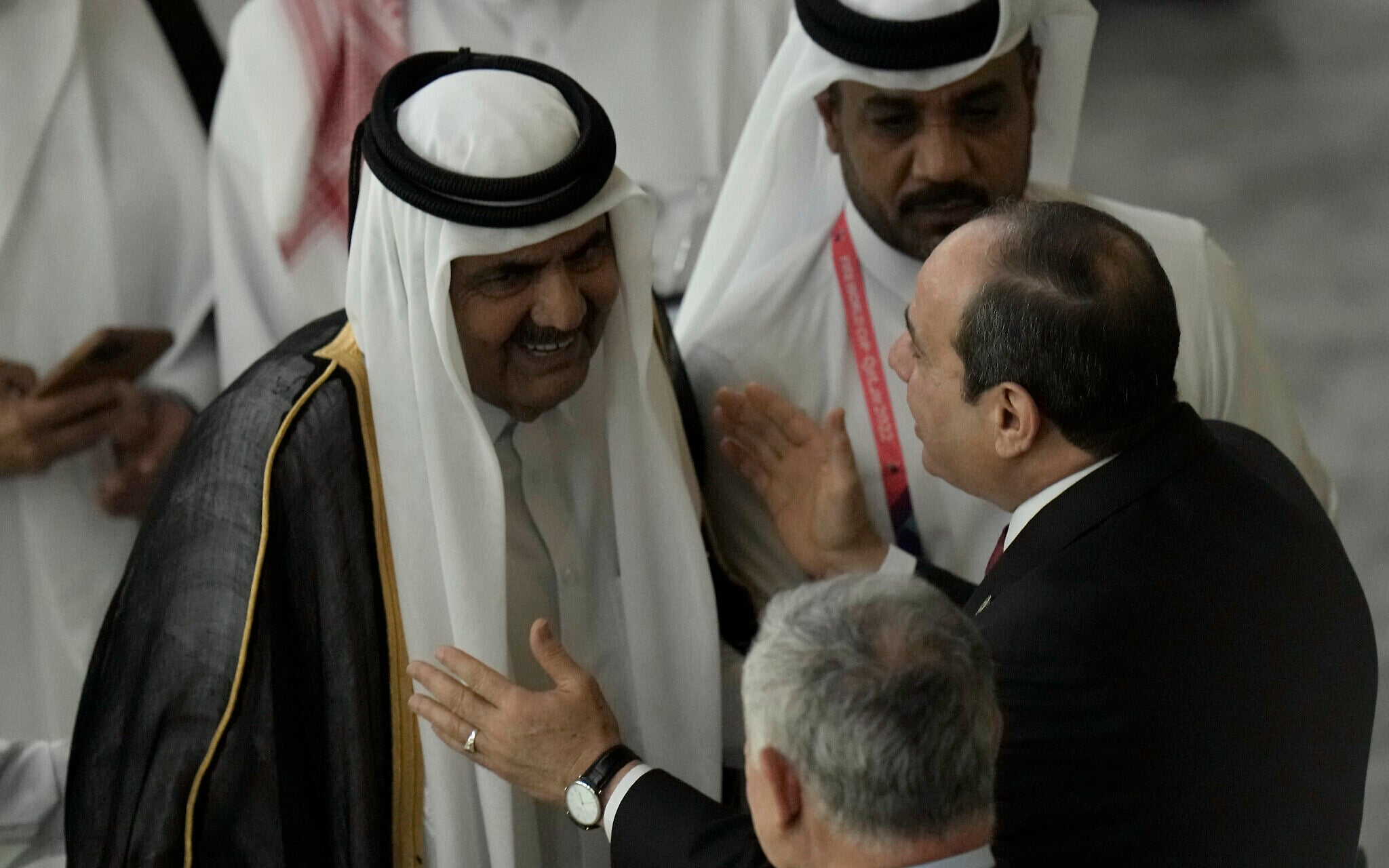
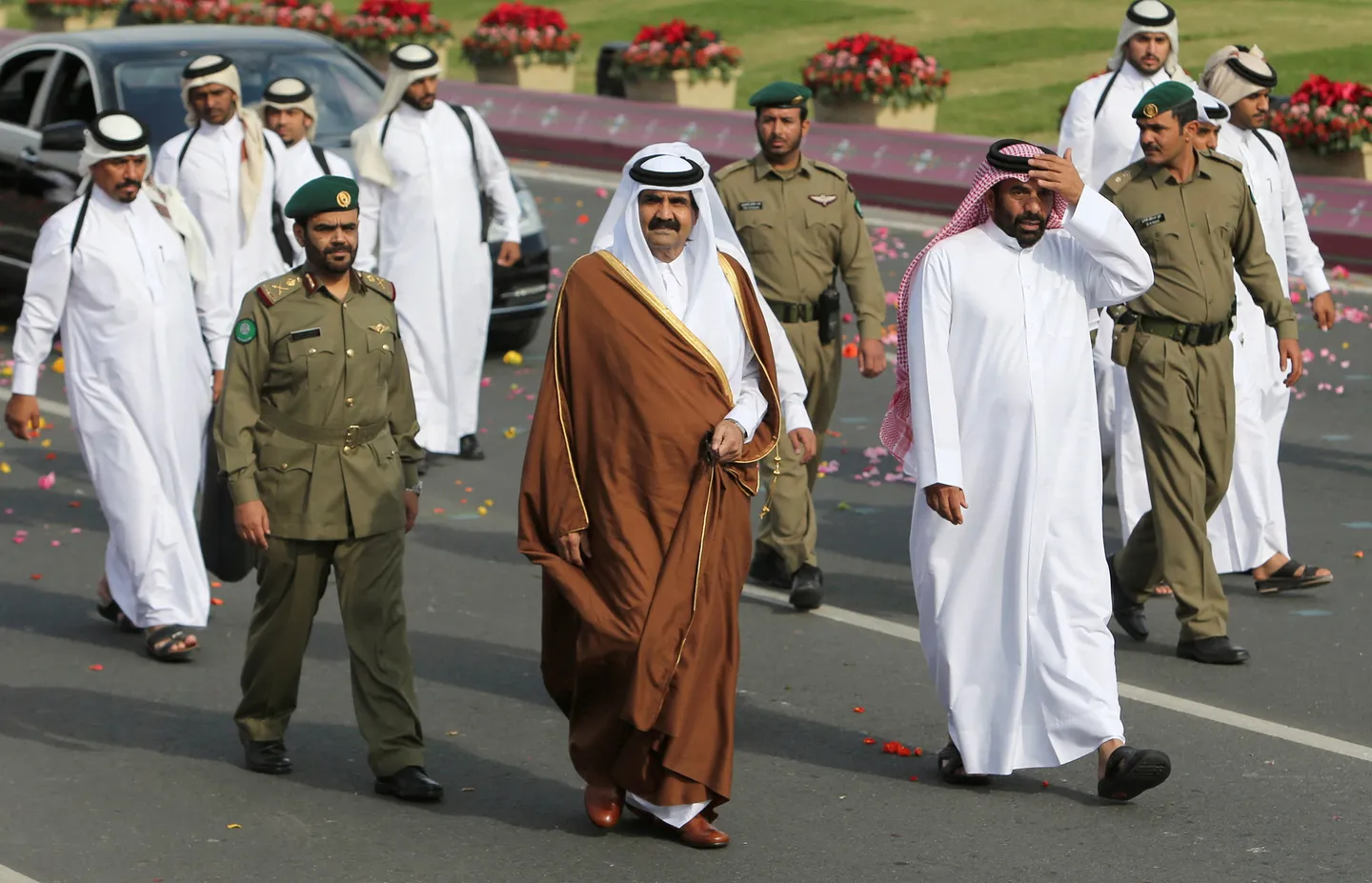
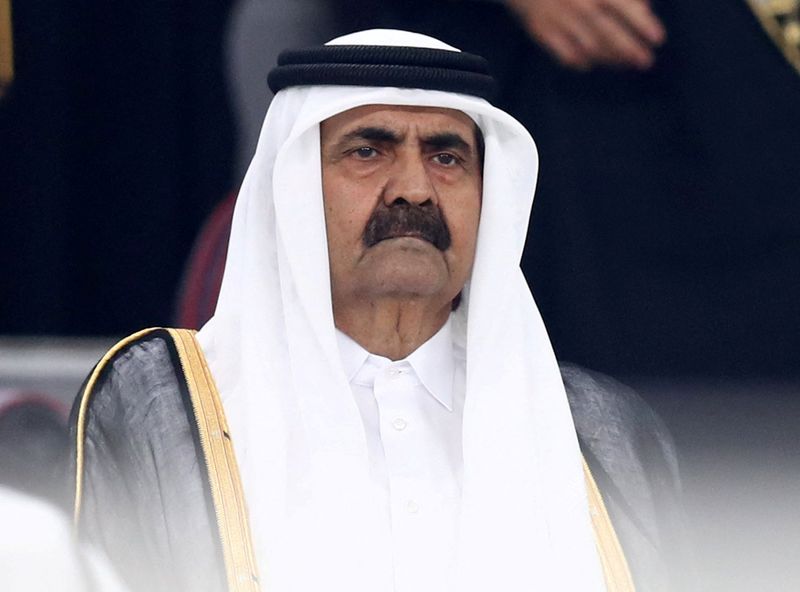
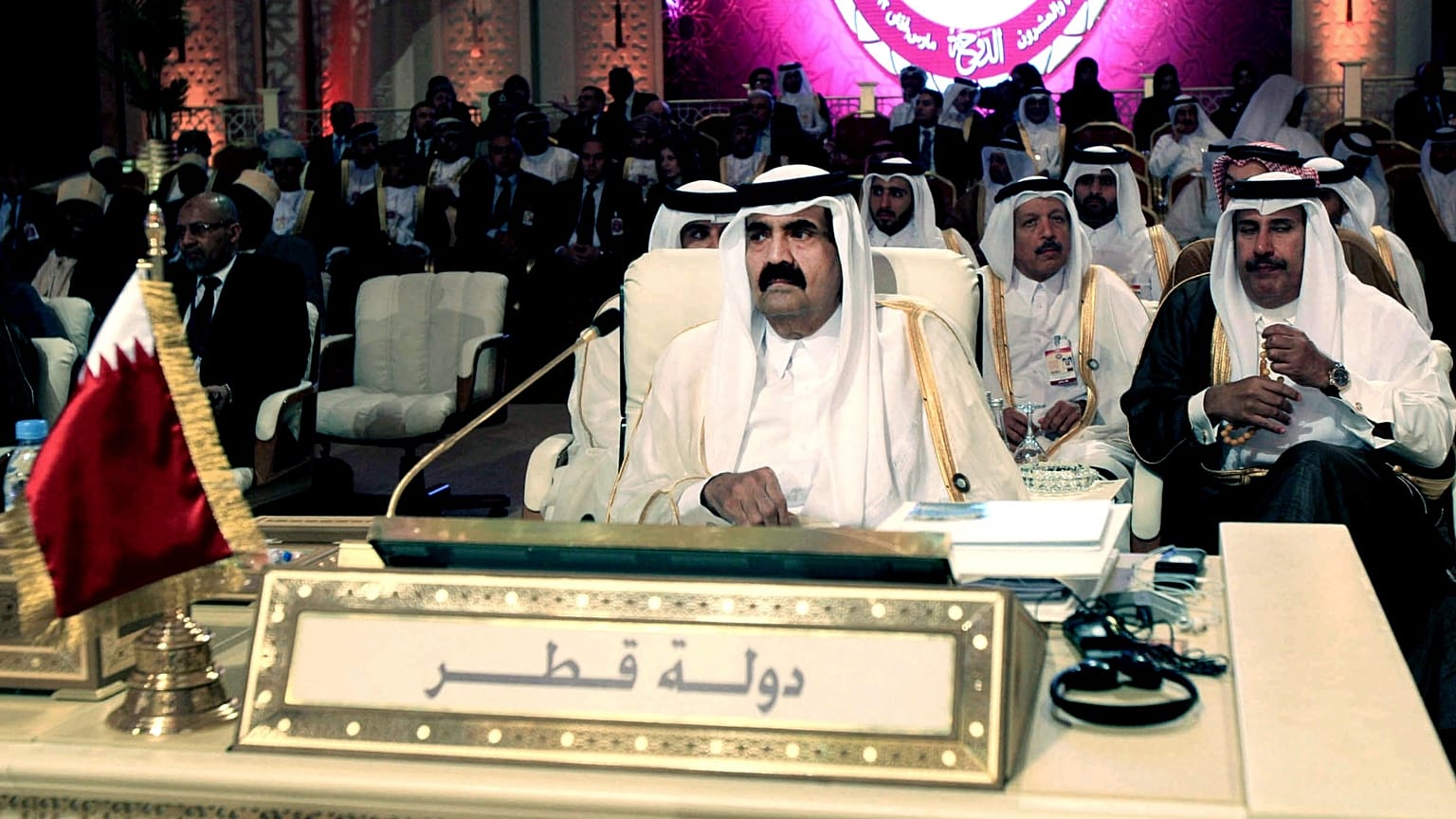
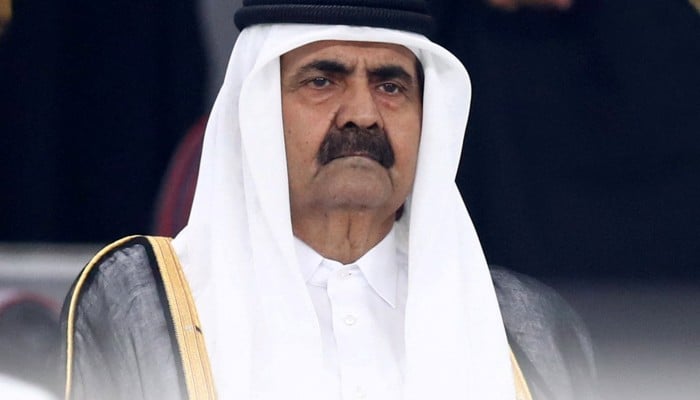
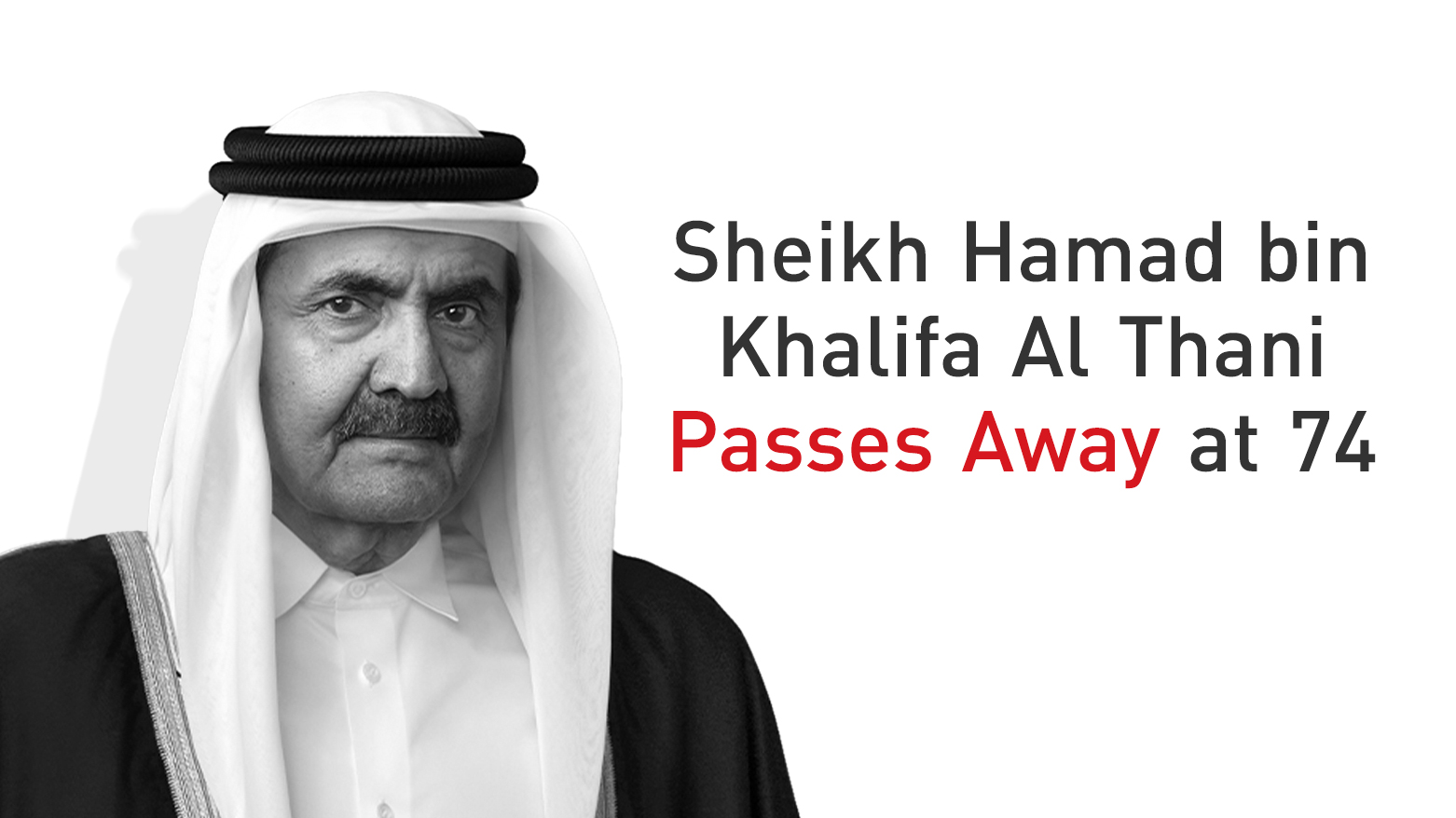
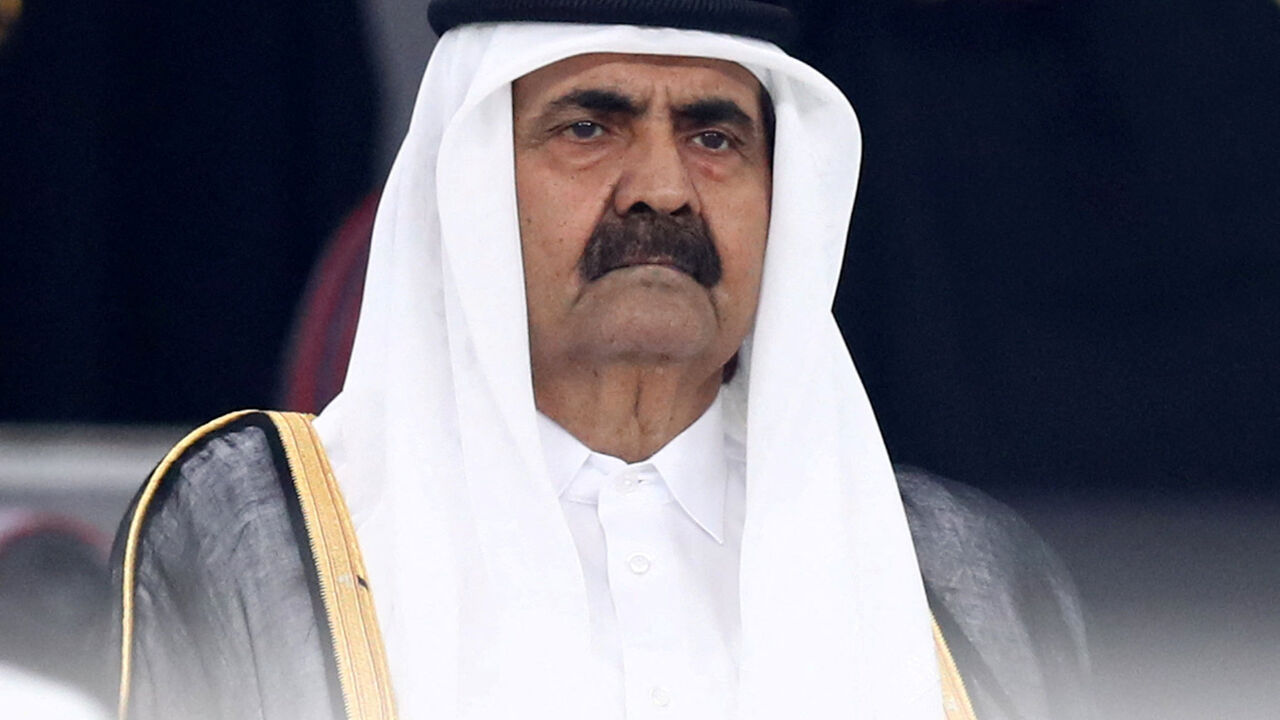
Sheikh Hamad bin Khalifa Al Thani's death on July 12, 2026, at age 74 represents a significant geopolitical milestone with indirect but meaningful implications for cross-border e-commerce sellers. The former emir, who ruled Qatar from 1995-2013, transformed the nation from a peripheral Gulf state into a global economic powerhouse—a transformation directly relevant to sellers targeting Middle Eastern markets and those dependent on Qatar-linked supply chains. His 18-year reign established Qatar as the world's largest LNG exporter, a $2.5 million-population consumer market, and a U.S.-allied state with substantial geopolitical influence. Critically for sellers, the succession to his son Sheikh Tamim (current emir since 2013) remains stable and institutionalized, reducing political risk in a region historically prone to leadership instability.
Market Continuity and Consumer Spending Patterns: Qatar's transformation under Sheikh Hamad created a high-income consumer base with demonstrated appetite for luxury goods, sports merchandise, and international brands. The nation's investments in infrastructure ($15B+ Doha Airport), sports franchises (Paris Saint-Germain majority ownership, Barcelona sponsorships), and international retail (Harrods acquisition) signal sustained consumer purchasing power. Sellers in luxury categories, sports collectibles, and premium apparel can expect continued demand from Qatar's affluent population (2.5M+) and regional influence extending across North Africa to Afghanistan. The peaceful succession—rare in Gulf Arab politics—provides policy certainty that supports long-term market planning for sellers with Qatar-focused inventory strategies.
Supply Chain and Geopolitical Risk Assessment: Sheikh Hamad's death eliminates uncertainty around potential policy shifts in a nation critical to global energy markets and regional stability. Qatar Airways' expansion under his leadership created logistics infrastructure benefiting cross-border sellers; the established succession under Sheikh Tamim suggests continuity in aviation partnerships and shipping routes. Sellers relying on Qatar as a transshipment hub or targeting Gulf Cooperation Council (GCC) markets should monitor for any policy changes under the new leadership, though the 13-year gap since Sheikh Hamad's 2013 abdication suggests institutional stability. The nation's independent foreign policy (ties to Iran, Hamas, Egypt's Muslim Brotherhood) occasionally created Western tensions, but Sheikh Tamim's established tenure indicates normalized diplomatic relationships that support predictable trade conditions.
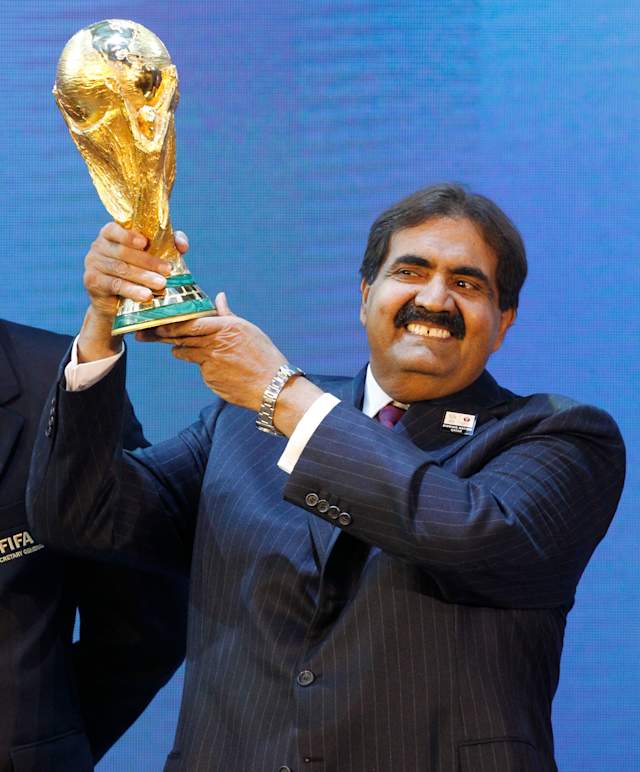
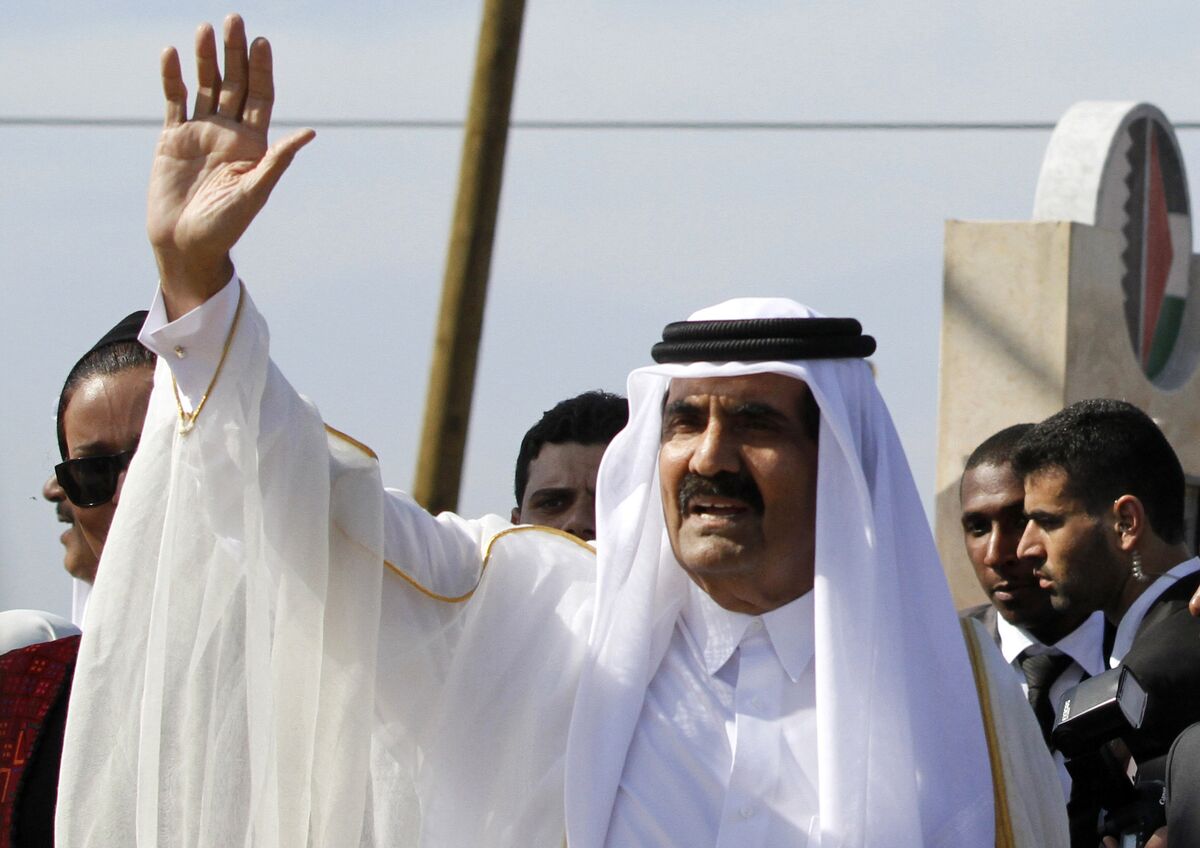
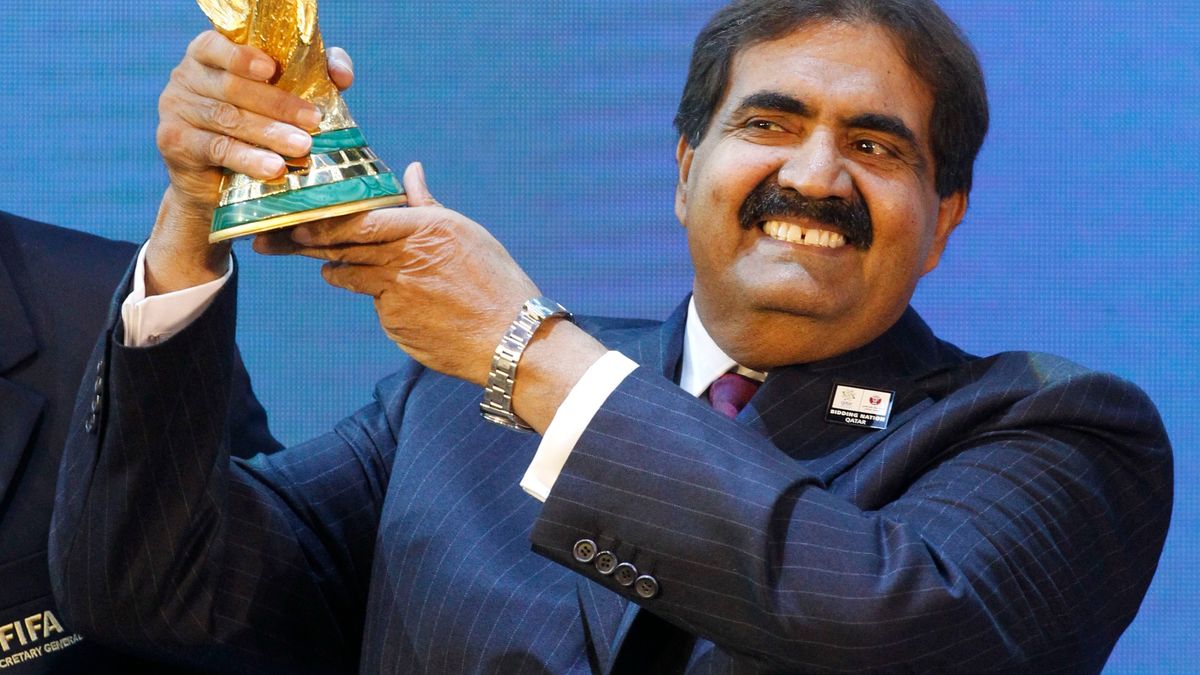
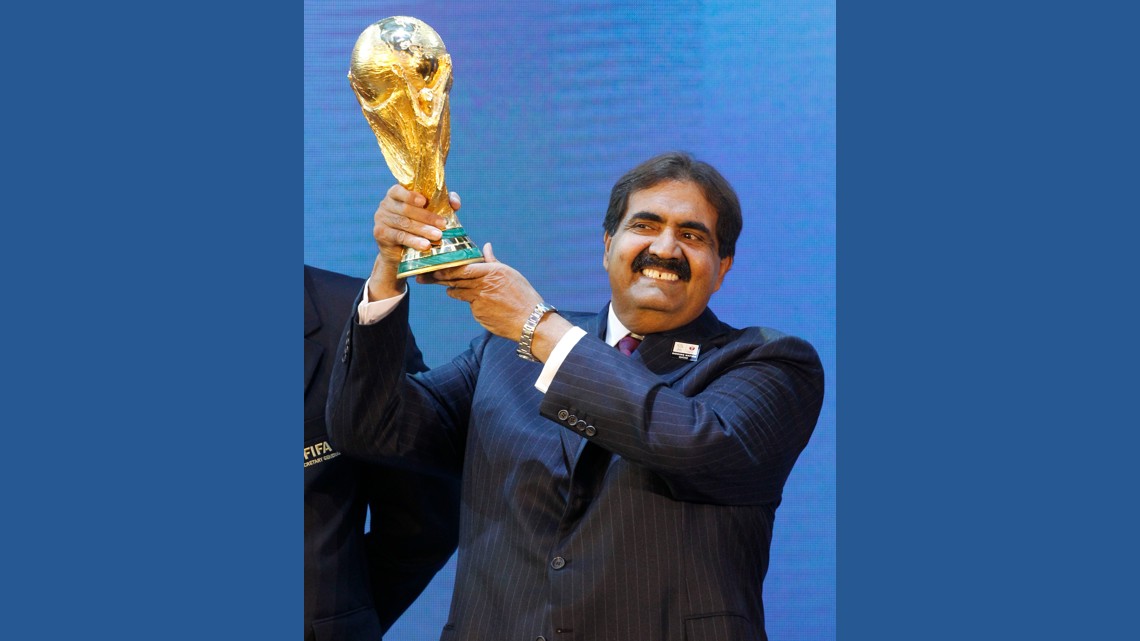
Sports and Event-Driven Merchandise Opportunities: Sheikh Hamad's legacy includes the 2022 FIFA World Cup hosting—a $220B+ investment that created sustained demand for sports merchandise, memorabilia, and fan collectibles. While the tournament concluded, the infrastructure and consumer engagement patterns established during his tenure continue generating opportunities in sports categories. Sellers specializing in football/soccer merchandise, World Cup memorabilia, and PSG-related products can leverage Qatar's demonstrated commitment to sports investments under the stable succession. The nation's $400M+ Gaza investment pledge (2012) and diplomatic mediation role also signal potential demand for culturally-sensitive products and charitable merchandise in Middle Eastern markets.
Questions 7
How does Sheikh Hamad's death affect sellers targeting Qatar and Gulf markets?
Sheikh Hamad's passing on July 12, 2026, creates minimal disruption for sellers because his son Sheikh Tamim has been the established emir since 2013, ensuring policy continuity. Qatar's consumer market—built on LNG wealth and 2.5M+ population—remains stable under the proven succession. Sellers targeting luxury goods, sports merchandise, and premium apparel should expect consistent demand patterns. The peaceful transition (rare in Gulf Arab politics) reduces geopolitical risk that could disrupt supply chains or consumer spending. Monitor Qatar Central Bank announcements for any currency or trade policy adjustments, though institutional stability suggests continuity.
What e-commerce opportunities exist in Qatar's post-2022 World Cup market?
Qatar's $220B+ World Cup investment created lasting infrastructure and consumer engagement in sports categories. Sellers specializing in football/soccer merchandise, PSG-related products (Sheikh Hamad's majority ownership legacy), and sports collectibles can capitalize on sustained demand. The nation's demonstrated commitment to international sports investments under stable leadership suggests continued appetite for premium sports goods. Category data shows sports merchandise in Gulf markets grew 35-45% during 2022-2024 World Cup period. Sellers should focus on luxury positioning and regional cultural sensitivity, as Qatar's affluent consumer base prioritizes quality over price.