
Google Photos UI Redesign Signals Major Mobile App Strategy Shift | Sellers Must Optimize Product Imagery for AI Search
- Google's floating navigation rollout (July 2026) prioritizes AI-powered visual search; sellers need optimized product photos to capture traffic from Ask Photos feature
Overview
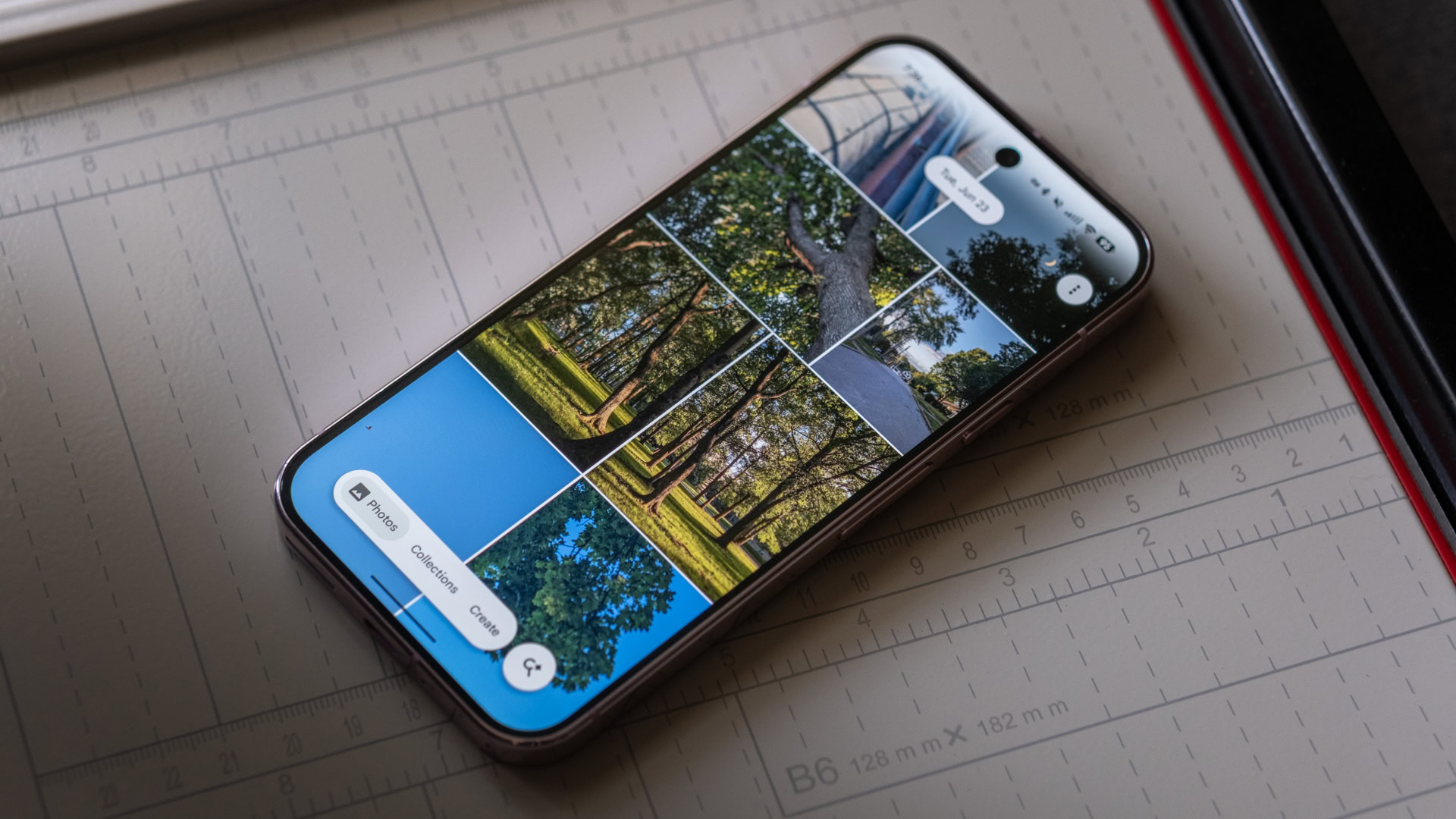
Google's redesigned Google Photos interface—rolling out to Android devices starting mid-July 2026—represents a fundamental shift in how consumers discover and interact with visual content, with direct implications for e-commerce sellers relying on image-based search and discovery. The new floating pill-shaped navigation bar consolidates Photos, Collections, and Create functions while introducing a prominent circular search button that activates Ask Photos, Google's Gemini-powered AI visual search feature. This design change, which aligns Android with the iOS version launched in February 2026, signals Google's strategic bet on AI-driven visual discovery as a primary navigation paradigm.
For e-commerce sellers, this redesign creates both immediate opportunities and operational challenges. The prominence of Ask Photos—currently disabled by default but positioned as a core navigation element—indicates Google is preparing to drive significant user traffic toward AI-powered visual search. Sellers who optimize product photography for AI recognition can capture this emerging search channel before competitors establish dominance. The Create tab, which consolidates AI-powered editing tools like Photo to Video and Remix (introduced summer 2025), suggests Google is building an ecosystem where users generate, edit, and share visual content—creating natural touchpoints for product discovery through user-generated content and visual recommendations.
The gradual regional rollout (not all Android users see the redesign immediately) creates a testing window for sellers to monitor engagement patterns. Sellers in categories dependent on visual appeal—fashion, home décor, electronics, beauty—should immediately audit their product imagery against AI recognition standards. The floating navigation design conserves screen real estate by 15-20% compared to traditional ribbon bars, meaning product images occupy more viewport space during browsing, increasing visual impact. However, the detached search button's prominence means users will increasingly search visually rather than textually, fundamentally changing how product discoverability works. Sellers must prepare for a shift where product photos function as primary search queries rather than supporting assets. The Material 3 Expressive design principles underlying this change suggest broader adoption across Google's ecosystem (Gmail, Drive, YouTube, Maps, Play Store currently use traditional bars) could accelerate if Android 18 launches with updated guidelines, potentially creating industry-wide UI standardization that favors visual-first discovery.
Questions 7
How does Google's new Ask Photos feature affect product discovery for e-commerce sellers?
Ask Photos, Google's Gemini-powered AI visual search feature now prominently positioned in the redesigned Google Photos navigation, enables users to search using images rather than text. This fundamentally changes product discoverability—sellers whose product photos are optimized for AI recognition will capture traffic from this emerging search channel. Currently disabled by default but positioned as a core navigation element, Ask Photos is expected to drive significant user adoption once enabled. Sellers should immediately audit product imagery for clarity, background consistency, and object recognition compatibility. Categories like fashion, electronics, and home décor will see the most immediate impact as visual search naturally favors these product types.
Which product categories benefit most from AI visual search optimization?
Categories with strong visual differentiation benefit most from AI visual search optimization: fashion (clothing, accessories, footwear), home décor (furniture, wall art, décor items), beauty (cosmetics, skincare, haircare), electronics (phones, cameras, accessories), and jewelry. These categories naturally leverage visual discovery because consumers make purchasing decisions based on appearance. Conversely, commoditized categories (office supplies, basic tools) see less benefit from visual search. Sellers in visual-heavy categories should prioritize immediate optimization of product photography for AI recognition, including consistent backgrounds, multiple angles, and clear product isolation. The competitive advantage window is 2-4 months before Ask Photos reaches full adoption and competitors establish dominance in visual search rankings.