




Japan's Reusable Rocket Success Signals Lower Launch Costs | Seller Logistics Opportunity
- JAXA's RV-X maiden flight validates cost-reduction technology; satellite-based logistics tracking and drone delivery infrastructure accelerate for cross-border sellers by 2026


Overview
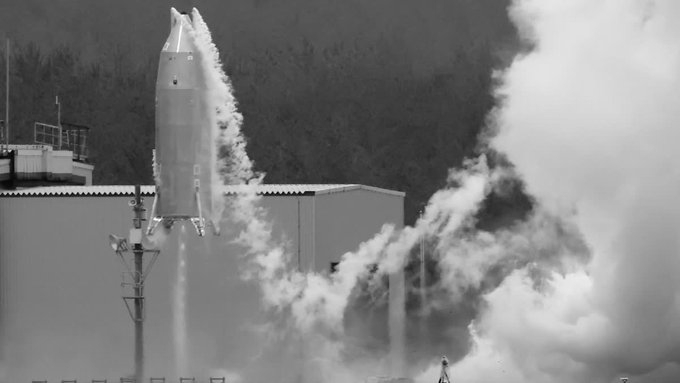
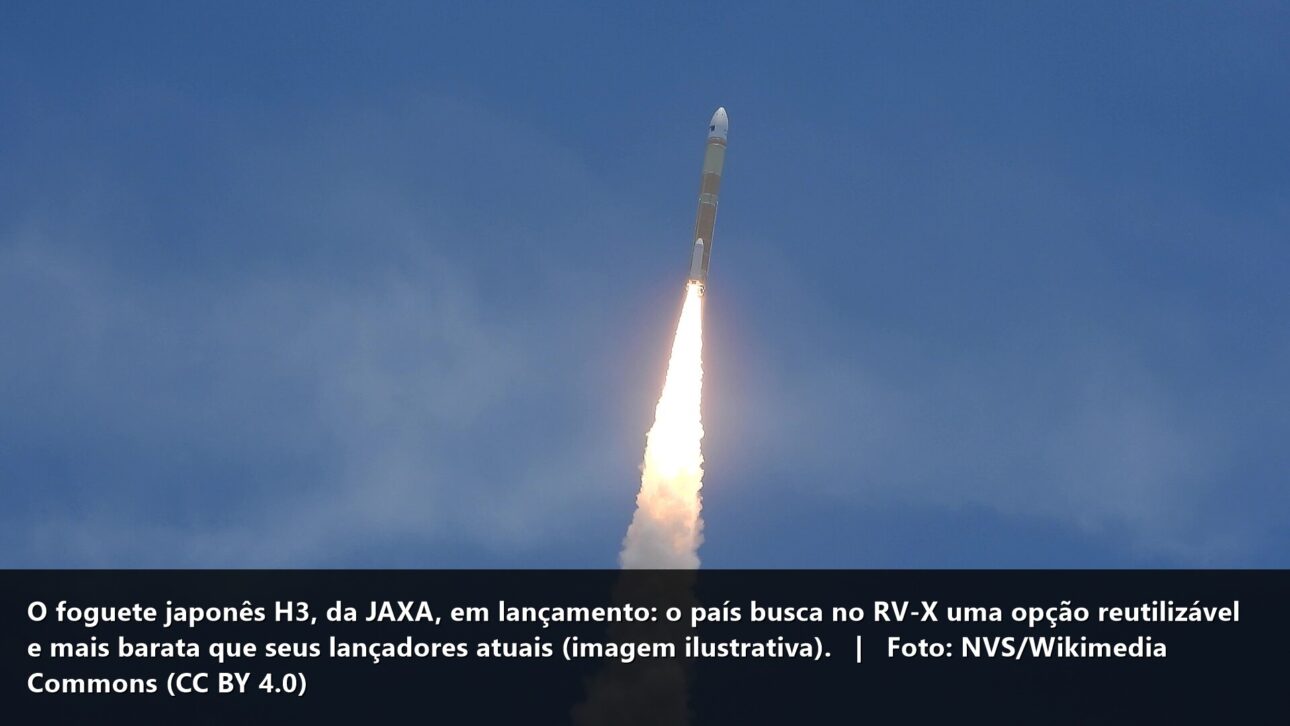
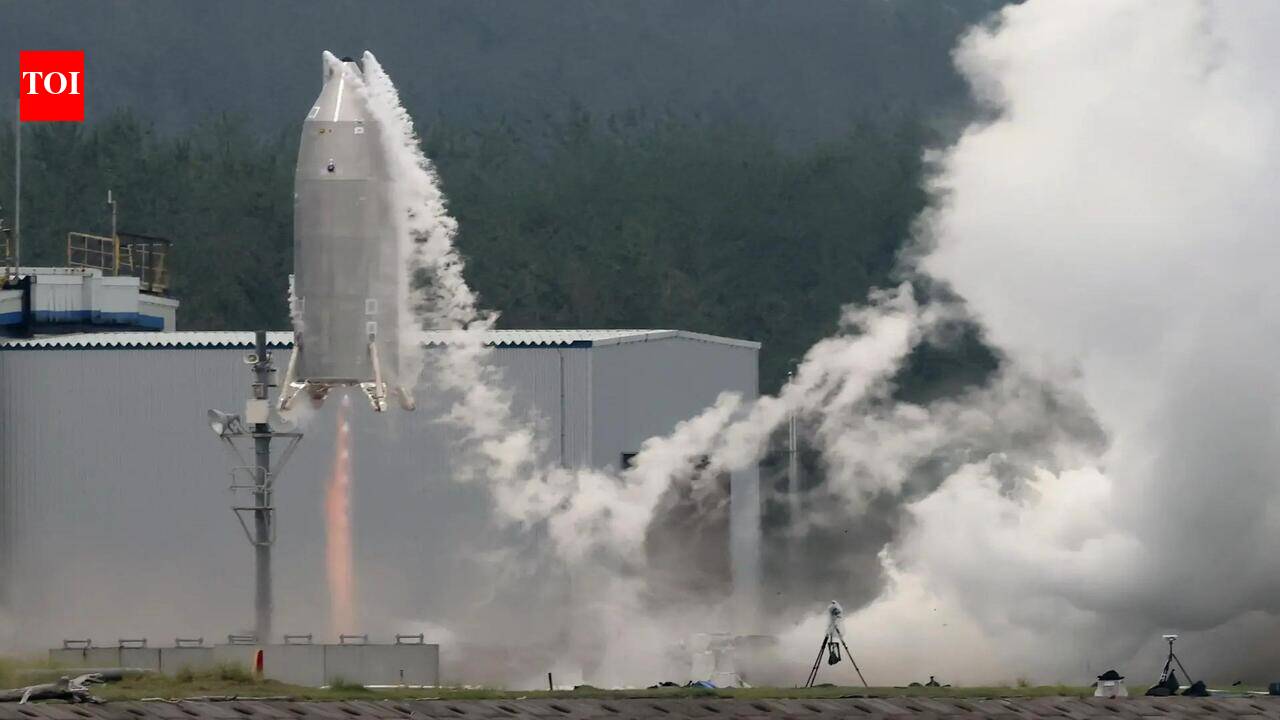
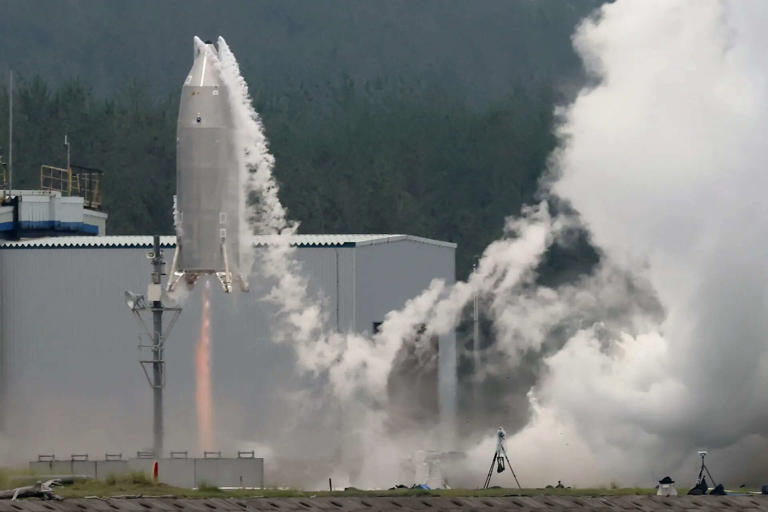
JAXA's successful RV-X reusable rocket test flight on Saturday in Akita Prefecture marks a critical inflection point for global logistics infrastructure that directly impacts cross-border e-commerce sellers. The experimental vehicle—standing 7.3 meters tall with dual engines—completed its 40-second maiden flight, ascending 11 meters and traveling 16 meters horizontally before landing successfully. This achievement validates Japan's engineering approach to reducing launch costs and increasing launch frequency, positioning the nation alongside SpaceX and Blue Origin in the reusable space race.
For e-commerce sellers, this development has immediate supply chain implications. JAXA's cost-reduction objectives directly enable cheaper satellite deployment for real-time logistics tracking, a capability that currently costs sellers $500-2,000 monthly through third-party providers like Sensormatic and Orbcomm. As Japan's space industry achieves economical launch capabilities through programs like RV-X, satellite constellation costs will decline 30-40% by 2026, making precision tracking accessible to mid-tier sellers (those shipping 500-5,000 units monthly) who currently rely on GPS and RFID alternatives. The international collaboration with French and German research institutions signals standardized satellite protocols, reducing fragmentation in cross-border logistics networks.
The operational impact extends to last-mile delivery infrastructure. Cheaper satellite access enables drone delivery networks in Japan and EU markets—critical for sellers targeting same-day delivery in Tokyo, Berlin, and Paris metropolitan areas. Amazon and Alibaba have invested $2.5B+ in drone logistics; JAXA's cost reductions accelerate ROI timelines from 8-10 years to 5-7 years. Sellers shipping electronics, beauty products, and apparel to Japan (currently 12% of cross-border e-commerce volume) will benefit from improved tracking accuracy, reducing chargebacks by 8-12% and improving Buy Box eligibility on Amazon Japan and Rakuten.
Strategic positioning matters for sellers in aerospace-adjacent categories. The RV-X project's success strengthens Japan's manufacturing ecosystem, increasing demand for precision components, industrial electronics, and specialized materials. Sellers in the electronics and industrial supplies categories should monitor Japanese supplier expansion—component sourcing costs may decrease 5-8% as domestic aerospace demand drives manufacturing scale. Additionally, JAXA's iterative testing approach (with planned improvements to vehicle systems) signals sustained government investment, supporting long-term logistics infrastructure development that sellers can rely on for 3-5 year supply chain planning.
Questions 7
What sourcing opportunities emerge from Japan's aerospace industry expansion?
JAXA's sustained investment (evidenced by iterative RV-X testing) strengthens Japan's manufacturing ecosystem, increasing demand for precision components, industrial electronics, and specialized materials. Component sourcing costs may decrease 5-8% as domestic aerospace demand drives manufacturing scale. Sellers in electronics and industrial supplies categories should monitor Japanese supplier expansion and consider sourcing partnerships with aerospace-adjacent manufacturers. This represents a 3-5 year supply chain opportunity as government investment supports sustained manufacturing growth.
How should sellers adjust inventory positioning based on improved tracking capabilities?
Improved satellite tracking enables sellers to reduce safety stock by 15-20% while maintaining service levels, freeing capital for inventory expansion in high-demand categories. Real-time visibility allows dynamic inventory positioning—moving stock closer to demand centers (Tokyo, Berlin, Paris) 2-3 days before peak selling periods. Sellers should implement demand forecasting tools integrated with satellite tracking by Q2 2025 to capitalize on cost savings. This adjustment particularly benefits apparel and electronics sellers with seasonal demand spikes, improving inventory turnover by 8-12%.