



Strait of Hormuz Crisis Triggers 4% Oil Surge | Critical Supply Chain Risk for E-Commerce Sellers
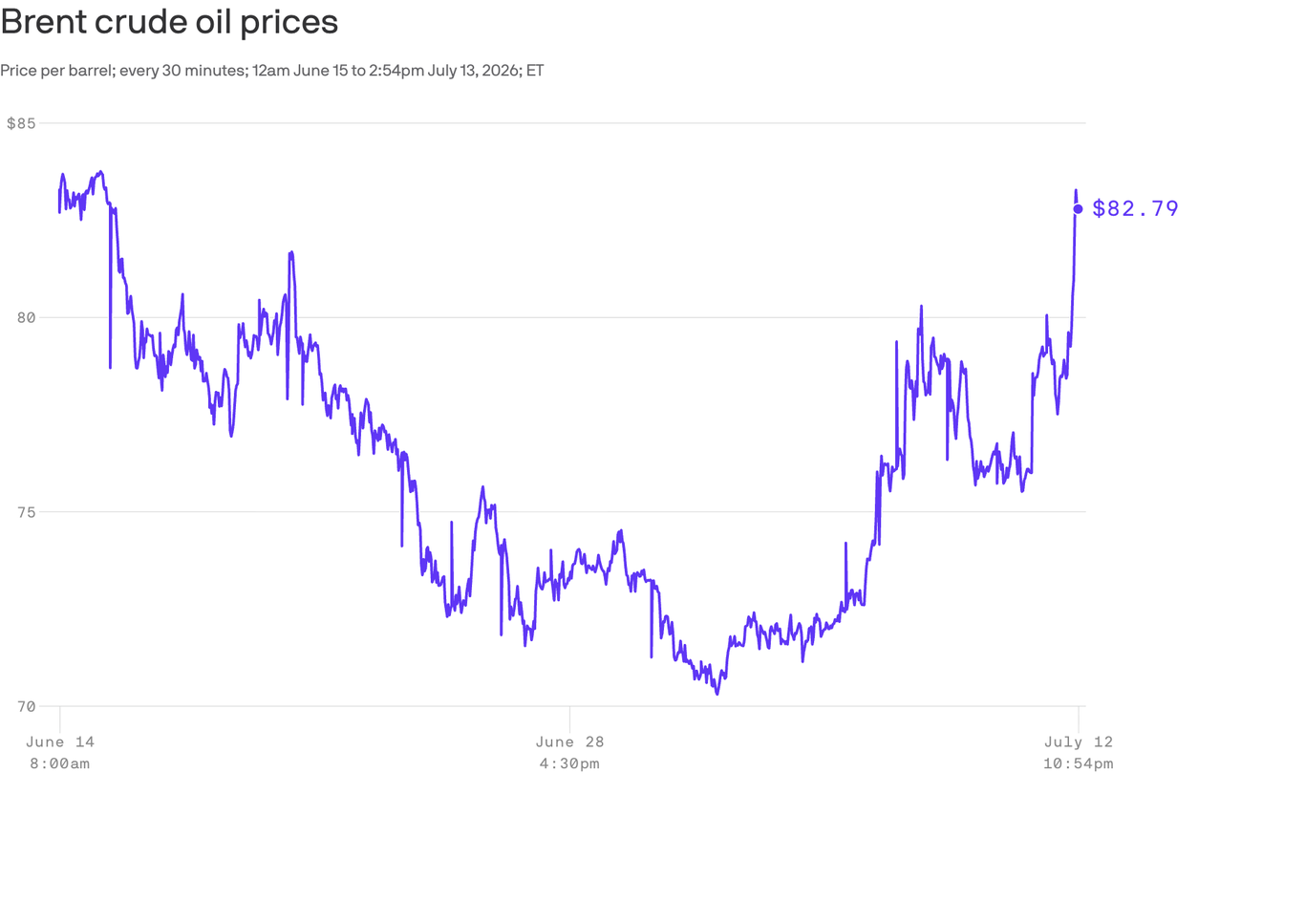
- Brent crude jumps to $79.17/barrel amid military escalation; shipping delays and logistics cost increases imminent for cross-border sellers within 1-4 weeks








.jpg?sfvrsn=97f8d265_5)


Overview
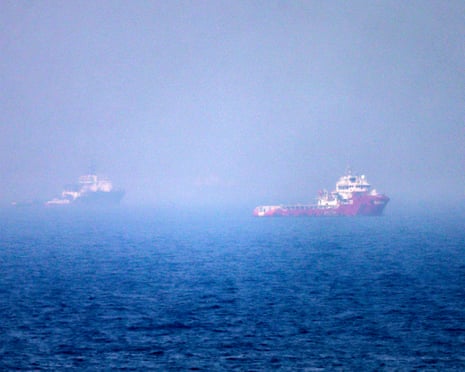
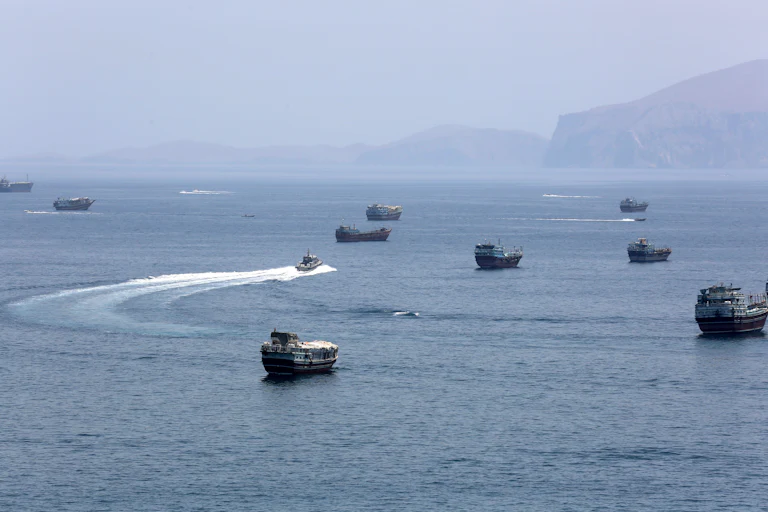
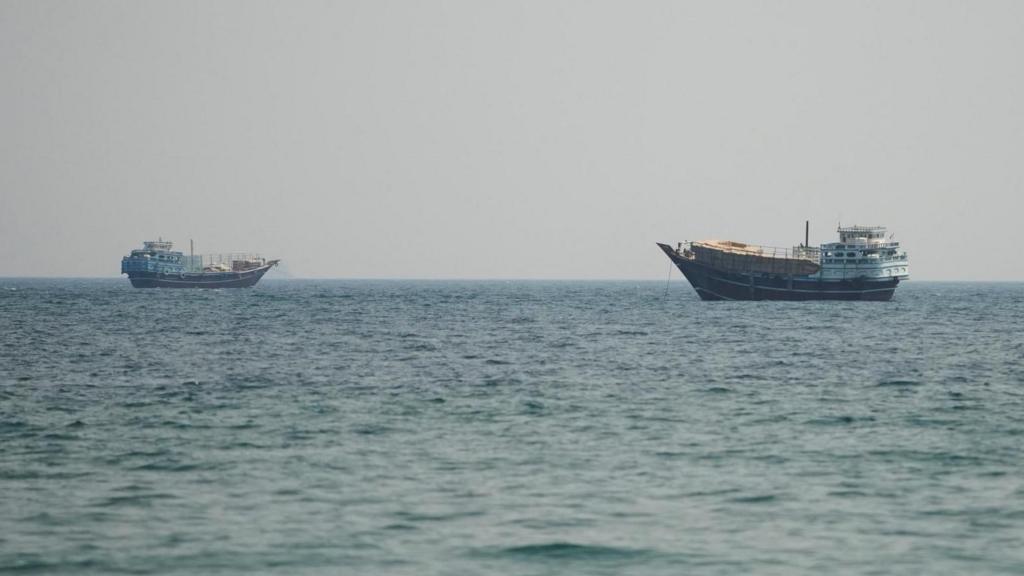
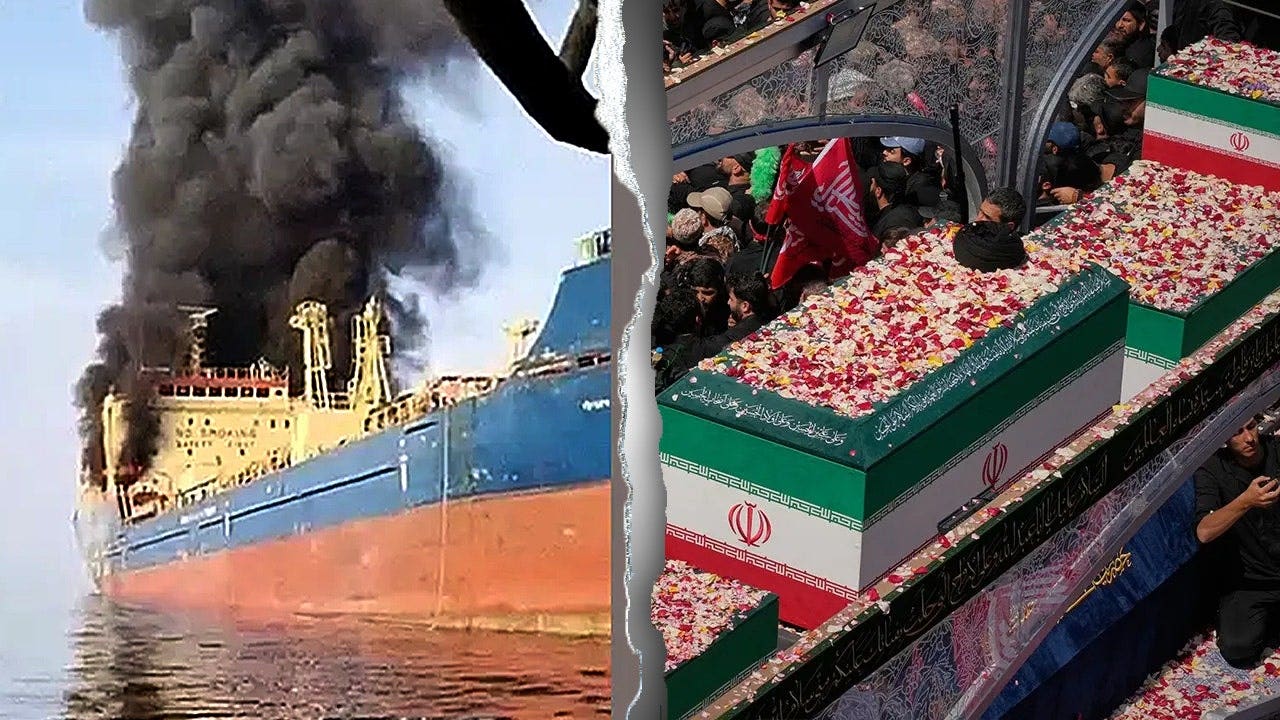
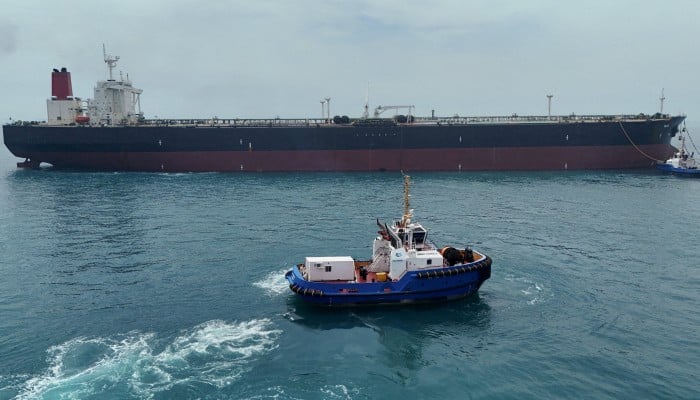
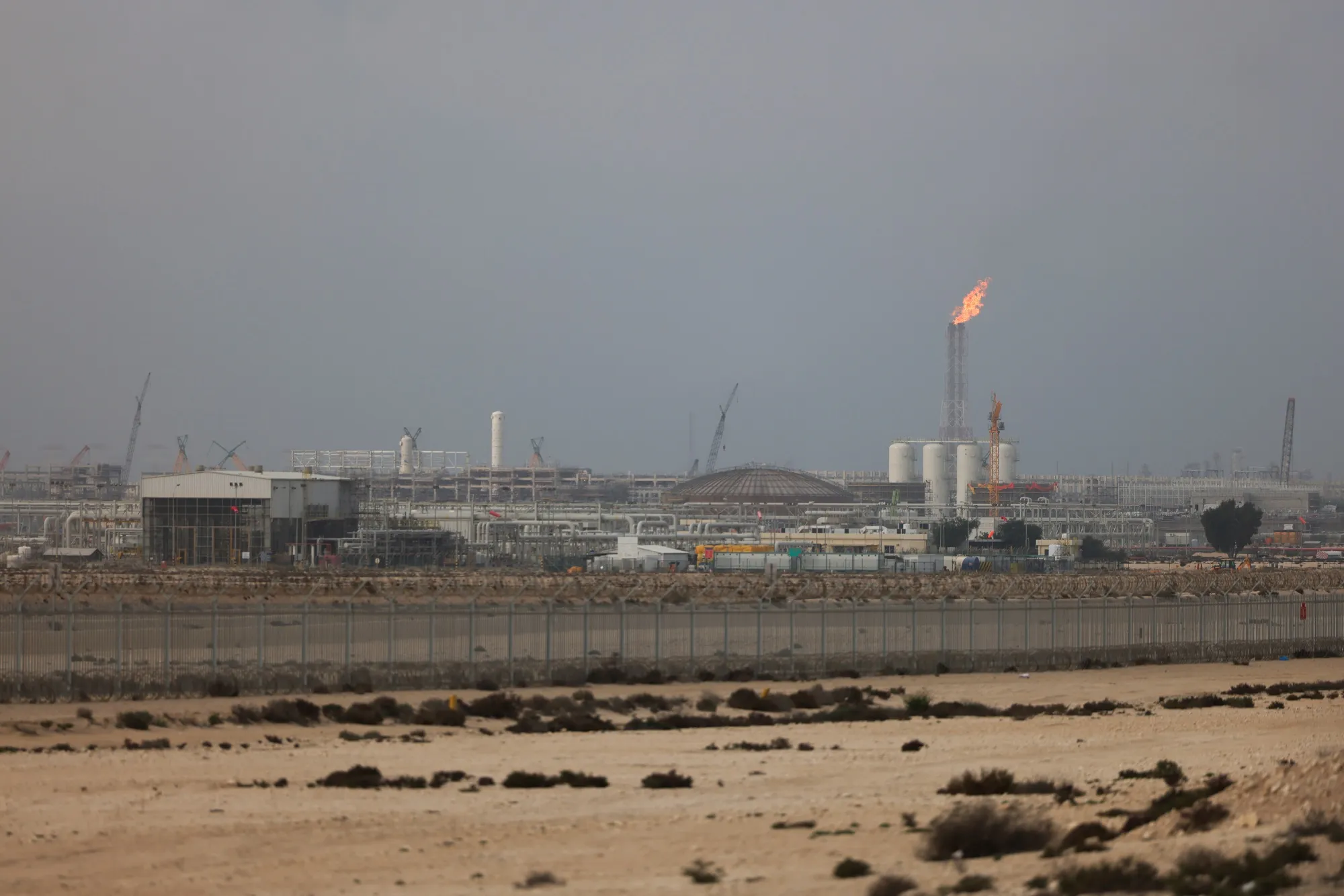
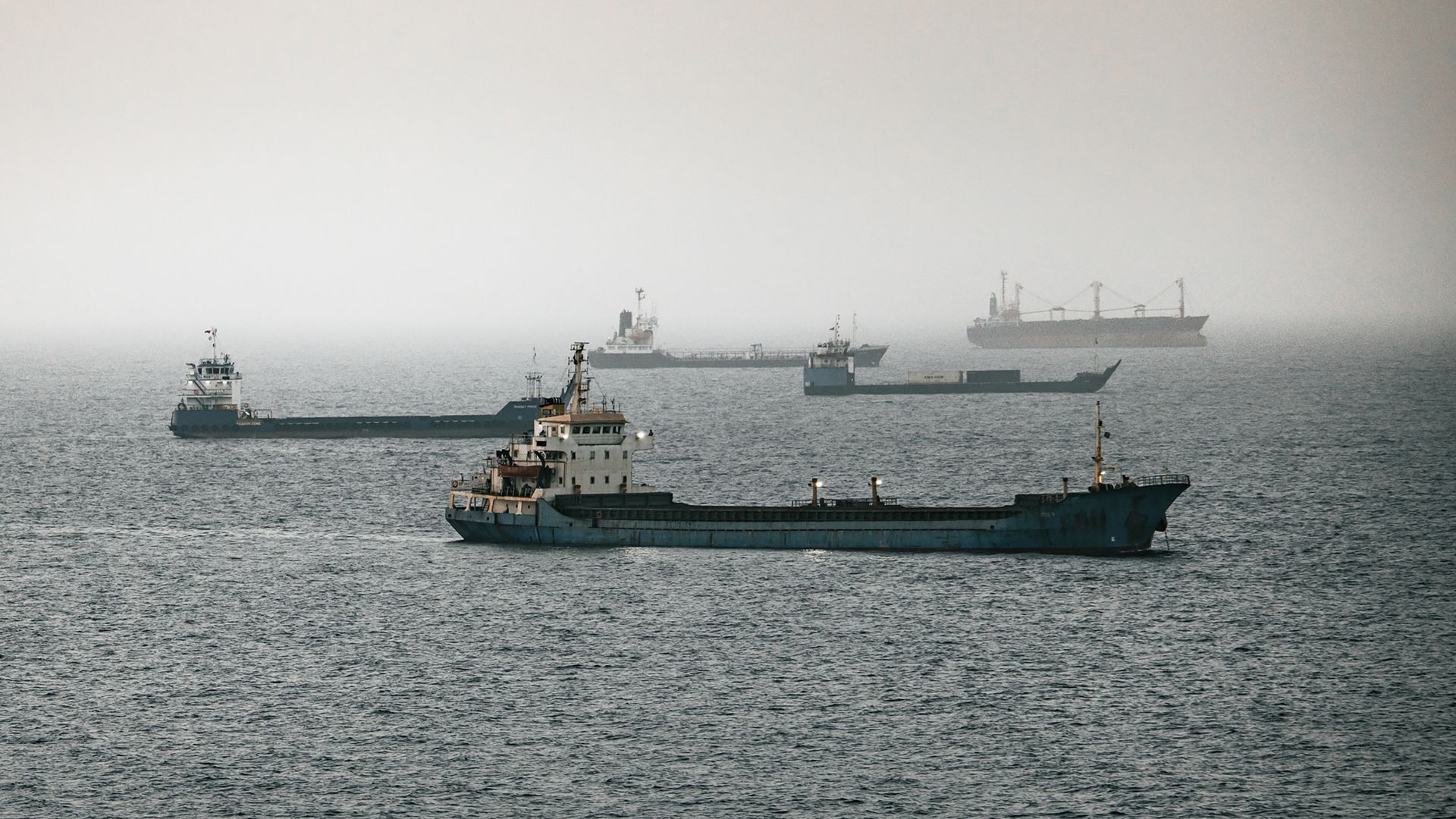
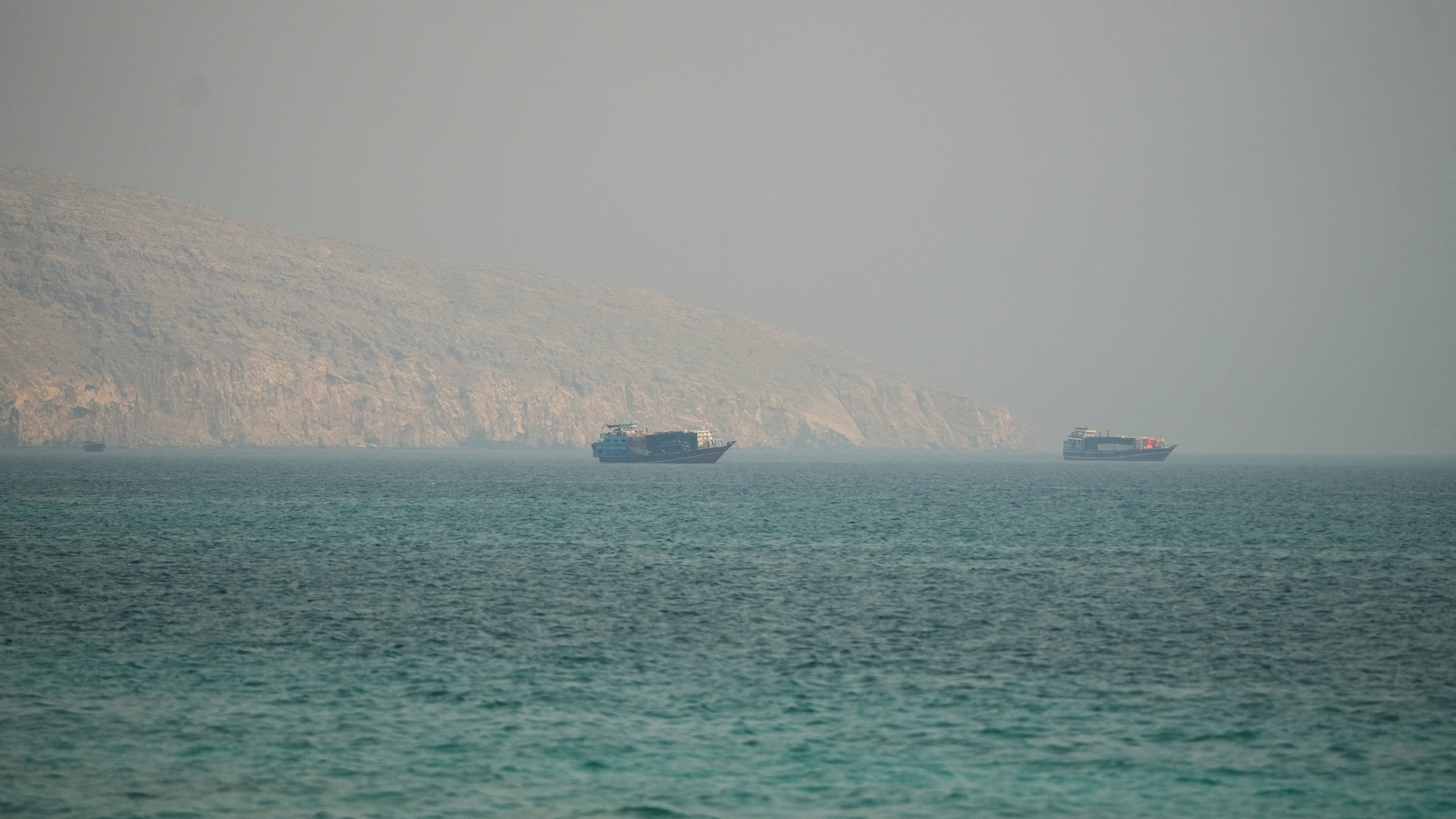
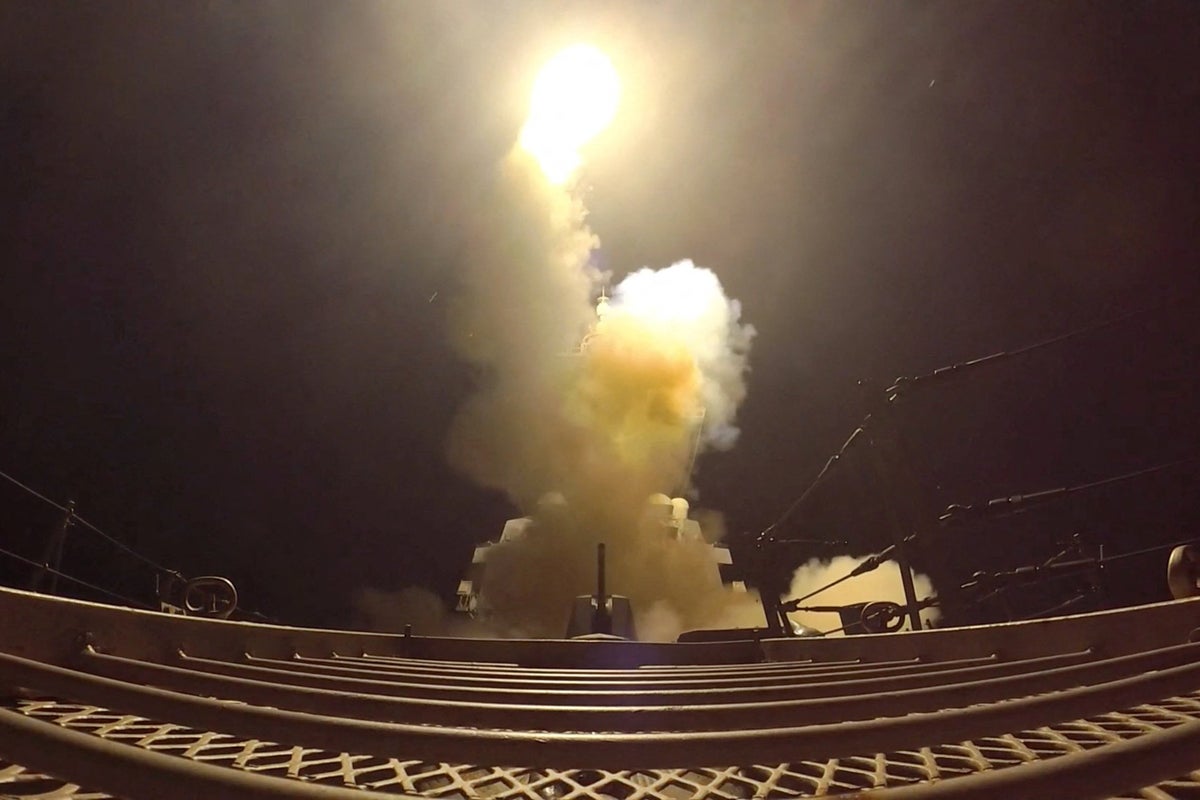
The July 2026 military escalation between the US and Iran over control of the Strait of Hormuz represents a critical supply chain disruption event for global e-commerce sellers. On July 13, 2026, Iran launched retaliatory attacks against US military installations across the Middle East following American bombardment, with Brent crude oil prices surging 4% to $79.17 per barrel—the highest level since June 22. This geopolitical crisis directly impacts cross-border sellers through three primary mechanisms: (1) Immediate shipping cost increases affecting all product categories shipped via ocean freight through the Strait of Hormuz, which handles approximately 21% of global petroleum trade and critical container shipping routes; (2) Supply chain disruption risks for sellers sourcing from Asia-Pacific manufacturing hubs (Vietnam, India, Thailand) whose exports transit the strait to reach US and EU markets; (3) Logistics network congestion as shipping lines implement security surcharges and rerouting protocols, adding 7-14 days to transit times and 8-15% cost premiums on affected shipments.
Operational Impact by Seller Segment: Small-to-medium sellers (SMBs) relying on FBA and 3PL fulfillment face immediate margin compression of 5-8% on products with thin margins (electronics, home goods, apparel). Large sellers with diversified logistics networks and pre-positioned inventory can absorb costs better but face working capital strain from extended payment cycles. The 60-day diplomatic negotiation window (established June 16 MOU) creates a critical decision point: sellers must decide within 7-14 days whether to accelerate inventory shipments before potential further escalation or hedge against higher freight costs through alternative sourcing corridors (Middle East rerouting adds 8-12 days; alternative routes via Suez add 15-20 days).
Category-Specific Vulnerabilities: High-volume, low-margin categories (electronics components, textiles, footwear, home furnishings) sourced from China, Vietnam, and India show highest exposure. Luxury goods and time-sensitive seasonal inventory (Q3-Q4 holiday merchandise currently in transit) face the greatest risk of delivery delays impacting peak selling seasons. Oil-dependent categories (plastics, chemicals, packaging materials) will see cost increases cascading through supply chains within 2-3 weeks as refineries adjust pricing. The Houthi maritime threat in the Gulf of Aden (Iran-backed militant group with sea mines and drones) adds secondary risk layer for sellers using southern Red Sea shipping routes.
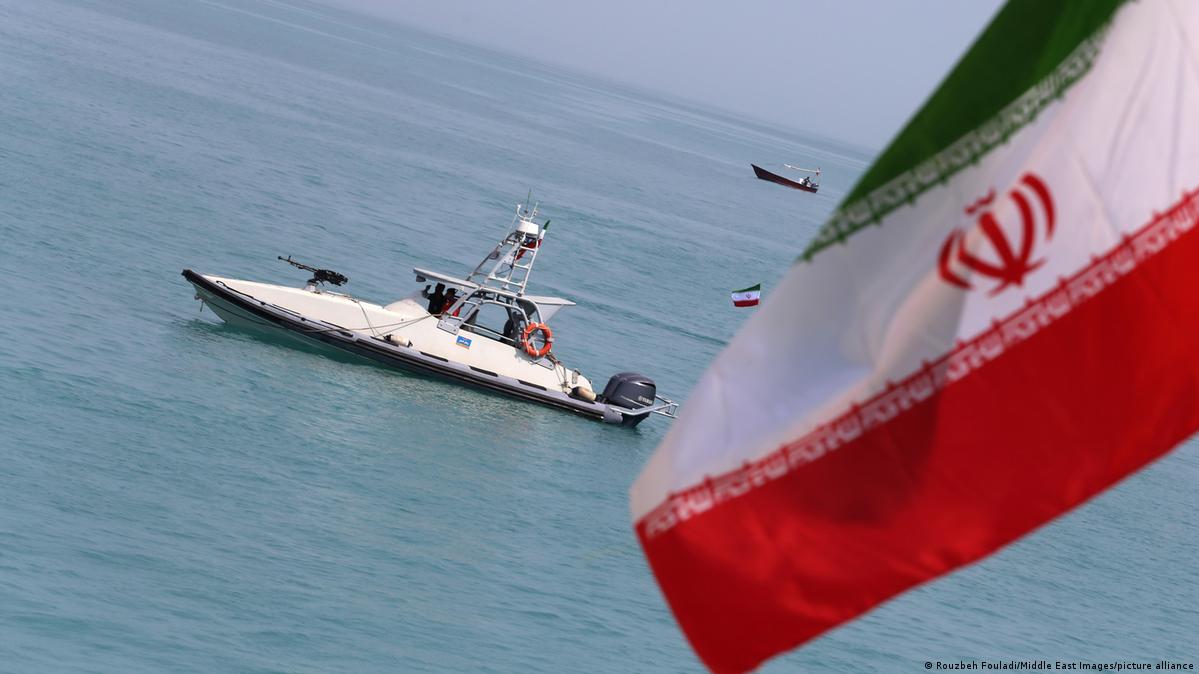
Tariff and Trade Policy Implications: The dispute centers on Iran's interpretation of the June 16 MOU as granting it authority to control Strait traffic and deny passage permissions, while the US insists on open international shipping. If Iran implements actual blockade measures, this could trigger emergency tariff exemptions or trade agreement modifications affecting duty rates on affected categories. Sellers should monitor for potential US government emergency trade declarations that could temporarily suspend tariffs on critical imports to maintain supply chain stability—a historical pattern during major geopolitical disruptions.
Questions 8
What alternative sourcing strategies should I consider to reduce Strait of Hormuz exposure?
Diversify sourcing away from Asia-Pacific suppliers dependent on Strait transit. Alternative strategies: (1) **India sourcing**: India-based suppliers can ship via Suez Canal (longer but more stable route); (2) **Vietnam/Thailand nearshoring**: Establish regional distribution centers in Southeast Asia to serve APAC markets directly; (3) **Mexico/Central America sourcing**: For US sellers, nearshoring to Mexico reduces Strait exposure and transit times to 5-7 days; (4) **Eastern Europe suppliers**: Poland, Czech Republic offer EU-based sourcing avoiding Strait entirely. However, evaluate total landed costs—alternative routes add 8-20 days and may increase unit costs 5-12%. Recommendation: Conduct a sourcing audit of your top 50 SKUs—identify which can be sourced from non-Strait-dependent suppliers within 6-12 months. For immediate relief (next 30-60 days), negotiate with current suppliers for alternative routing (Suez, Middle East rerouting) even if it adds 10-15 days. For strategic shift (3-12 months), evaluate nearshoring to Mexico or India for high-volume categories.
How do I monitor this geopolitical situation to make real-time supply chain decisions?
Establish a daily monitoring protocol: (1) **Oil price tracking**: Monitor Brent crude prices via Bloomberg, CNBC, or Freightos—prices above $80/barrel signal escalating crisis; (2) **Shipping rate indices**: Check Drewry Container Index and Shanghai Containerized Freight Index daily for rate trends; (3) **News alerts**: Set Google Alerts for 'Strait of Hormuz,' 'Iran-US tensions,' 'shipping delays' to catch breaking developments; (4) **Diplomatic progress**: Monitor Qatar, Oman, Pakistan diplomatic efforts—the 60-day negotiation window (through mid-September 2026) is your decision deadline; (5) **Logistics provider updates**: Request weekly rate and schedule updates from your 3PL/freight forwarder. Create a decision trigger: if Brent crude exceeds $85/barrel or shipping rates increase >20%, activate contingency plans (accelerate shipments, activate alternative suppliers). Use tools like Freightos, Container xChange, or your 3PL's dashboard for real-time visibility. Recommendation: Assign one team member to monitor these indicators daily and brief leadership weekly—this 15-minute daily task prevents costly surprises.