

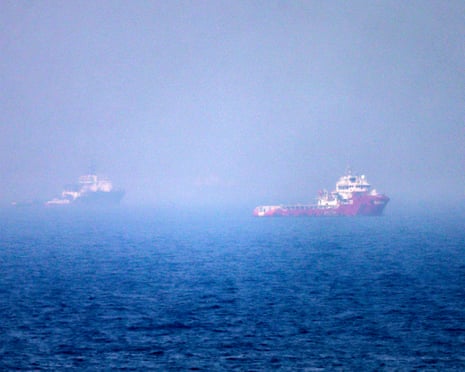



Strait of Hormuz Conflict Triggers Oil Surge to $79.17/bbl | Critical Supply Chain Risk for Cross-Border Sellers
- Brent crude jumps 4% amid military escalation; shipping delays and fuel surcharges expected to impact logistics costs 8-15% for sellers routing through Middle East corridors within 30-60 days



.jpg?sfvrsn=97f8d265_5)


















Overview
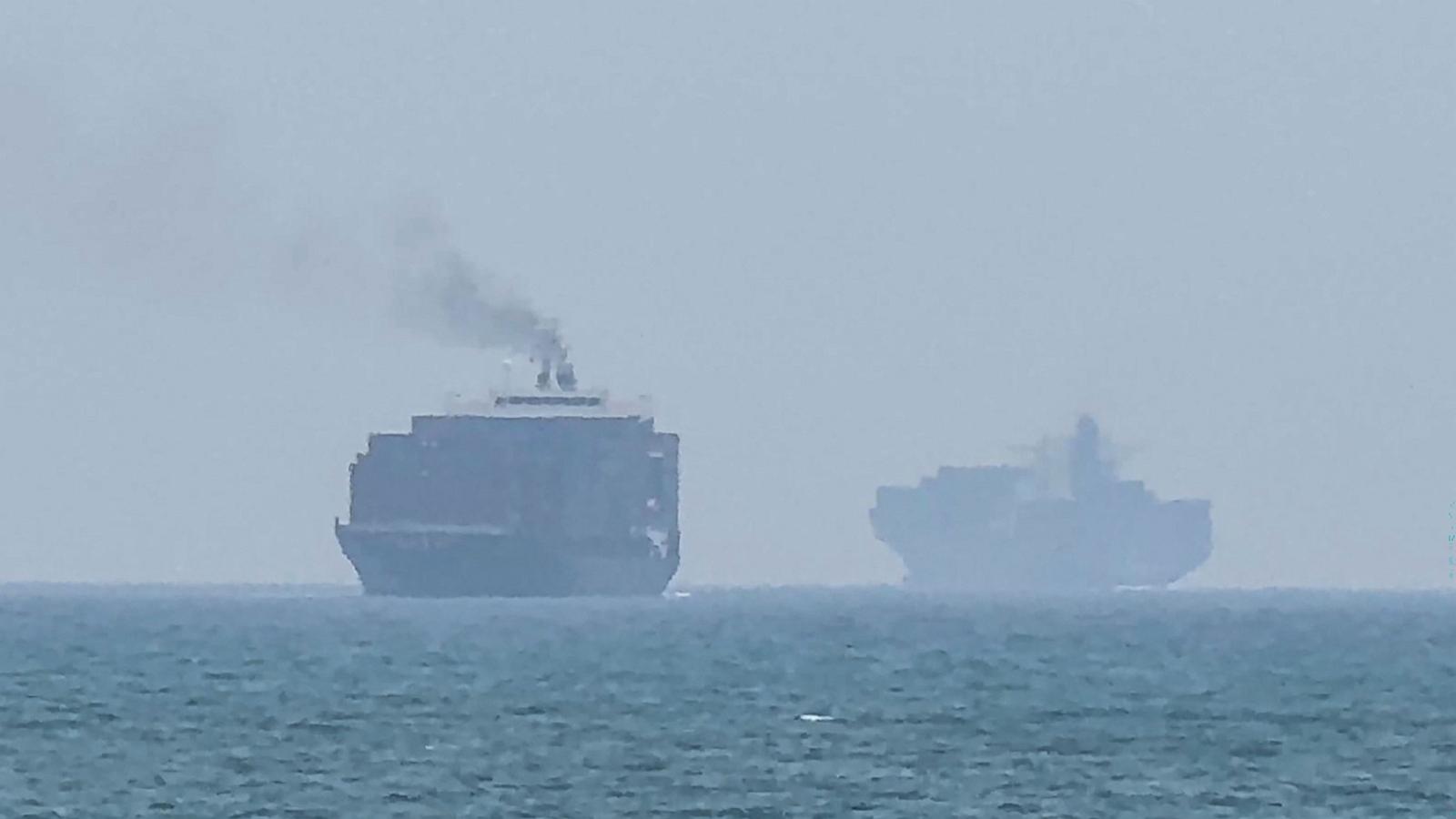
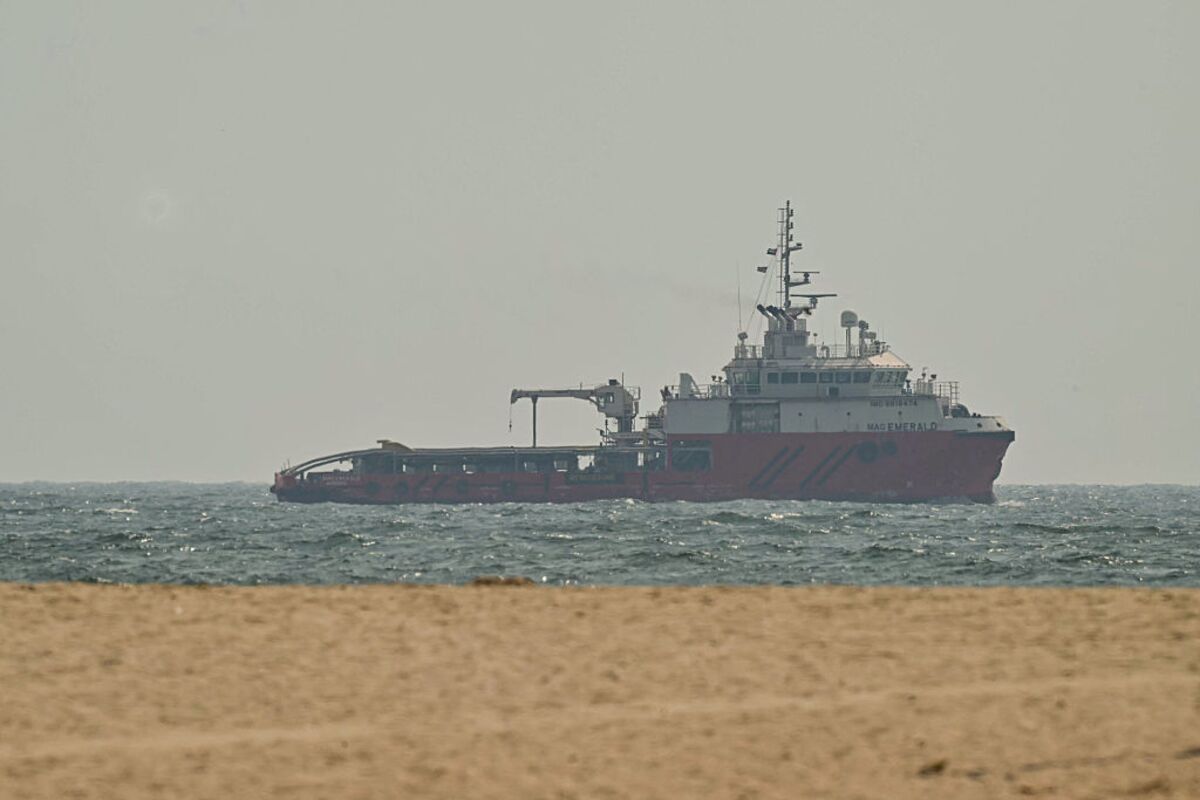
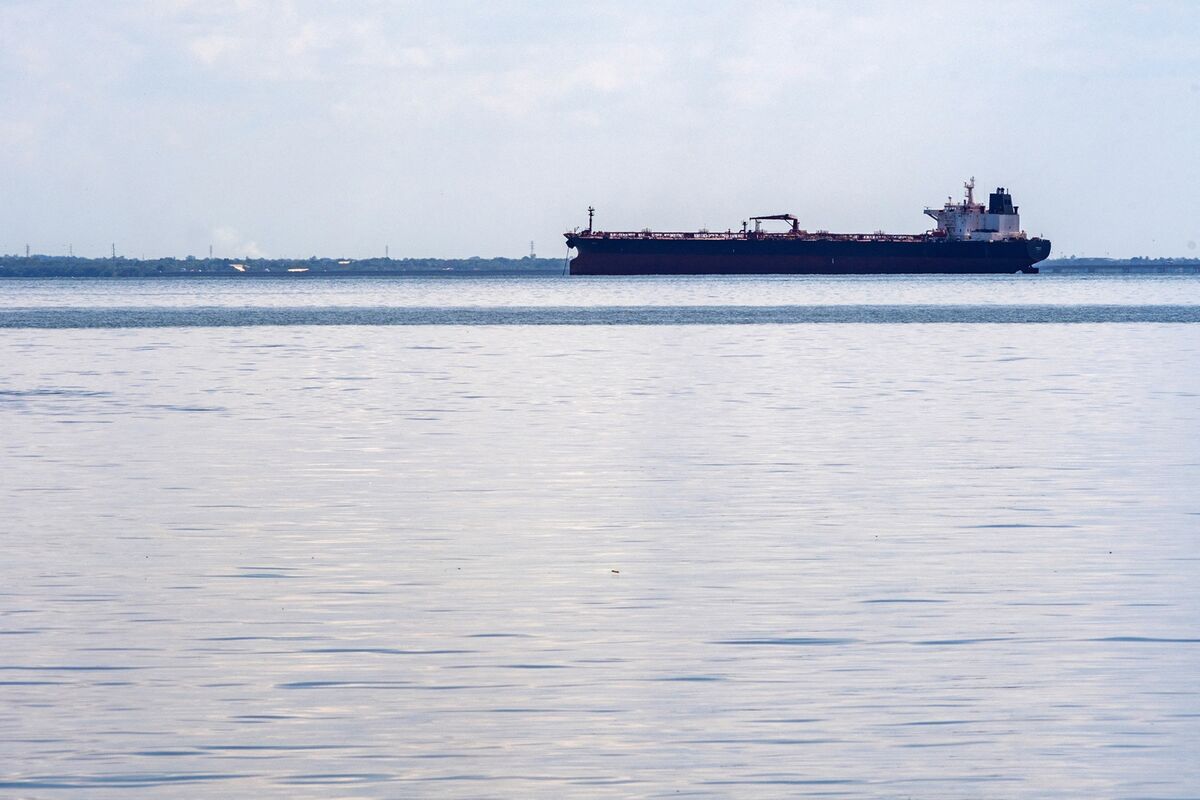
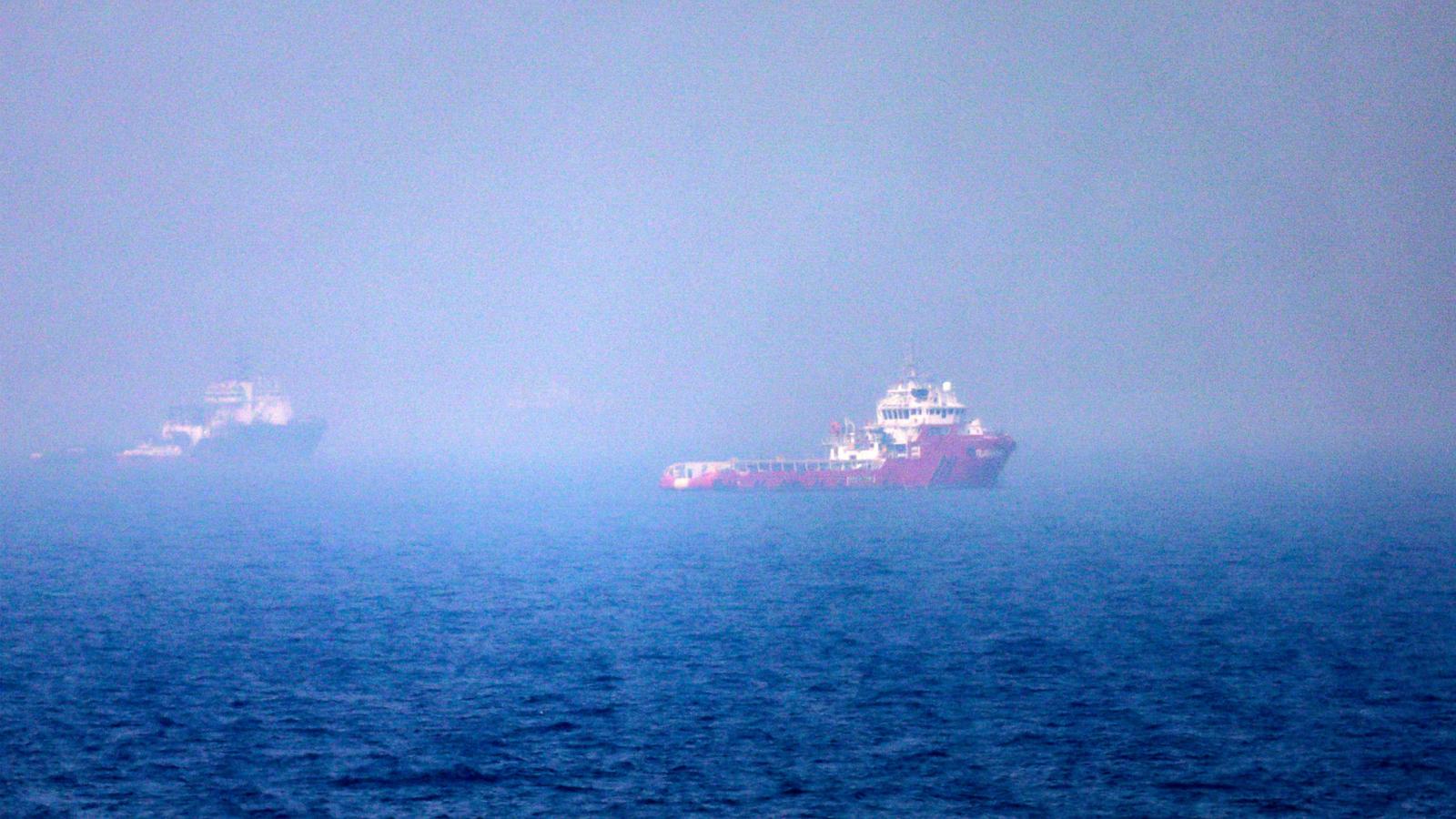
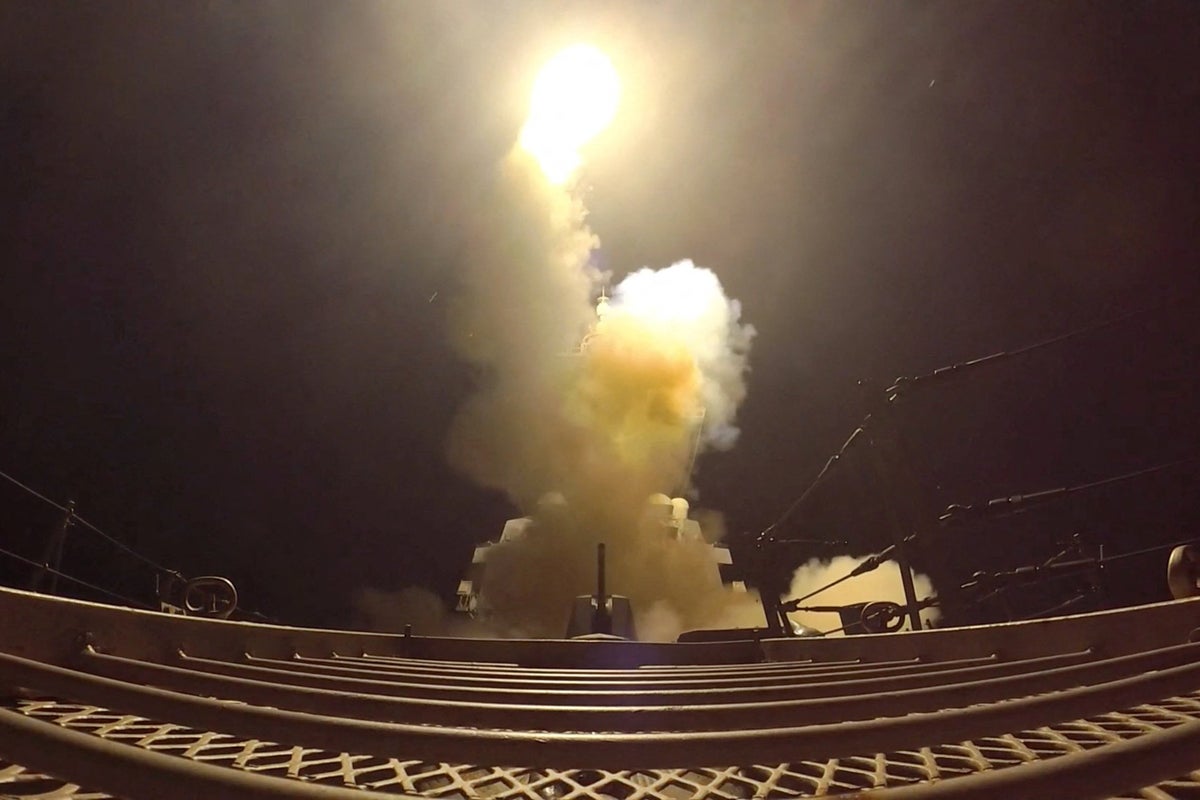
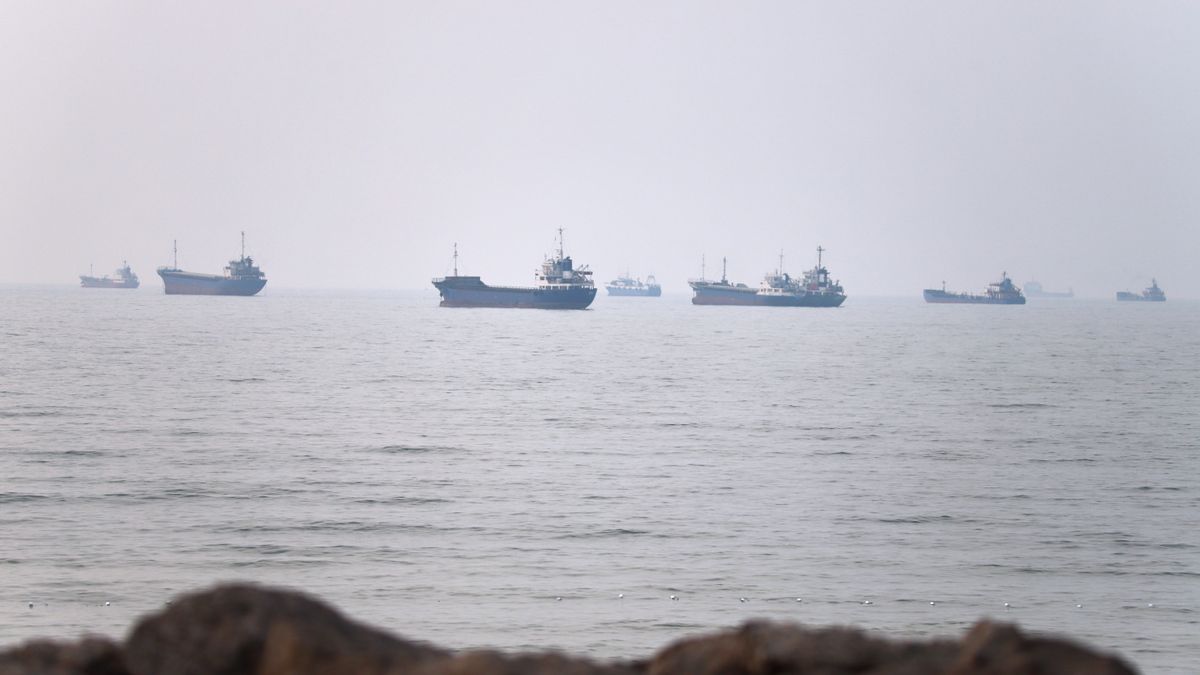
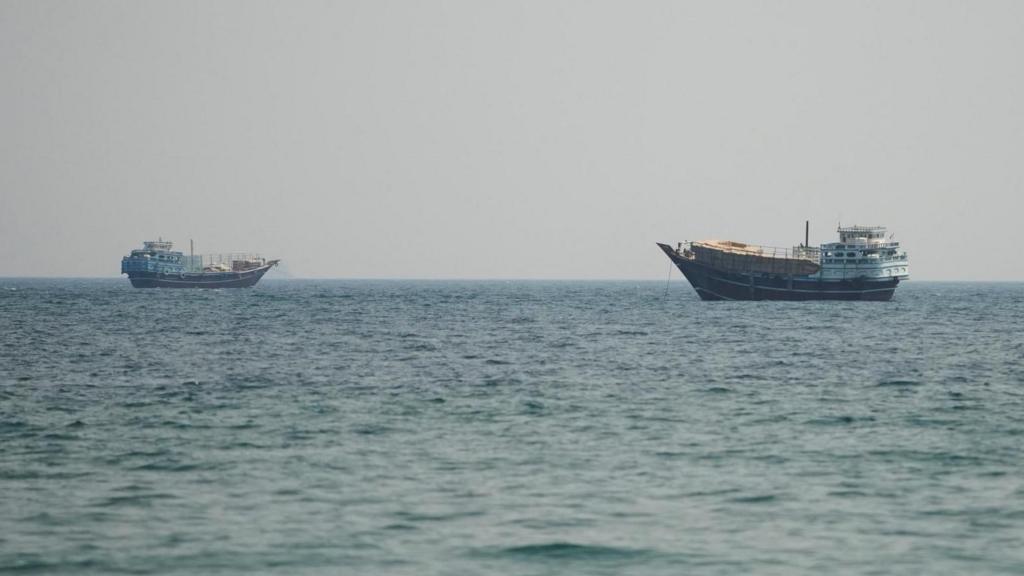
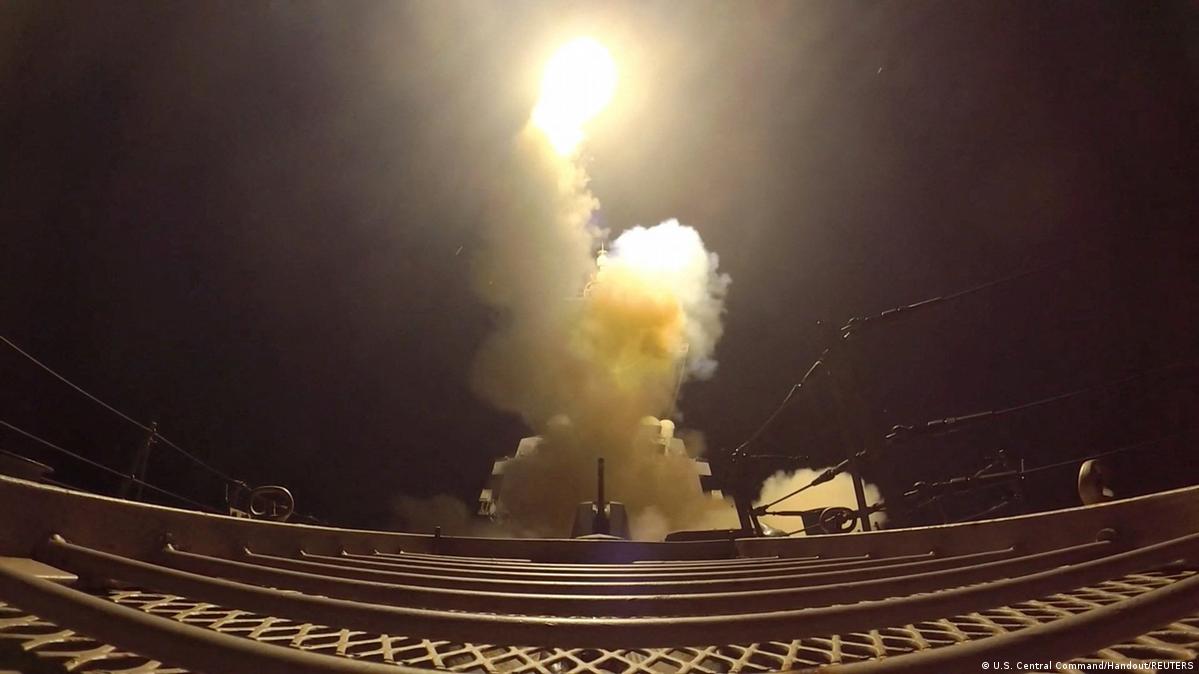
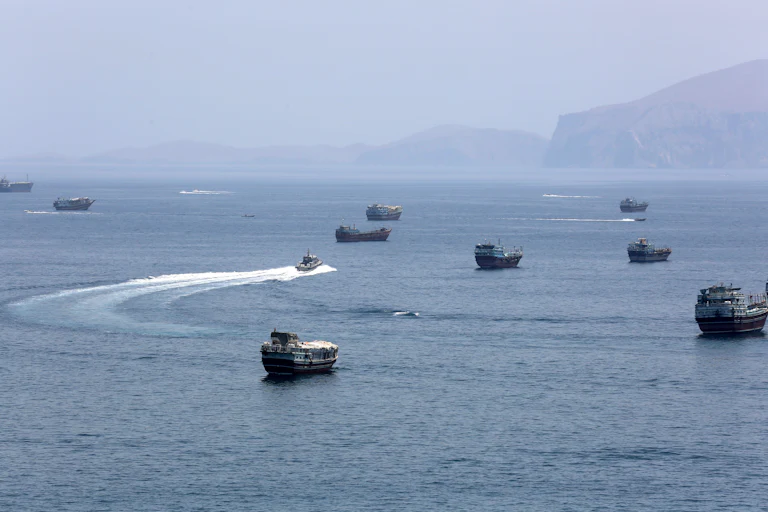
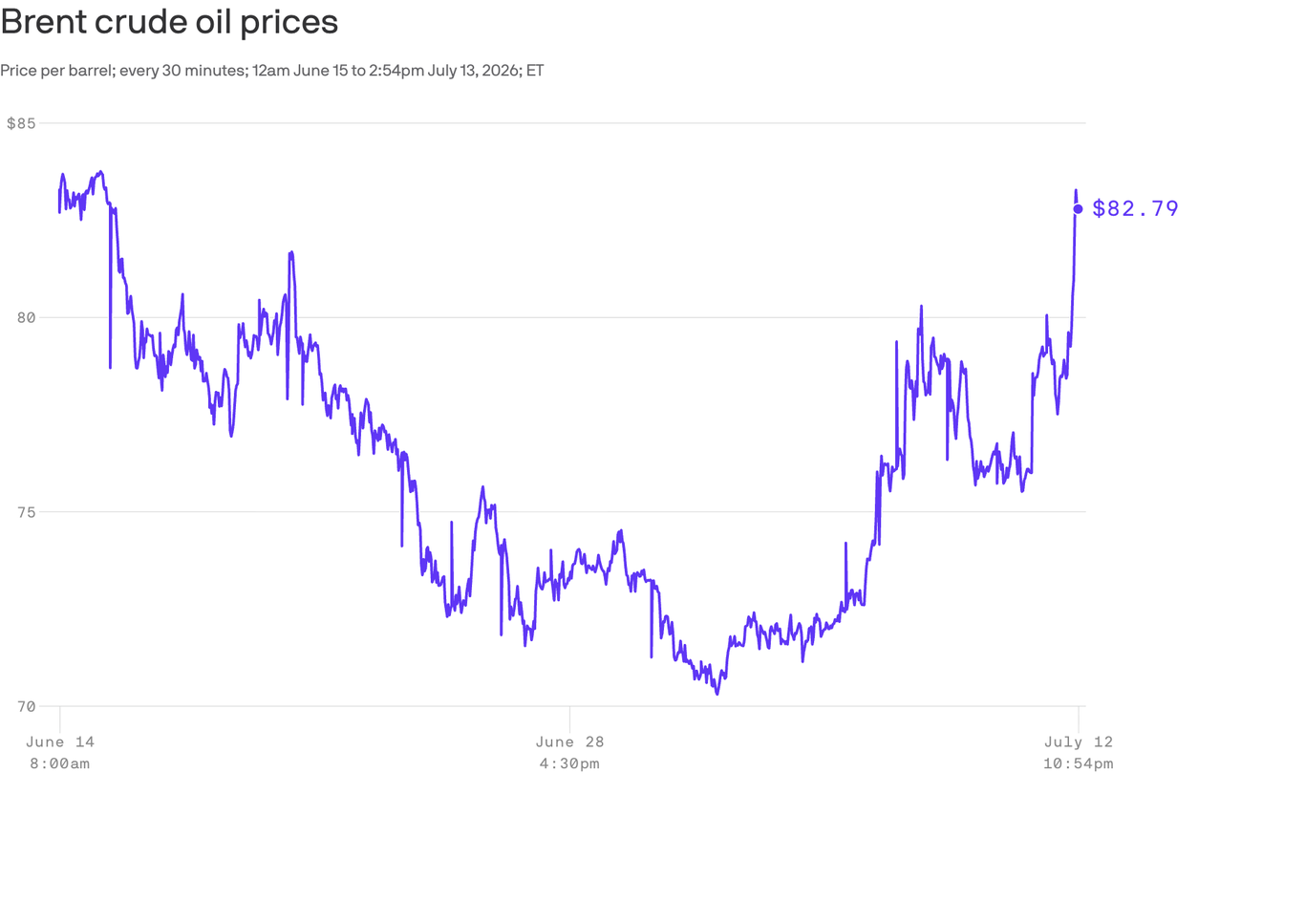
The July 13, 2026 escalation between the US and Iran over control of the Strait of Hormuz represents a critical supply chain disruption event for cross-border e-commerce sellers. Following renewed US bombardment of Iran's southern coast and Iranian retaliatory strikes on regional US military bases in Kuwait, Bahrain, and Jordan, Brent crude oil prices surged 4% to $79.17 per barrel—the highest level since June 22. This geopolitical flashpoint directly impacts the 21% of global maritime trade that flows through the Strait of Hormuz, creating immediate cost pressures on sellers relying on ocean freight for inventory replenishment.
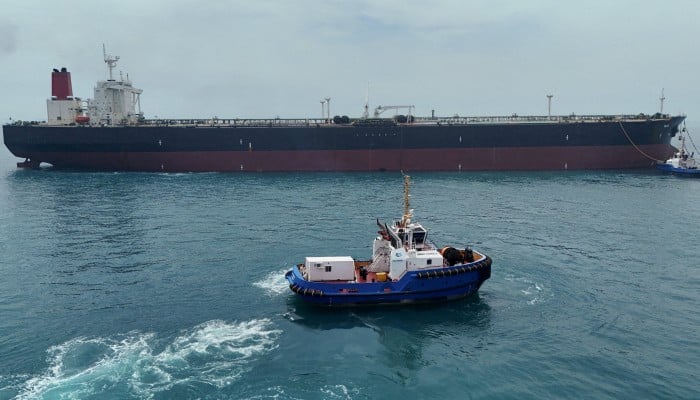
Shipping Cost Implications for Sellers: The conflict centers on Iran's interpretation of a June 16 Memorandum of Understanding, which Tehran claims grants it authority to control traffic through the Strait and deny passage permissions, while the US insists the waterway remain open for unhindered international shipping. This ambiguity creates a 60-day negotiation window with elevated uncertainty. For sellers using Asia-to-US or Asia-to-EU routes, the Strait represents a critical chokepoint; any sustained closure or threat of closure would force rerouting around Africa's Cape of Good Hope, adding 10-14 days to transit times and 15-25% to shipping costs. Current spot rates for 40-foot containers on Asia-Europe routes via Suez/Hormuz average $2,800-3,200; Cape rerouting pushes this to $3,400-4,100. Small-to-medium sellers (SMBs) with 500-2,000 monthly unit volumes face $1,200-2,800 additional monthly freight costs if rerouting becomes necessary.
Fuel Surcharge Escalation: Oil price volatility directly triggers fuel surcharges on ocean freight. At current levels ($78.99-79.17/bbl), carriers are implementing 2-3% fuel surcharges on top of base rates. If Brent reaches $85-90/bbl (a realistic scenario if the conflict intensifies), surcharges could climb to 4-6%, adding $112-240 per 40-foot container. For sellers moving 50+ containers monthly, this represents $5,600-12,000 in additional monthly costs. Air freight sellers face even steeper pressure; jet fuel prices typically track crude oil with a 1.2-1.5x multiplier, meaning a $5/bbl crude increase translates to $6-7.50/bbl jet fuel increase. This directly impacts sellers in time-sensitive categories (electronics, fashion, perishables) who rely on air freight for seasonal peaks.
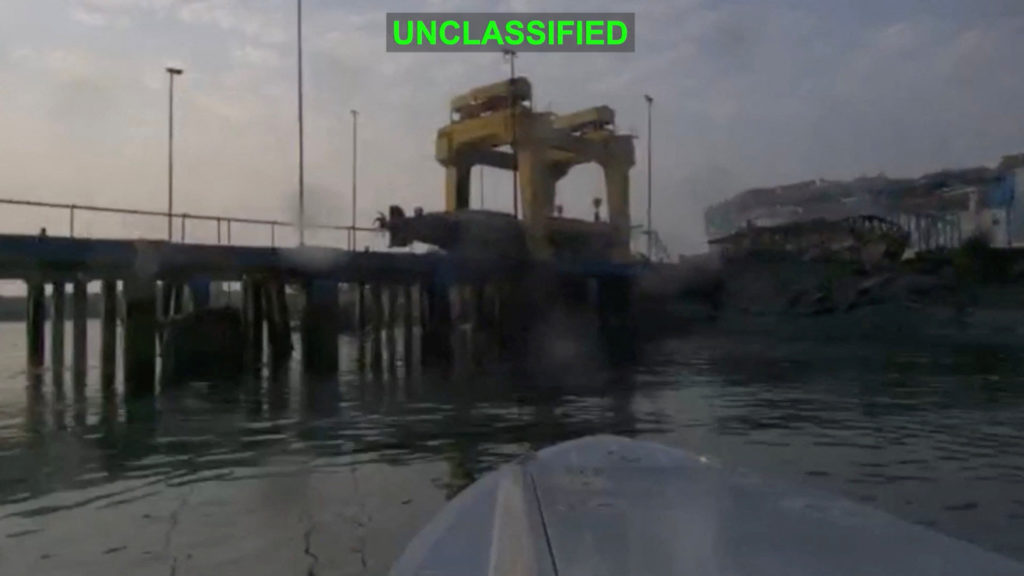
Market Access and Sourcing Disruption: The conflict also threatens sourcing stability for sellers importing from Iran-adjacent regions. While direct Iran trade is sanctioned for US sellers, many source from UAE, Kuwait, and Bahrain—all now experiencing military activity. Port operations in Bandar Abbas, Sirik, and Jask (Iran's primary export hubs) have sustained reported damage, potentially disrupting suppliers of petrochemicals, minerals, and specialty goods that feed into downstream e-commerce categories. Sellers sourcing electronics components, industrial supplies, or raw materials from Gulf Cooperation Council (GCC) countries should expect 5-10 day delays and potential price increases of 3-8% as suppliers navigate heightened insurance costs and port congestion.
Houthi Threat to Red Sea Shipping: The news reports additional maritime security concerns, with Houthi media claiming involvement and possessing Iranian-supplied weapons including sea mines and unmanned aerial vehicles. The Houthis have historically targeted commercial shipping in the Gulf of Aden and Red Sea, creating a secondary risk corridor. Sellers routing inventory through the Suez Canal face elevated insurance premiums (currently 0.15-0.25% of cargo value; could rise to 0.5-1.0% if attacks escalate) and potential vessel diversions. This compounds the Hormuz risk for sellers dependent on Mediterranean-Asia routes.
Questions 8
How will this conflict affect my ability to source from Iran-adjacent countries like UAE or Bahrain?
Direct sourcing disruption is limited but cost and delay impacts are real. The news reports military activity in Bandar Abbas, Sirik, and Jask (Iran's primary export hubs), but UAE and Bahrain ports remain operational. However, expect: (1) **Port congestion**—military activity and heightened security protocols add 2-5 days to port clearance; (2) **Insurance cost increases**—suppliers face elevated war risk insurance (0.15-0.25% of cargo value, potentially rising to 0.5-1.0%), which they pass to buyers; (3) **Supplier price increases**—3-8% as suppliers hedge against supply chain uncertainty; (4) **Delayed shipments**—5-10 days as suppliers navigate heightened security and insurance requirements. For sellers sourcing petrochemicals, minerals, or specialty goods from GCC countries, negotiate fixed-price contracts through Q4 2026 now to lock in costs before further escalation. If you source from Iran directly (sanctioned for US sellers), expect complete supply disruption; pivot to alternative suppliers in Vietnam, India, or Indonesia immediately.
What is the geopolitical risk premium I should factor into my 2026 logistics budget?
Based on the July 13 escalation and 60-day negotiation window, budget for a 8-15% logistics cost increase through year-end 2026. This comprises: (1) **Fuel surcharges**—2-3% at current oil prices ($79/bbl); 4-6% if Brent reaches $85-90/bbl (realistic if conflict escalates); (2) **Rerouting premium**—15-25% additional cost if Strait closure becomes credible, forcing Cape of Good Hope routing; (3) **Insurance premiums**—0.15-0.25% baseline, rising to 0.5-1.0% if Red Sea attacks escalate; (4) **Port congestion and delays**—5-10 day delays translate to 2-4% cost increase due to extended inventory holding and expedited handling. For a seller moving 100 containers monthly at $3,000/container base cost, this represents $24,000-45,000 in additional annual logistics costs. Mitigate by: (1) Locking in forward freight rates for Q4 now; (2) Increasing safety stock by 15-20% to absorb delays; (3) Diversifying sourcing and routing to reduce single-corridor dependency; (4) Passing 3-5% cost increases to customers through price adjustments or reduced promotional spending.