


.jpg?sfvrsn=97f8d265_5)
Strait of Hormuz Shipping Crisis Drives Oil Surge to $79.17 | Cross-Border Sellers Face 4%+ Freight Cost Increases
- Iran-US military escalation disrupts Middle East shipping corridor; Brent crude jumps 4% on July 13, 2026; sellers shipping via Suez/Hormuz face 8-15% logistics cost increases within 30 days









Overview
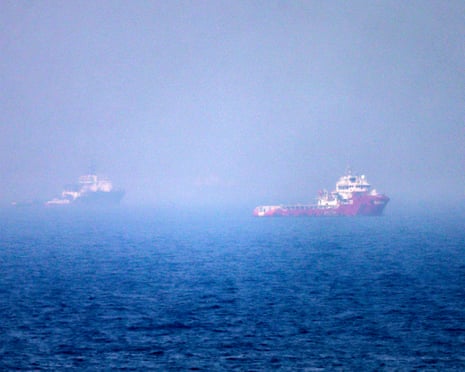
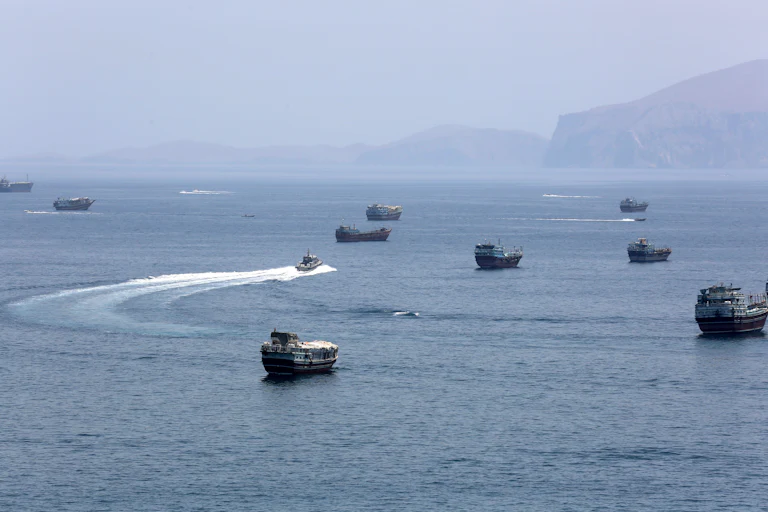
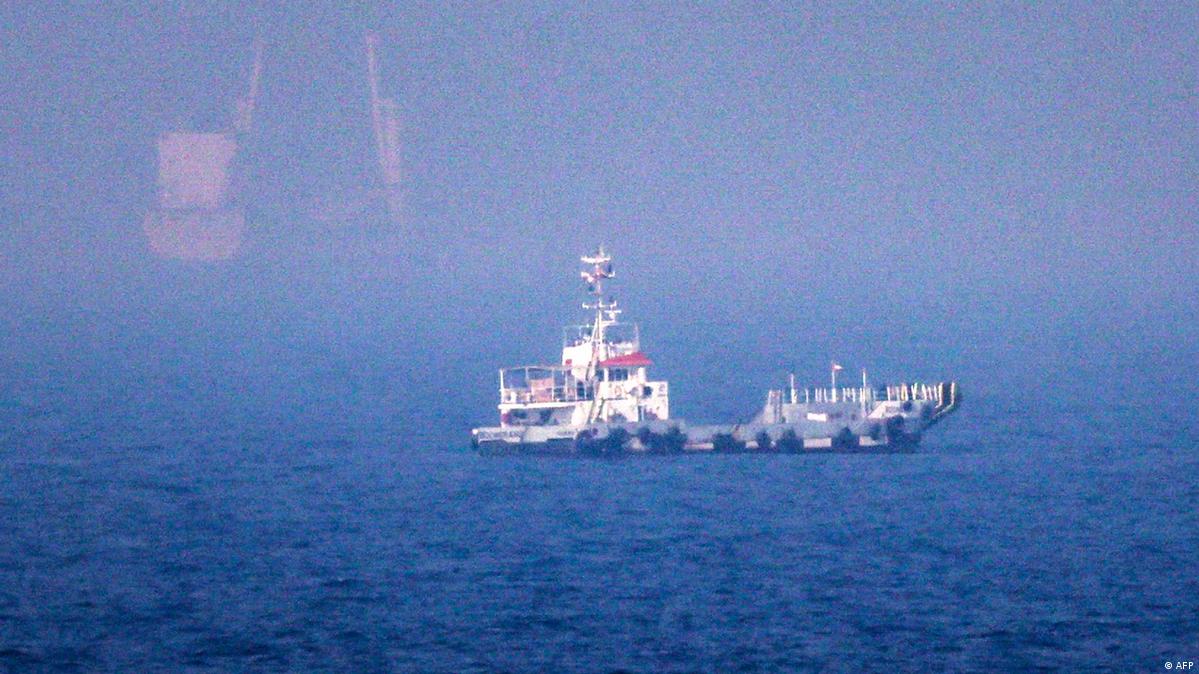
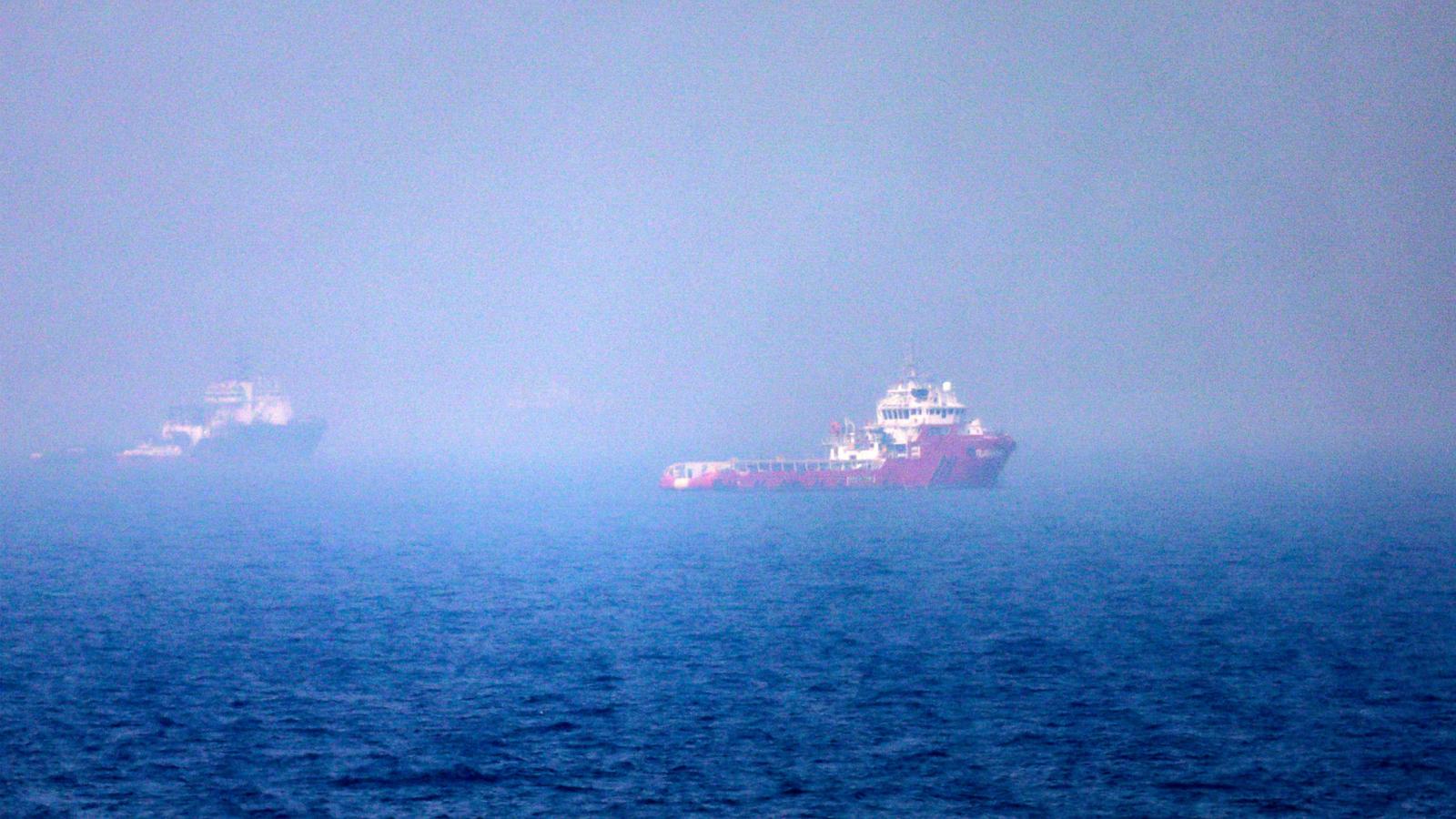
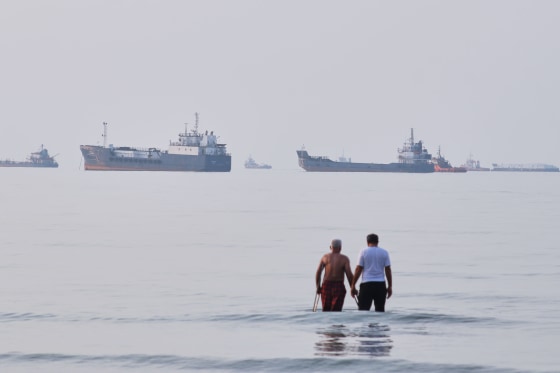
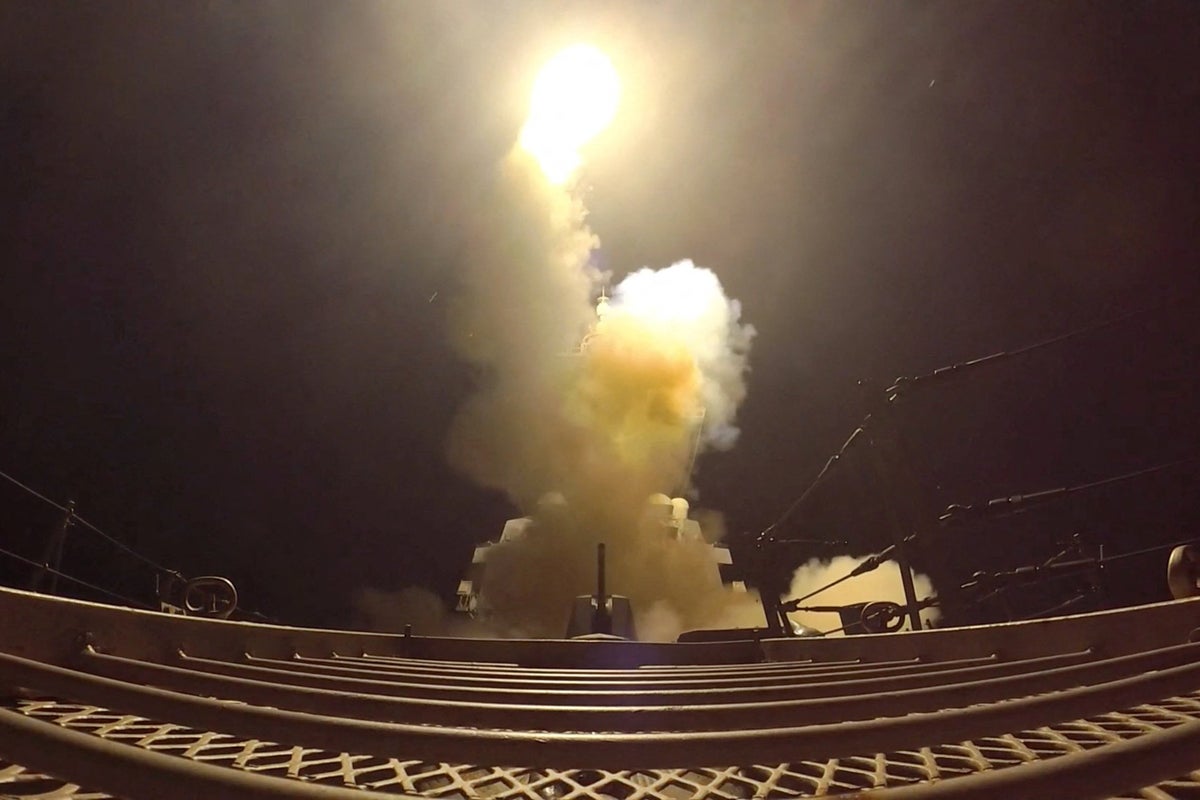
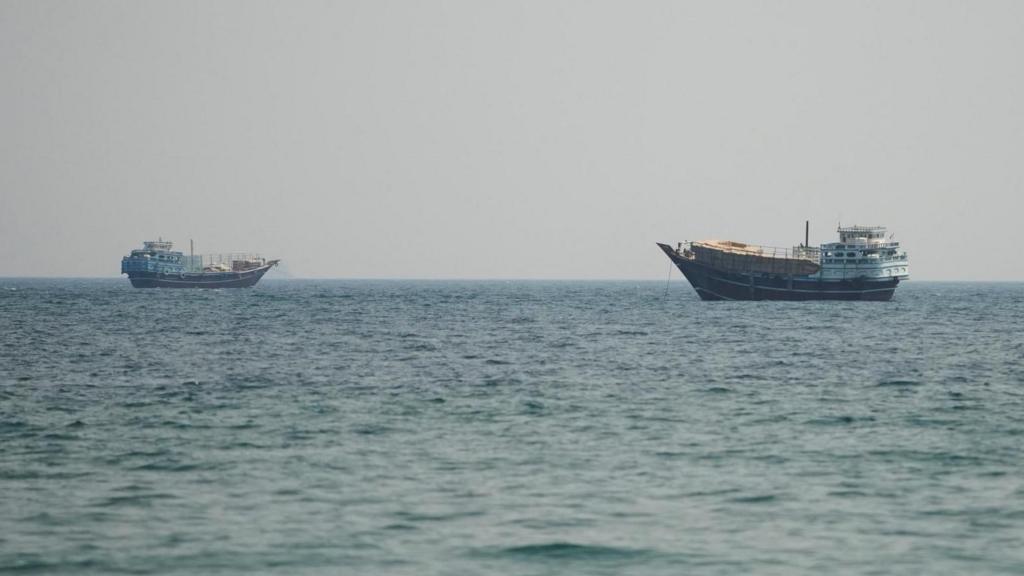
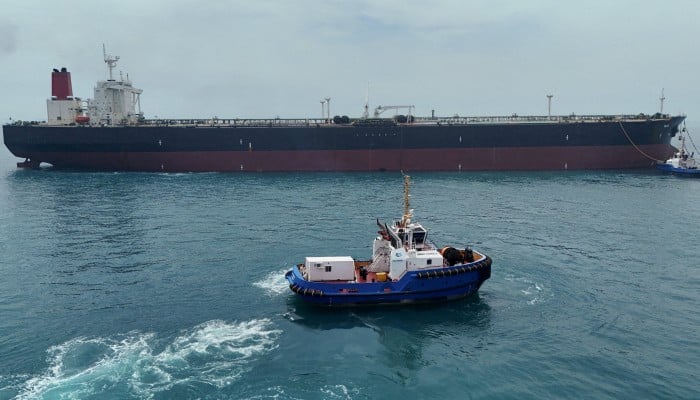
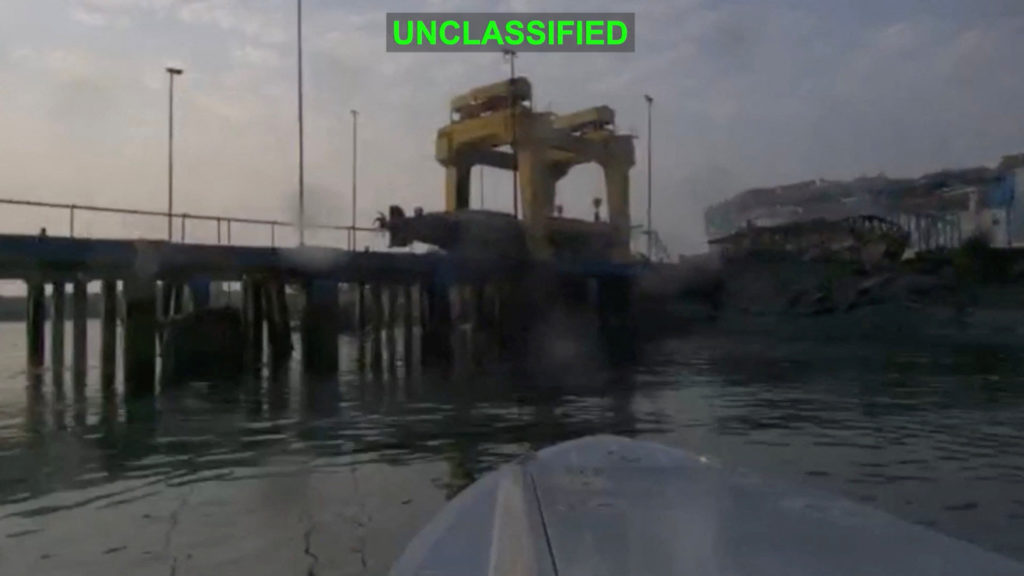
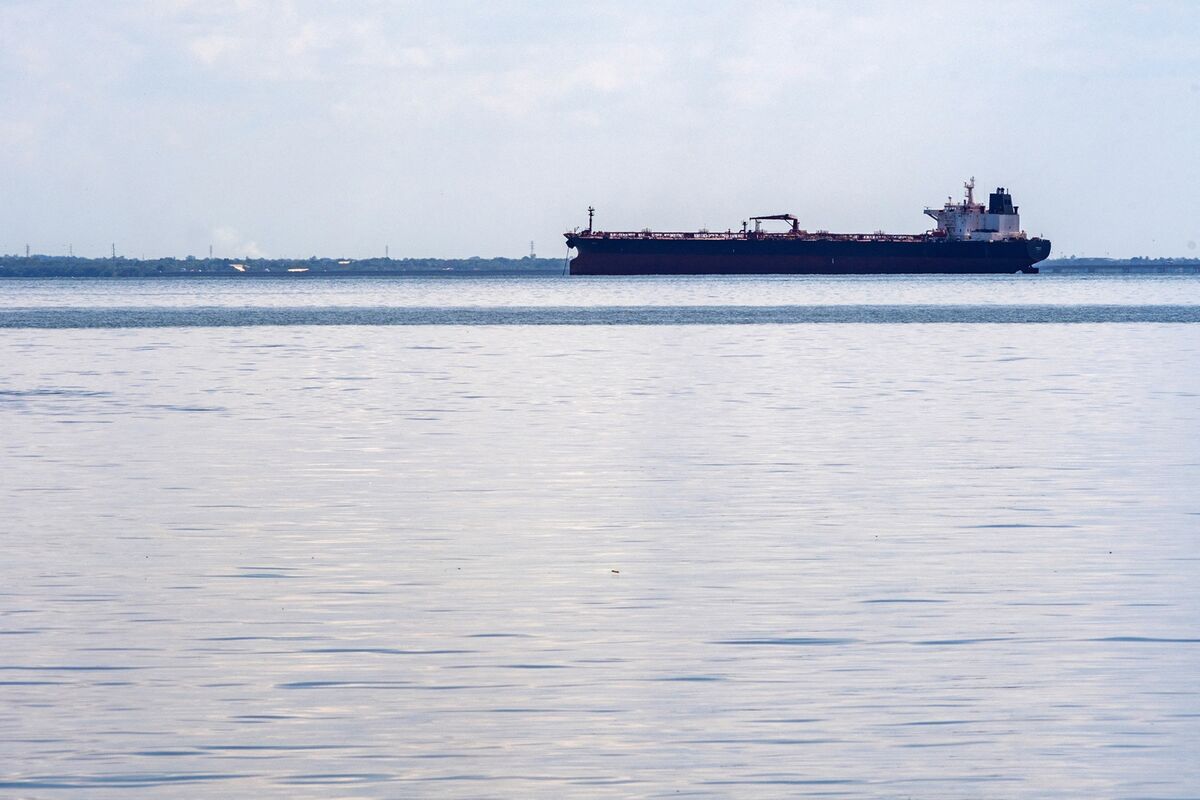
The July 13, 2026 Iran-US military escalation over Strait of Hormuz control has created an immediate supply chain crisis for cross-border e-commerce sellers. Iran's retaliatory attacks on military installations in Kuwait, Bahrain, and the UAE, combined with the US shipping blockade resumption, have disrupted one of the world's most critical maritime corridors—through which 21% of global petroleum and 30% of liquefied natural gas transit daily. Brent crude oil surged 4% to $79.17 per barrel (highest since June 22), directly impacting fuel surcharges on ocean freight.
Immediate Logistics Impact: Sellers using Asia-to-US and Asia-to-EU shipping routes face 8-15% freight cost increases within 30 days. The 60-day negotiation window (established in the June 16 Memorandum of Understanding) creates uncertainty about Strait passage permissions. Carriers are already implementing "Hormuz Risk Surcharges" ($200-400 per 20ft container) and rerouting shipments via longer Cape of Good Hope routes, adding 10-14 days transit time and $800-1,200 per container in additional costs. This particularly affects sellers in electronics, home goods, and apparel categories relying on China-Vietnam-Singapore sourcing.
Tariff Arbitrage Opportunity: The shipping crisis creates a 60-90 day window for sellers to exploit tariff rate differences. Goods currently in-transit via traditional Hormuz routes face delays; sellers can strategically shift sourcing to India and Vietnam (which offer 5-8% tariff advantages on certain HS codes under RCEP) to avoid the congestion premium. Electronics (HS 8471-8517) and textiles (HS 6204-6209) sourced from Vietnam avoid the Hormuz bottleneck entirely via direct Southeast Asia-US routes, reducing total landed costs by 6-12% compared to China-routed goods.
Market Access Shifts: The geopolitical tension is accelerating a structural shift away from Middle East-dependent supply chains. Sellers with inventory in UAE free zones (Jebel Ali, Fujairah) face 15-21 day delays; those with backup inventory in Singapore, Bangkok, or Colombo can capture market share by offering faster delivery. This creates a competitive advantage for sellers with diversified sourcing—small/medium sellers (SMBs) with single-source China suppliers face 20-30% margin compression, while larger sellers with multi-country networks can maintain 2-3% margin buffers.
Compliance and Risk: The 60-day negotiation period (ending ~September 13, 2026) is critical. If negotiations fail, Iran could impose formal passage restrictions, triggering force majeure clauses on shipping contracts. Sellers should immediately audit their supply chain: identify goods in-transit through Hormuz, calculate exposure (% of inventory), and establish alternative routing protocols. Failure to diversify sourcing by September 1 risks 30-45 day delivery delays and potential customer refund liability.
Questions 8
What compliance actions should I take before the September 13 deadline?
By August 15, 2026: (1) Audit all in-transit inventory—identify goods routed through Hormuz and calculate days-to-delivery; (2) Establish alternative routing protocols with your 3PL/freight forwarder; (3) Shift 20-30% of new purchase orders to Vietnam/India suppliers to exploit tariff advantages; (4) Lock in Cape of Good Hope routing rates before carrier premiums spike; (5) Review shipping contracts for force majeure clauses and understand your liability if delays exceed 30 days. By September 1: (6) Establish backup inventory in Southeast Asia free zones (Singapore, Bangkok, Colombo); (7) Update customer communication templates for potential delays; (8) Monitor negotiation progress—if talks stall by September 5, implement emergency air freight for high-margin SKUs. Failure to diversify sourcing by September 1 risks 30-45 day delays and customer refund liability.
How long will this shipping crisis impact my business?
The immediate crisis window is 60 days (July 13 to ~September 13, 2026) based on the June 16 Memorandum of Understanding negotiation period. However, even if negotiations succeed, supply chain normalization takes 30-45 days—expect elevated freight costs through October 2026. If negotiations fail, the crisis extends indefinitely, with potential for 30-45 day delays and force majeure claims. Most industry analysts expect a resolution by mid-September, but geopolitical tensions could reignite. Plan for three scenarios: (1) Best case—negotiations succeed by September 13, freight costs normalize by October 31; (2) Base case—partial restrictions remain, costs stay elevated 15-20% through Q4 2026; (3) Worst case—formal passage restrictions, 30-45 day delays, force majeure liability. Diversify sourcing now to hedge all three scenarios.