


Hormuz Blockade Triggers 15-20% Shipping Cost Surge | Cross-Border Sellers Face Immediate Logistics Crisis
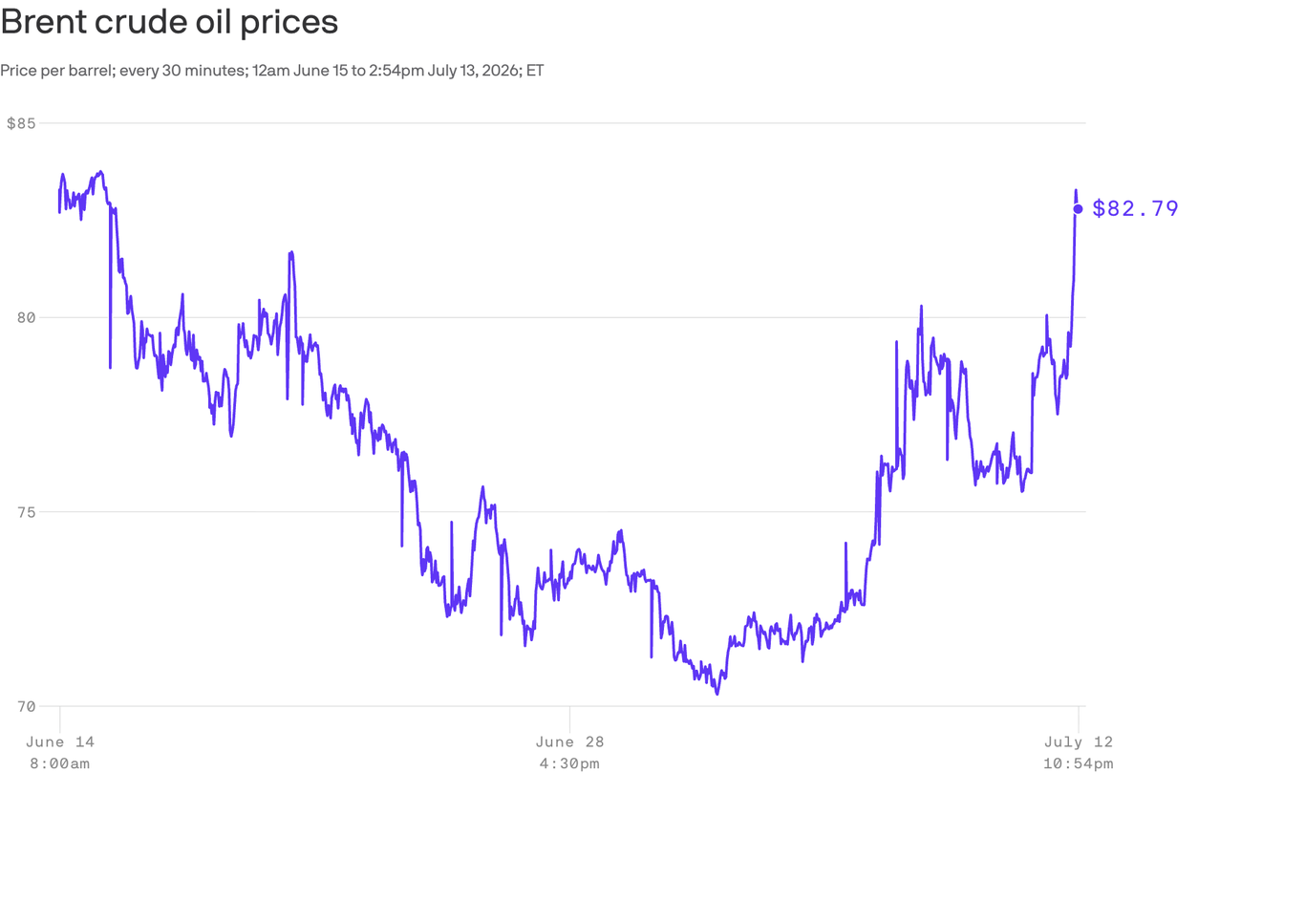
- Oil prices surge to $87/barrel as Strait traffic plummets 70-85%; logistics providers passing fuel surcharges to sellers within 30-60 days; Asia-Europe routes delayed 10-14 days via Cape of Good Hope rerouting




























Overview
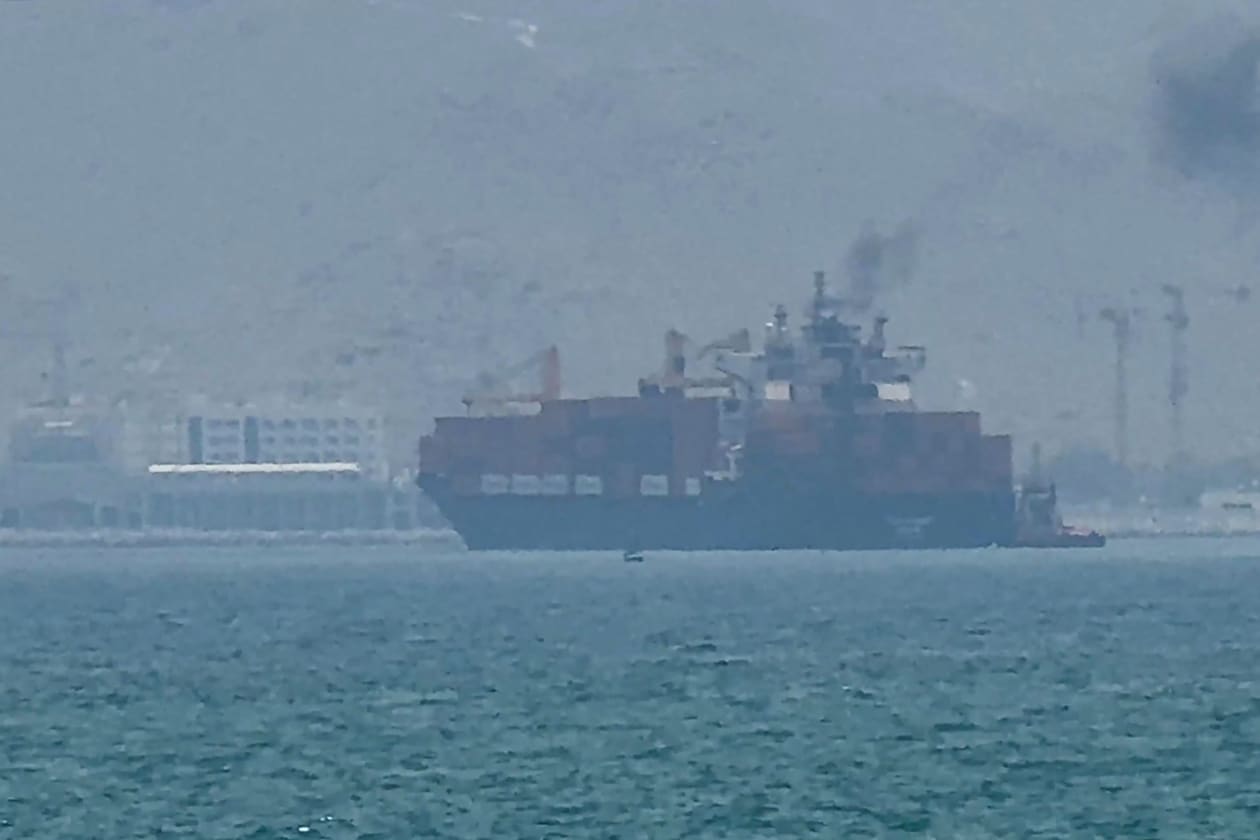
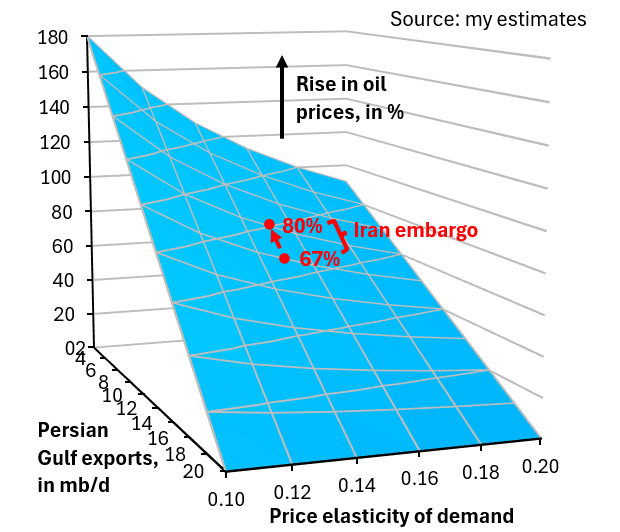
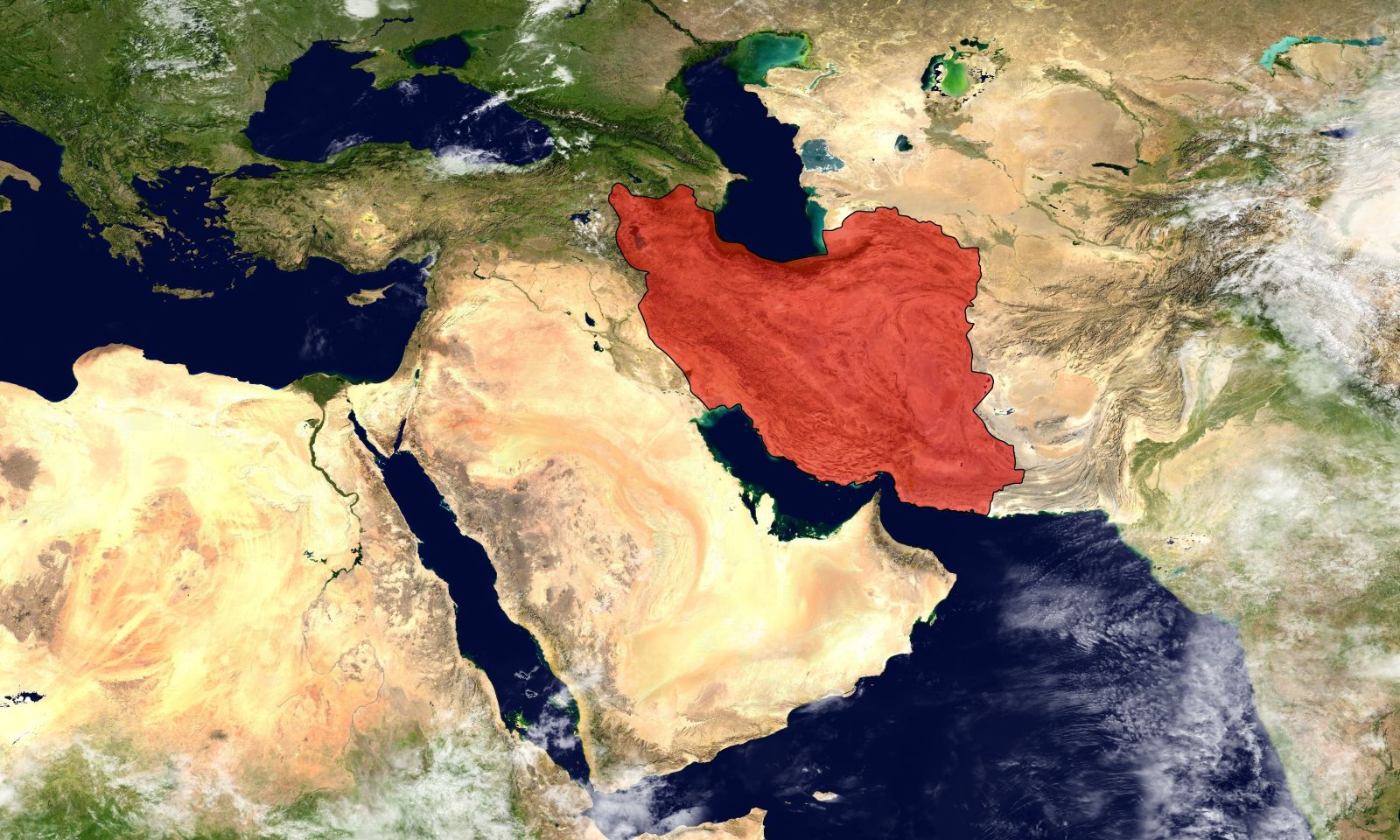
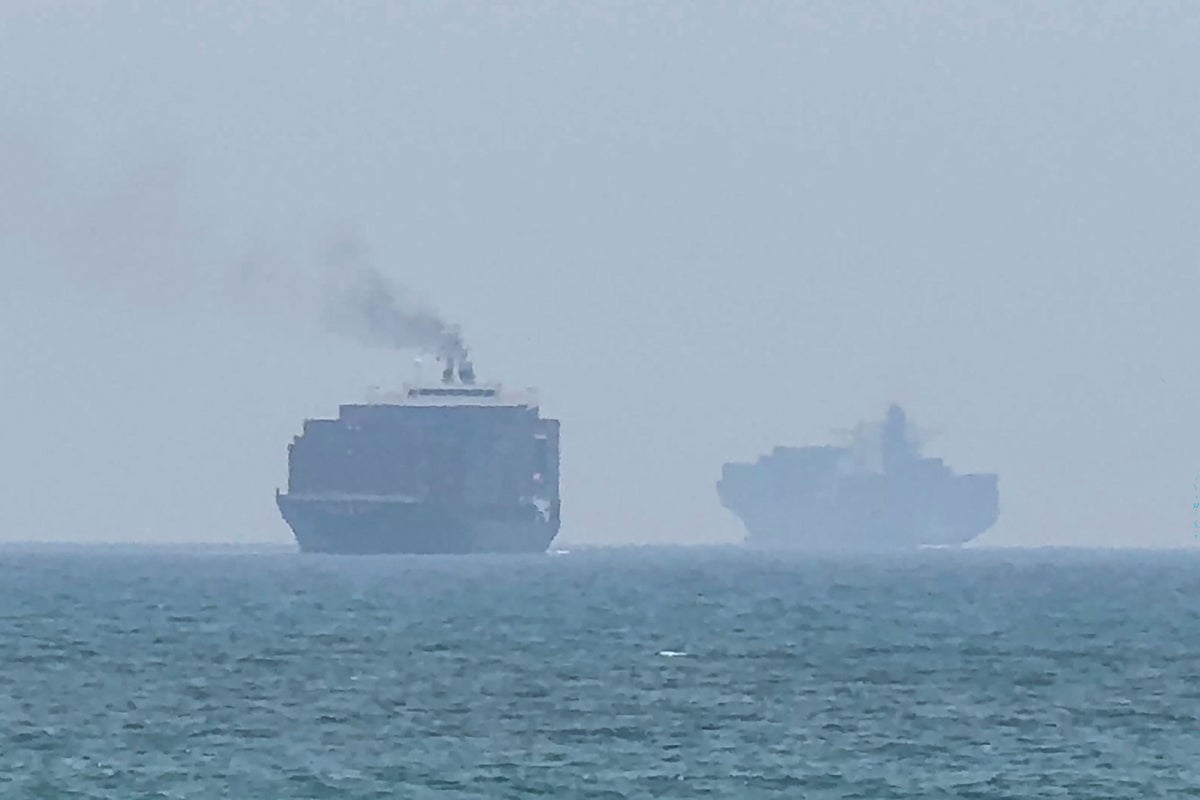
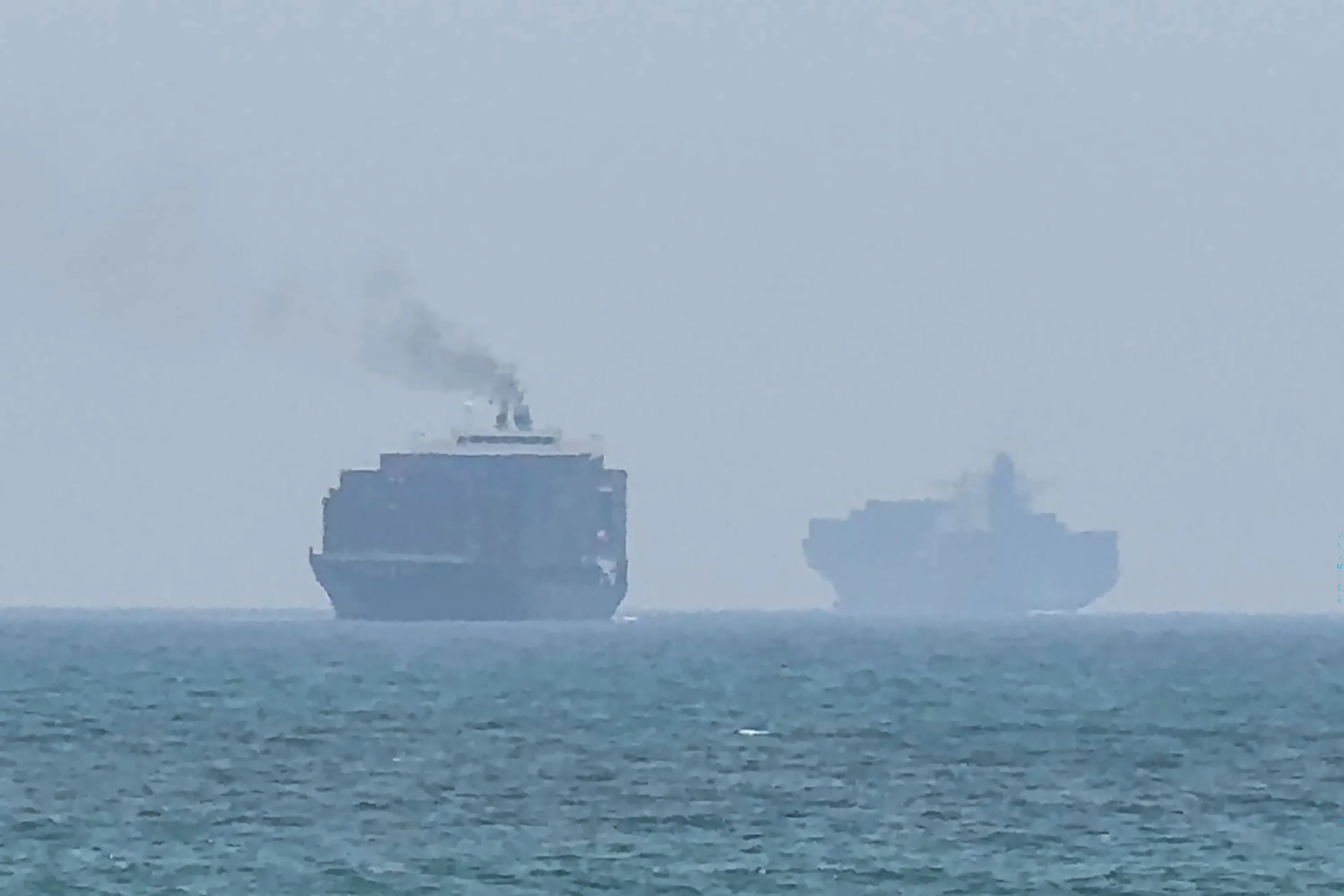
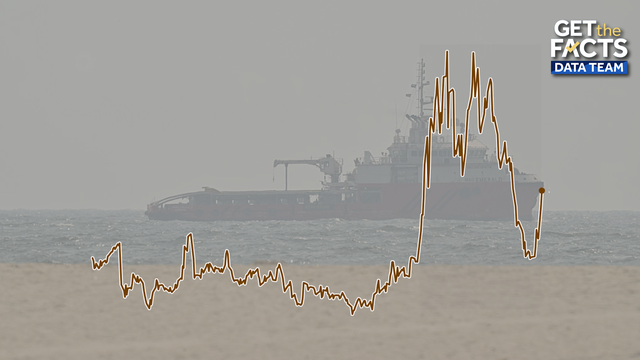
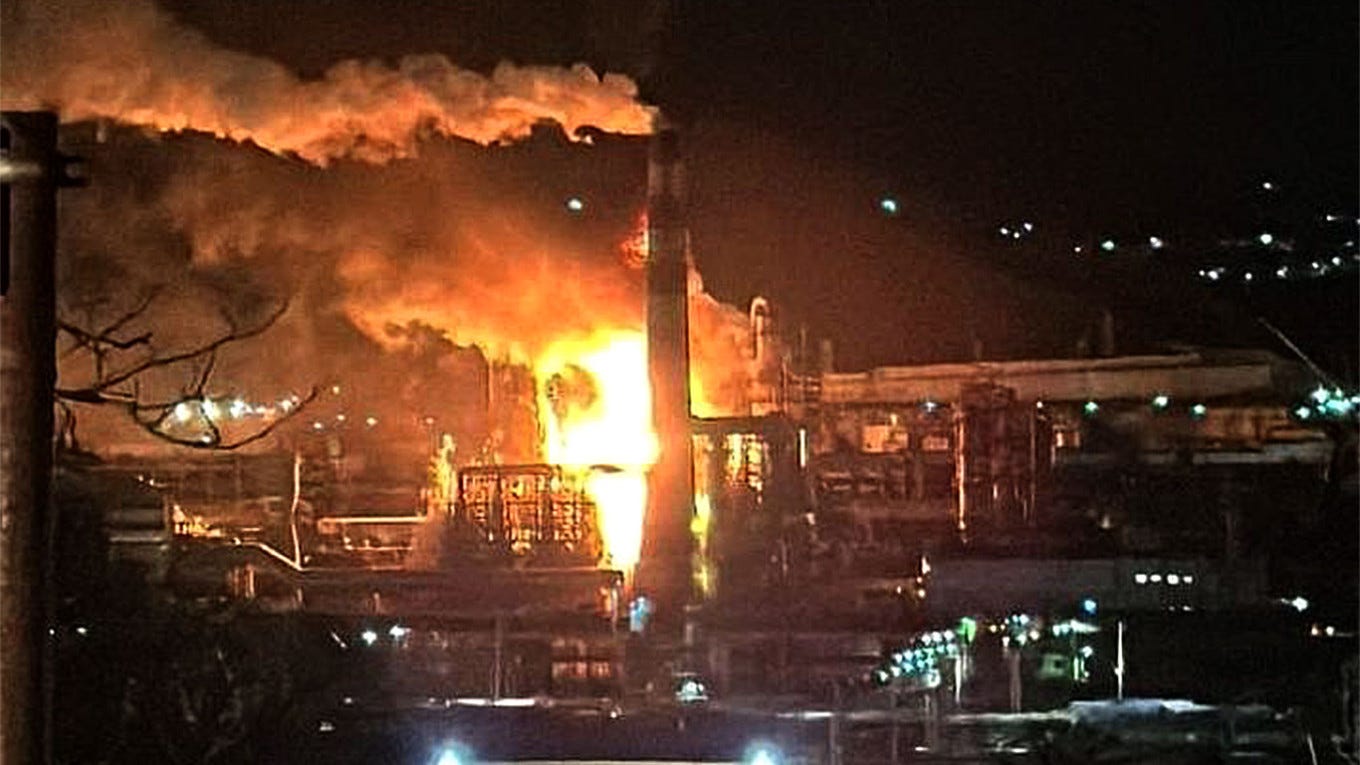
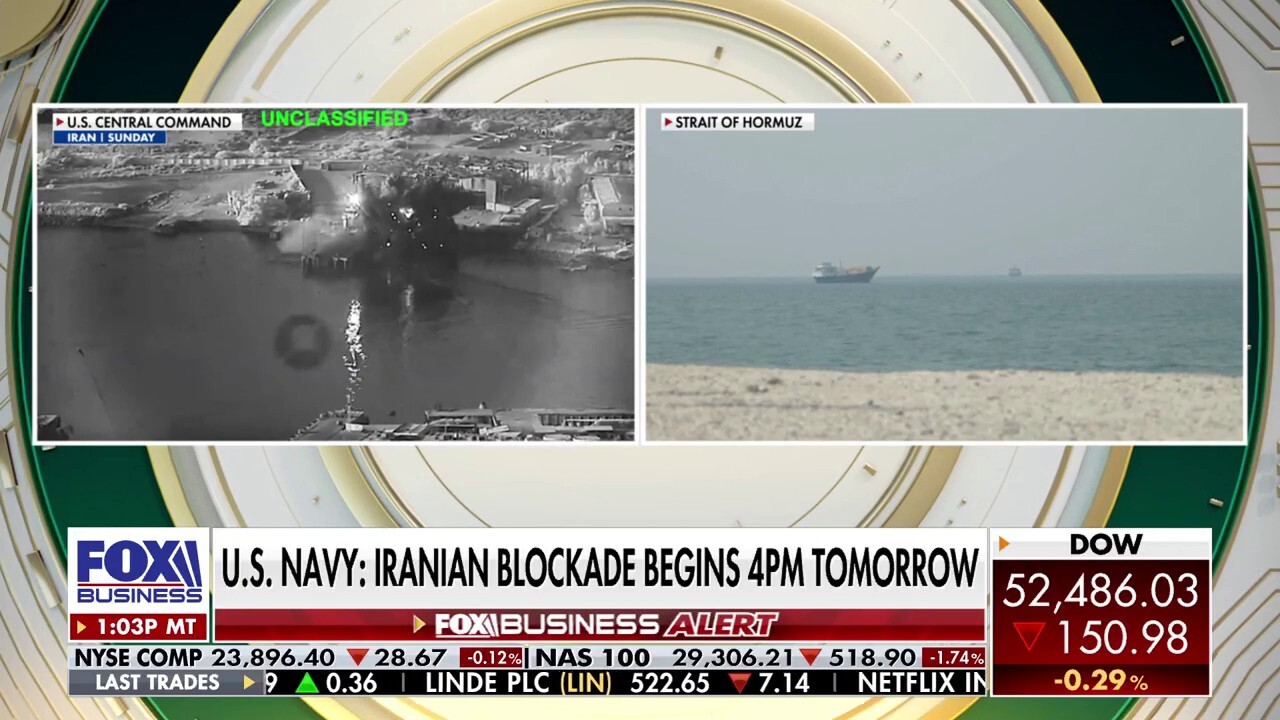
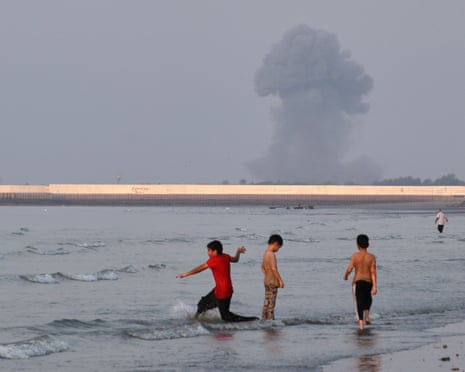
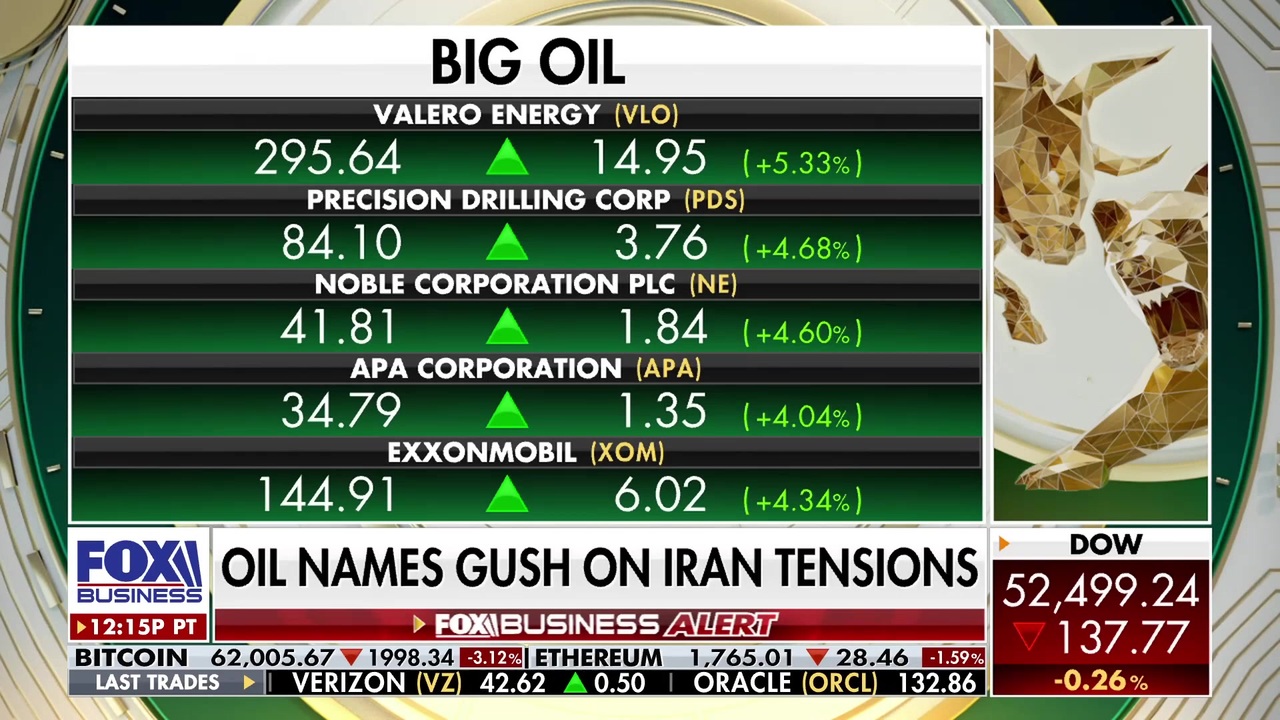
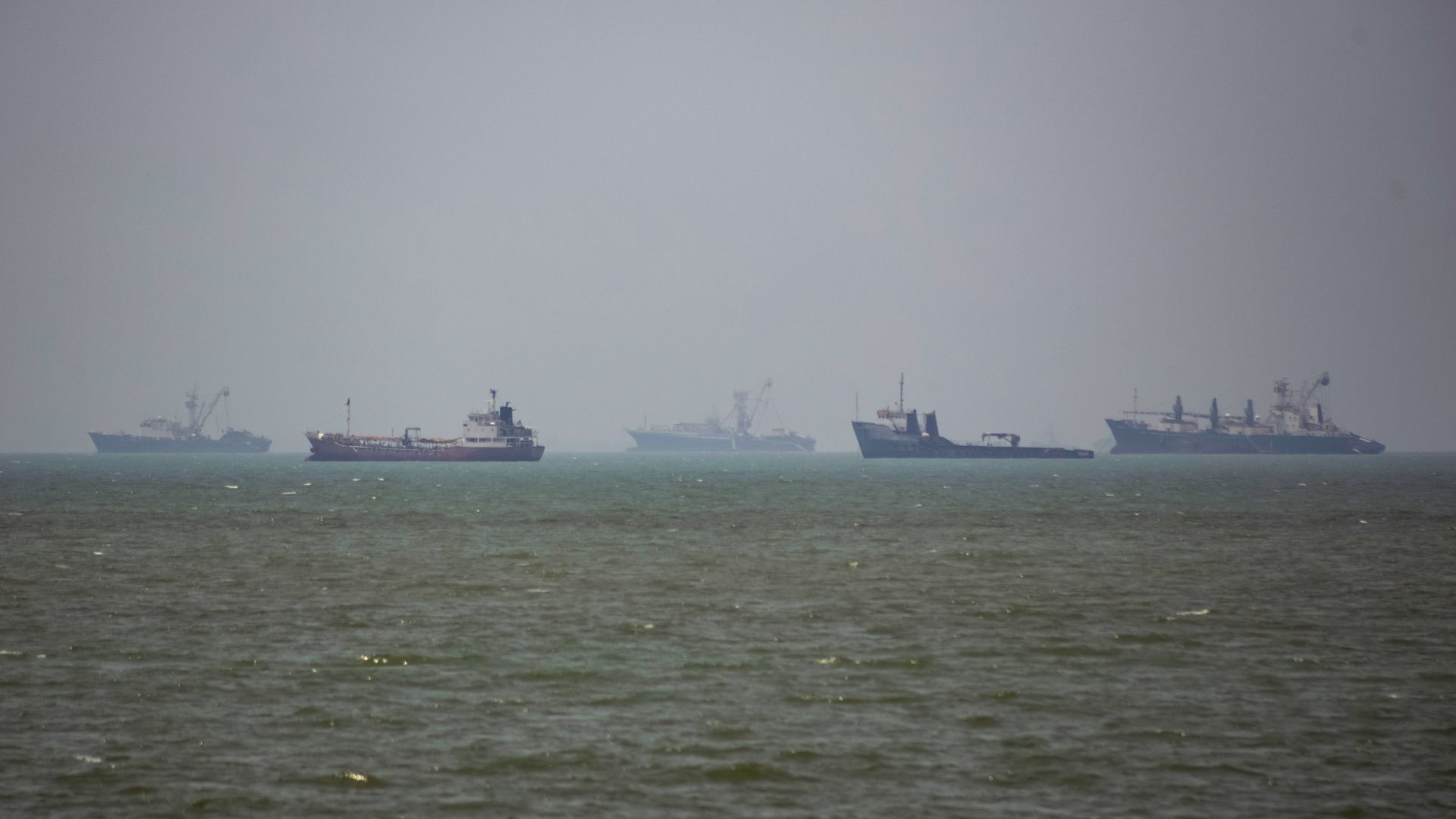
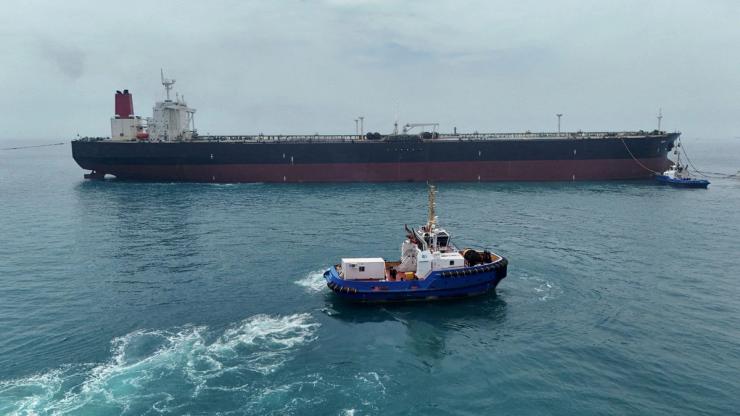
The Strait of Hormuz geopolitical escalation (July 13-14, 2026) has triggered an immediate logistics cost crisis for cross-border e-commerce sellers globally. Following President Trump's announcement of a U.S. naval blockade on Iran and a 20% transit fee through the Strait, Brent crude surged 4.5% to $87/barrel on July 14, with analysts projecting further increases toward $95/barrel as ship traffic through this critical chokepoint plummets from 30-50% of pre-war flows to just 5-15%. The Strait handles approximately one-third of global seaborne oil trade, making this disruption a systemic threat to international commerce. West Texas Intermediate crude rose to $81/barrel, pushing Brent 17% above pre-war baseline prices.
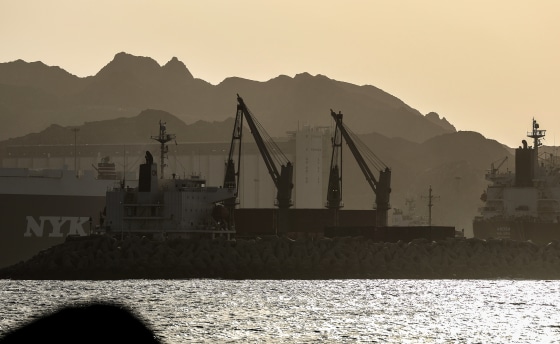
For cross-border sellers, the immediate impact manifests through elevated fuel surcharges on international shipping within 30-60 days. Logistics providers are already adjusting quotes for FBA shipments, DDP (Delivered Duty Paid) costs, and air freight premiums. Sellers relying on expedited ocean shipping or air freight face the steepest cost increases. The blockade forces vessels to reroute around the Cape of Good Hope, adding 10-14 days to Asia-Europe shipping routes—a critical concern for sellers managing inventory velocity and customer delivery expectations. Sellers sourcing from Middle Eastern suppliers or using regional hubs face compounded delays and increased insurance costs. Historical precedent from 2019-2020 Hormuz tensions shows similar escalations resulted in 15-20% shipping cost increases lasting 3-6 months, suggesting current disruptions could persist through Q3-Q4 2026.
China's reduced crude imports (down 40% year-over-year in June, the lowest in a decade) provide limited downward price pressure, but real operational constraints dominate market dynamics. Hormuz traffic has nearly halted despite Brent remaining 25% below April's peak, indicating markets are pricing in temporary disruption rather than sustained conflict. However, the operational reality—with vessels unable to transit safely—creates genuine supply chain bottlenecks. Sellers should immediately monitor fuel surcharge indices from major 3PL providers (DHL, FedEx, UPS, Maersk), consider building inventory buffers for critical SKUs before surcharges fully propagate, and evaluate alternative sourcing regions (Vietnam, India, Mexico) to reduce exposure to Persian Gulf disruptions. The geopolitical situation remains fluid, with market volatility likely persisting until tensions stabilize.
Questions 8
Should I shift sourcing away from China to avoid Hormuz disruptions?
Partially. Vietnam, India, and Mexico offer alternative sourcing with lower Hormuz exposure. Vietnam-to-US routes avoid the Strait entirely (via South China Sea and Pacific), while India-to-EU routes can use Suez Canal alternatives. However, switching suppliers requires 60-90 days for qualification and 30-45 days for first shipments. For immediate relief (next 30-60 days), focus on inventory optimization and pricing adjustments. For medium-term strategy (3-6 months), evaluate Vietnam suppliers for electronics/apparel and India suppliers for textiles/home goods. Mexico offers nearshoring advantages for US-based sellers, reducing Hormuz exposure entirely.
How long will the Hormuz blockade impact shipping costs?
Historical precedent suggests 3-6 months of elevated costs. The 2019-2020 Hormuz tensions lasted approximately 6 months before stabilizing. Current escalation (July 2026) could persist through Q3-Q4 2026, with potential resolution by Q1 2027 if diplomatic efforts succeed. However, geopolitical situations are unpredictable—tensions could escalate or de-escalate rapidly. Monitor news daily and adjust inventory/pricing strategies monthly. Set internal review checkpoints: August 15 (assess fuel surcharge propagation), September 15 (evaluate sourcing shifts), and October 15 (decide on long-term supply chain restructuring).