



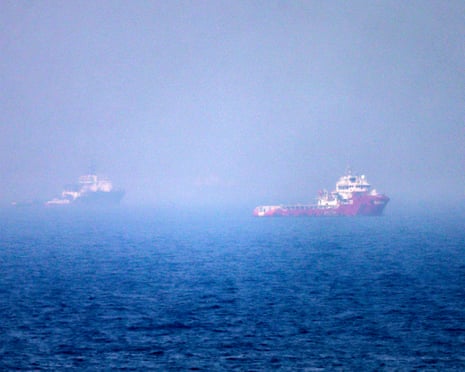


Strait of Hormuz Blockade Disrupts Global Shipping | Sellers Face 8-15% Logistics Cost Surge
- US maritime blockade on Iranian ports and toll system creates supply chain disruptions affecting 30% of global oil transit; sellers shipping via Middle East routes face 2-4 week delays and 8-15% cost increases






















Overview
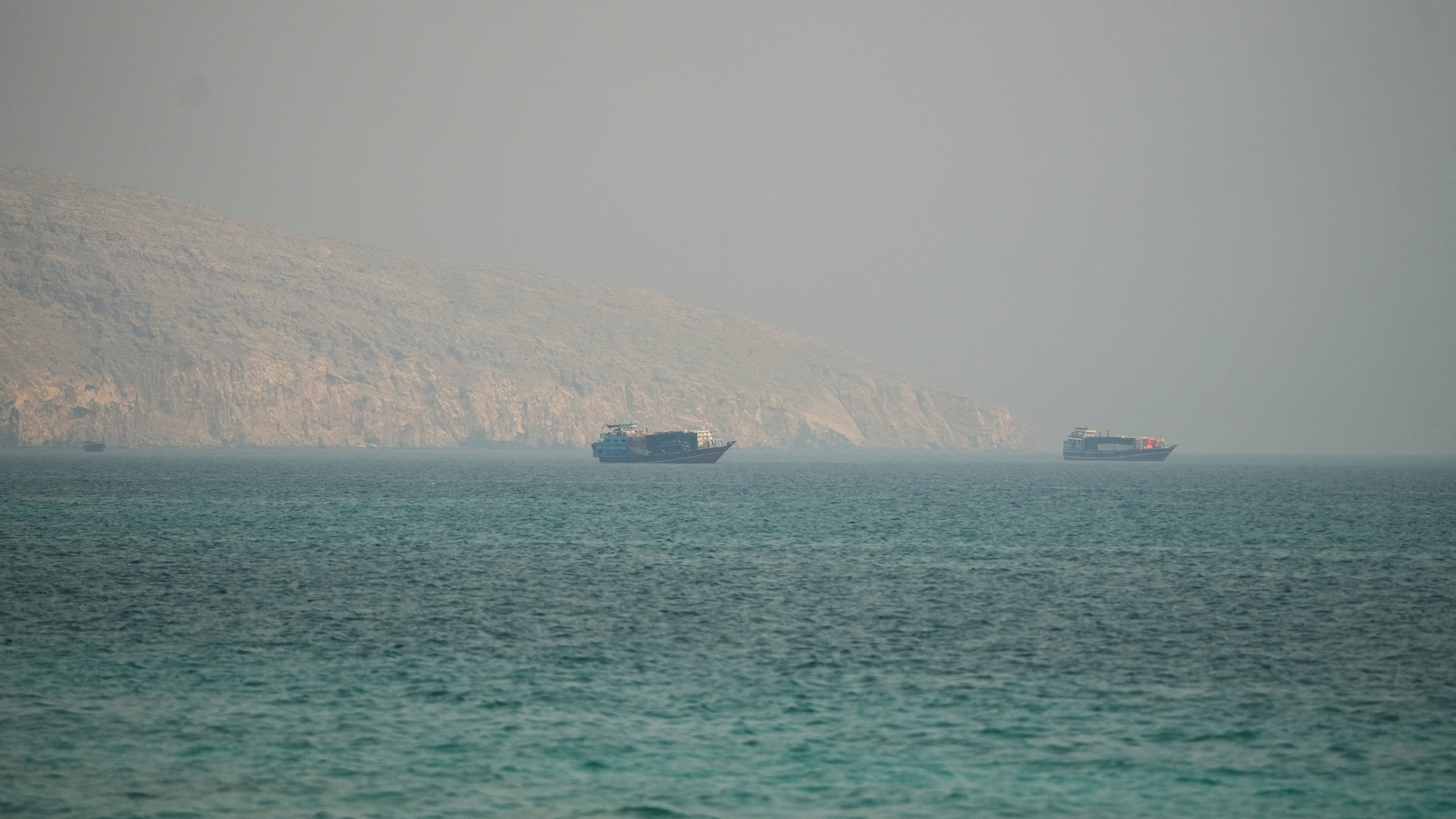
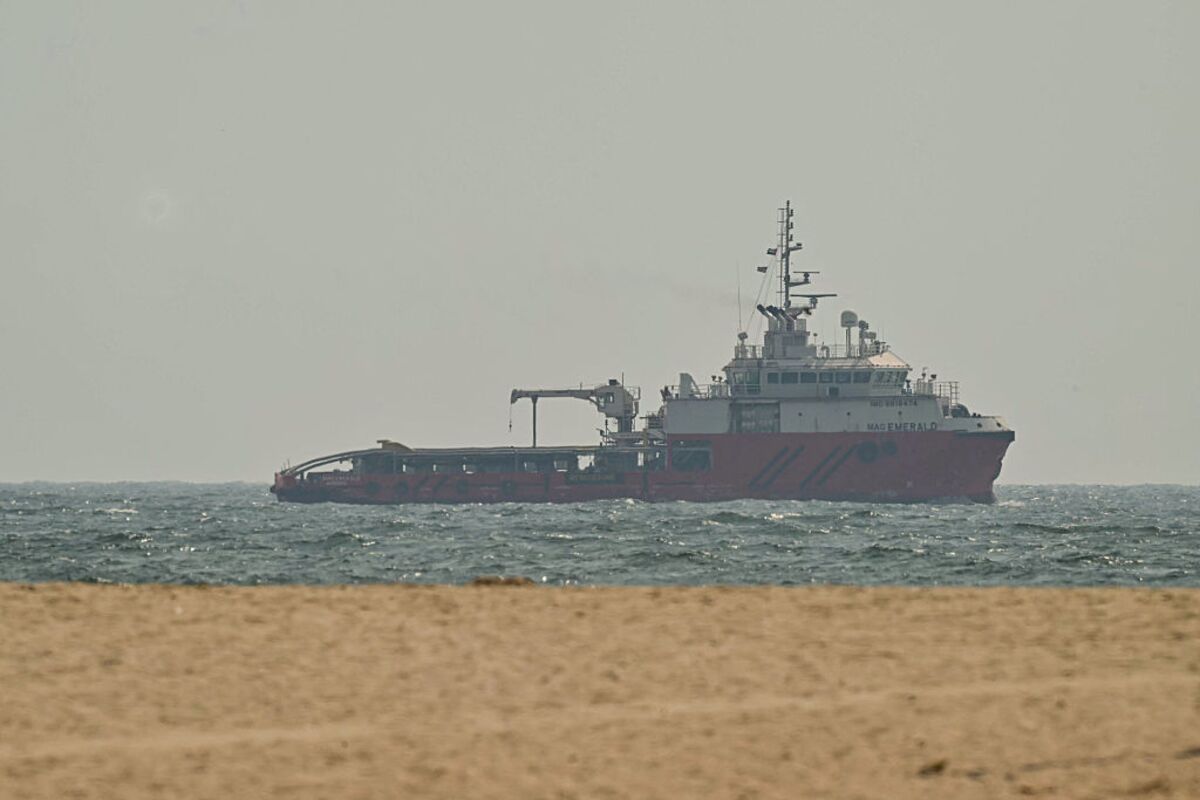
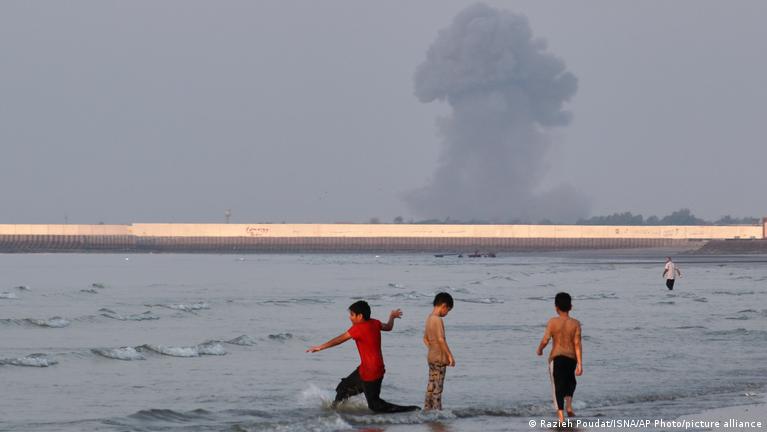
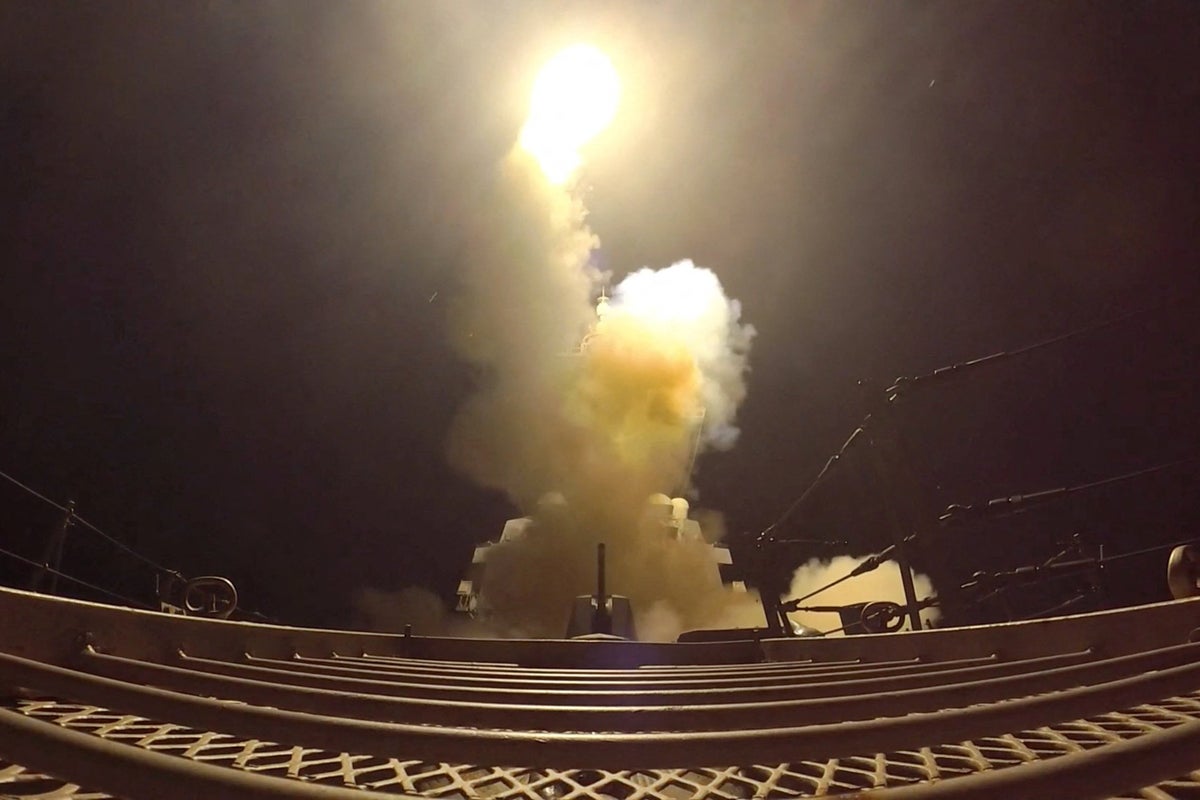
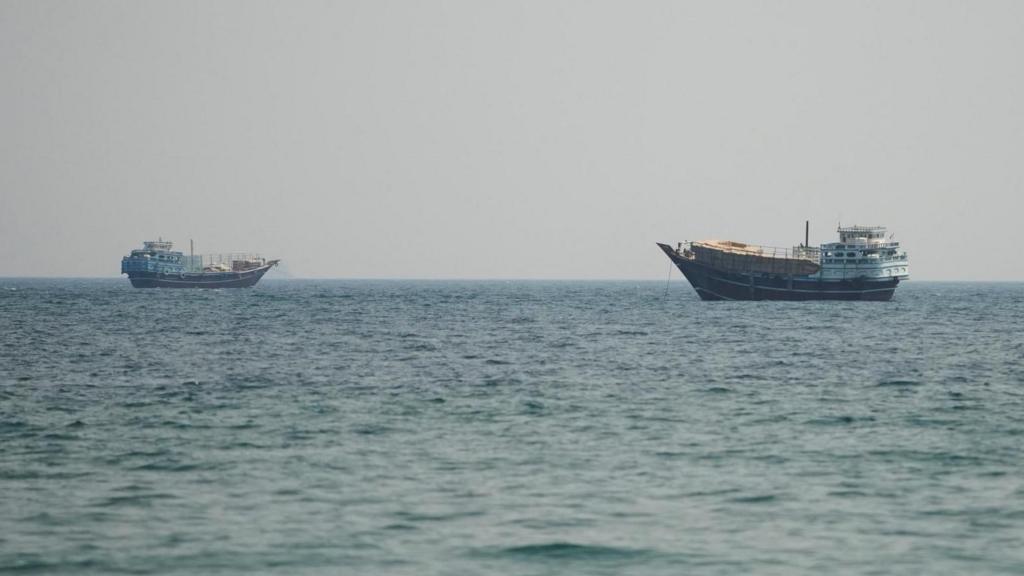
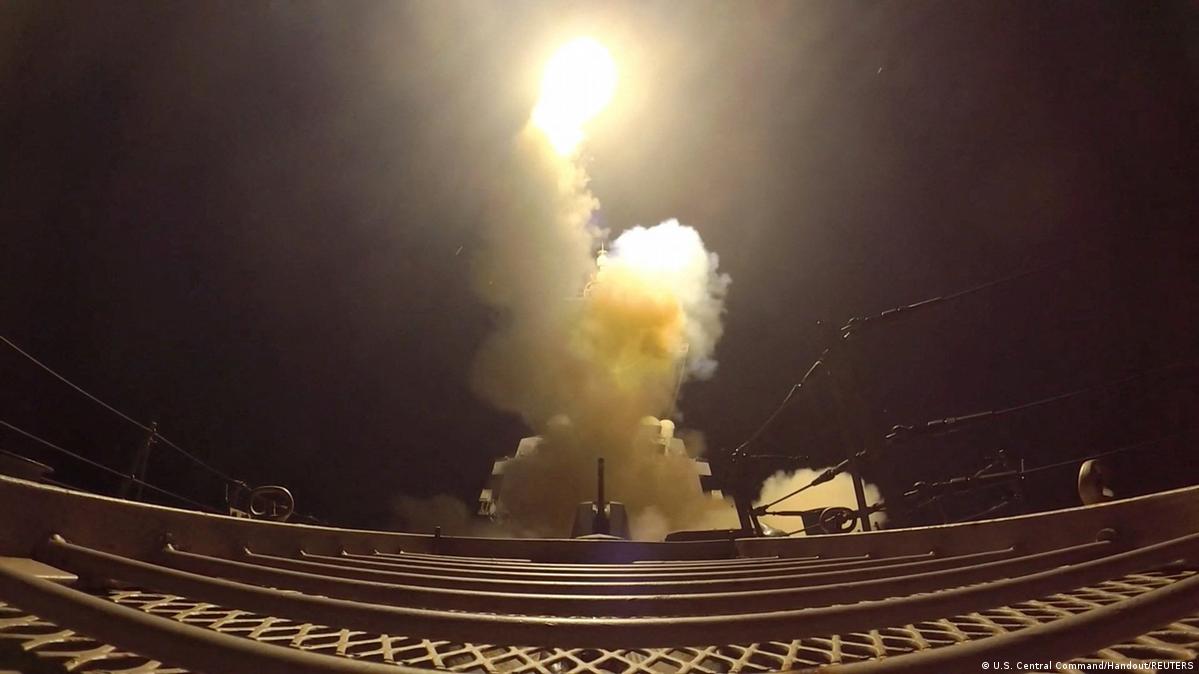
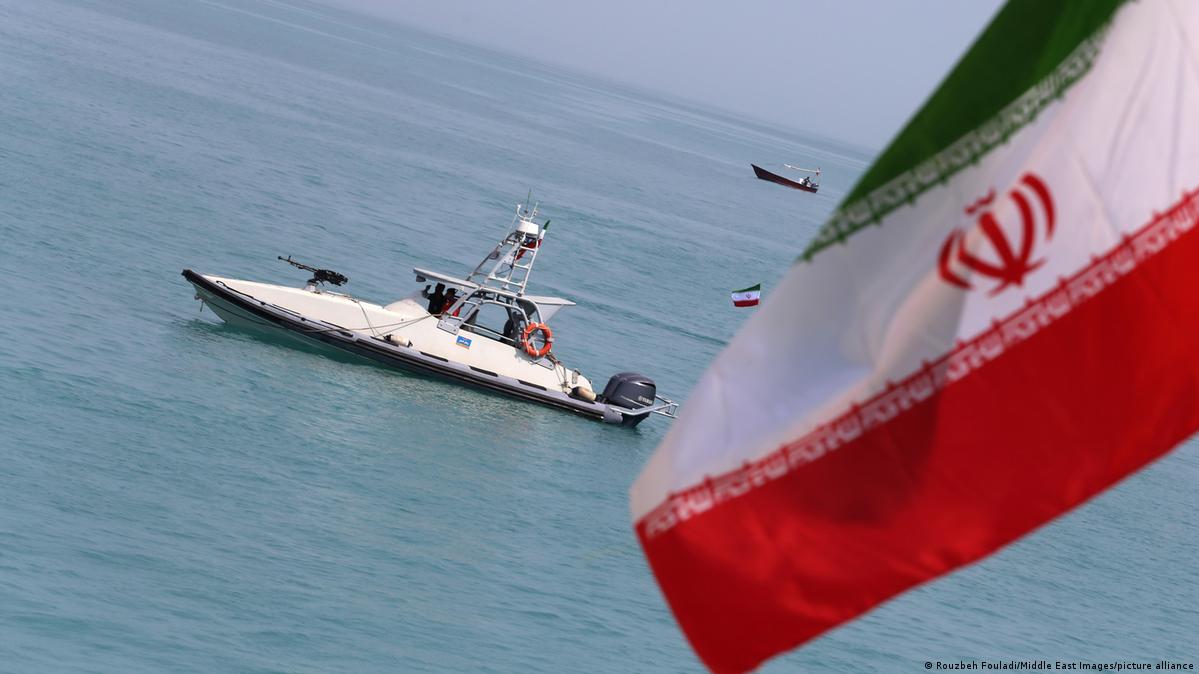
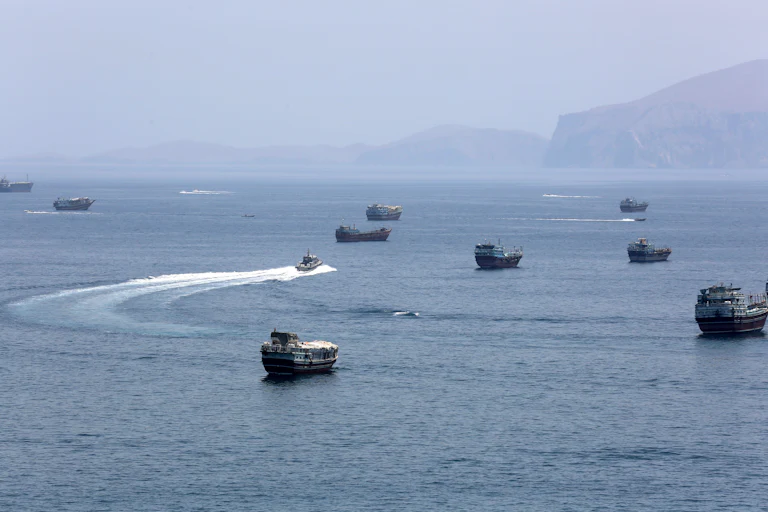
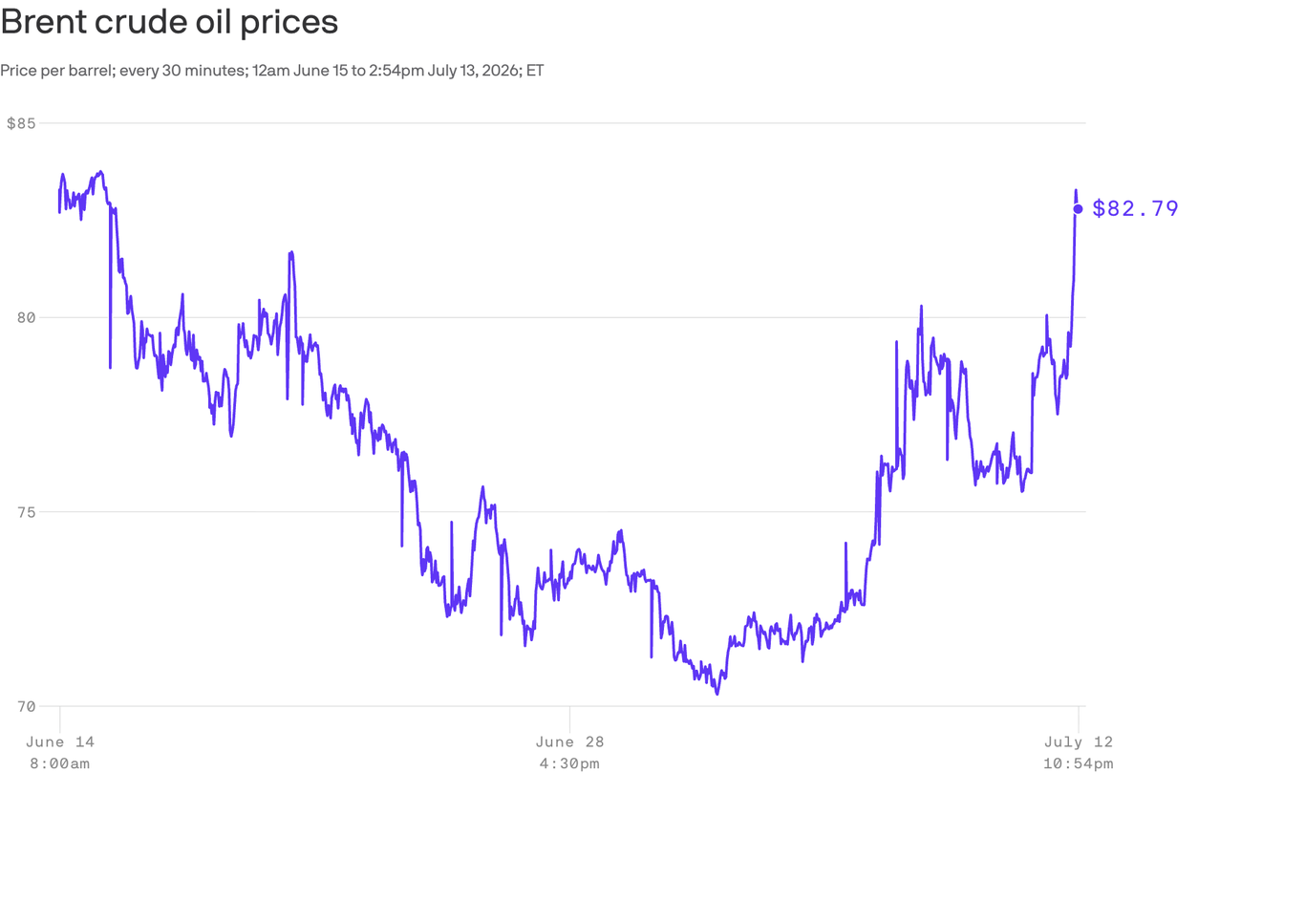
The escalating US-Iran military conflict over control of the Strait of Hormuz represents a critical supply chain disruption event for cross-border e-commerce sellers. Beginning July 13, 2026, the US reinstituted a maritime blockade on Iranian ports and announced a toll system for ships transiting the Strait—a waterway through which 30% of global seaborne oil and 20% of international maritime trade flows. Brent crude oil prices surged from $79.17 to $84.98 per barrel (7.3% increase) within days, with the conflict creating a "high-risk zone" that has plummeted shipping traffic and activated air defense systems across Bahrain, Kuwait, and Jordan.
For e-commerce sellers, this creates immediate logistics cost pressures across three dimensions. First, fuel surcharges: Ocean freight carriers are implementing 8-15% emergency fuel surcharges on all Asia-to-Europe and Asia-to-US routes that transit the Strait, affecting sellers using FCL (full container load) and LCL (less than container load) services. A typical 40-foot container from Shanghai to Rotterdam normally costs $2,800-3,200; sellers should expect $3,040-3,680 within 2-4 weeks as carriers pass through fuel hedging costs. Second, route diversification costs: Shipping lines are rerouting cargo around Africa (Cape of Good Hope route), adding 10-14 days transit time and 15-25% premium costs. Sellers relying on 21-day Asia-Europe transit windows now face 35-39 day cycles, forcing inventory planning adjustments and increased working capital requirements. Third, insurance and security premiums: Maritime insurance for high-risk zone transits has increased 12-20% according to Lloyd's of London market data, with additional piracy/drone strike coverage now mandatory for Gulf region shipments.
The competitive impact segments sellers by logistics sophistication. Large sellers (Amazon FBA aggregators, Shopify Plus merchants with $5M+ annual revenue) can absorb 2-3% margin compression through volume negotiations with freight forwarders and pre-positioned inventory strategies. Mid-market sellers ($500K-5M revenue) face 4-8% margin pressure and must decide between accepting cost increases or shifting sourcing to Vietnam/India (adding 6-8 week lead times). Small sellers (<$500K) using consolidated LCL services are most vulnerable—their per-unit shipping costs increase 12-18% as consolidators pass through fuel surcharges without volume discounts. The 60-day diplomatic negotiation window (established June 16 MOU) creates uncertainty: sellers cannot confidently lock in long-term sourcing or pricing strategies, forcing month-to-month freight booking decisions at premium rates.
Strategic sourcing shifts are accelerating. Sellers importing electronics, apparel, and home goods from China are evaluating Vietnam (Haiphong/Ho Chi Minh ports) and India (Mundra/Jawaharlal Nehru ports) as alternatives to avoid Strait transit. Vietnam sourcing adds 3-5 days transit time but avoids the Strait entirely; India sourcing adds 7-10 days but provides tariff advantages under India-US trade discussions. This creates a 60-90 day window for sellers to renegotiate supplier contracts before freight cost increases become permanent in Q3 2026 pricing.
Questions 8
Should I shift my sourcing from China to Vietnam or India to avoid the Strait?
Vietnam sourcing avoids Strait transit with only 3-5 days additional transit time, making it viable for sellers with 30+ day inventory cycles. India sourcing adds 7-10 days but provides tariff advantages under emerging US-India trade discussions. However, Vietnam and India suppliers typically require 6-8 week lead times versus China's 4-6 weeks, so sourcing shifts are only practical for sellers with 90+ day planning horizons. For immediate Q3 2026 inventory, staying with China but rerouting via Cape of Good Hope (35-39 day transit) may be more cost-effective than supplier switching. Evaluate your inventory turnover rate: if you turn inventory every 45+ days, Vietnam/India shifts are strategically sound; if you turn every 30 days or less, absorbing freight surcharges is more practical.
How does the Strait blockade affect my Amazon FBA inventory planning?
FBA sellers face 2-4 week transit delays on shipments routed through the Strait, requiring inventory buffer increases of 15-25% to maintain in-stock rates during the conflict period. Your Inventory Performance Index (IPI) score may decline if you cannot replenish fast-moving SKUs, potentially triggering storage fee penalties or restricted shipment quantities. Immediately audit your FBA inventory: prioritize fast-moving SKUs (BSR <10,000) for expedited air freight (costs 3-4x ocean freight but guarantees 5-7 day delivery), and consider consolidating slow-moving inventory (BSR >50,000) into 3PL warehouses to reduce FBA storage fees during the disruption. The 60-day negotiation window suggests planning for normal shipping to resume by late August 2026, so avoid over-investing in air freight for items with 60+ day inventory cycles.