

Hormuz Strait 20% Tariff & Blockade | Critical Supply Chain Shock for Cross-Border Sellers
- Threatens 20-30% of global maritime trade; shipping costs surge 15-25% for Asia-Europe-Americas routes; immediate route diversification required for Q1 2025
.jpg?sfvrsn=97f8d265_5)


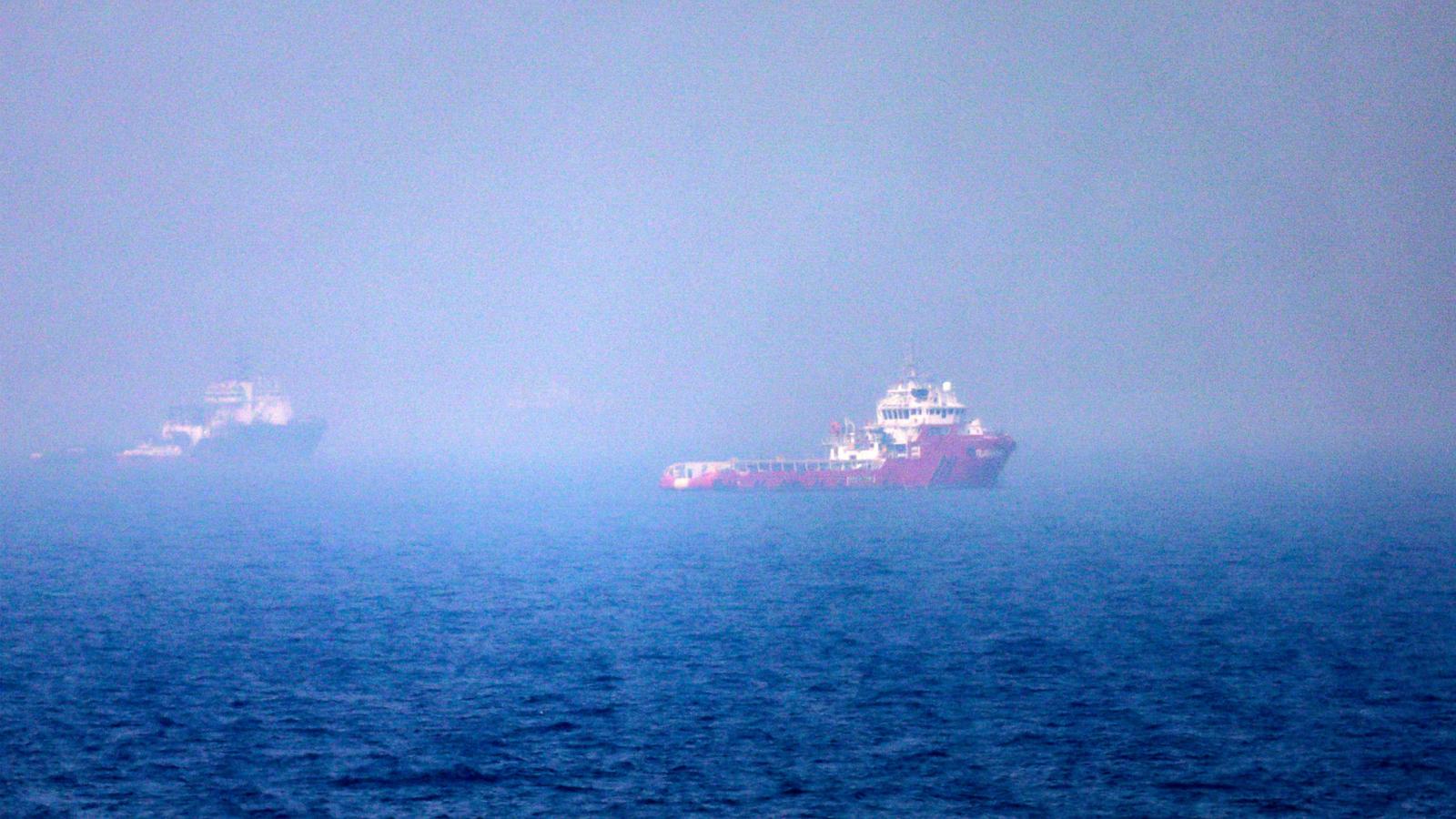
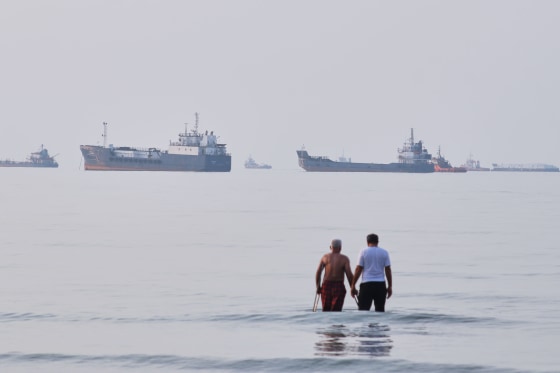
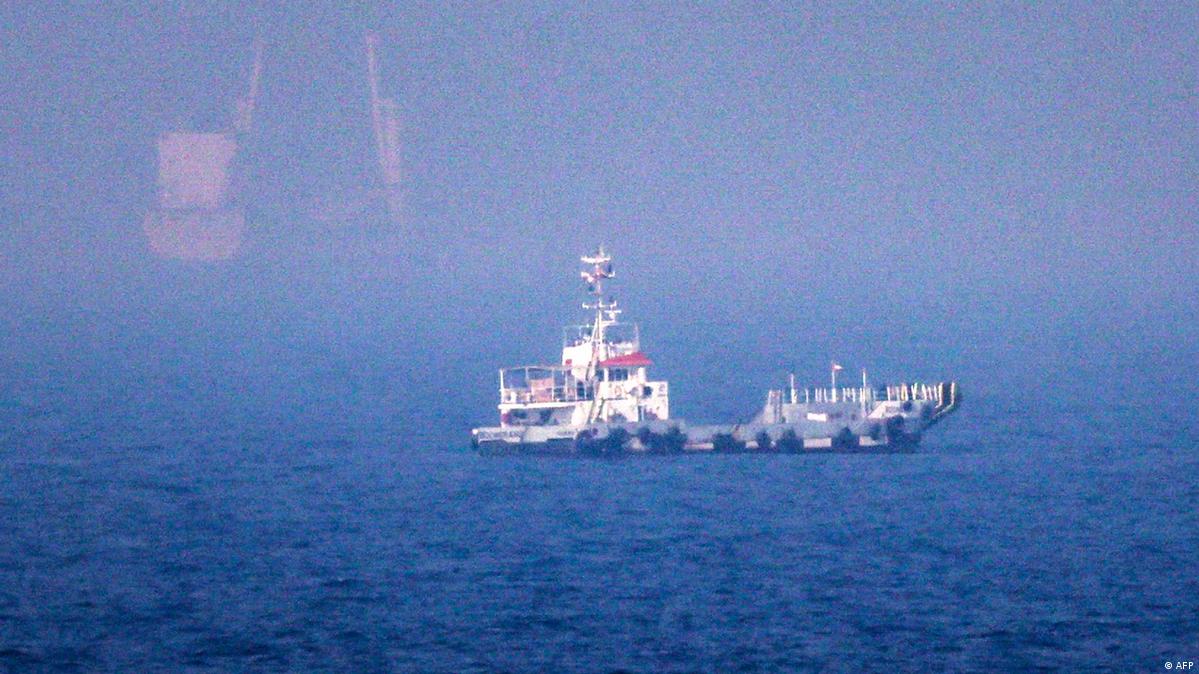
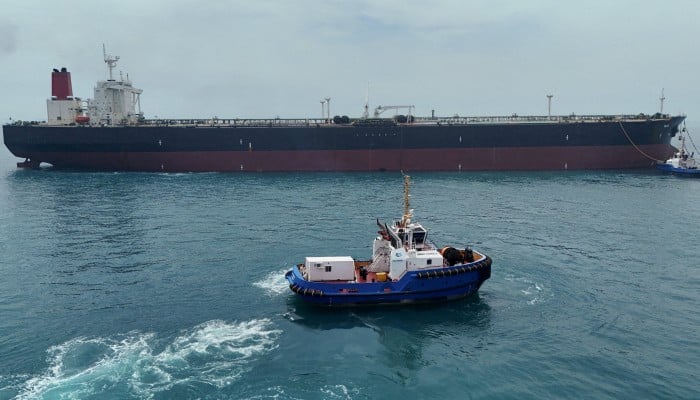
Overview
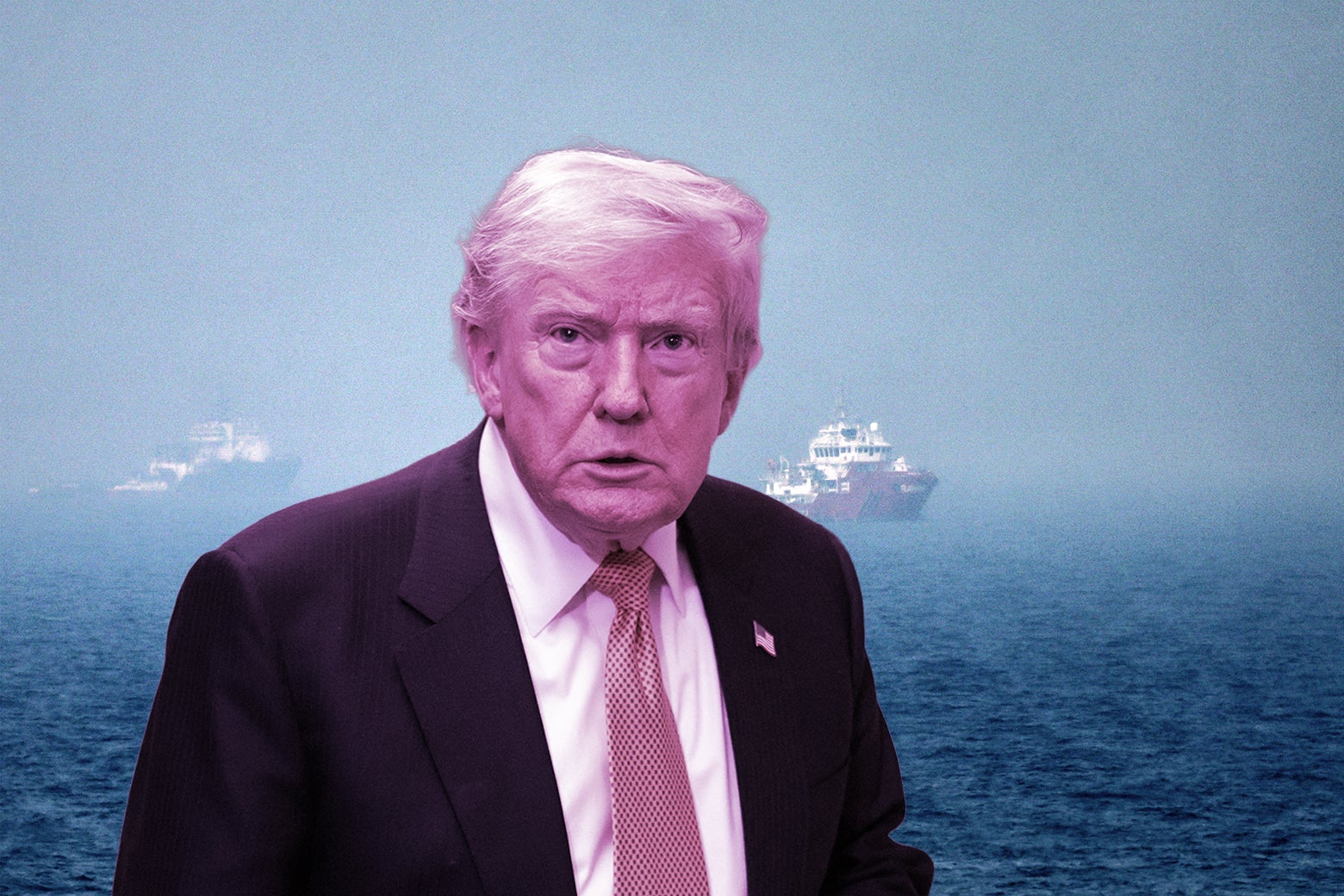
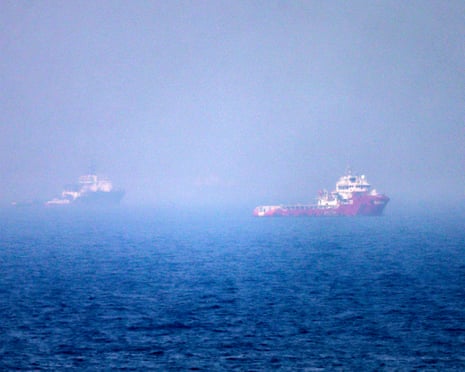
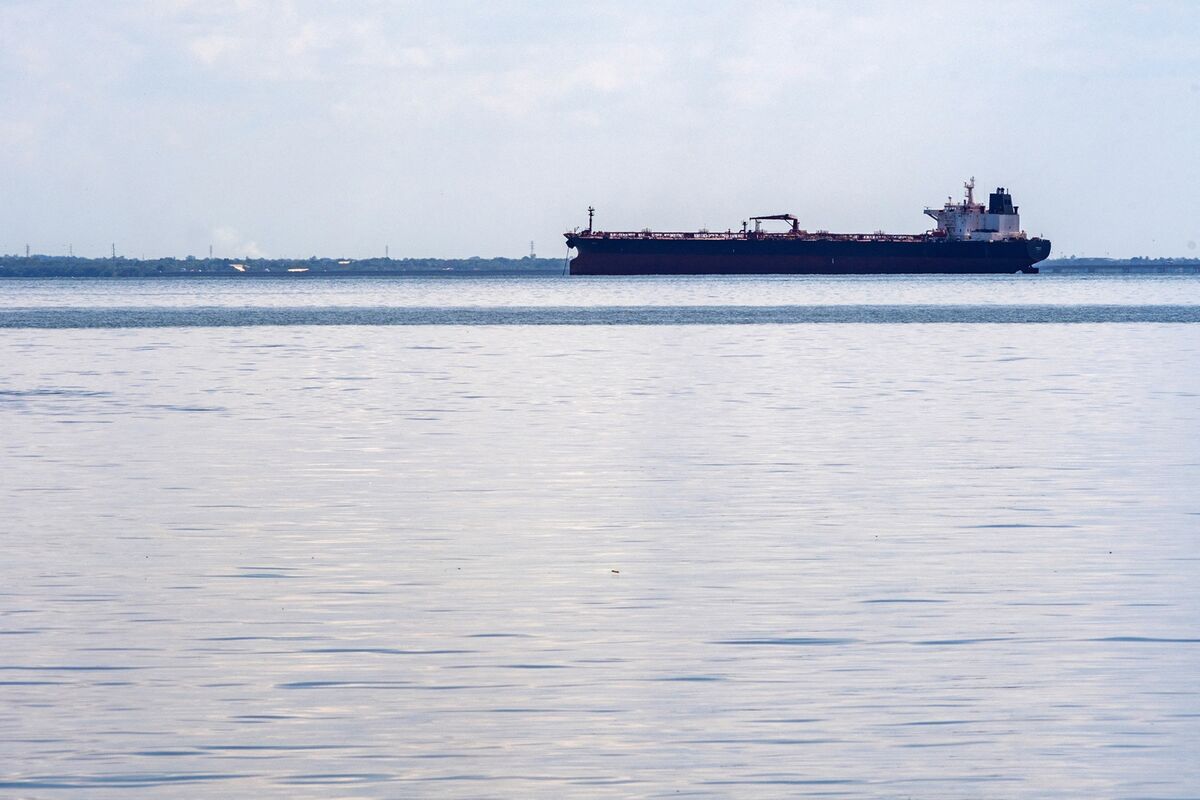
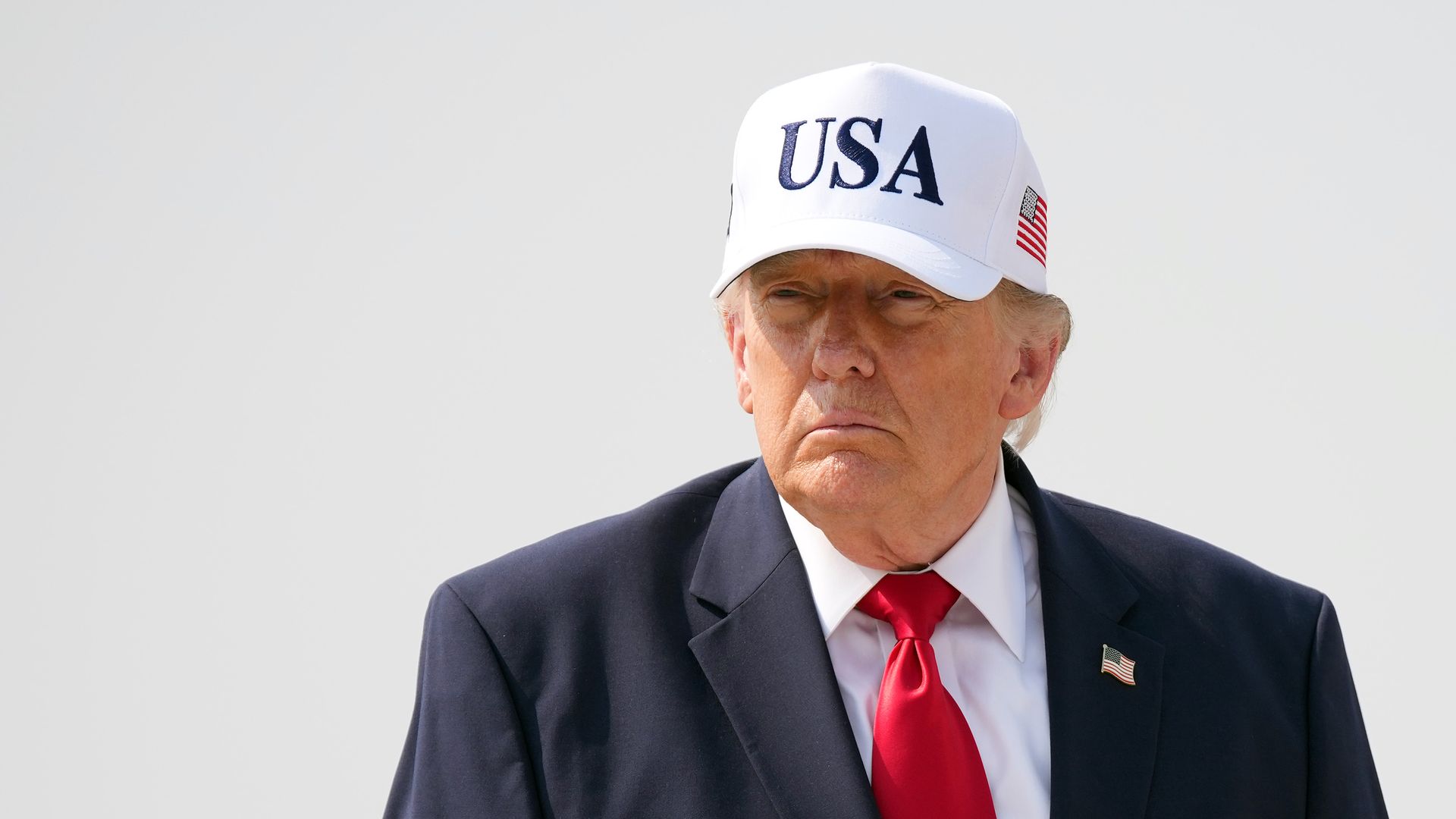
President Trump's announcement of a U.S. blockade and 20% tariff on all cargo transiting the Strait of Hormuz represents an unprecedented geopolitical shock to cross-border e-commerce logistics. The Strait of Hormuz handles 20-30% of global maritime oil trade and serves as the critical chokepoint connecting Asian manufacturing hubs to European and North American markets. Trump's dual intervention—military blockade plus unilateral 20% tariff—creates a compounding cost crisis for sellers relying on traditional Asia-to-West shipping corridors. This policy directly impacts the three primary maritime routes used by cross-border sellers: the Asia-Europe corridor (via Suez), Asia-North America corridor (via Hormuz), and intra-Asia-Pacific routes.
Immediate shipping cost implications are severe for all seller segments. For sellers currently paying $3,000-5,000 per 40-foot container from Shanghai to Rotterdam or Los Angeles, the 20% tariff adds $600-1,000 per shipment, while fuel surcharges from oil price volatility add another 8-12%. Small-to-medium sellers (SMEs) shipping 50-200 containers monthly face $30,000-200,000 in additional monthly costs. Large sellers with 500+ monthly containers absorb $300,000+ in incremental tariff expenses alone. Electronics, apparel, home goods, and consumer goods categories—which depend heavily on Hormuz-adjacent routes—face immediate margin compression of 8-15% unless prices increase. The blockade also introduces supply chain uncertainty: potential 2-4 week delays for time-sensitive inventory, forcing sellers to either accept stockouts or shift to air freight at 5-8x ocean freight costs.
Strategic sourcing and route diversification become urgent competitive advantages. Sellers must immediately assess which suppliers can shift production to Vietnam, India, or Mexico to bypass Hormuz-dependent routes. Vietnam-to-US routes via Pacific avoid Hormuz entirely; India-to-EU routes via Suez add 3-5 days but bypass the tariff zone. Sellers with existing supply chain flexibility gain 6-12 month competitive windows before competitors adapt. The policy also creates tariff arbitrage opportunities: goods sourced from non-Hormuz routes (Mexico, Vietnam, India) become cost-competitive against China-sourced alternatives for the first time. Compliance complexity increases—sellers must track shipment routing, document non-Hormuz sourcing, and potentially restructure supplier agreements. The announcement signals broader Trump administration trade policy escalation, suggesting additional tariffs on specific categories may follow, making immediate supply chain audits critical for all cross-border sellers.
Questions 8
Should sellers increase prices immediately or absorb the Hormuz tariff costs?
Price increases depend on product category, competitive positioning, and demand elasticity. Electronics and commodity goods have low price elasticity; sellers can absorb 5-8% of tariff costs and pass 7-10% to consumers before seeing demand drops. Apparel and home goods have higher elasticity; sellers should absorb 3-5% and pass 5-8% to consumers. Luxury and high-margin products can absorb 10-15% without price increases. The strategic approach: implement 5-8% price increases immediately (within 2-4 weeks) while simultaneously shifting 20-30% of sourcing to non-Hormuz suppliers. This creates a 60-90 day window where prices are higher but costs are declining, improving margins. Sellers who delay price increases risk margin compression; those who increase prices too aggressively risk losing market share to competitors with diversified sourcing. Monitor competitor pricing weekly and adjust strategy based on market response.
How does the Hormuz tariff interact with existing Trump tariffs on China goods?
The 20% Hormuz tariff compounds existing China tariffs (currently 25% on most goods), creating a potential 45%+ total tariff burden for China-sourced goods transiting Hormuz. This dramatically accelerates the shift to Vietnam, India, and Mexico sourcing, where tariff rates are lower (0-15% depending on category). Sellers currently paying 25% China tariffs now face 45% total costs, making alternative sourcing economically mandatory rather than optional. The policy signals broader Trump administration trade escalation, suggesting additional tariffs on specific categories may follow. Sellers should assume tariff rates will remain elevated through 2025-2026, making supply chain restructuring a permanent strategic shift rather than a temporary adjustment. This creates a 6-12 month window where sellers with diversified sourcing gain significant competitive advantages over China-dependent competitors.