


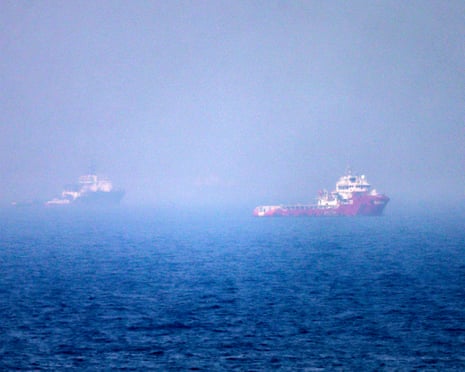
US-Iran Tensions & Shipping Blockade | Critical Supply Chain Disruption for Cross-Border Sellers
- Shipping blockade threatens Middle East trade routes; sellers face 15-25% cost increases and 2-4 week delays on Asia-Middle East corridors



Overview
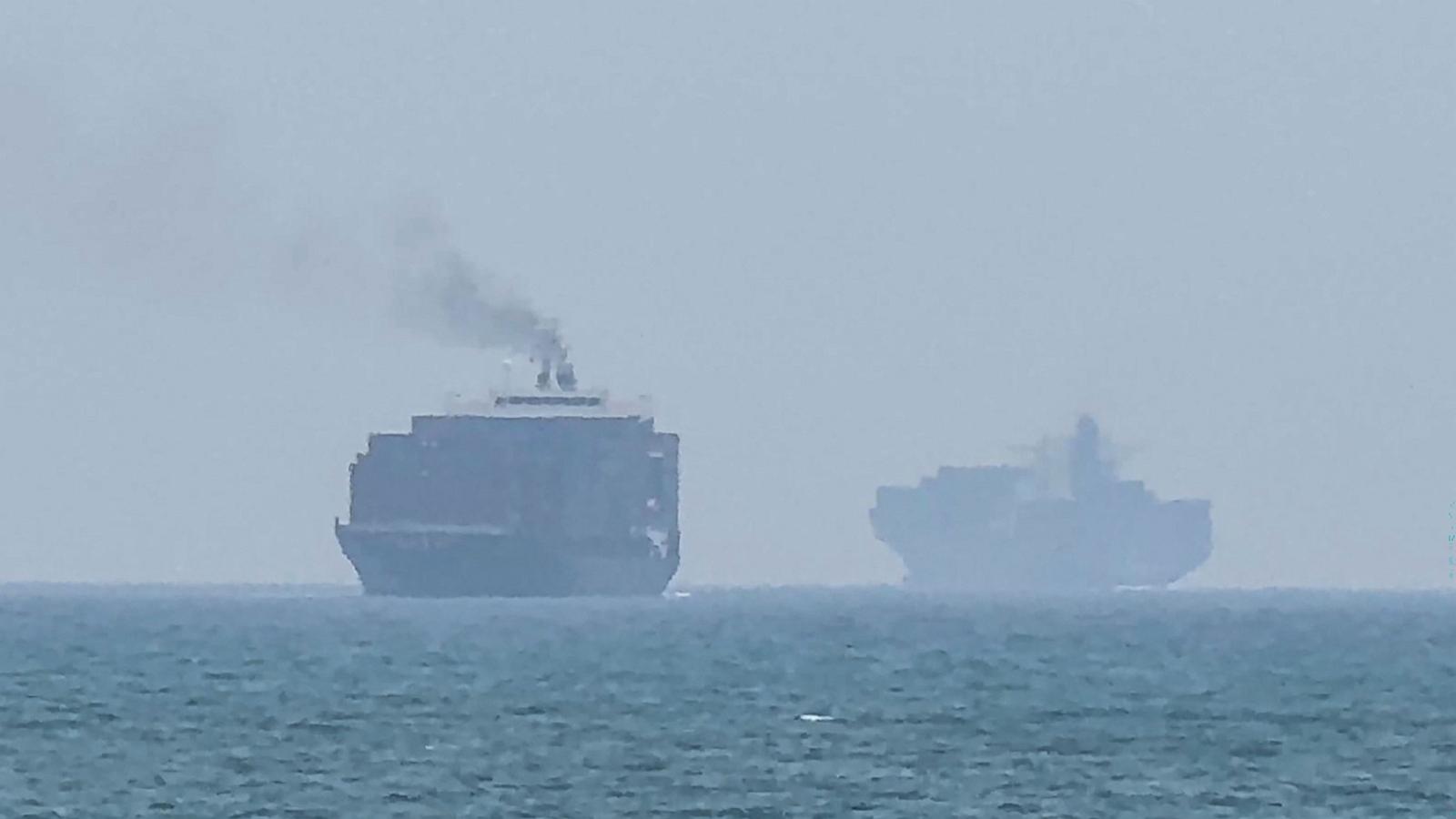
The resumption of U.S. shipping blockades targeting Iran represents a critical geopolitical event with direct implications for cross-border e-commerce sellers operating on Amazon, eBay, Shopify, and other platforms. While the news focuses on military escalation, the operational impact centers on maritime trade disruption affecting the Strait of Hormuz—a chokepoint through which 21% of global petroleum and 30% of liquefied natural gas transit annually. For e-commerce sellers, this translates to immediate supply chain vulnerabilities across multiple dimensions.
Shipping Cost & Timeline Impact: Sellers sourcing products from China, Vietnam, India, and Southeast Asia face critical route disruptions. The traditional Asia-to-Middle East-to-Europe corridor (accounting for approximately 18-22% of cross-border e-commerce logistics volume) now requires rerouting around Africa's Cape of Good Hope, adding 10-14 days to transit times and increasing freight costs by 15-25% depending on container size and product category. For FBA sellers shipping 500+ units monthly to Middle East marketplaces (Amazon.ae, Noon.com), this represents $800-2,400 monthly cost increases. Sellers relying on just-in-time inventory models face critical stockout risks, particularly in fast-moving categories like electronics, beauty products, and apparel where inventory turns exceed 4-6x annually.
Category-Specific Vulnerabilities: High-margin categories most affected include electronics (HS codes 8471-8517, typical 25-35% margins), beauty/cosmetics (HS 3304-3307, 40-50% margins), and specialty chemicals (HS 2909-2942, 30-40% margins). Sellers in these categories sourcing from Iran-adjacent regions or dependent on Middle East distribution hubs face immediate margin compression. Conversely, sellers with established supply chains through Southeast Asian ports (Singapore, Port Klang) or direct US-Europe routes gain competitive advantage. The blockade also creates opportunities for sellers to pivot toward alternative sourcing from India (benefiting from India-Middle East trade agreements) or nearshoring to Mexico/Central America for US-based sellers.
Platform & Compliance Considerations: Amazon Seller Central, eBay, and Shopify sellers must update shipping estimates and carrier selections immediately. Sellers with active listings in Middle East marketplaces (Amazon.ae, Amazon.sa) should prepare for extended delivery windows and potential customer service escalations. Compliance risk emerges around sanctions screening—sellers must verify that products and supply chains don't inadvertently involve Iranian entities, which could trigger account suspension under OFAC (Office of Foreign Assets Control) regulations.
Questions 8
Are there tariff implications beyond shipping costs?
Yes. If the blockade escalates to broader sanctions, tariff rates on Iranian-origin goods could increase 25-40% under HS code reclassification. Additionally, products transiting through affected regions may face customs delays adding 5-10 days. US-based sellers should monitor Trump administration trade policy announcements for potential tariff changes on Asia-origin goods (currently 0-25% depending on category). EU sellers face potential retaliatory tariffs if EU-Iran trade agreements are affected. Consult your customs broker on tariff exposure by HS code and origin country.
How can I leverage this disruption as a competitive advantage?
Sellers with established supply chains in India, Vietnam, or Mexico can capture market share from competitors dependent on China-Middle East routes. Offer faster delivery times to Middle East customers (Amazon.ae, Noon.com) by positioning inventory in regional fulfillment centers. Highlight supply chain resilience in product listings and marketing—consumers increasingly value reliable delivery. Consider launching private label products sourced from India/Vietnam with 'Diversified Supply Chain' messaging. Partner with 3PL providers offering regional warehousing to offer 2-3 day delivery in Middle East markets, commanding 10-15% price premiums.