




Strait of Hormuz Conflict Triggers Oil Surge to $79.17/bbl | Critical Supply Chain Risk for Cross-Border Sellers
- Brent crude surges 4% on military escalation; shipping costs to rise 8-15% for sellers routing through Middle East; 60-day diplomatic window creates 90-120 day supply chain uncertainty












Overview
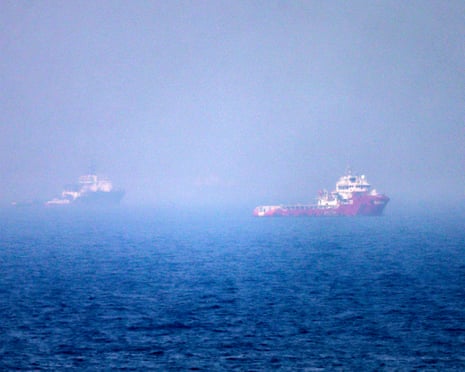
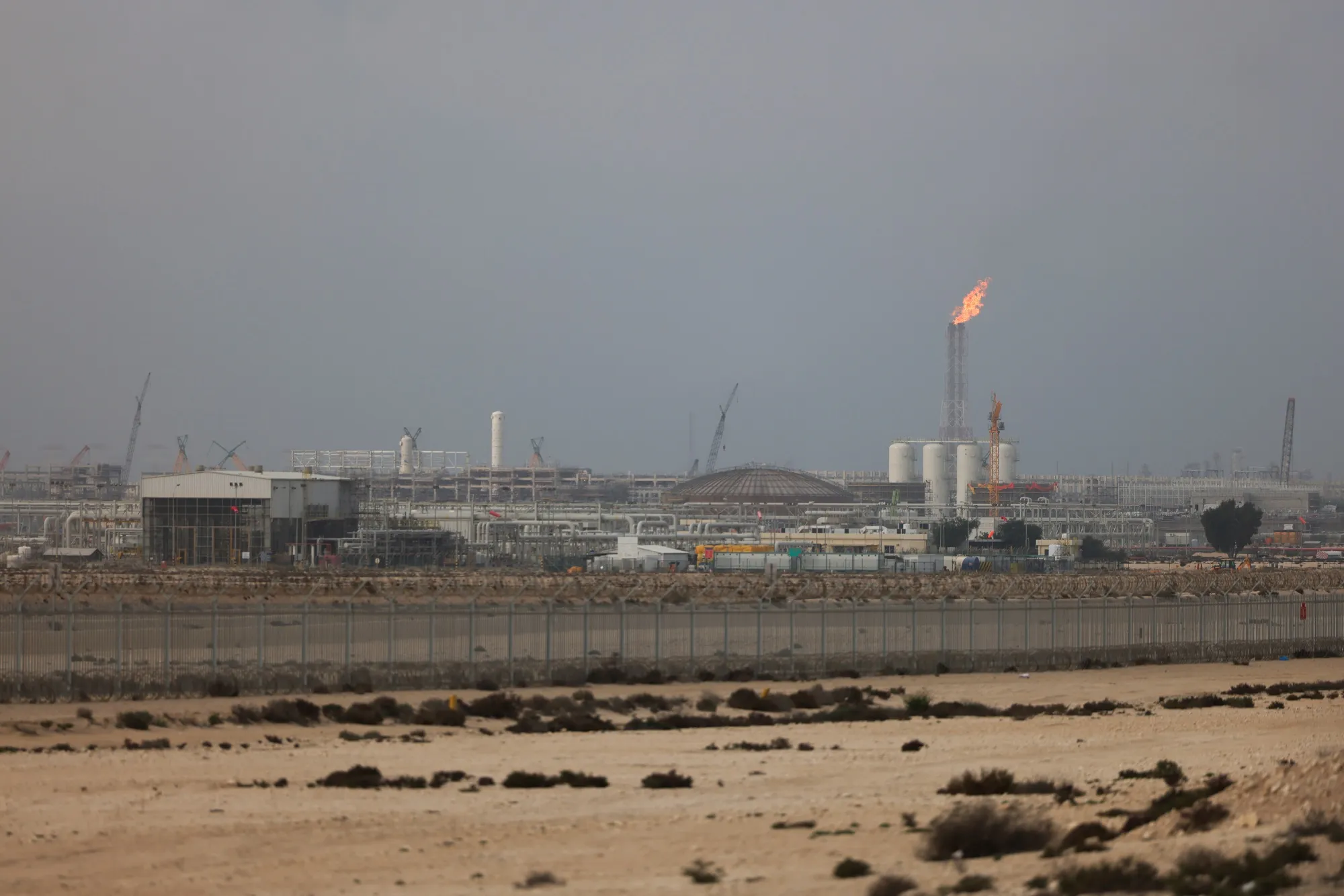
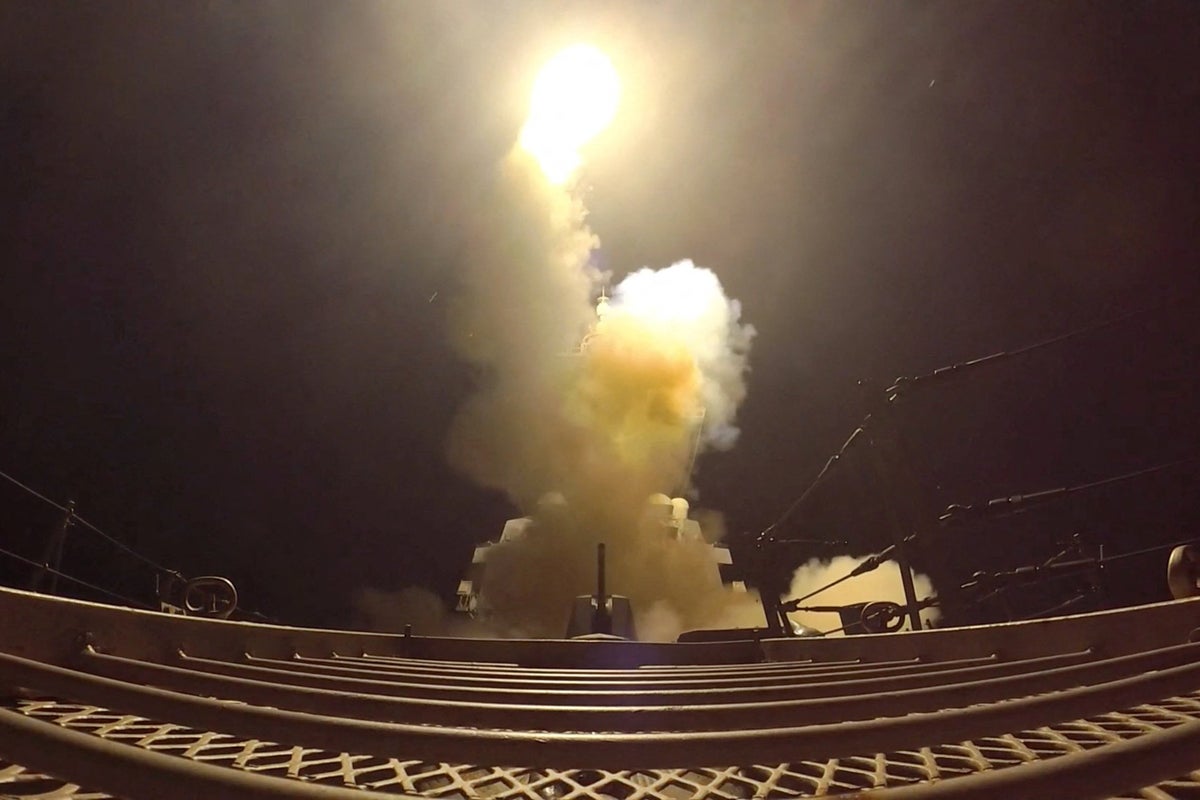
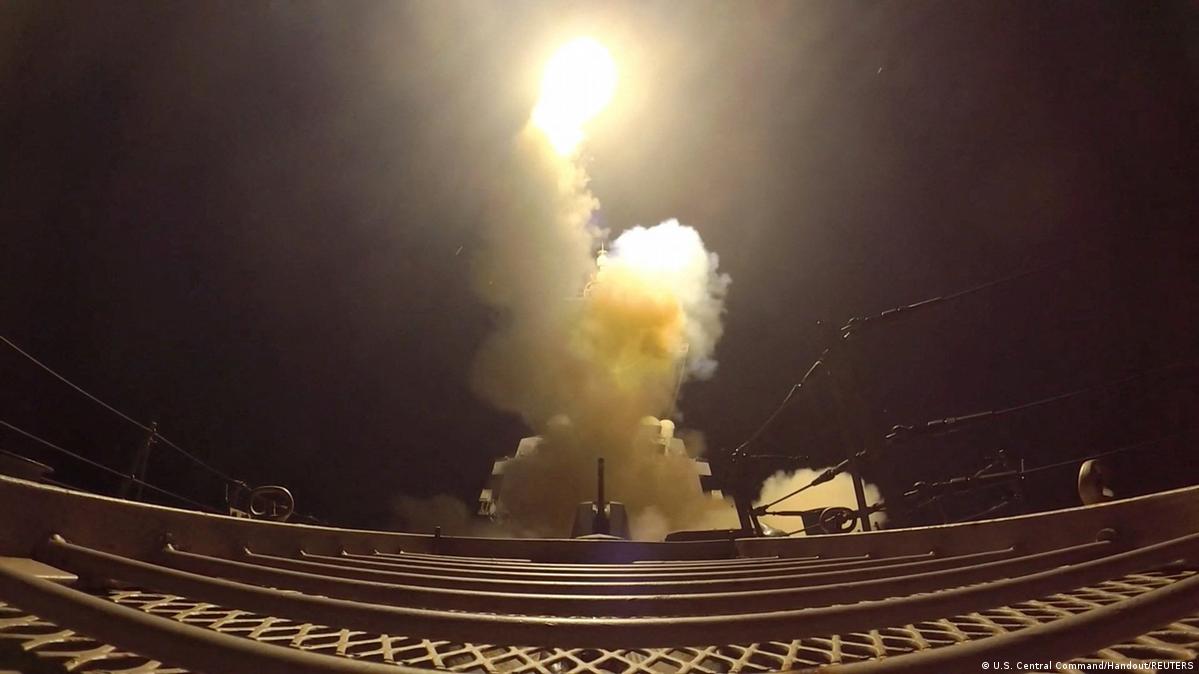
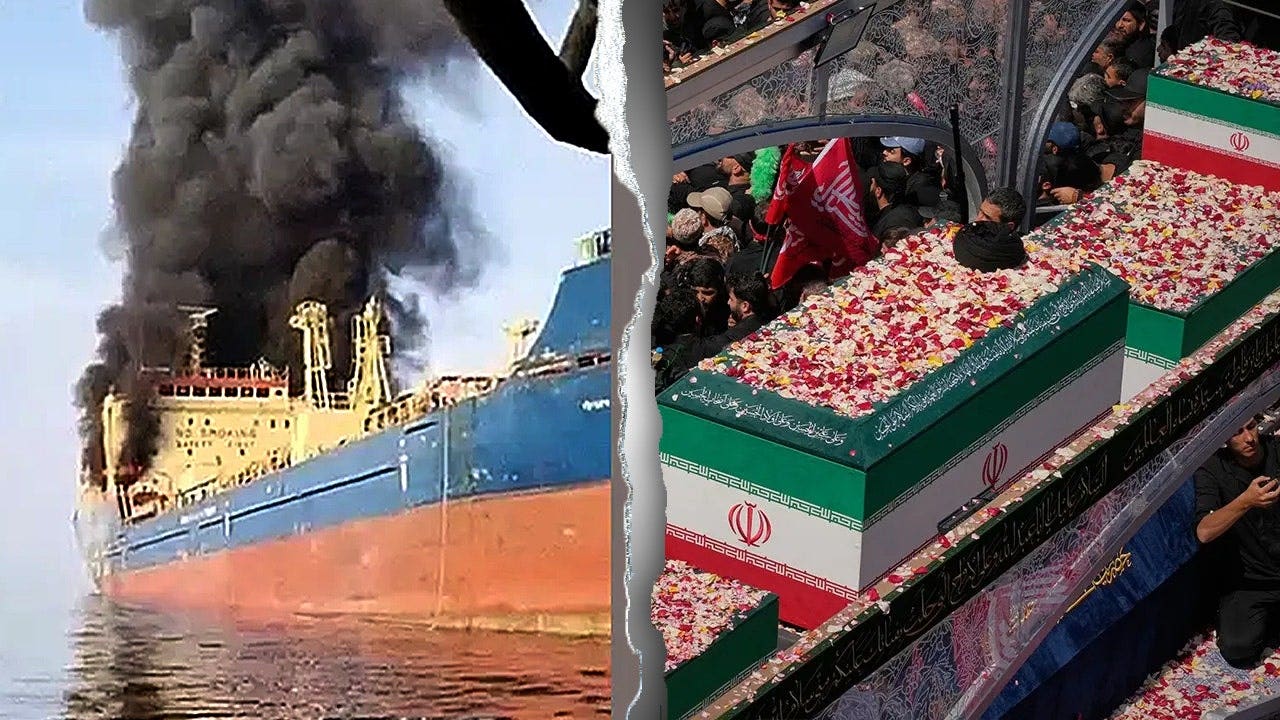
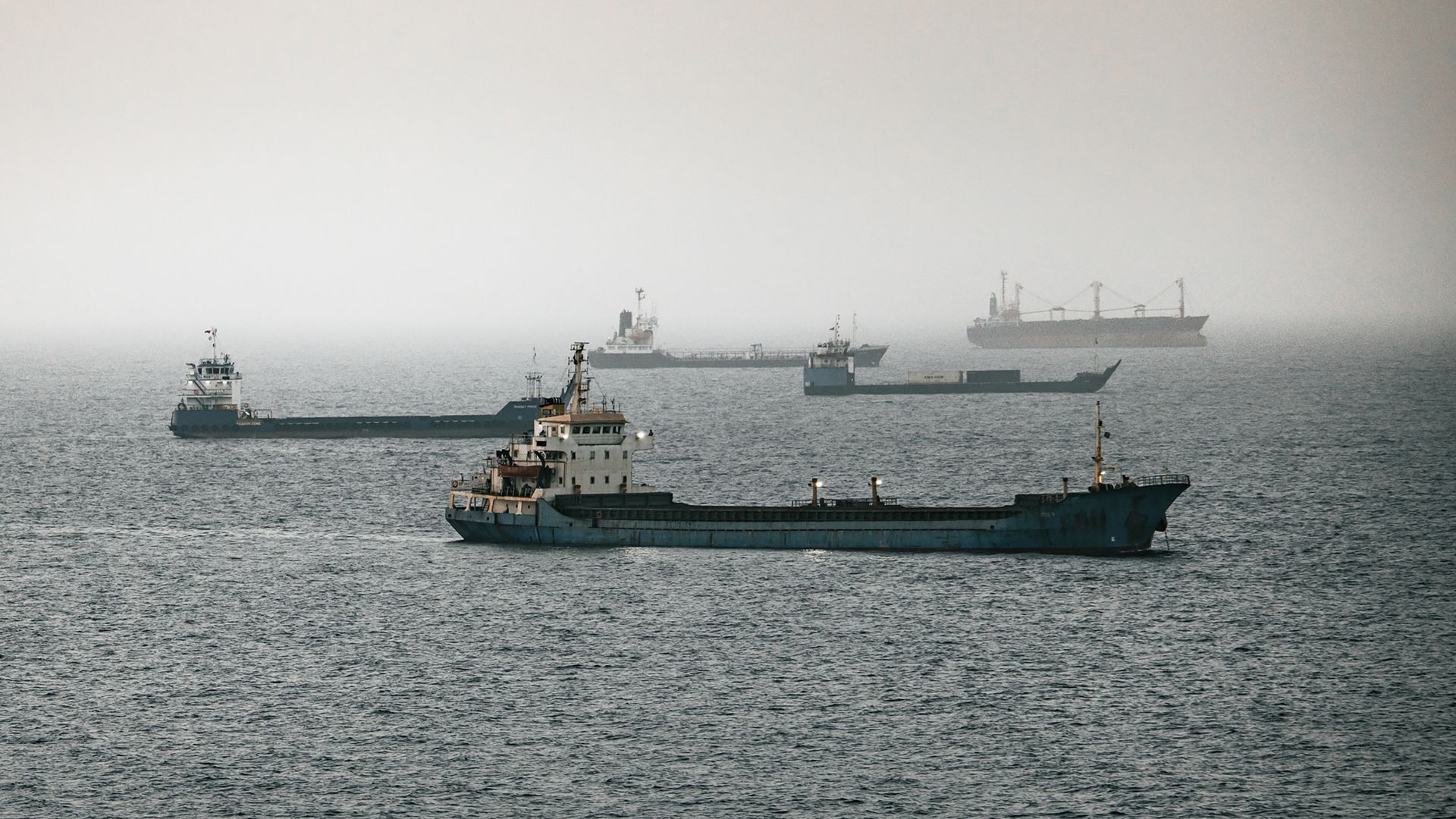
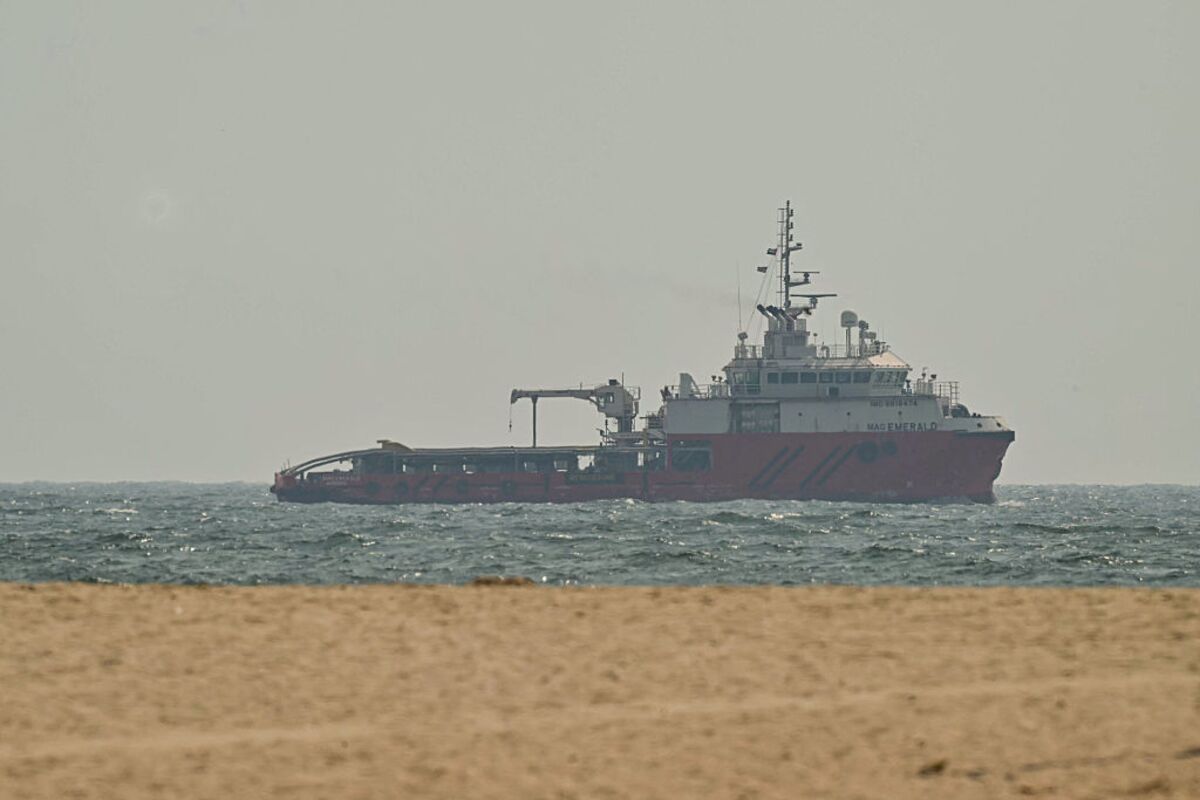
The July 13, 2026 escalation between the US and Iran over Strait of Hormuz control represents a critical supply chain inflection point for cross-border e-commerce sellers. Brent crude oil prices surged 4% to $79.17/barrel—the highest level since June 22—following Iranian retaliatory strikes on US military installations in Kuwait, Bahrain, and Jordan, and US strikes on Iranian targets using new drone and sea drone weaponry. This geopolitical tension directly impacts seller economics through three mechanisms: (1) Fuel surcharges on ocean freight: Shipping costs through the Suez Canal and Red Sea routes are projected to increase 8-15% within 30-60 days as fuel hedging costs rise; (2) Supply chain rerouting: Sellers sourcing from Asia-Pacific or manufacturing in India/Vietnam face 10-14 additional transit days if forced to reroute around the Cape of Good Hope, adding $400-800 per 40ft container; (3) Inventory velocity pressure: The fragile 60-day diplomatic window (established June 16 MOU) creates 90-120 days of uncertainty, forcing sellers to either accelerate inventory purchases now (at higher fuel costs) or risk stockouts if the Strait closes.
Immediate market impact: The conflict centers on Iran's interpretation of the June 16 Memorandum of Understanding, which Iran claims grants it authority to control Strait traffic and deny passage permissions, while the US insists the waterway remain open for unhindered international shipping. This fundamental disagreement—acknowledged by Quincy Institute director Trita Parsi as "ambiguities necessary to reach initial agreement"—creates binary risk: either diplomatic resolution within 60 days (stabilizing shipping by late August 2026) or escalation forcing closure of the world's most critical oil chokepoint (30% of global maritime oil trade flows through the Strait). Georgetown University professor Mehran Kamrava notes Iran is "converting the conflict into an economic struggle by threatening the strait's closure," signaling Iran may weaponize shipping disruption rather than military capability.
Seller segment impact varies by sourcing geography: US-based sellers importing from China/Vietnam face immediate 12-18% freight cost increases (from $2,500-3,500 to $2,800-4,100 per 40ft container) within 2-3 weeks as fuel surcharges activate. EU sellers routing through Suez face similar pressures. Conversely, sellers already positioned with inventory in US/EU warehouses gain competitive advantage—their cost of goods sold (COGS) remains fixed while competitors' landed costs rise 8-12%. The Houthi threat (Iran-backed militant group with sea mines and ballistic missiles per CSIS research) adds insurance cost premiums of 1-3% for high-value electronics/luxury goods transiting the Gulf of Aden. Categories most exposed: electronics (high weight-to-value ratio), apparel (seasonal inventory cycles), and home goods (volume-dependent logistics). Categories least exposed: digital products, software licenses, and drop-shipped items with direct manufacturer fulfillment.
Strategic window for action: Sellers have 7-14 days to execute procurement decisions before freight markets fully price in geopolitical risk. Those with $50K-500K monthly procurement budgets should accelerate Q3-Q4 inventory purchases now (absorbing current 4% oil premium) rather than waiting for potential 12-18% increases in 30-45 days. Conversely, sellers with 60+ days of inventory on hand should delay purchases and monitor the 60-day diplomatic window (expires ~August 15, 2026) for resolution signals.
Questions 8
Which shipping routes should I prioritize to avoid Strait of Hormuz exposure?
Three alternatives exist: (1) Suez Canal route via Europe (adds 3-5 days, $300-600 per container), (2) Cape of Good Hope route (adds 10-14 days, $1,200-2,000 per container), (3) Air freight to Europe then ground distribution (adds $2-4 per unit but eliminates maritime risk). For Asia-to-US routes, prioritize Pacific routing through California ports, which avoids Middle East entirely. Negotiate with shipping lines for Suez Canal routing at premium rates ($300-600 per container) rather than Cape of Good Hope. For time-sensitive products, shift to air freight for 20-30% of volume to ensure delivery reliability during the 60-day negotiation window.
Which product categories face the highest shipping cost impact from this conflict?
Heavy, low-margin categories face the greatest impact: (1) Electronics (HS 8471-8517): High volume, thin margins (8-12%), shipping costs represent 15-20% of COGS. A 4% oil increase adds $60-100 per unit cost. (2) Home goods/furniture (HS 9401-9406): Bulky, high-volume shipments; fuel surcharges add 10-15% to logistics. (3) Appliances (HS 8418-8450): Similar dynamics to electronics. (4) Textiles/apparel (HS 6201-6217): Lower absolute cost impact but high volume means aggregate cost increases of $50,000-100,000 monthly for large sellers. Light, high-margin categories (jewelry, cosmetics) are less affected. Recommendation: For heavy categories, implement 5-10% price increases immediately to offset logistics costs. Monitor competitor pricing—those with pre-positioned inventory will undercut you. Consider shifting 20-30% of heavy category sourcing to nearshoring (Vietnam, India) to avoid Strait routing.