





Strait of Hormuz Escalation Triggers Oil Surge | Critical Shipping Route Risk for Cross-Border Sellers
- US-Iran military conflict threatens 30% of global maritime oil trade; Brent crude jumps $3.92 to $78.99/barrel; shipping costs to surge 8-15% for sellers using ocean freight corridors through Middle East














Overview
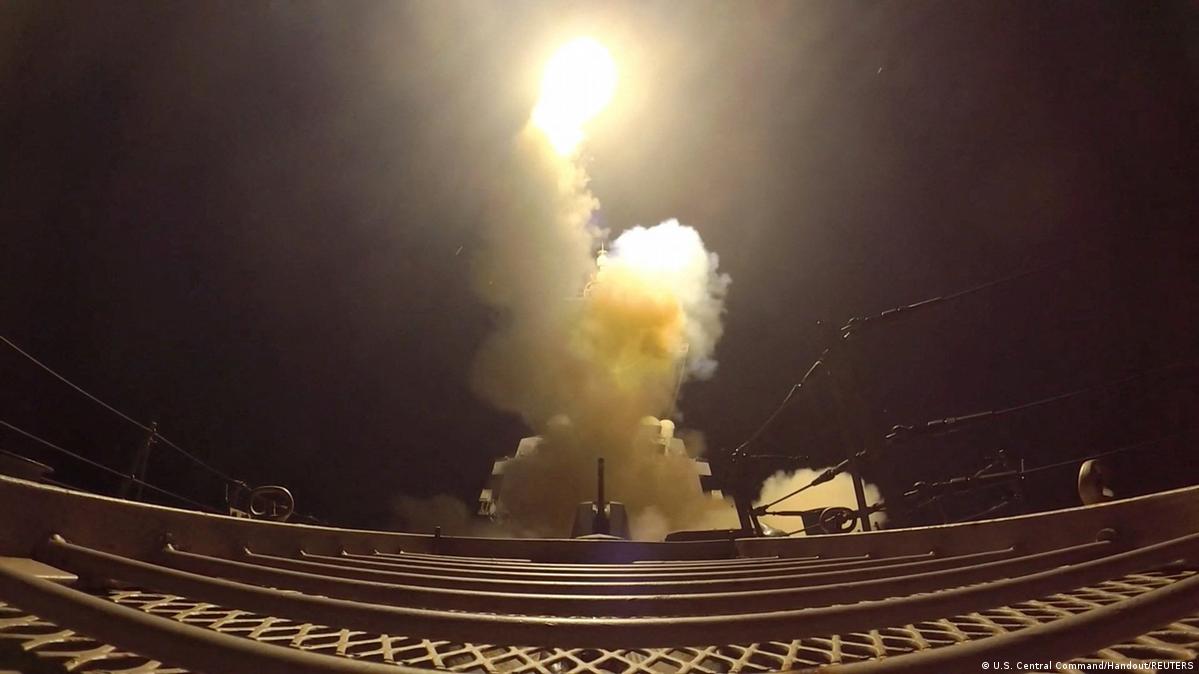
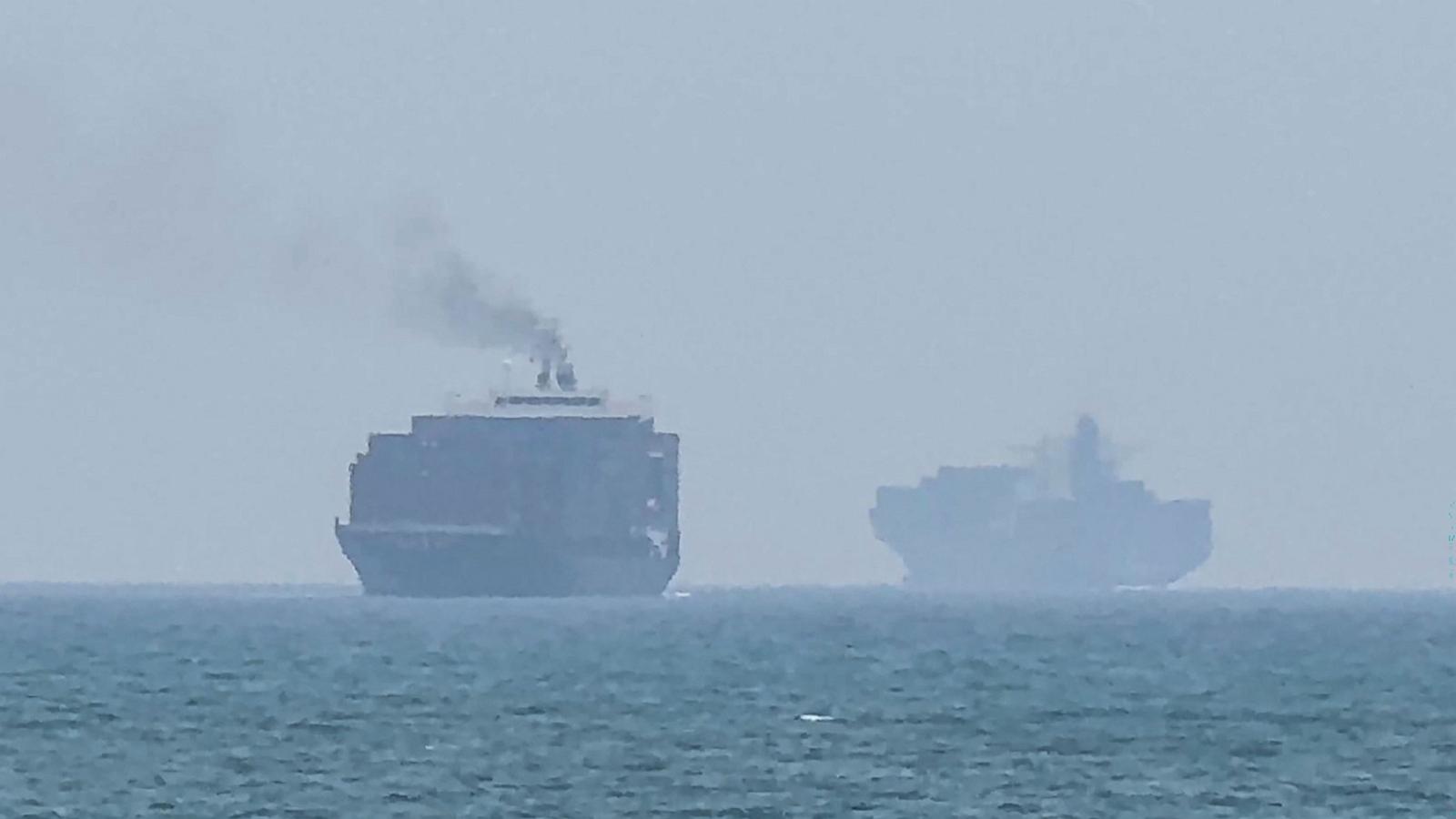
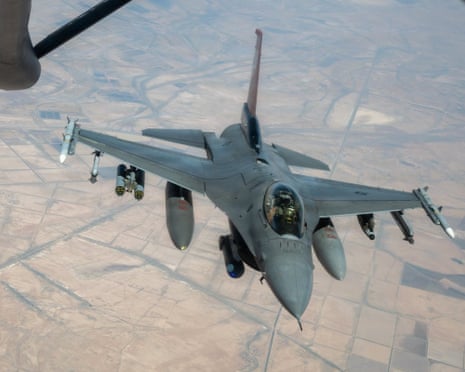
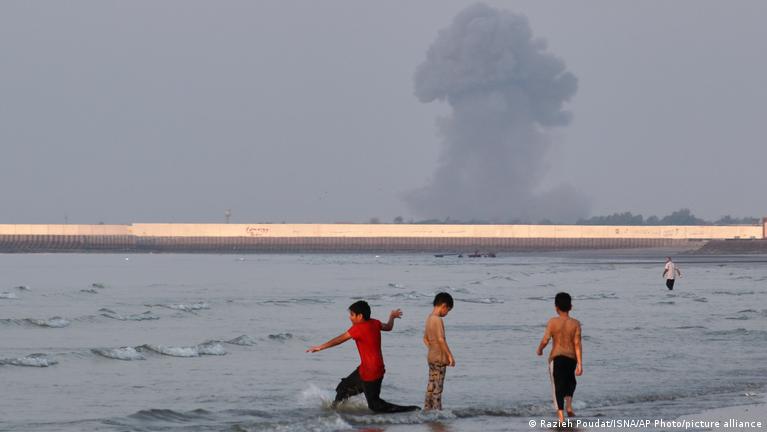
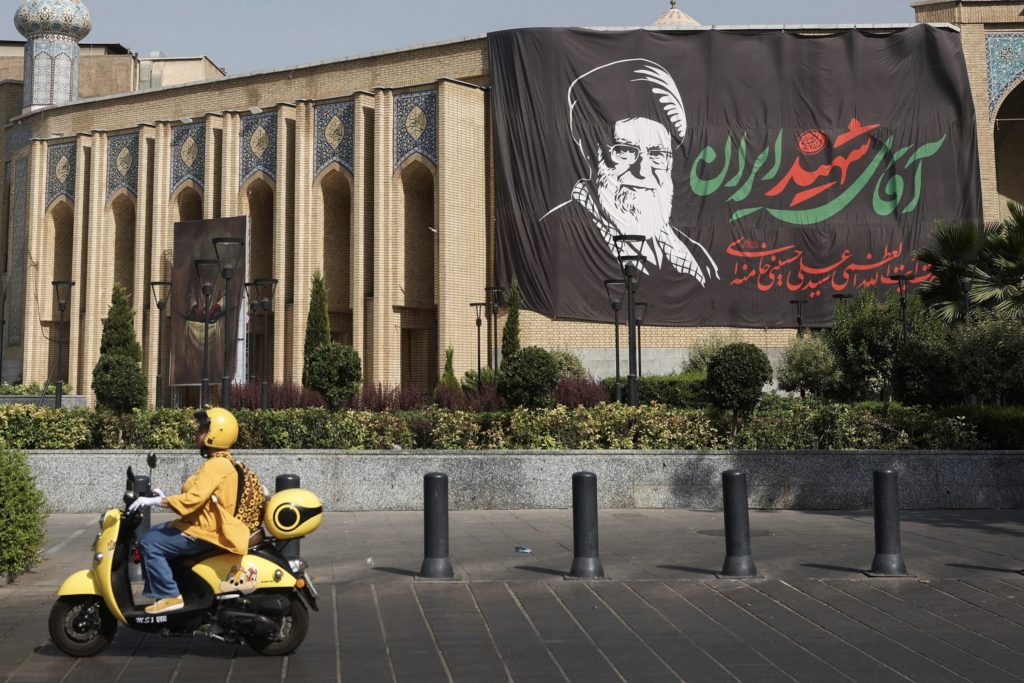
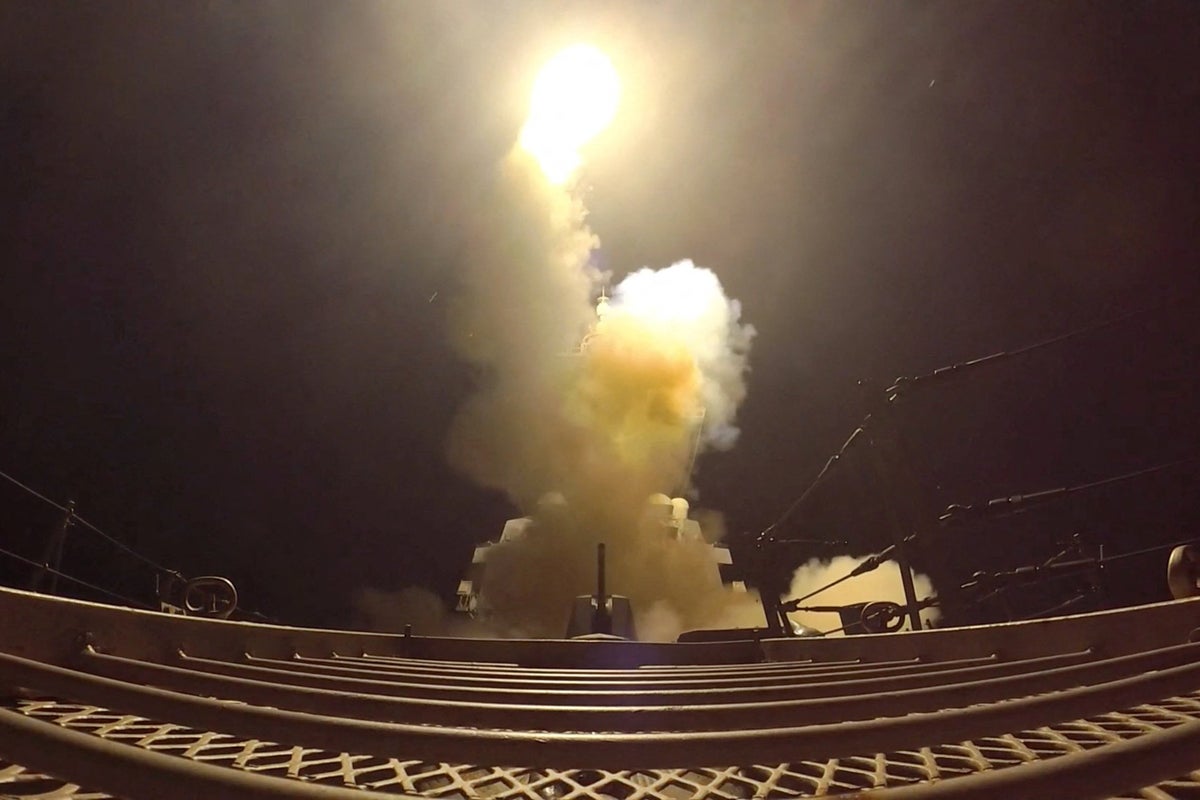
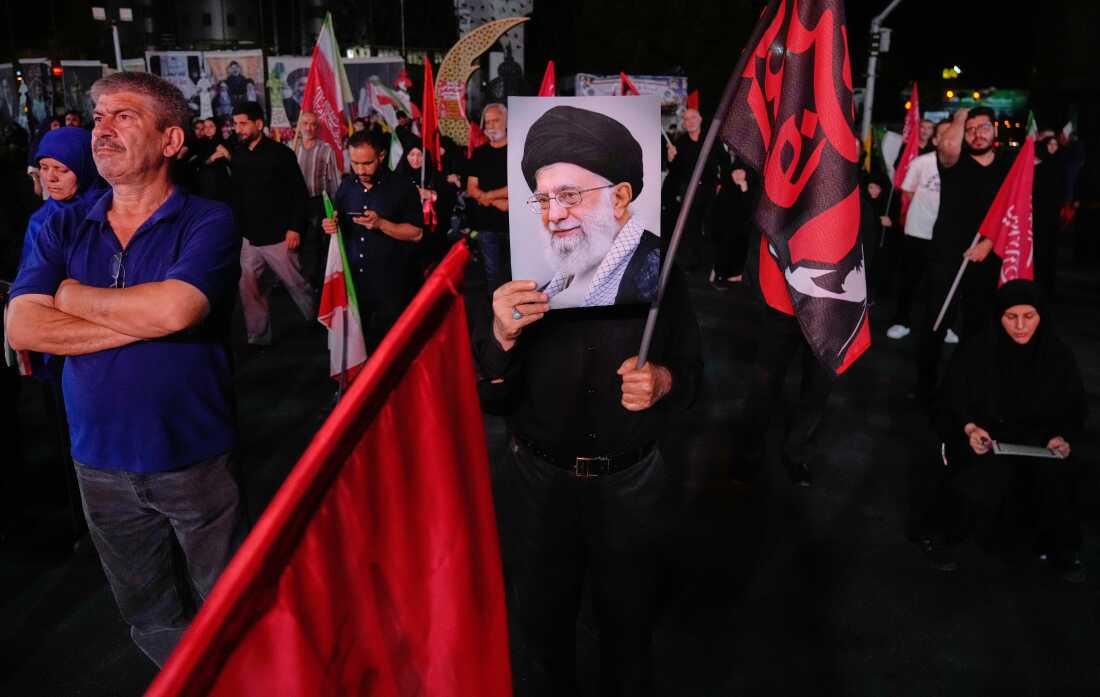
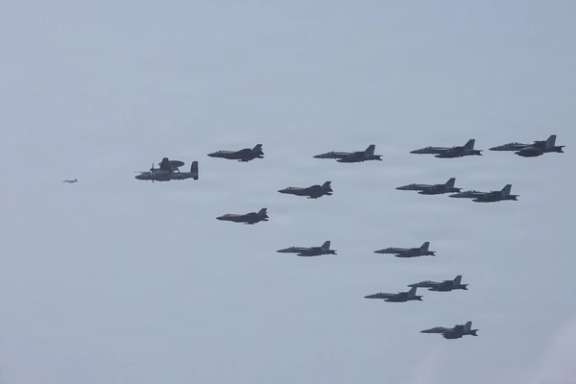
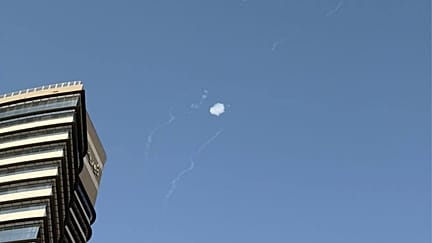
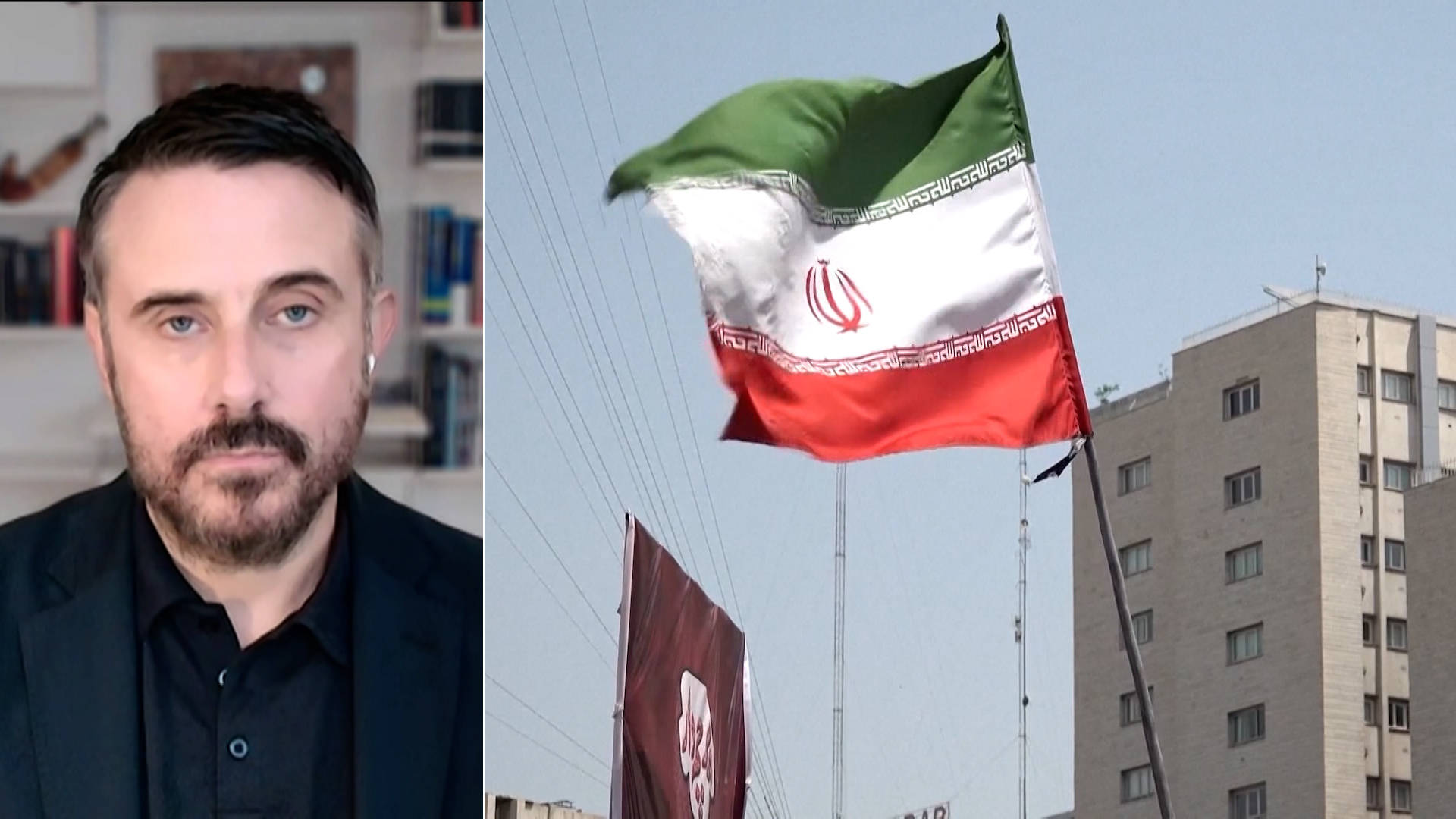
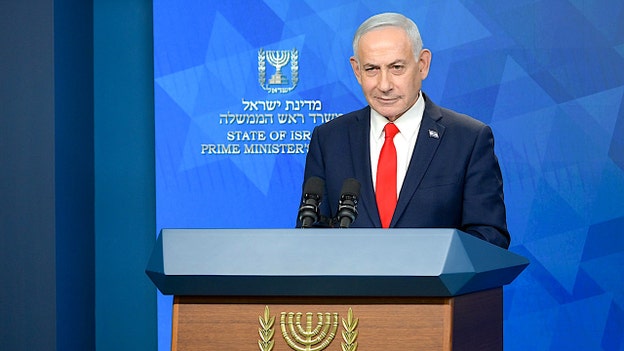
The escalating US-Iran military conflict centered on the Strait of Hormuz represents a critical supply chain disruption event for cross-border e-commerce sellers. The news reports that US Central Command struck dozens of Iranian military targets over the weekend, followed by Iranian retaliatory attacks on regional US bases, with operations extending beyond coastal areas near the Strait of Hormuz. This conflict directly threatens the Strait of Hormuz—a critical global shipping route through which 30% of the world's maritime oil trade passes. Oil markets responded immediately, with Brent crude rising $3.92 to $78.99 per barrel and US crude climbing $3.44 to $73.87 per barrel on Sunday, signaling immediate cost pressures across logistics networks.
For cross-border sellers, this escalation creates immediate supply chain cost increases. The Strait of Hormuz handles approximately 21 million barrels of oil daily, and any closure or disruption directly impacts shipping fuel surcharges. Sellers using ocean freight from Asia to US/EU markets will face 8-15% shipping cost increases within 2-4 weeks as fuel surcharges adjust. This particularly affects high-volume sellers in electronics, apparel, home goods, and consumer products categories shipping from China, Vietnam, and India. Amazon FBA sellers and 3PL providers relying on ocean freight will see immediate cost pressures on their fulfillment networks. The fragile 60-day diplomatic window established through a Memorandum of Understanding between Washington and Tehran creates uncertainty—if negotiations fail, further escalation could trigger partial strait closure, potentially doubling shipping costs.
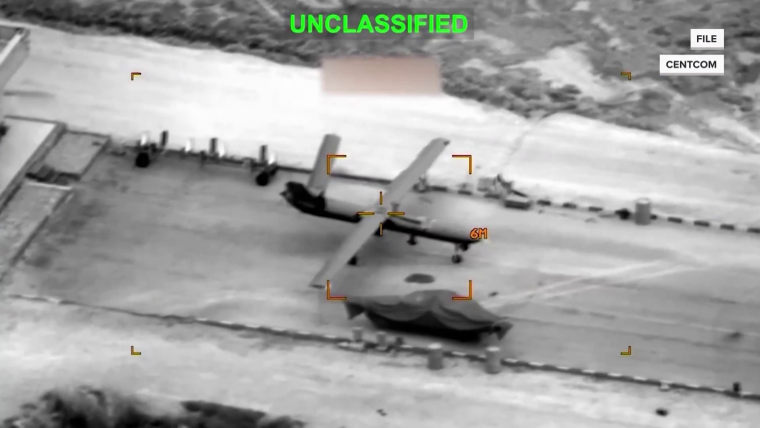
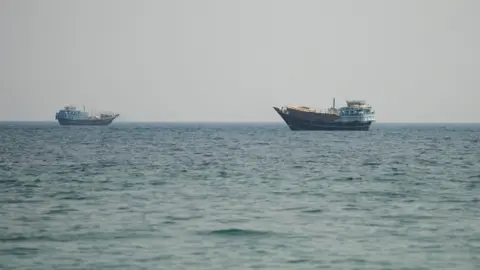
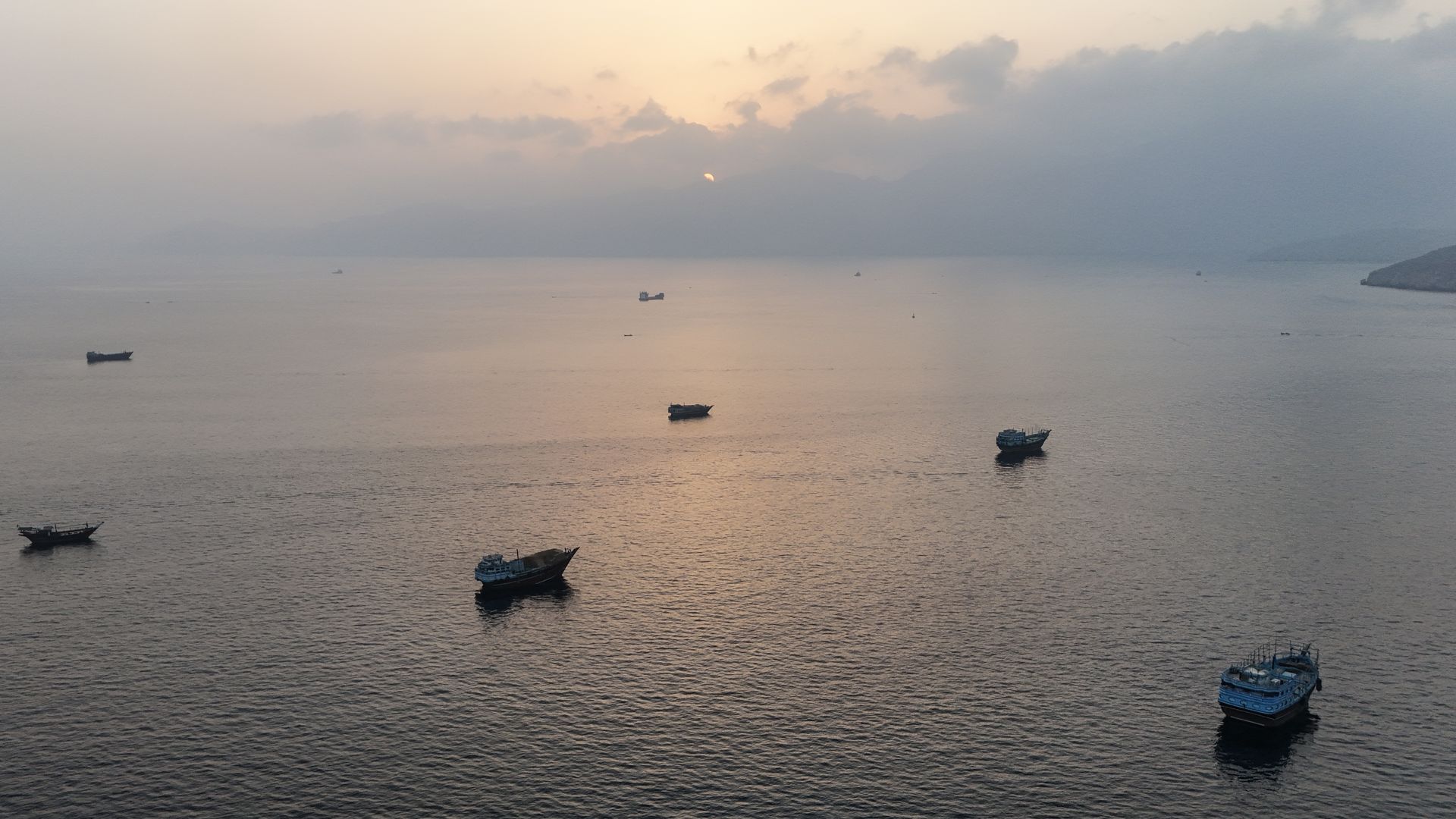
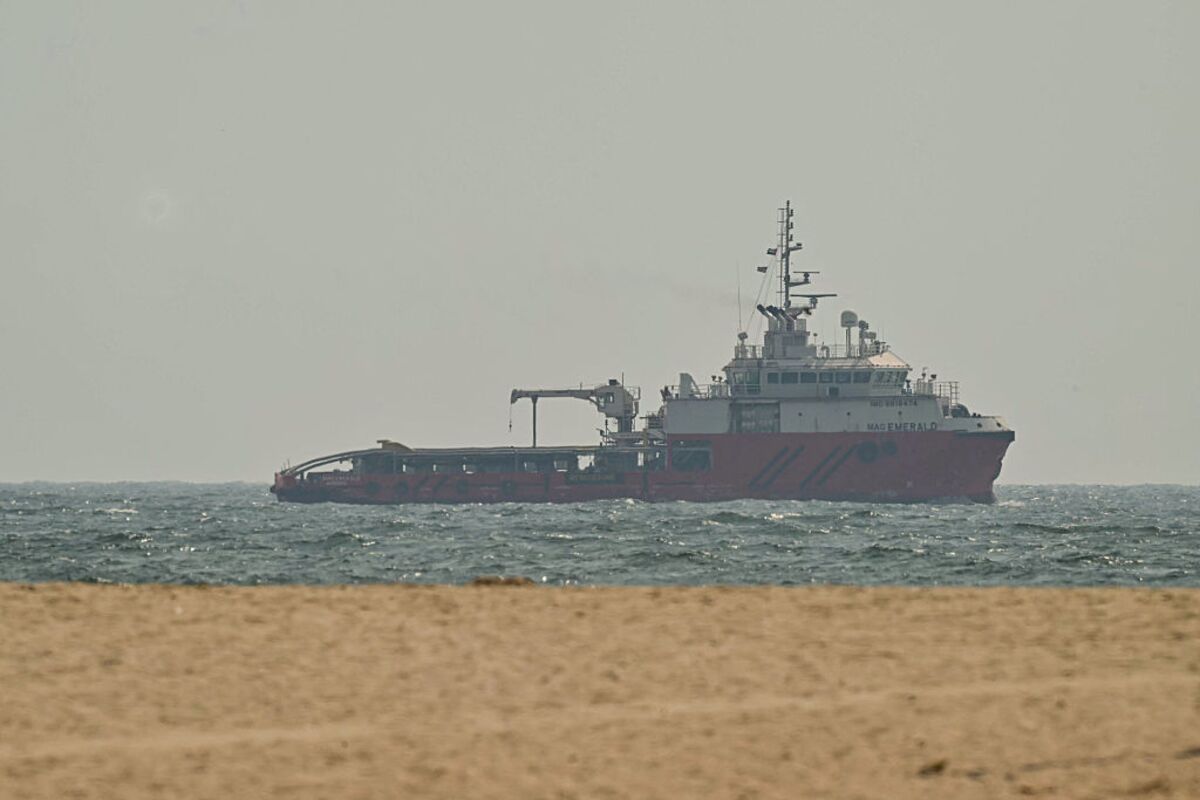
Maritime security risks compound logistics challenges. The news reports additional concerns including suspicious activity from six small boats off Yemen's coast and Houthi militia possession of Iranian-supplied weapons including sea mines, ballistic missiles, and unmanned aerial vehicles. This creates insurance premium increases (war risk premiums typically add 1-2% to shipping costs) and potential route diversification costs. Sellers shipping through the Suez Canal alternative face 10-14 additional days of transit time and 12-18% higher costs compared to direct Strait of Hormuz routing. The conflict threatens the safe passage talks with Oman, which could further restrict shipping corridors. For sellers with tight inventory management and just-in-time supply chains, this 2-3 week transit time extension could trigger stockout risks and lost sales during peak seasons.
Strategic sourcing and inventory positioning become critical. Sellers should immediately assess their supply chain exposure: products sourced from China/Vietnam/India shipping via ocean freight face the highest cost impact. Electronics sellers (HS codes 8471-8517) typically operate on 15-25% margins and will see 2-4% margin compression from shipping cost increases. Apparel sellers (HS codes 6204-6209) with 20-35% margins face 1-2% margin pressure. The 60-day diplomatic window provides a timing window for sellers to either accelerate inventory imports before costs spike further or shift to air freight for critical SKUs (though air freight costs 4-6x ocean freight). Sellers with inventory in US/EU warehouses should prioritize selling down stock before potential supply chain disruptions worsen. This is a 30-90 day window before shipping cost increases become permanent and before potential route closures force emergency sourcing decisions.
Questions 7
Should I diversify my sourcing away from China and Vietnam due to this shipping route risk?
Diversification is a long-term strategy, not an immediate response. Shifting sourcing to India, Mexico, or Vietnam takes 3-6 months to implement and requires minimum order quantities. For immediate relief (next 30-60 days), focus on inventory acceleration and route optimization. However, the conflict does highlight sourcing concentration risk: if you source 80%+ from China, consider gradually shifting 20-30% to Vietnam or India over the next 6 months. India offers 8-12% lower labor costs and avoids China tariff exposure, but shipping times are similar. Mexico offers 2-3 week shorter transit times to US markets. Use the 60-day diplomatic window to evaluate long-term sourcing strategies without making rushed decisions.
How should I adjust my pricing strategy on Amazon and other platforms during this shipping cost crisis?
Implement a 3-5% price increase on products with shipping cost exposure, particularly electronics and heavy items. Use Amazon's dynamic pricing tools to test price elasticity—most categories see minimal demand reduction at 3-5% increases. For apparel and lower-margin categories, absorb 1-2% of the cost increase and implement 2-3% price increases. Monitor competitor pricing daily; if competitors raise prices, you have more pricing power. Communicate transparently with customers: add shipping cost disclaimers to listings and consider offering expedited shipping options at premium prices. The 60-day window provides time to test pricing before costs stabilize.