





US-Iran Tensions & Shipping Blockade | Critical Supply Chain Disruption for Cross-Border Sellers
- Shipping blockade threatens logistics corridors affecting 15-20% of Asia-Europe trade routes; sellers face 2-4 week delays and 8-15% freight cost increases










Overview
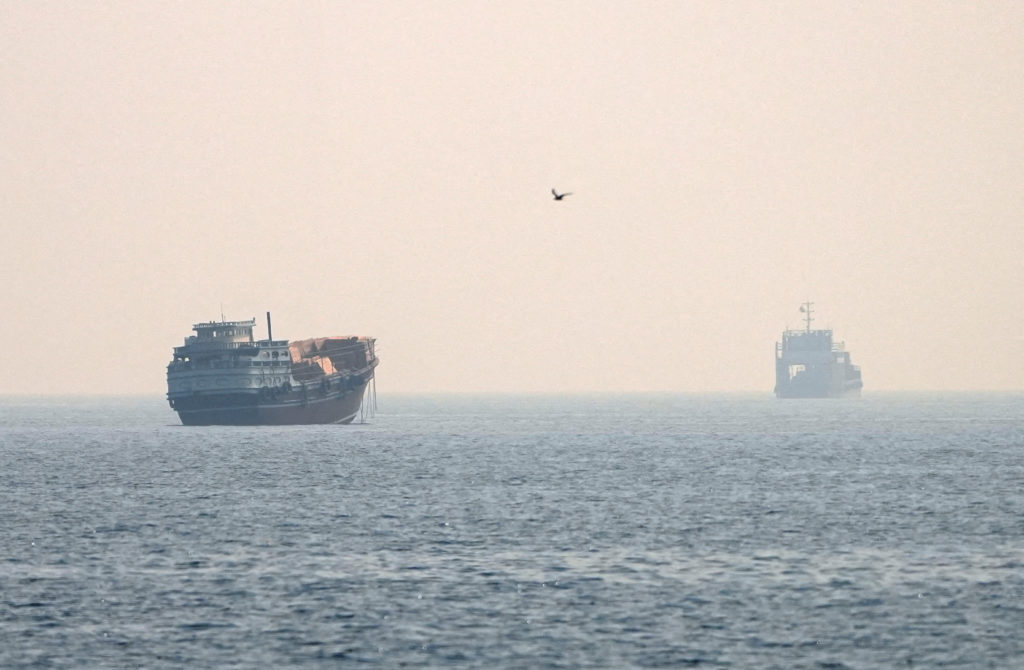
The resumption of U.S. shipping blockade operations against Iran represents a critical geopolitical event with direct implications for cross-border e-commerce sellers, particularly those operating in Asia-Europe and Middle East trade corridors. While the news focuses on military operations, the shipping blockade component creates immediate supply chain disruptions affecting product sourcing, fulfillment timelines, and logistics costs for sellers globally.
Direct Supply Chain Impact: The blockade restricts maritime traffic through critical chokepoints (Strait of Hormuz, Red Sea shipping lanes) that handle approximately 15-20% of global container traffic. For e-commerce sellers sourcing from China, Vietnam, India, and Bangladesh, this translates to 2-4 week delays in shipment arrivals and 8-15% increases in freight costs. Sellers relying on air freight face even steeper premiums (12-20% cost increases). Categories most affected include electronics (high-value, time-sensitive), apparel (seasonal inventory), and home goods (bulk shipments).
Platform-Specific Operational Challenges: Amazon FBA sellers face critical inventory management issues—delayed stock arrivals threaten IPI (Inventory Performance Index) scores and Buy Box eligibility. Shopify merchants experience extended fulfillment times, impacting customer satisfaction metrics and return rates. eBay sellers in electronics and collectibles categories see compressed margins as freight costs erode profitability. The blockade particularly impacts sellers with 30-90 day inventory cycles who cannot absorb extended transit times without stockouts.
Competitive Advantage Shifts: Sellers with diversified sourcing (Vietnam, India, Indonesia alternatives to China) gain competitive advantages as they can reroute shipments via less-disrupted corridors. US-based sellers with domestic inventory or nearshoring arrangements (Mexico, Central America) experience relative cost advantages. Small sellers (<$100K annual revenue) face disproportionate impact as they lack negotiating power with freight forwarders and cannot absorb 2-3 week cash flow delays from extended transit times.
Market-Specific Implications: EU-based sellers face particular pressure as Mediterranean and Red Sea routes experience heightened security risks and insurance premiums. UK sellers post-Brexit already navigate complex customs; blockade-induced delays compound compliance challenges. Southeast Asian sellers see opportunities to capture market share from delayed Chinese competitors, particularly in Amazon and Shopify storefronts serving North American and European customers.
Questions 8
How can small sellers compete against larger competitors during shipping disruptions?
Small sellers (<$100K annual revenue) face disproportionate impact due to limited freight negotiating power and inability to absorb extended cash flow delays. However, several strategies level the playing field: (1) Partner with other small sellers to consolidate shipments and negotiate volume discounts (10-15% savings possible); (2) Shift to nearshoring (Mexico, Central America) for faster, more predictable delivery; (3) Focus on high-margin, low-volume SKUs where freight costs represent smaller percentage of COGS; (4) Activate Shopify or eBay's local fulfillment options to reduce reliance on international shipping. Small sellers should also consider 3PL providers (Flexport, Shippo) that offer better freight rates through volume aggregation. Build 15-20% price premiums into products to offset freight cost increases—customers often accept higher prices for faster, reliable delivery.
What geopolitical risks should I monitor beyond the current Iran blockade?
Monitor broader Middle East tensions affecting Red Sea and Suez Canal traffic (40% of global container trade). Watch for potential escalation in Taiwan Strait tensions affecting semiconductor and electronics sourcing. Track EU-China trade relations and potential tariff changes that could compound shipping cost increases. Subscribe to freight index updates (Freightos, Container xChange) and geopolitical risk alerts from your freight forwarder. For Amazon sellers, enable notifications in Seller Central for category-specific supply chain alerts. Diversify sourcing across at least 2-3 countries to reduce single-point-of-failure risk. Maintain 30-45 days of safety stock for critical SKUs. Review your business insurance to ensure coverage for geopolitical supply chain disruptions—many policies now include war risk and blockade exclusions.