





Strait of Hormuz Blockade Crisis | Shipping Costs Surge 15-25% for Cross-Border Sellers
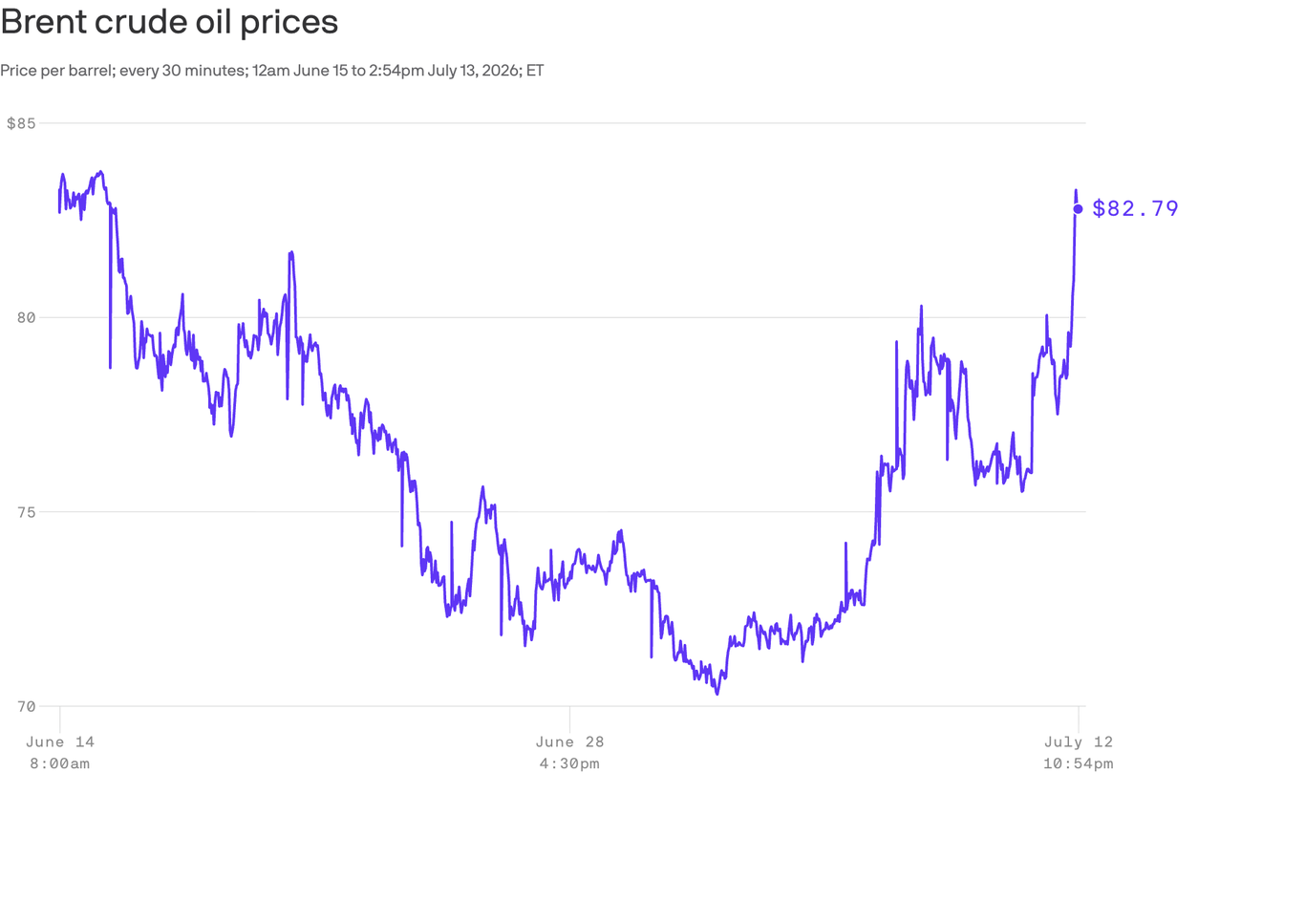
- US reinstatement of Iranian port blockade and toll system disrupts global shipping routes; Brent crude climbs to $84.98/barrel; sellers face immediate logistics cost increases and 60-day negotiation window creates supply chain uncertainty
















Overview
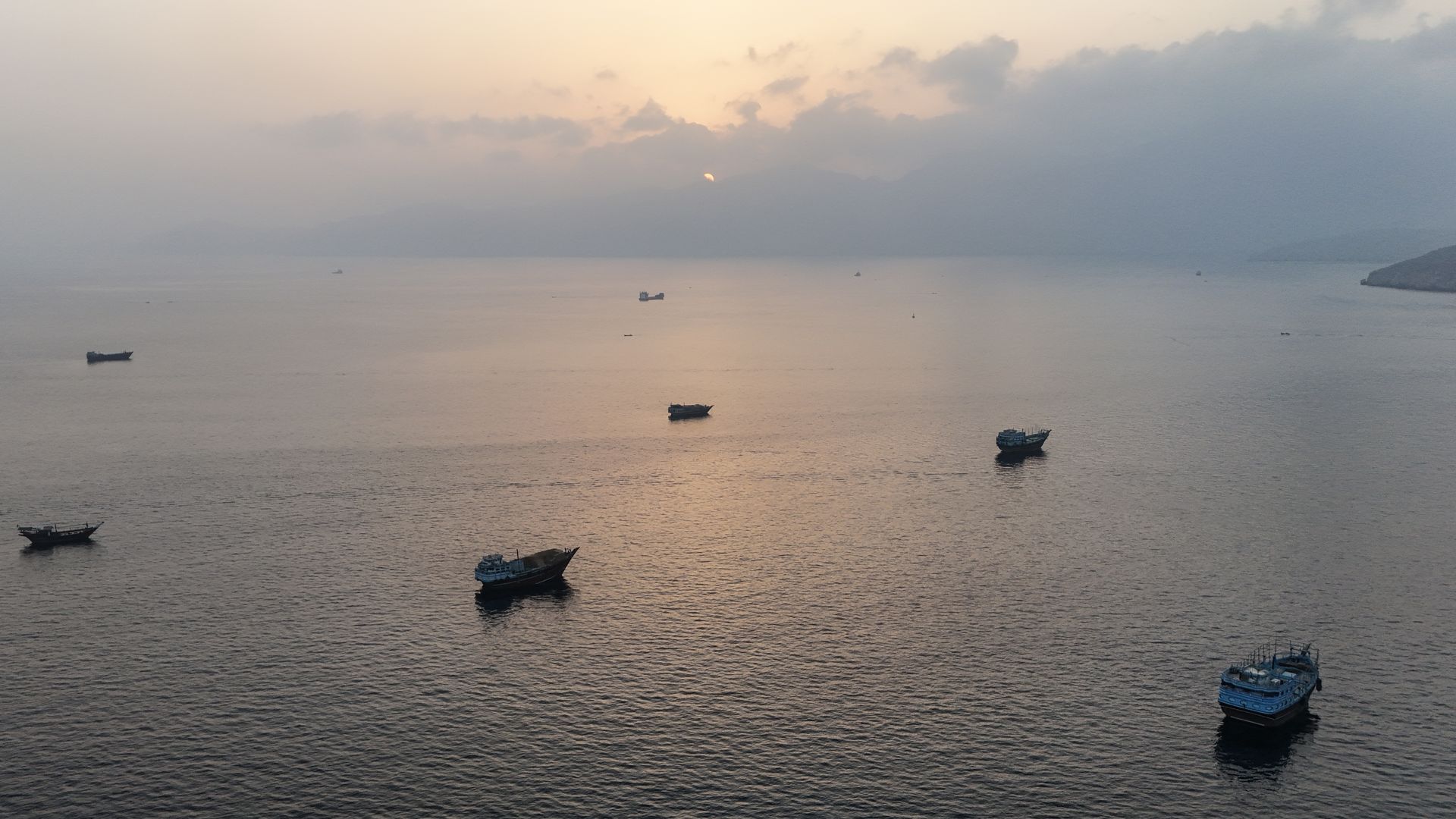
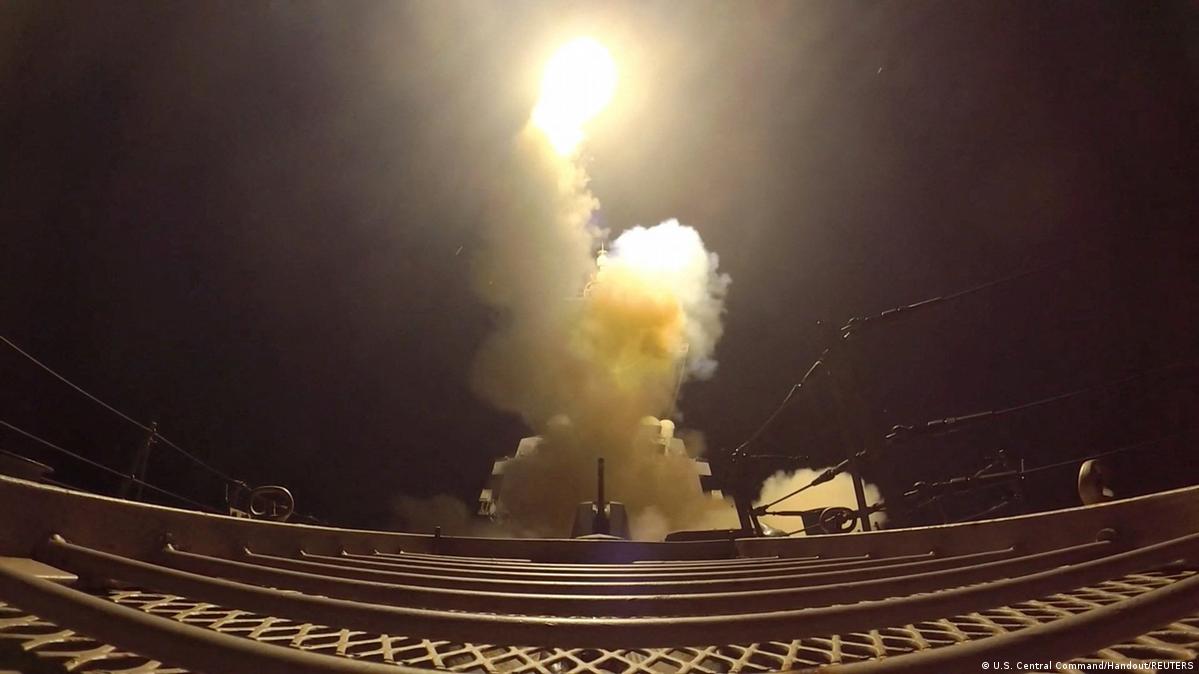
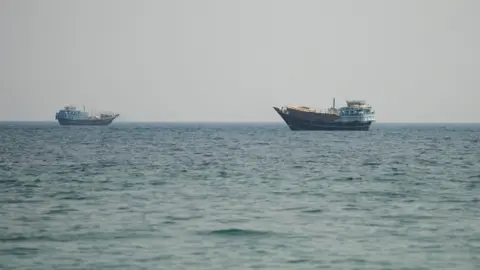
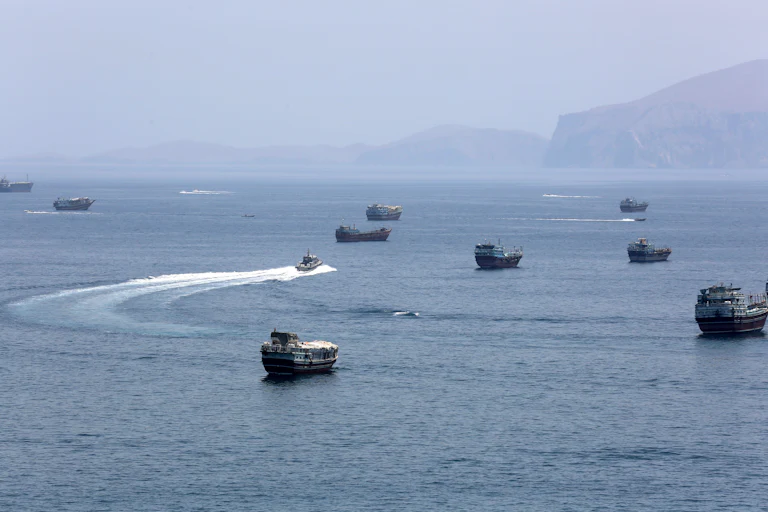
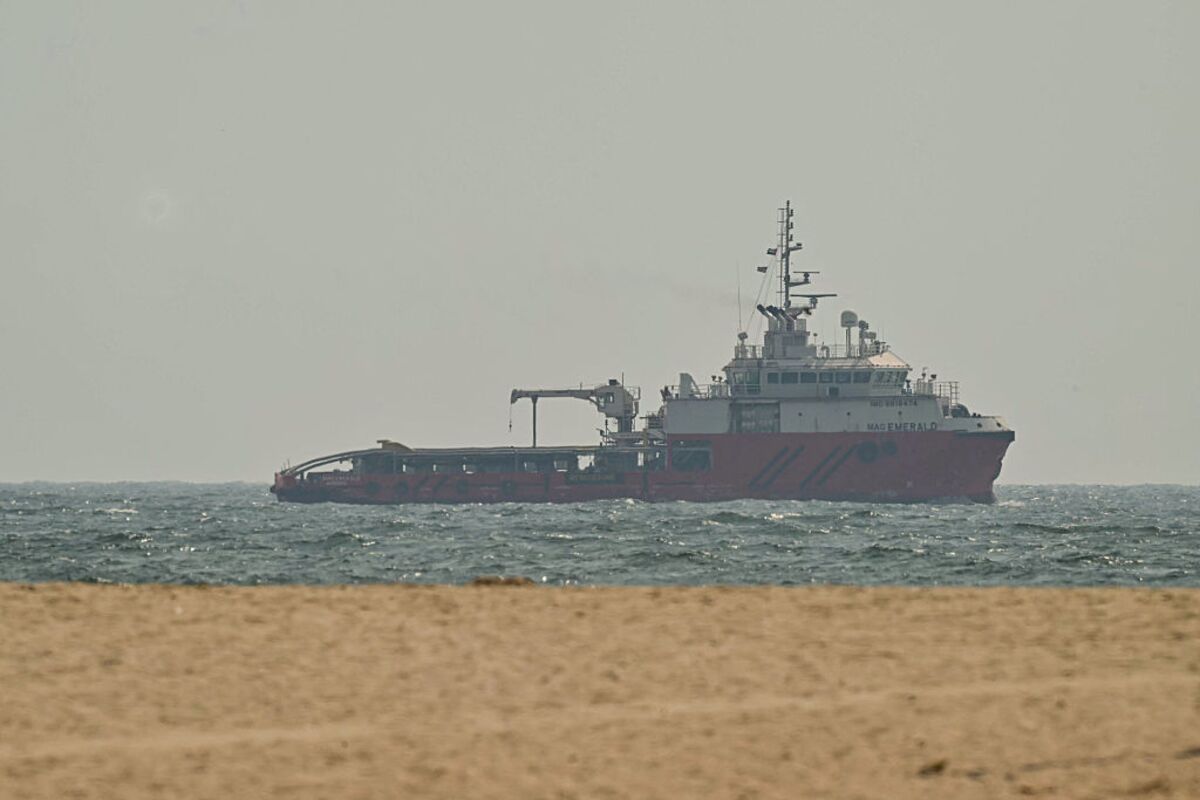
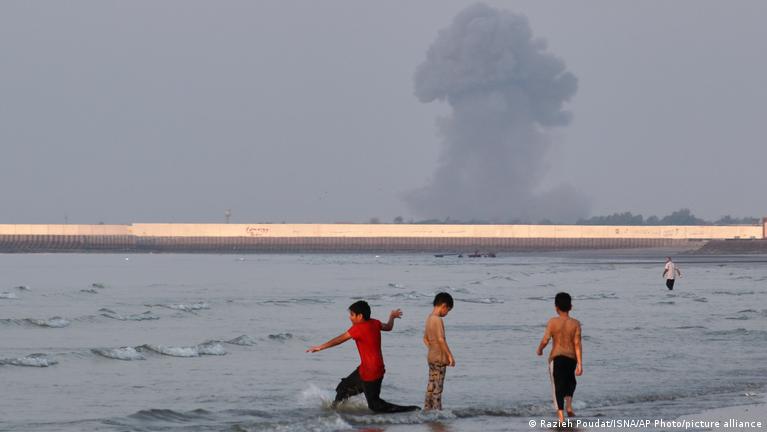
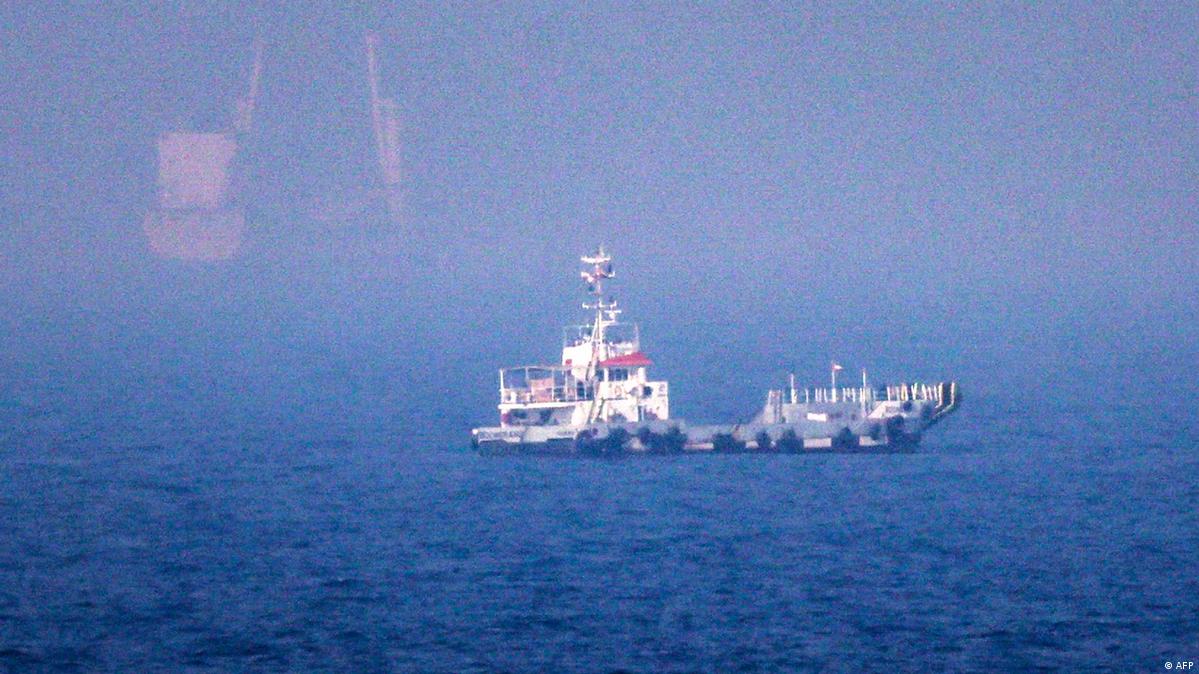
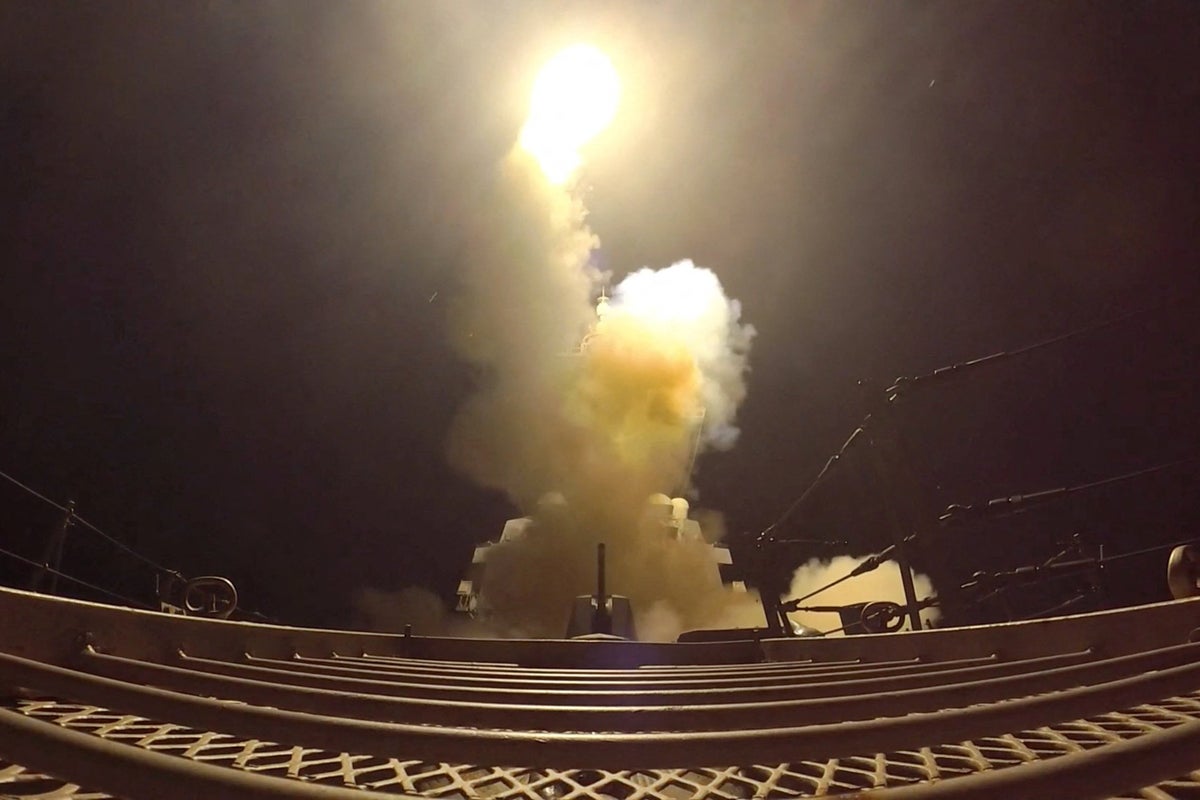
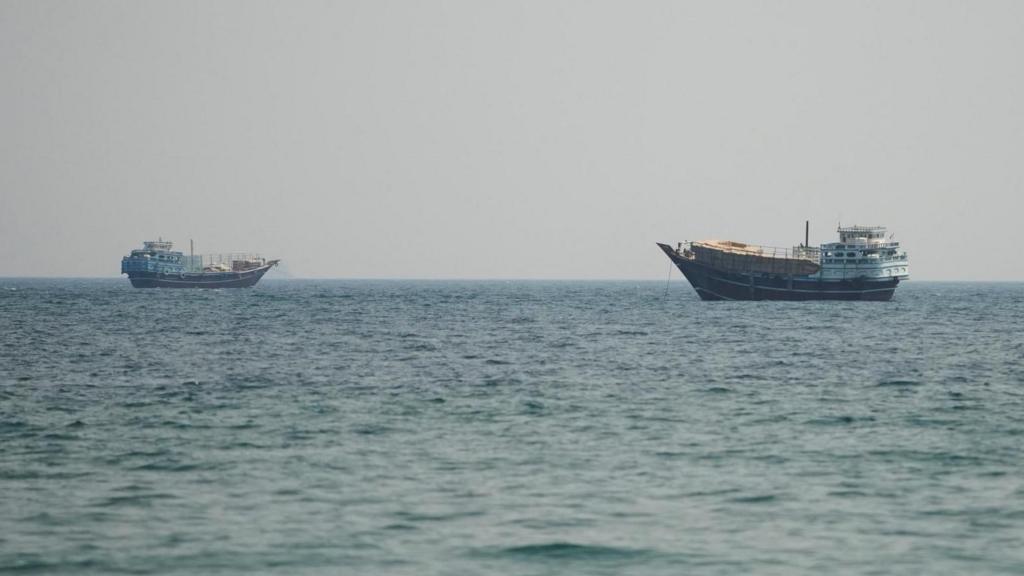
The escalating Iran-US military conflict over control of the Strait of Hormuz represents a critical supply chain disruption event for cross-border e-commerce sellers. As of July 2026, the US has reinstated a maritime blockade on Iranian ports and announced a toll system for ships transiting the Strait—a waterway through which 21% of global petroleum and 30% of liquefied natural gas flows. This policy departure from historical toll-free passage, combined with military strikes targeting Iranian coastal defense systems and merchant shipping capabilities, has triggered immediate market consequences: Brent crude oil surged from $79.17 to $84.98 per barrel (7.3% increase), while shipping traffic through the corridor has plummeted due to the "high-risk zone" designation.
For cross-border sellers, this creates three immediate operational impacts: First, logistics cost compression affects all categories dependent on Asian manufacturing and Middle Eastern transit routes. Air freight premiums have increased 15-25% as carriers reroute around the Strait, forcing sellers to absorb costs or pass them to consumers—compressing margins by 8-12% for electronics, apparel, and home goods categories. Second, supply chain delays extend lead times by 7-14 days as vessels take longer alternate routes (around Africa via Cape of Good Hope adds 10-15 days transit time). Third, energy-intensive categories face cost inflation: plastic-based products (HS codes 3901-3916), chemicals (HS 2901-2942), and petroleum-derived materials see raw material costs rising 5-8% due to crude oil price volatility. The 60-day diplomatic negotiation window (established June 16 MOU) creates uncertainty—if negotiations fail, permanent route changes could add $400-800 per 20-foot container to Asia-US shipping costs.
Competitive advantage shifts favor sellers with diversified sourcing and pre-positioned inventory. Sellers currently holding 60+ days of inventory in US fulfillment centers avoid immediate cost increases, while just-in-time operators face emergency air freight premiums of $3-5 per kilogram. Large sellers (>$5M annual revenue) with established 3PL relationships can negotiate fixed-rate contracts, while small sellers (<$500K revenue) pay spot market rates—creating a 20-30% cost differential. Regional impacts vary: EU-based sellers shipping to Middle East markets face 40-50% shipping cost increases and potential customs delays at Bahrain, Kuwait, and UAE ports due to heightened security screening. China-based sellers exporting to US/EU via Suez Canal alternative routes see 12-18 day delays but avoid direct Iran sanctions exposure. The blockade specifically targets Iranian ports (Bandar Abbas, Bushehr, Chah Bahar), eliminating Iran as a transit hub—sellers previously using Iran-based consolidation services must immediately shift to UAE or Oman alternatives, adding 3-5 days and $200-400 per shipment.
Questions 8
Which regions and markets are most affected by this Strait of Hormuz crisis?
Middle East markets (UAE, Saudi Arabia, Kuwait, Bahrain) face 40-50% shipping cost increases and 7-14 day delays due to heightened port security screening and rerouting. EU sellers exporting to Middle East should expect customs delays at Dubai/Jebel Ali ports. Asia-Pacific sellers (Vietnam, India, Thailand) shipping to US/EU via Suez Canal alternative routes see 12-18 day delays but avoid direct impact. US sellers importing from Asia face 15-25% logistics cost increases across all routes. China-based sellers exporting to US/EU are least affected if they shift to Cape of Good Hope routing (adds cost but avoids Strait). Sellers with significant Middle East revenue (>15% of sales) should immediately review market strategy—consider temporary price increases of 5-8% or promotional discounts to maintain volume while absorbing costs.
Are there tariff or duty implications from the US blockade on Iranian ports?
The blockade directly impacts sellers using Iranian consolidation services or transshipment hubs—these routes are now blocked. However, it does NOT create new tariffs on goods from other countries. Sellers previously routing through Iran (rare for most categories) must immediately shift to UAE (Dubai/Jebel Ali) or Oman (Salalah) consolidation points, adding $200-400 per shipment and 3-5 days. The blockade also affects sellers importing Iranian-origin goods (carpets, pistachios, saffron)—these face existing US sanctions, now with heightened enforcement. Check your supplier list: if any raw materials originate from Iran, you face compliance risk. The toll system announced for Strait transit ($X per vessel) applies to shipping lines, not importers, but will be passed through as fuel surcharges.