





Strait of Hormuz Blockade Triggers 52% Shipping Decline | Critical Supply Chain Risk for Cross-Border Sellers
- Reinstated US naval blockade and 20% transit toll creates immediate logistics cost surge for sellers shipping through Middle East corridor; 52% decline in strait crossings (July 10-12) signals 3-6 month supply chain disruption window












Overview
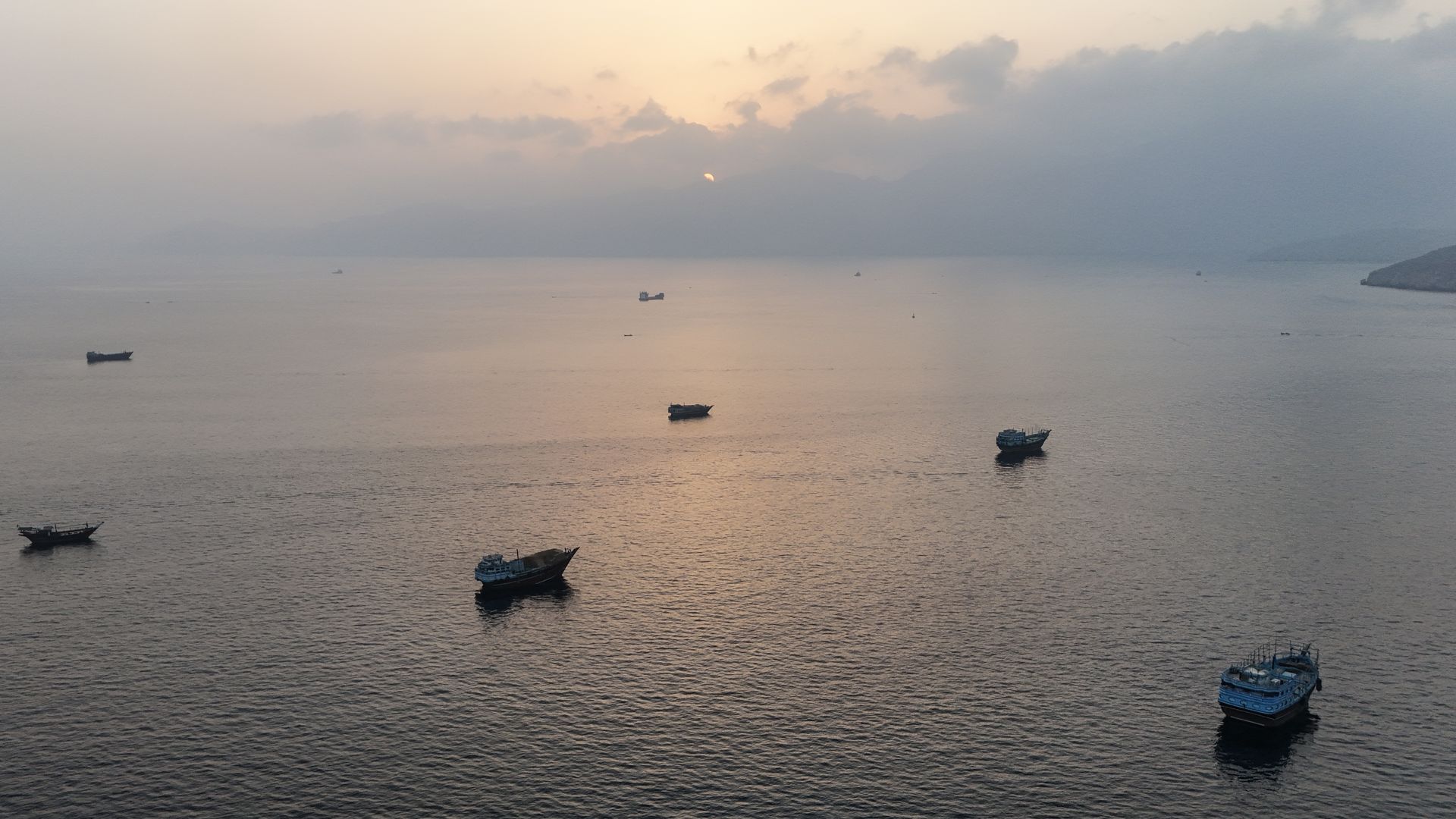
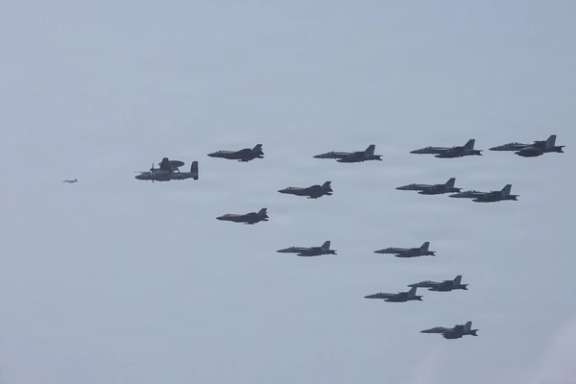
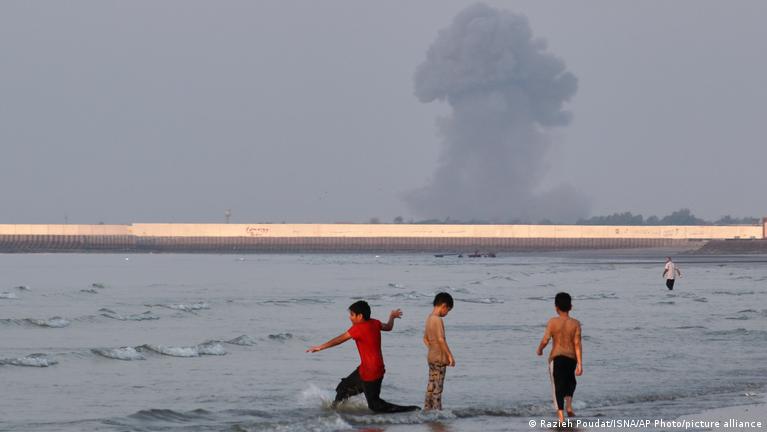
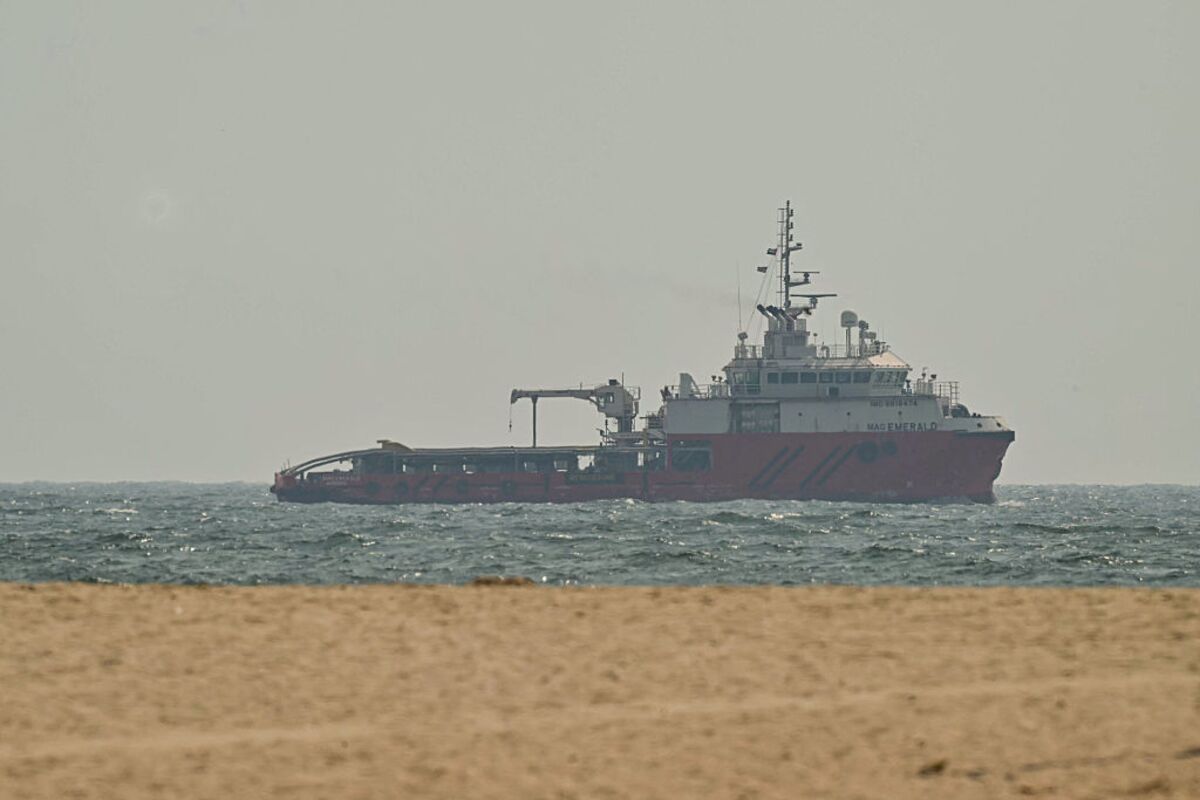
The escalating US-Iran military conflict around the Strait of Hormuz represents a critical supply chain disruption event for cross-border e-commerce sellers, with immediate implications for shipping costs, inventory sourcing, and market access. The reinstated US naval blockade of Iran's southern coastline (effective July 10, 2025) combined with Trump's announced 20% toll on cargo transiting the strait creates a dual cost shock: direct toll increases plus insurance premium spikes for vessels navigating the conflict zone. Ship-tracking data from Kpler shows strait crossings declined 52% between July 10-12 compared to the previous week, indicating a severe bottleneck affecting the world's most critical energy and goods transit corridor.
For cross-border sellers, the immediate impact manifests across three dimensions: First, logistics cost inflation affects sellers sourcing from Asia-Pacific (China, Vietnam, India, Bangladesh) to Middle East/EU markets. The 20% toll translates to $200-600 additional cost per 40-foot container depending on cargo value, compressing margins 3-8% for electronics, apparel, and home goods categories. Second, shipping timeline extension of 7-14 days occurs as vessels reroute around the Cape of Good Hope (adding 4,000+ nautical miles), forcing sellers to increase safety stock by 15-25% or risk stockouts. Third, insurance and fuel surcharges spike 8-15% as maritime insurers price in conflict risk, with some carriers implementing "war risk" premiums of $500-2,000 per shipment.
The 60-day operational window (July 7 through early September 2025) creates a critical decision point for sellers. Humanitarian shipments and non-Iranian cargo receive inspection-based clearance, but the blockade's enforcement creates unpredictable delays. Sellers with inventory in transit face potential 2-3 week delays at chokepoints, while those planning Q3-Q4 inventory replenishment must decide immediately: accelerate shipments before July 20 (premium freight costs +25-40%), reroute via Cape of Good Hope (adds $1,500-3,000 per container but avoids toll), or shift sourcing to nearshoring alternatives (Mexico, Vietnam, India). Energy-intensive categories (electronics, appliances, chemicals) face compounding pressure as Brent crude spiked 9% to $81/barrel, increasing manufacturing and transportation costs simultaneously. The blockade's humanitarian exemption creates arbitrage opportunities for sellers of medical supplies, food products, and essential goods—these categories may see 15-30% margin improvement if positioned correctly for Middle East/Gulf markets during the disruption period.
Strategic implications vary by seller segment: Large sellers (>$5M annual revenue) with established 3PL networks can absorb 3-5% margin compression and reroute shipments within 48 hours. Mid-market sellers ($500K-$5M) face critical inventory planning decisions with 10-15 day decision windows. Small sellers (<$500K) sourcing from Asia face potential 20-30% margin compression if unable to renegotiate supplier contracts or adjust pricing. The blockade's duration uncertainty (Trump indicated willingness to negotiate, but 60-day authorization suggests extended conflict) creates a "wait-and-see" penalty—sellers delaying decisions risk missing the July 15-20 window for accelerated shipments before peak congestion.
Questions 8
What is the probability the blockade extends beyond 60 days and how should sellers prepare?
Trump's 60-day authorization (July 7-early September) indicates the administration expects extended conflict, though Trump indicated willingness to negotiate. Historical precedent: the 2019 Strait of Hormuz tensions lasted 4+ months with intermittent disruptions. Sellers should prepare for a 90-120 day disruption scenario. Preparation steps: (1) Secure nearshoring supplier quotes by July 20 for Q4 inventory; (2) Negotiate 90-day payment terms with current suppliers to preserve cash flow; (3) Build 30-day safety stock for top 20 SKUs by August 1; (4) Establish backup 3PL providers with Cape of Good Hope routing capability by July 25. If the blockade extends beyond September, sellers who prepared early gain 4-6 week competitive advantage over those reacting to extended disruption. Monitor Trump administration statements weekly—any ceasefire announcement triggers immediate repricing opportunity as freight costs normalize.
How does this disruption affect sellers on different e-commerce platforms differently?
**Amazon FBA sellers** face the highest impact: increased inbound shipping costs directly reduce FBA profitability, and sellers must recalculate FBA fees (which are based on landed costs). Sellers should review Seller Central inventory planning tools and adjust replenishment quantities by July 15. **Shopify sellers** have more flexibility—they can adjust pricing independently and negotiate directly with 3PL providers for rerouting options. **eBay sellers** face moderate impact; auction-format sellers may see reduced buyer demand in affected regions as consumers delay discretionary purchases. **Walmart Marketplace sellers** should prioritize nearshoring given Walmart's Mexico sourcing emphasis. **TikTok Shop sellers** in Southeast Asia face direct impact if sourcing from China—consider Vietnam/India alternatives. Platform-specific action: update product listings with realistic delivery timeframes by July 12 to manage customer expectations.