


Hormuz Blockade & 20% Transit Fees Trigger 15-20% Shipping Cost Surge for Cross-Border Sellers
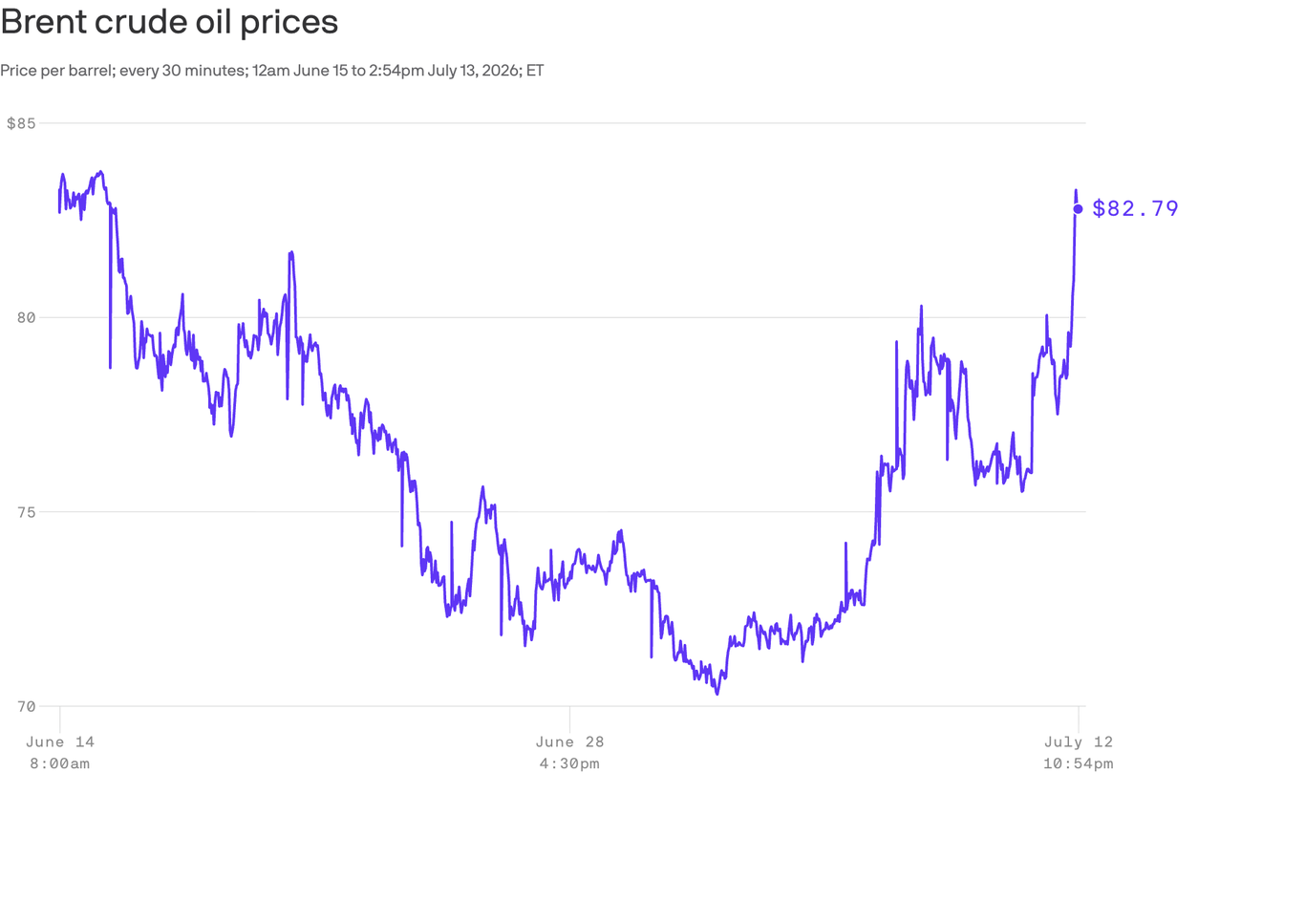
- Brent crude jumps to $84.91/barrel; vessel transits collapse 50%; Asia-Europe routes add 10-14 days; FBA fees and DDP costs rising 30-60 days out






















Overview
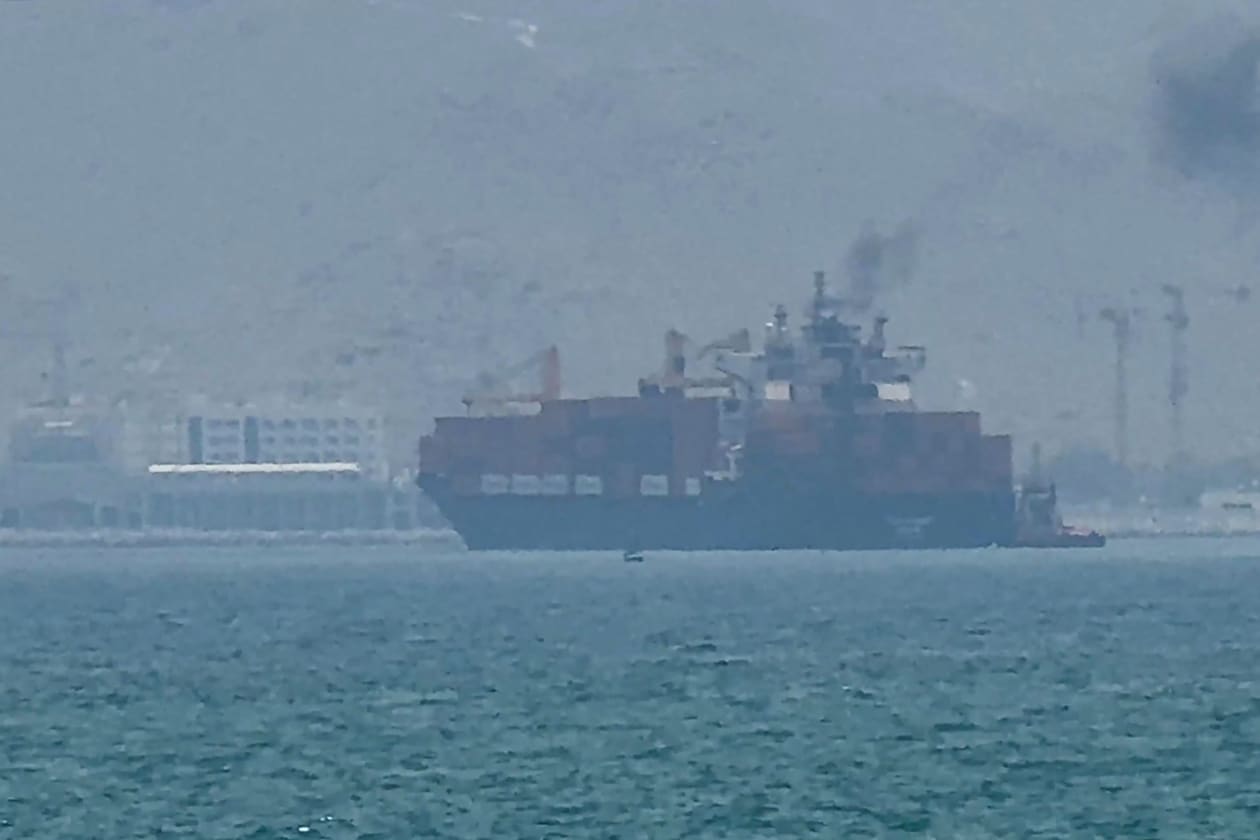
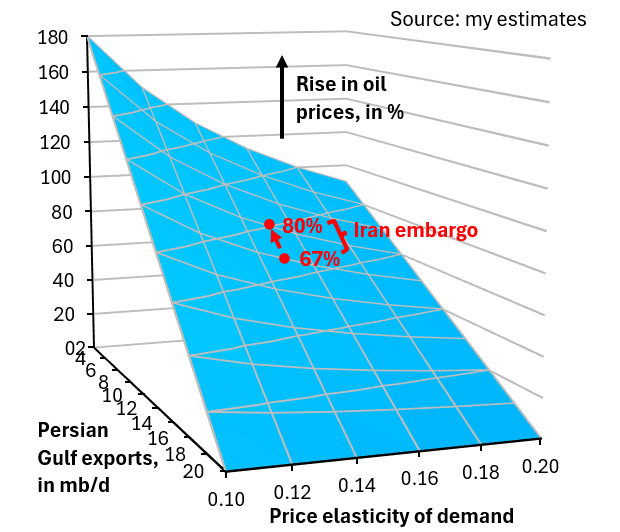
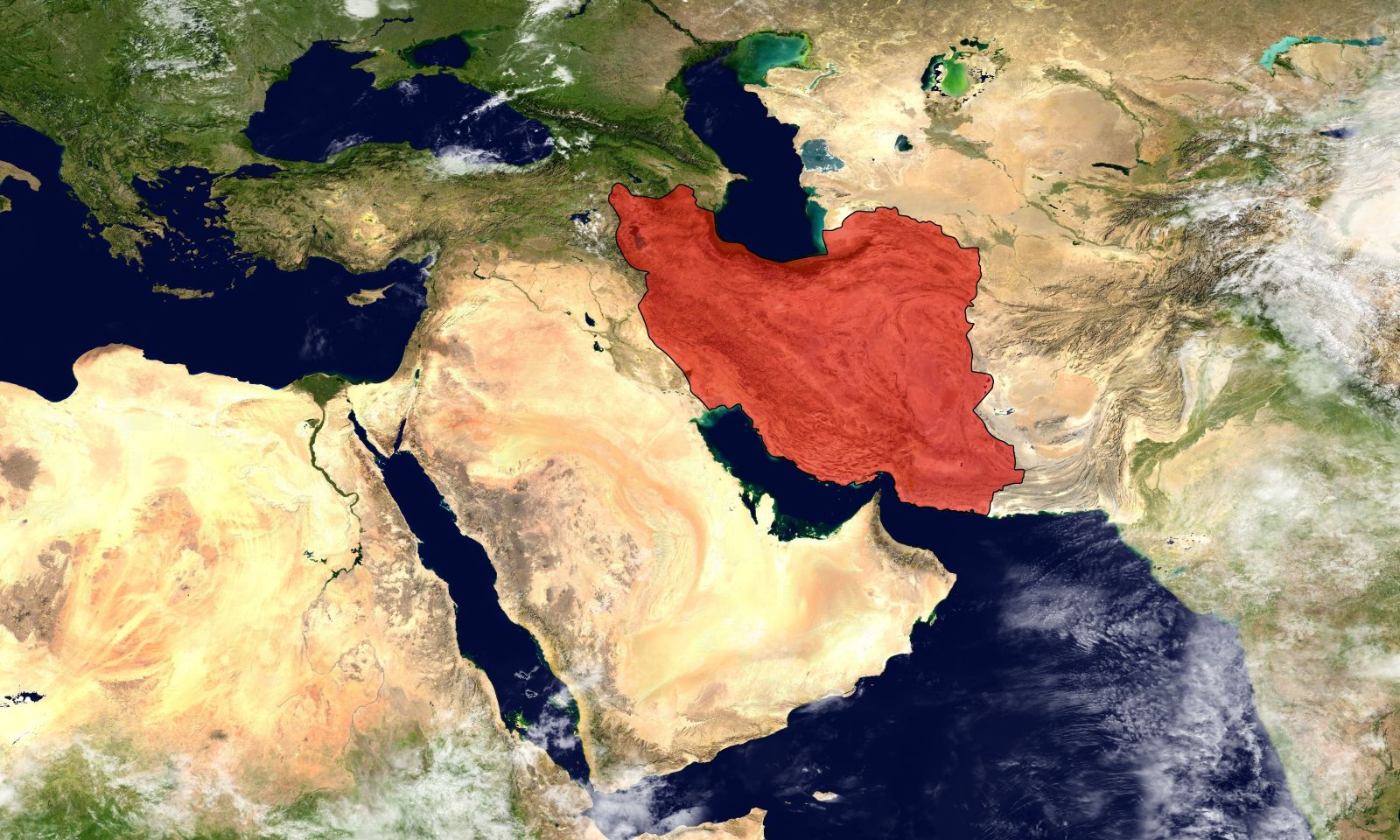
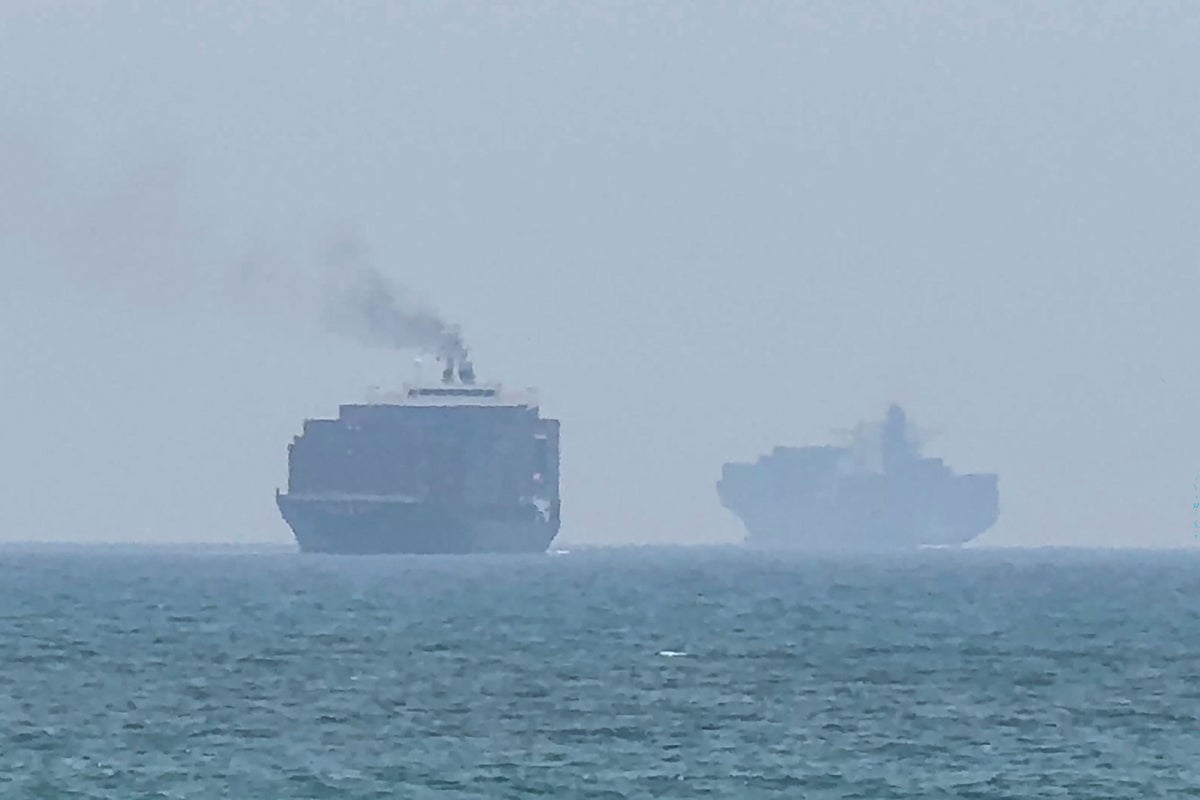
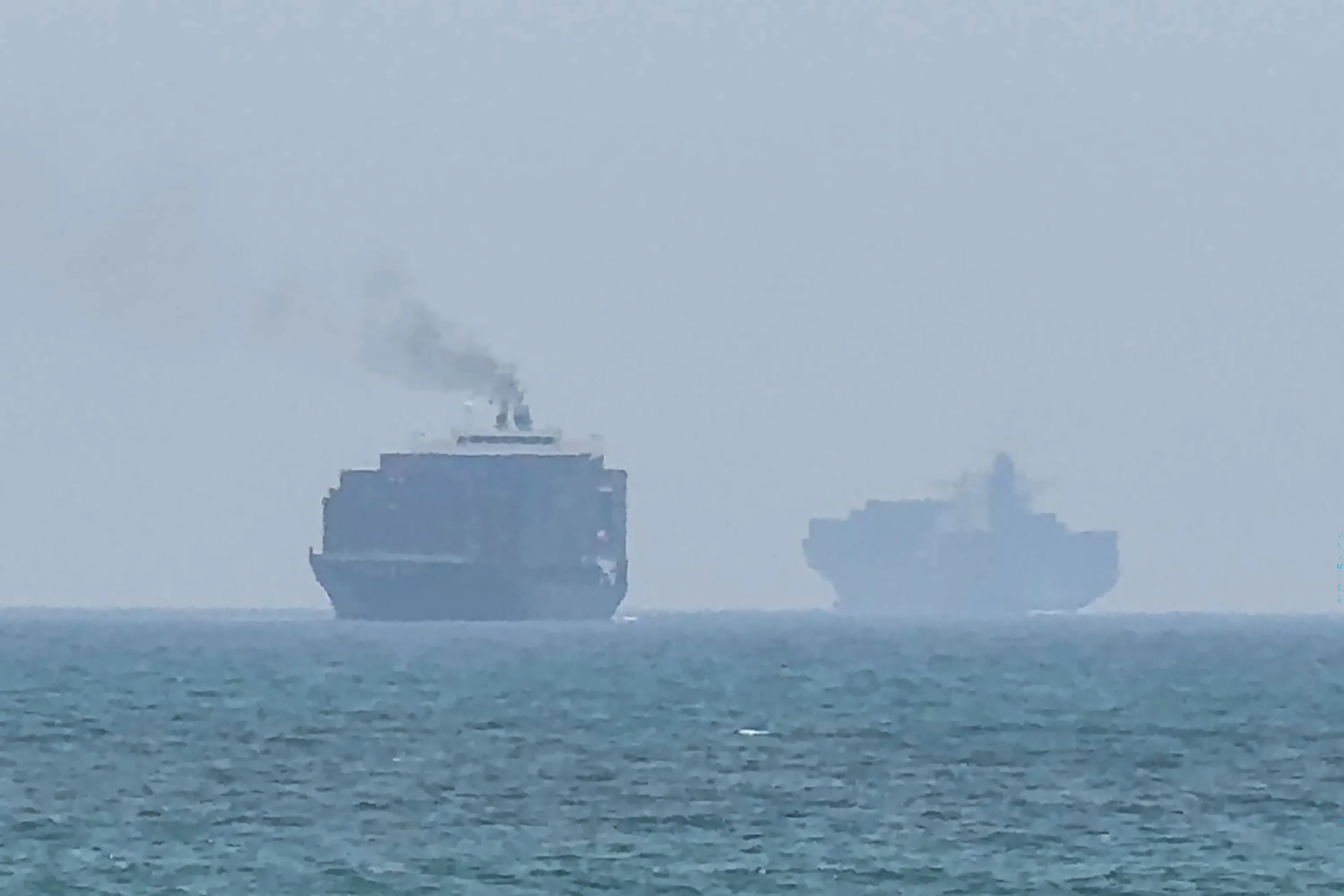
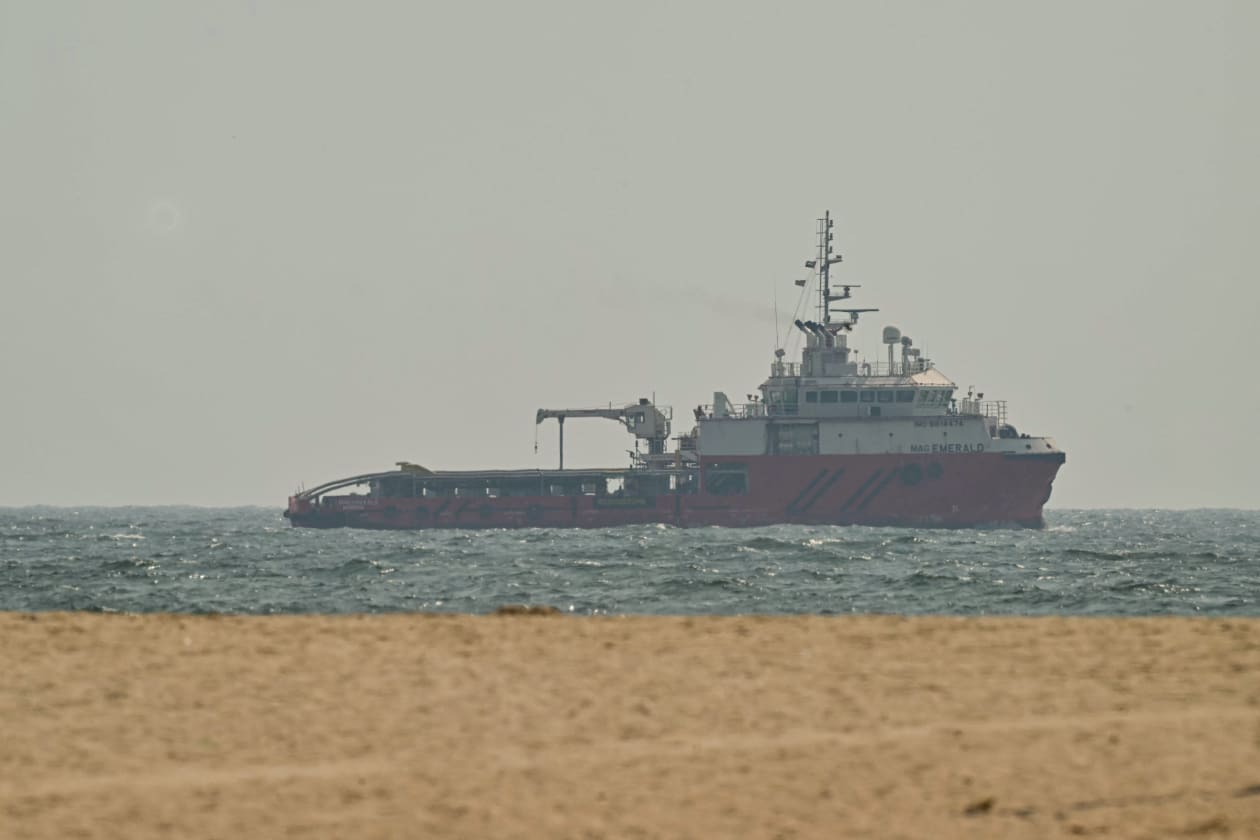
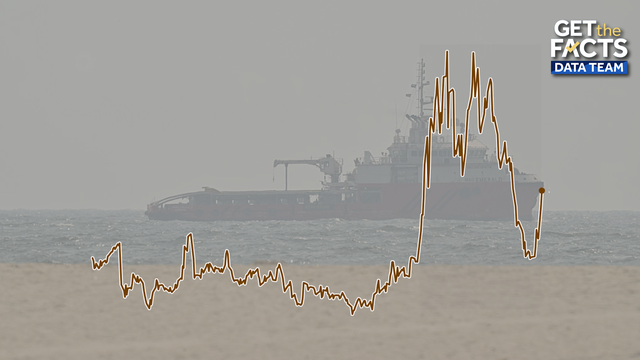
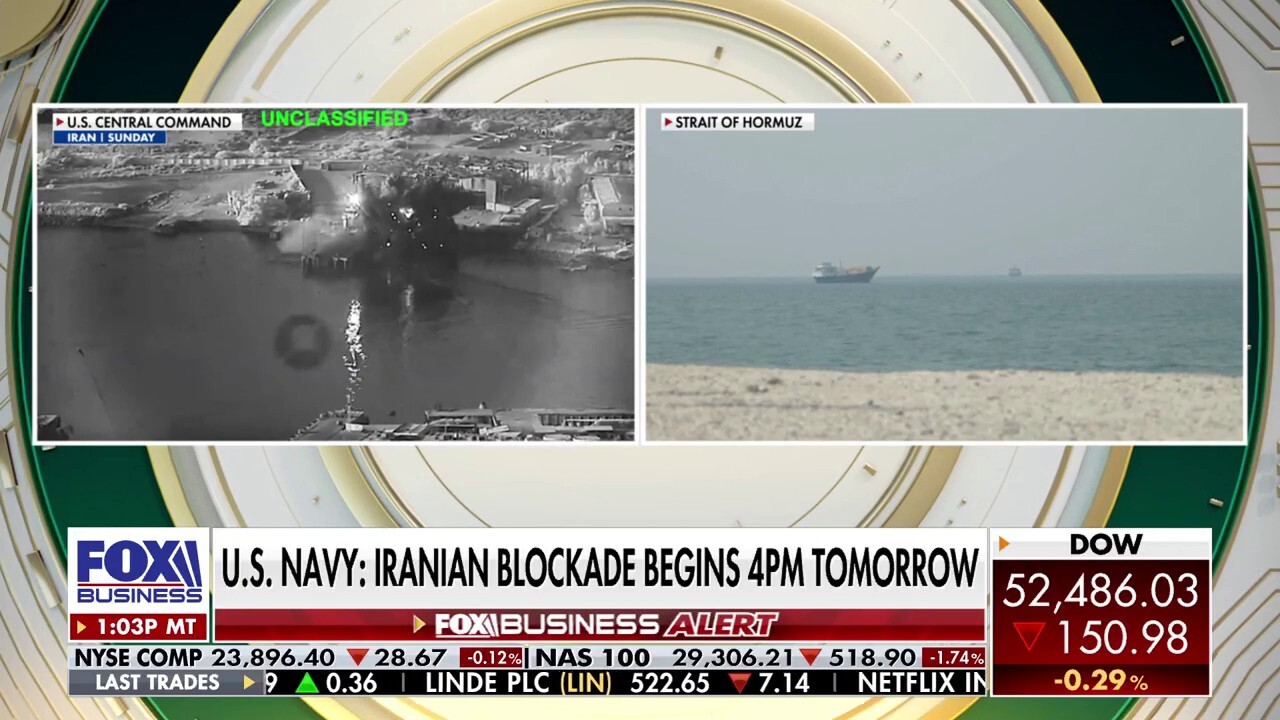
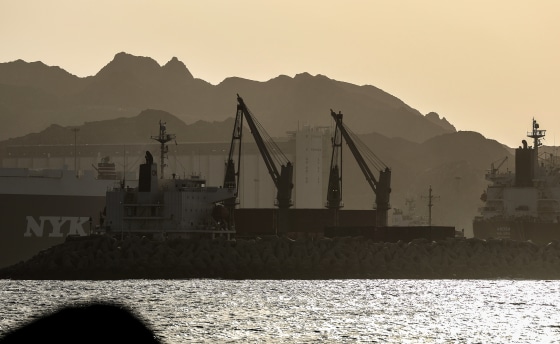
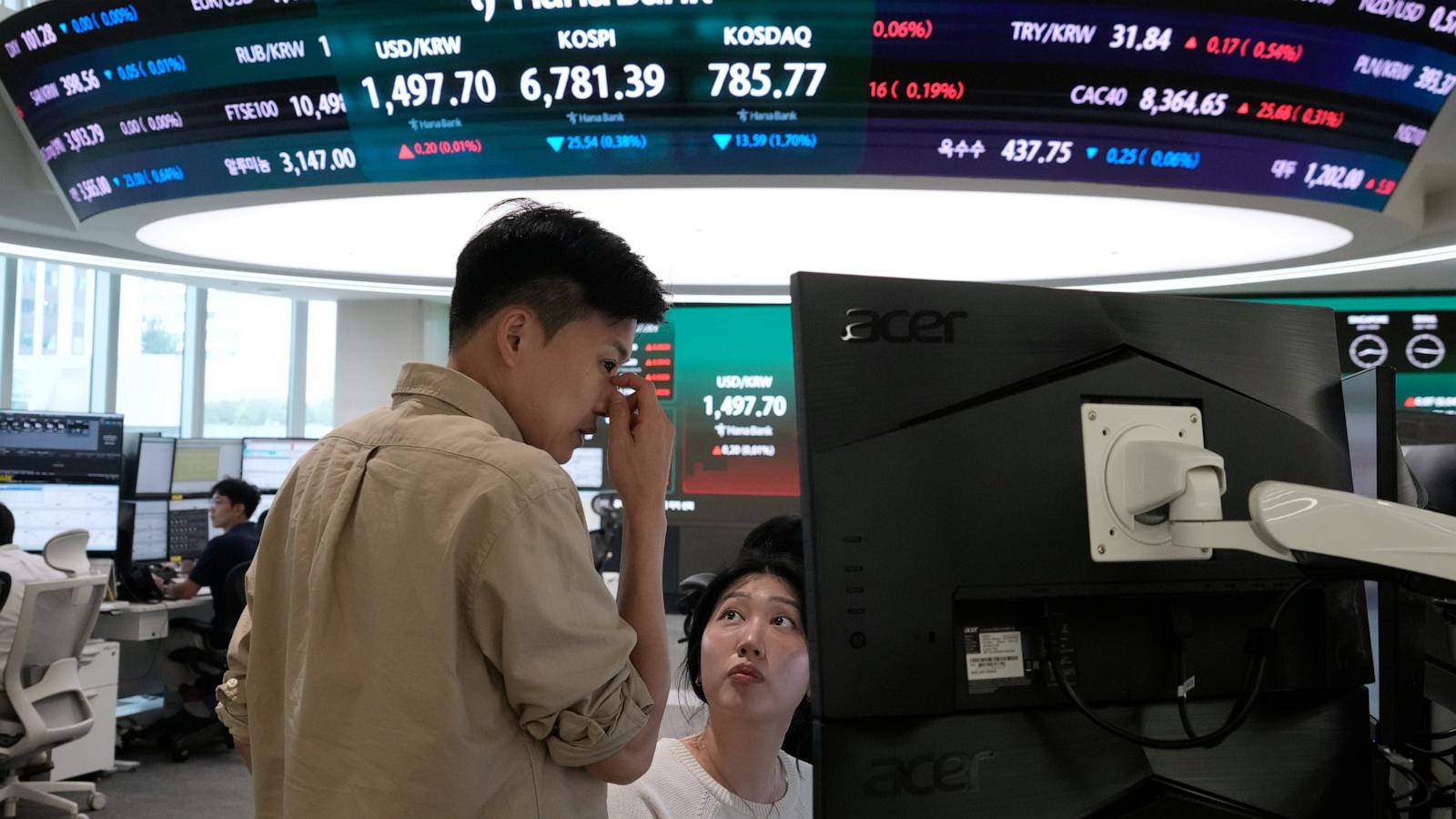
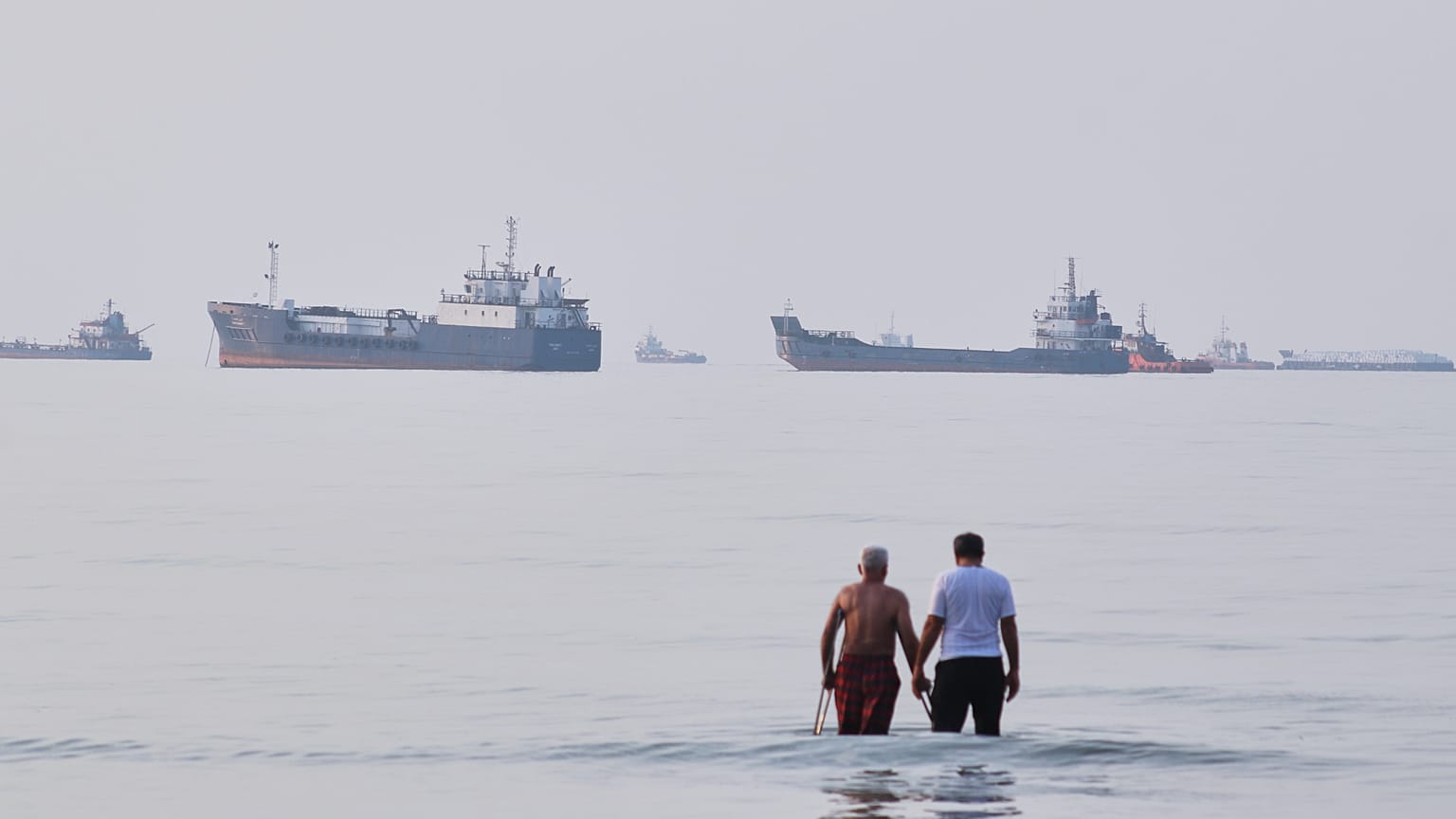
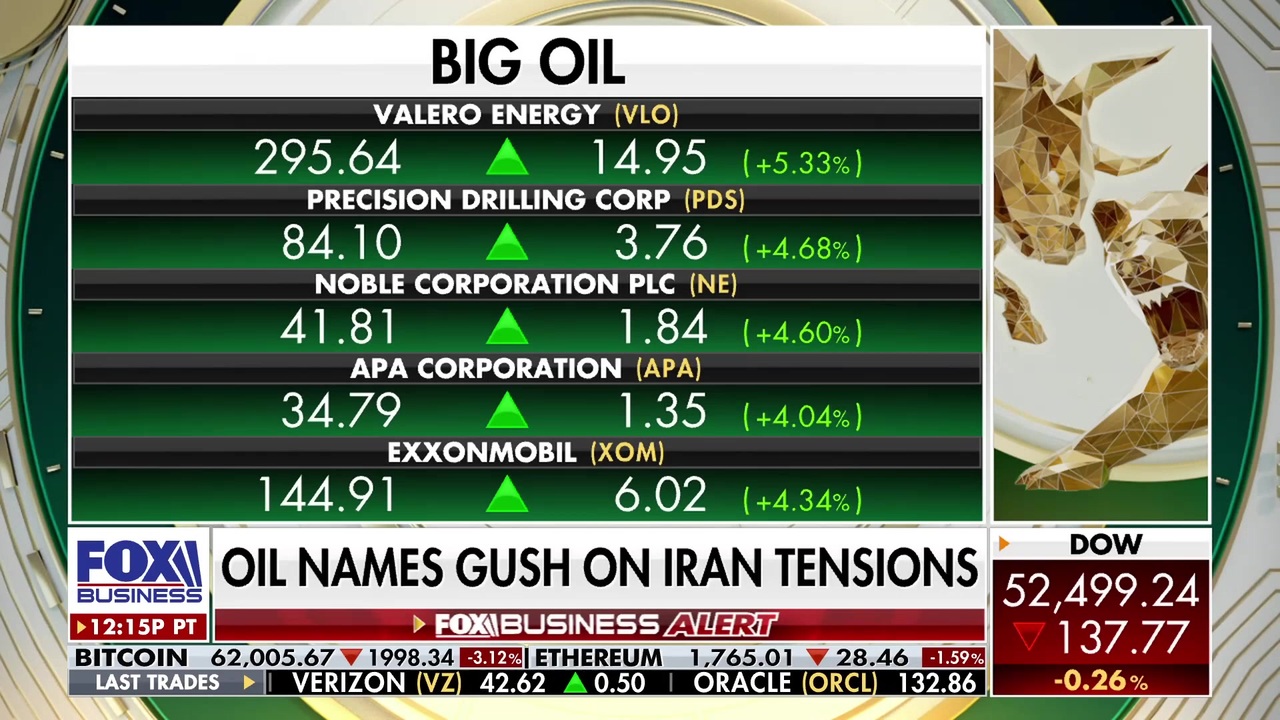
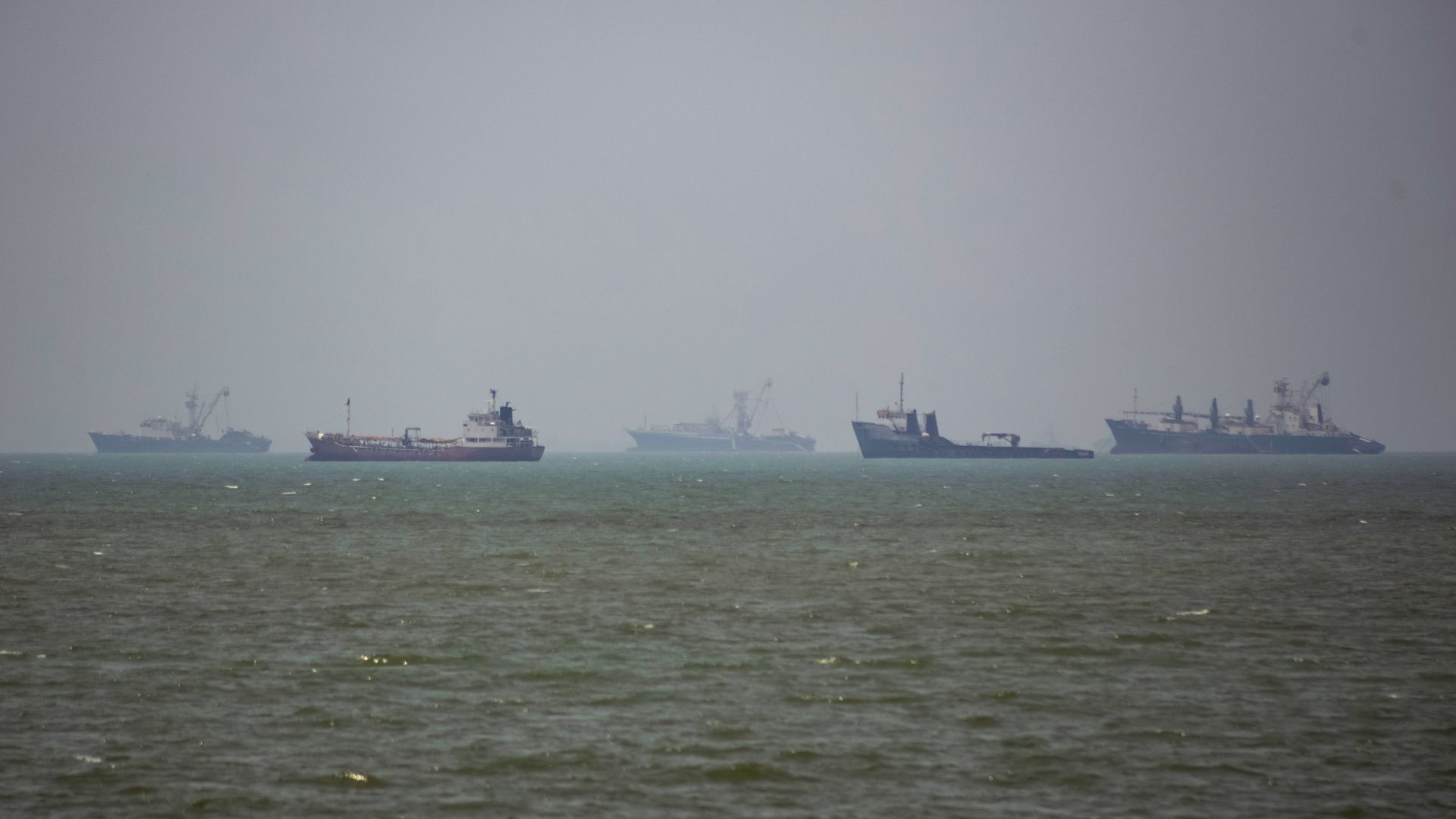
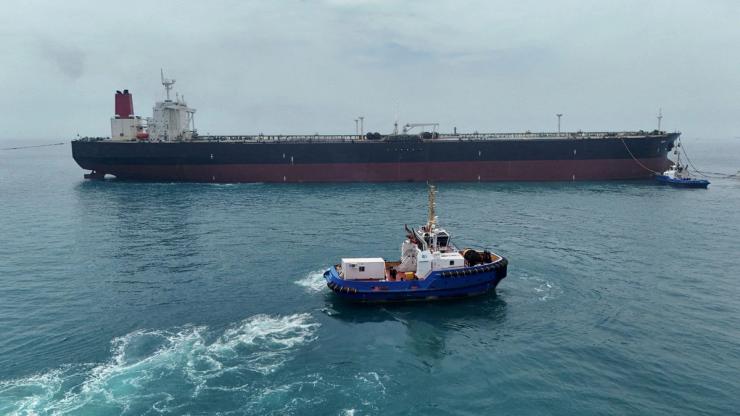
The Strait of Hormuz geopolitical crisis directly threatens cross-border e-commerce logistics costs and timelines. On July 13, 2026, President Trump announced a U.S. naval blockade on Iran and imposed a 20% transit fee on cargo through the Strait of Hormuz—a chokepoint handling one-third of global seaborne oil trade. Following this announcement, Brent crude jumped 10% to $83 per barrel, with earlier reports showing prices at $84.91 (highest in one month, up 9.6% in a single day). Vessel transits through Hormuz collapsed 50%, dropping from ~130 daily transits to just 57 over a three-day period, according to MarineTraffic data. This represents the most severe disruption since the 2019-2020 tensions, which historically resulted in 15-20% shipping cost increases lasting 3-6 months.
For e-commerce sellers, the operational impact is immediate and quantifiable. Logistics providers typically pass fuel surcharge increases to shippers within 30-60 days, directly affecting Amazon FBA fees, DDP (Delivered Duty Paid) costs, and air freight premiums. Vessels rerouting around the Cape of Good Hope add 10-14 days to Asia-Europe shipping routes—critical for sellers relying on inventory velocity and seasonal demand windows. Sellers sourcing from Middle Eastern suppliers or using regional hubs face compounded delays and elevated insurance costs. The blockade threatens to extend this disruption: analysts predict oil could reach $100 per barrel if physical shortages materialize, and the U.S. Department of Energy's strategic petroleum reserve is depleting rapidly, limiting government's ability to buffer supply shocks.
Competitive dynamics shift toward sellers with supply chain flexibility. Large sellers with diversified sourcing (Vietnam, India, Indonesia alternatives to China) and pre-positioned inventory in regional fulfillment centers can absorb cost increases and maintain delivery windows. Small-to-medium sellers (SMBs) relying on just-in-time inventory from Asia face margin compression of 8-15% as fuel surcharges stack on top of existing port congestion and labor disputes. The blockade also creates a 3-6 month window where inventory buffers become critical—sellers who pre-position stock before fuel surcharges fully propagate (within 30 days) can lock in current pricing and avoid peak-cost periods. Historical precedent shows that previous Hormuz tensions created 15-20% shipping cost increases lasting 3-6 months, suggesting this disruption could persist through Q4 2026 and into Q1 2027.
Questions 8
What alternative shipping routes should sellers consider?
Sellers should evaluate three alternatives: (1) Cape of Good Hope routing (adds 10-14 days, avoids Hormuz fees); (2) Air freight via Middle East hubs (3-5x cost premium, 3-5 day transit); (3) Regional fulfillment centers in Europe/Middle East (reduces shipping distance, avoids Hormuz entirely). The news indicates vessels are rerouting around Cape of Good Hope, adding 10-14 days to Asia-Europe routes. For time-sensitive categories, air freight justifies the cost premium. For non-urgent inventory, Cape routing saves the 20% Hormuz transit fee but extends lead times. Sellers should negotiate with 3PL providers for alternative routing options and lock in pricing before peak Q4 demand.
How does the 20% Hormuz transit fee affect DDP and landed costs?
The 20% transit fee directly increases DDP (Delivered Duty Paid) costs by 2-4% for Asia-Europe routes, depending on product weight and shipping method. The news reports Trump imposed a 20% fee on cargo transiting Hormuz, which applies to all vessels passing through this critical chokepoint. For a $100 product with $20 shipping cost, the 20% fee adds $4 to landed cost. Combined with fuel surcharges (10-15% increase), total logistics costs rise 12-19% for affected routes. Sellers should recalculate landed costs immediately and adjust pricing strategies. For sellers using Shopify or Amazon, update product pricing to reflect new landed cost calculations before surcharges fully activate.