



Hormuz Blockade Triggers 15-20% Shipping Cost Surge | Critical Impact for Cross-Border Sellers
- Fuel surcharges escalate 30-60 days post-announcement; Asia-Europe routes face 10-14 day delays; sellers must reposition inventory by August 2026
































Overview
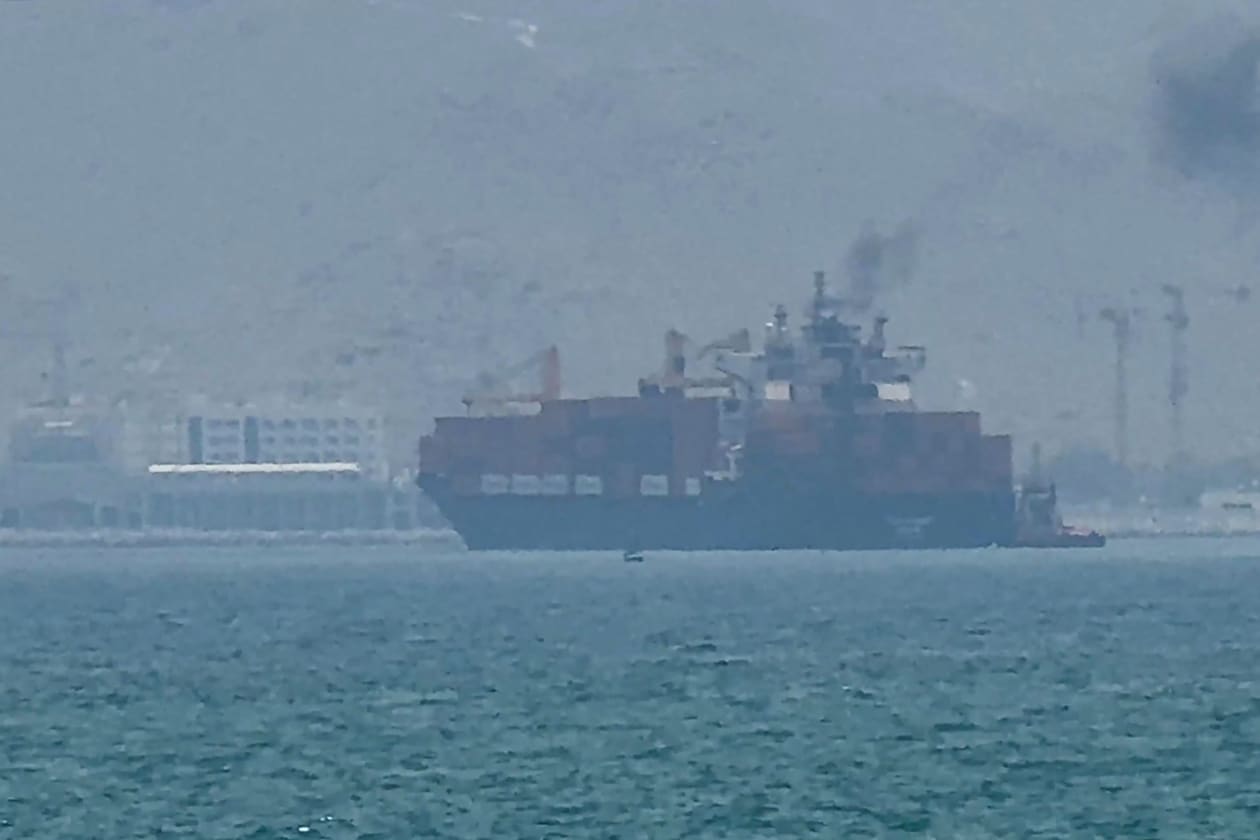
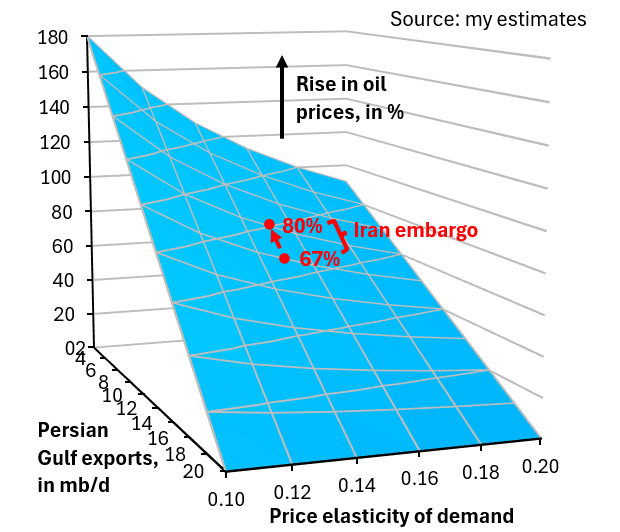
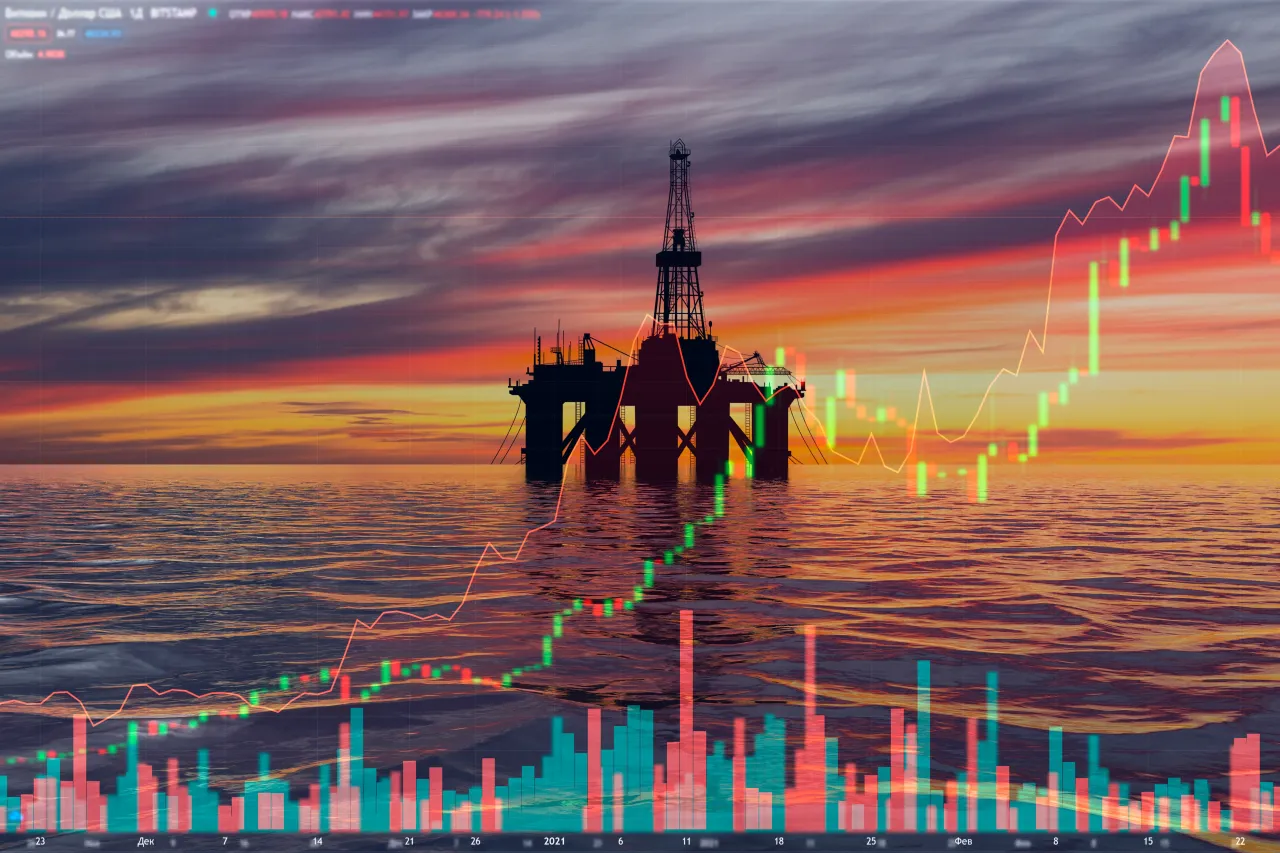
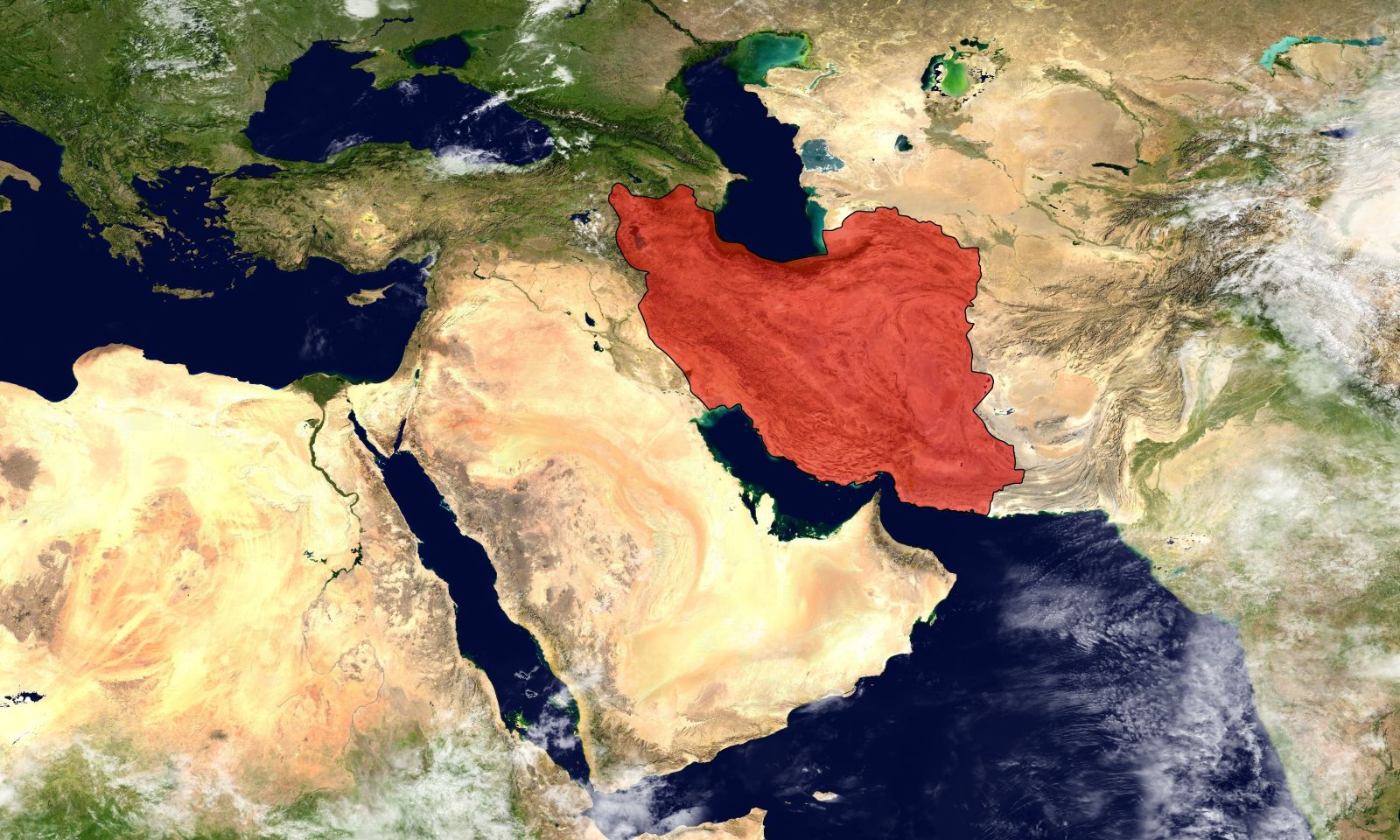
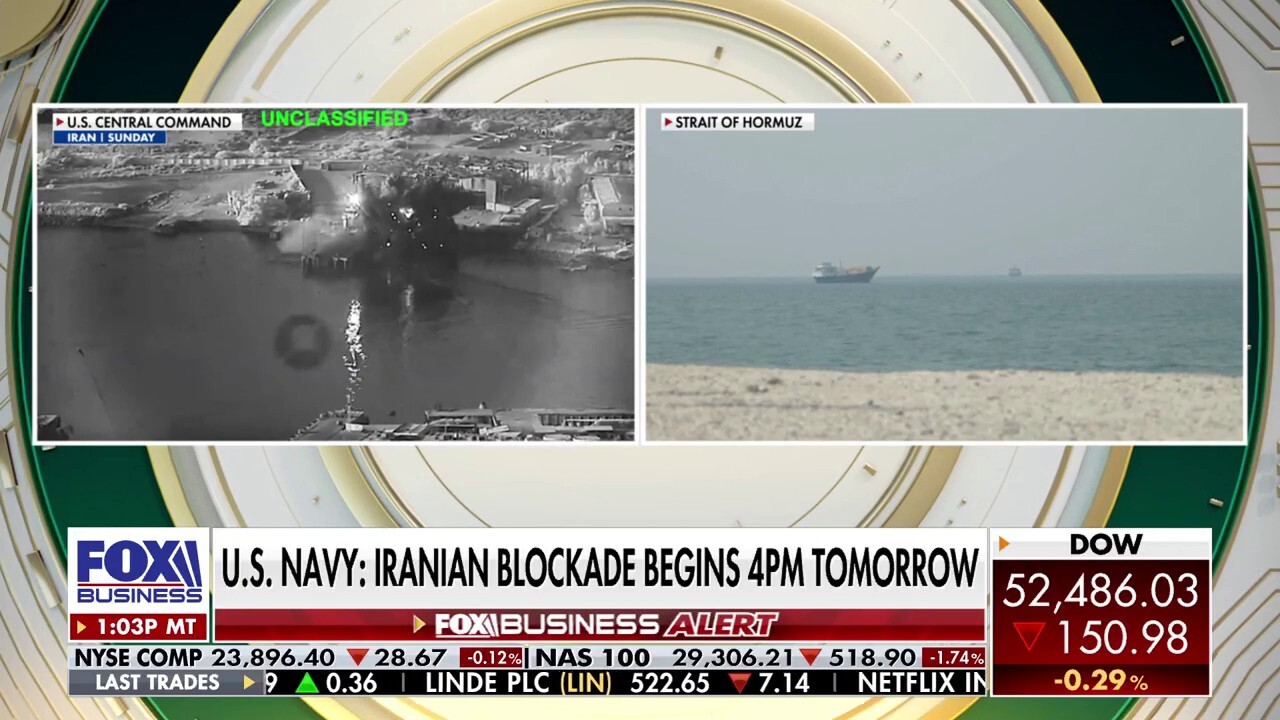
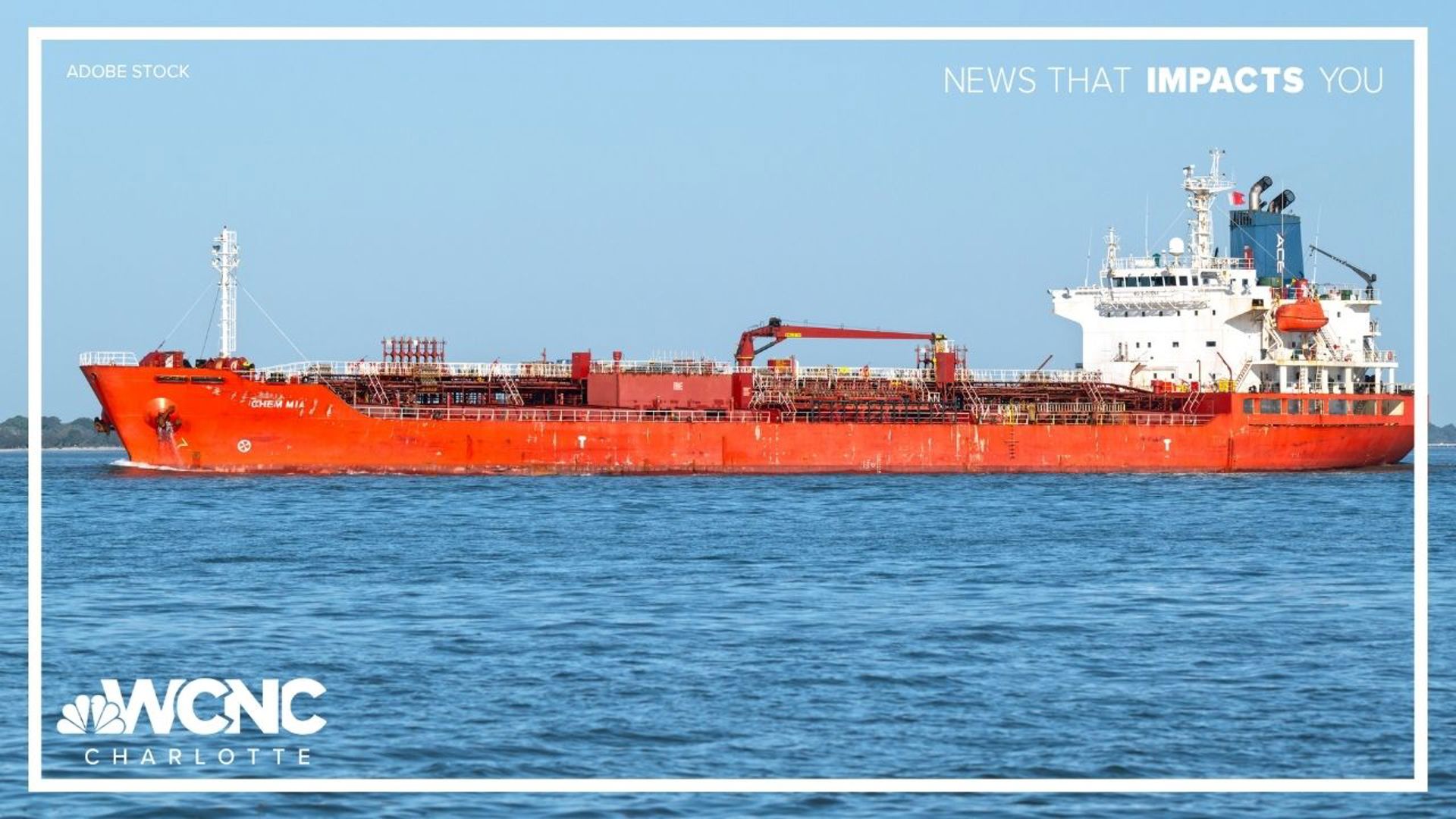
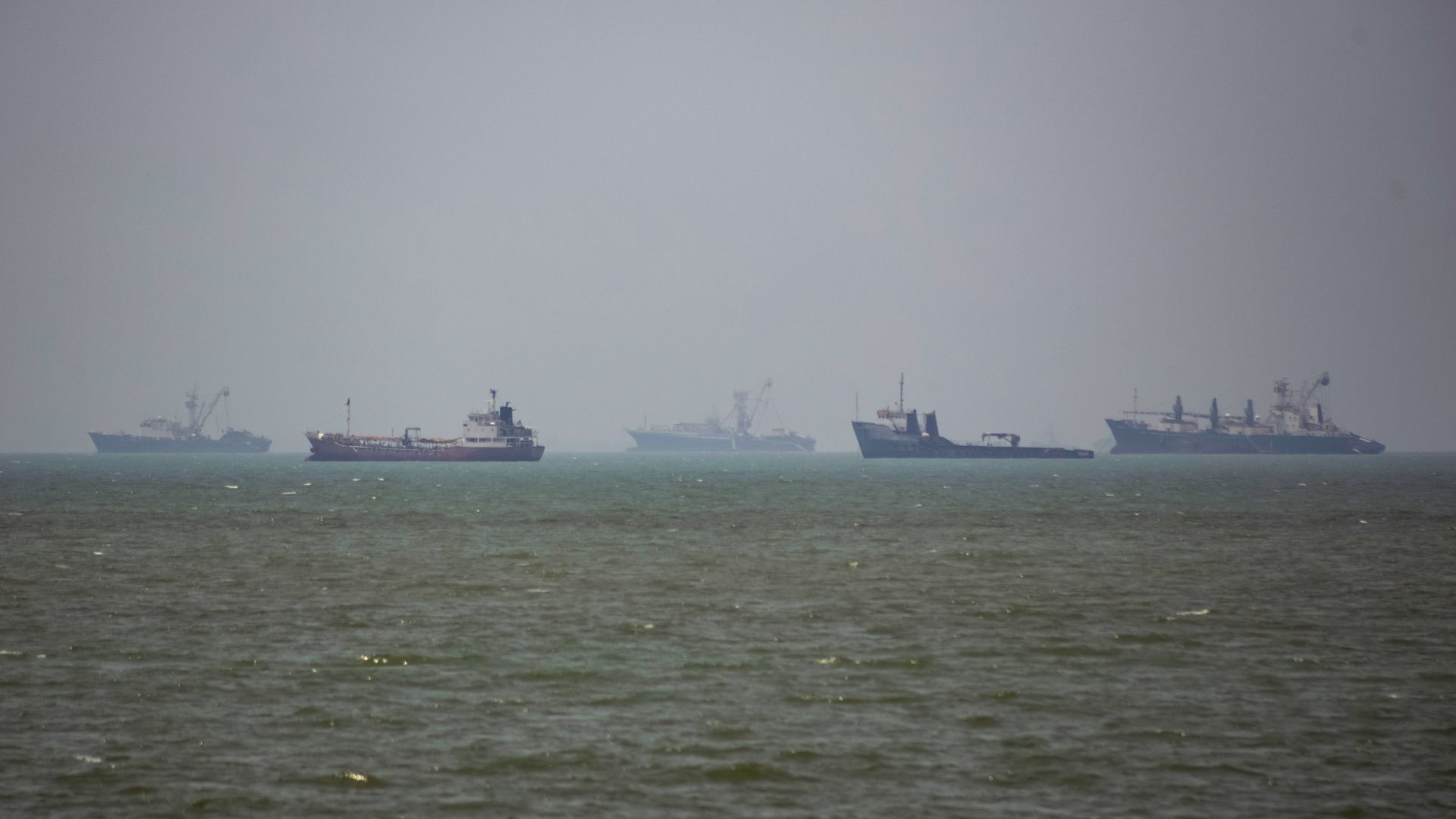
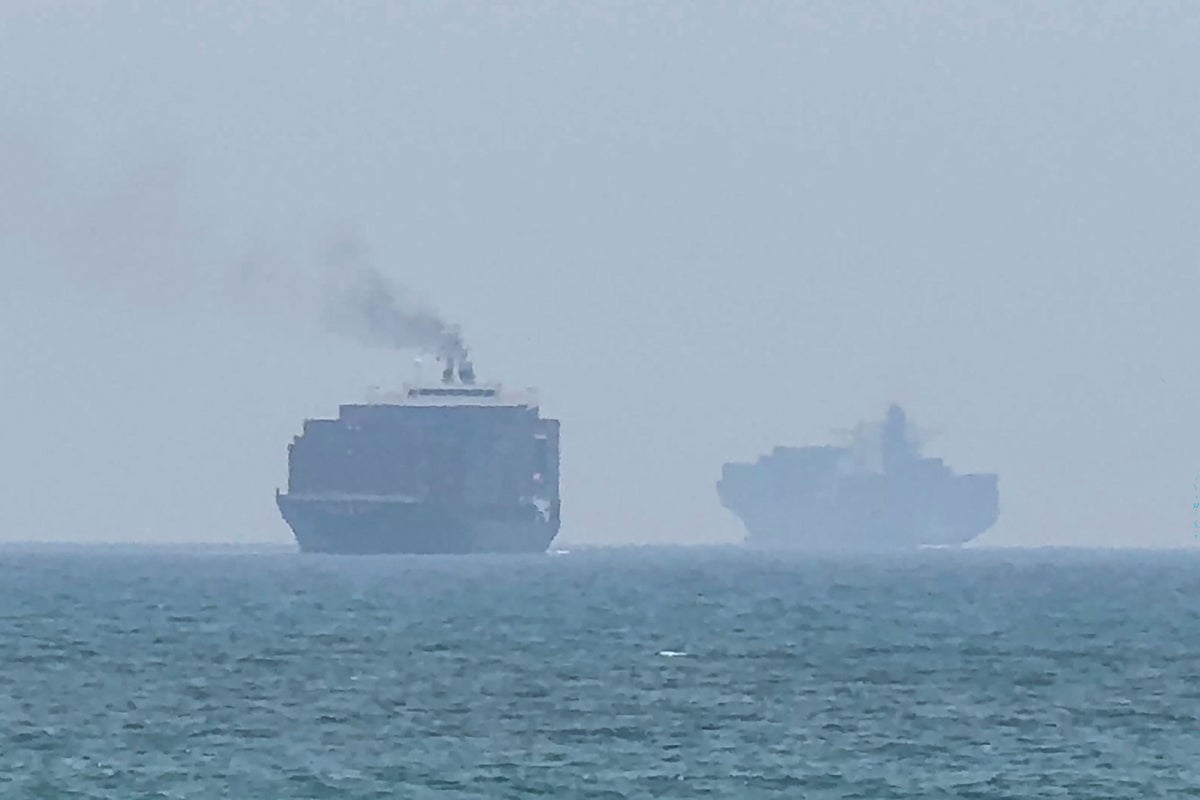
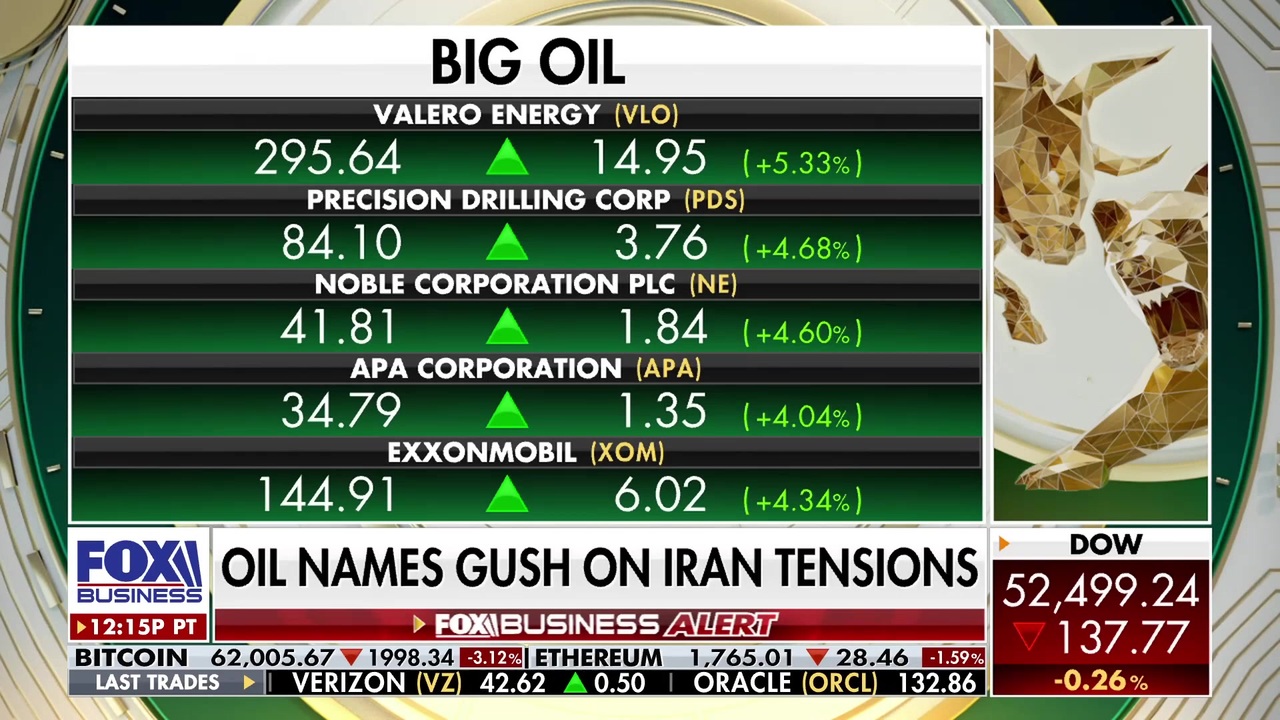
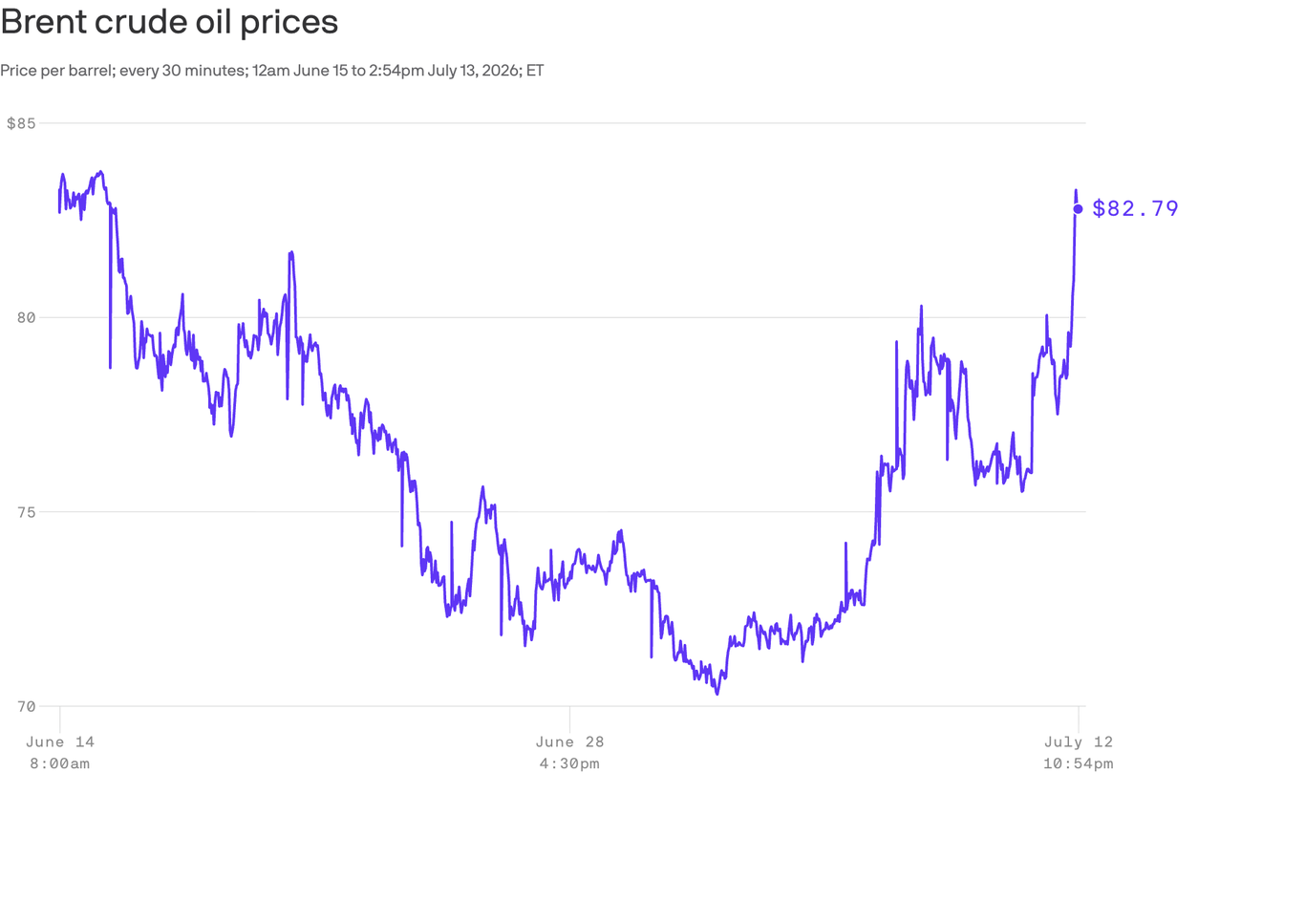
The Strait of Hormuz geopolitical crisis directly threatens e-commerce supply chains through immediate fuel cost escalation and extended shipping timelines. On July 13, 2026, President Trump announced a U.S. naval blockade on Iran and imposed a 20% transit fee on cargo through the Strait of Hormuz, which handles approximately one-third of global seaborne oil trade. Brent crude oil jumped 10% to $83 per barrel following the announcement, with military escalation (U.S. airstrikes and Iranian missile attacks on Emirati tankers) collapsing the June truce agreement. While Brent crude remains 25% below April's peak, Hormuz traffic has nearly halted, creating real operational constraints on shipping capacity.
For cross-border e-commerce sellers, this crisis manifests as immediate cost pressures through elevated fuel surcharges on international shipping. Logistics providers typically pass fuel price increases to shippers within 30-60 days, directly affecting Amazon FBA fees, DDP (Delivered Duty Paid) costs, and air freight premiums. The blockade forces vessels to reroute around the Cape of Good Hope, adding 10-14 days to Asia-Europe shipping routes—critical for sellers relying on just-in-time inventory models. Sellers sourcing from Middle Eastern suppliers or shipping through regional hubs face compounded supply chain delays and increased insurance costs. Historical precedent from 2019-2020 Hormuz tensions shows 15-20% shipping cost increases lasting 3-6 months, providing a realistic baseline for current disruption duration.
The operational impact varies significantly by seller segment and product category. High-volume sellers (1,000+ monthly units) shipping FBA inventory from Asia face the steepest margin compression, as fuel surcharges compound with existing port congestion and labor disputes. Electronics, apparel, and home goods categories—which depend on consistent Asia-Europe supply chains—face the greatest risk. Sellers with inventory buffers for critical SKUs can weather the 30-60 day surcharge implementation window, while those operating lean inventory models face immediate stockout risks. The 10-14 day route extension threatens fast-moving categories (seasonal goods, trending items) where demand windows are narrow. Sellers should immediately monitor fuel surcharge indices, evaluate alternative sourcing regions (Southeast Asia, India, Mexico), and consider 3PL providers with diversified routing capabilities to mitigate Persian Gulf exposure.
Questions 8
How long will shipping costs remain elevated, and when should I expect normalization?
Historical precedent from 2019-2020 Hormuz tensions indicates 15-20% shipping cost increases lasting 3-6 months. Current escalation (July 2026) suggests elevated costs through October-December 2026, with potential normalization by Q1 2027 if geopolitical tensions ease. However, Brent crude remains 25% below April's peak, suggesting markets are pricing in temporary disruption rather than sustained conflict. Monitor three indicators: (1) Hormuz traffic volume (currently nearly halted); (2) Brent crude price trajectory; (3) Military escalation developments. Plan inventory and pricing strategies assuming 4-5 month surcharge period (July-November 2026), with contingency for 6-month extension if tensions persist.
What is the difference between DDP and FBA pricing during fuel surcharge escalation?
DDP (Delivered Duty Paid) pricing passes fuel surcharges directly to end customers, while Amazon FBA fees absorb surcharges into your fulfillment costs. For DDP sellers, you can adjust pricing to maintain margins, but risk losing Buy Box competitiveness if competitors don't raise prices. FBA sellers face margin compression as surcharges increase fulfillment costs without corresponding price increases (Amazon doesn't adjust FBA fees for temporary fuel spikes). Calculate your break-even point: if FBA fees rise $0.50-1.00 per unit, you need 5-10% price increases to maintain margins. Consider shifting high-margin SKUs to DDP during the surcharge period (August-December 2026) to preserve profitability.