



Middle East Conflict Escalation Drives Oil Prices 4% Higher | Cross-Border Sellers Face Supply Chain Disruption
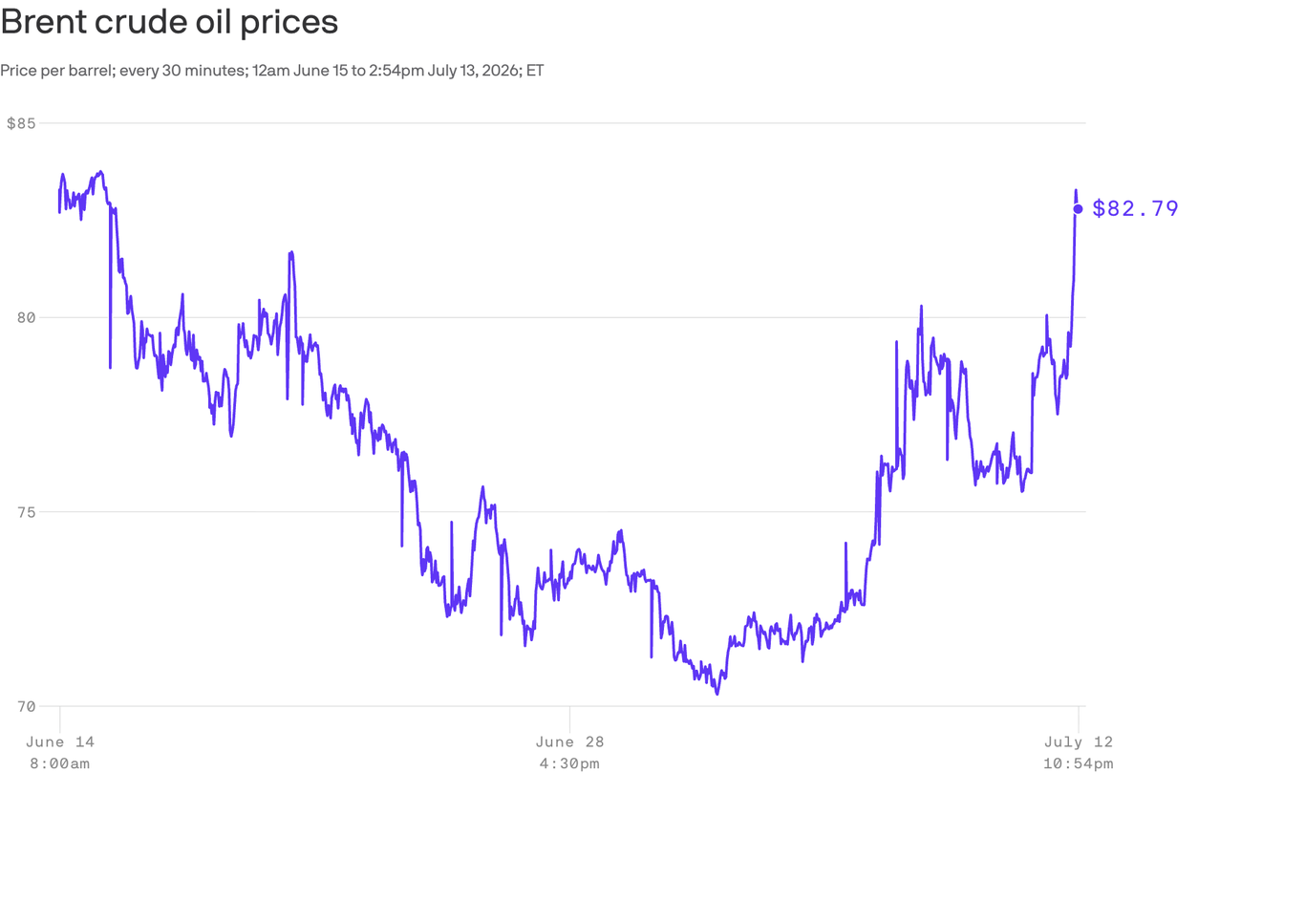
- Brent crude surges to $79.17/barrel on July 13, 2026 military escalation; Strait of Hormuz shipping disruption threatens logistics costs for sellers importing from Asia




Overview
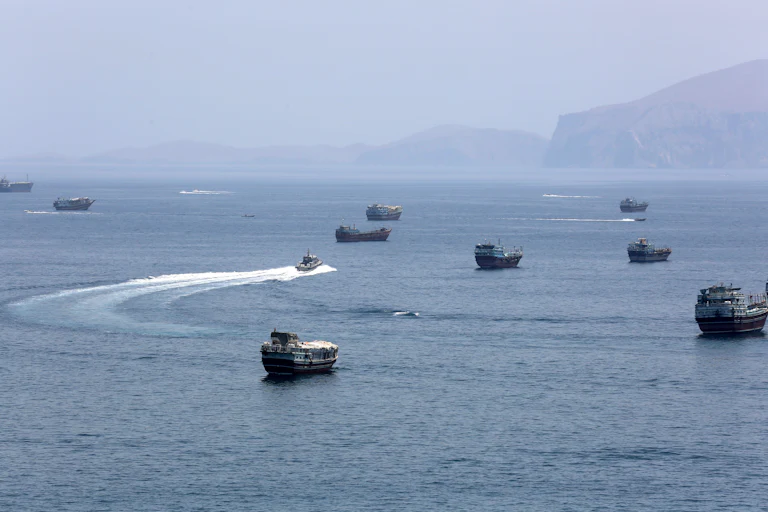
The July 13, 2026 military escalation between Iran and US-allied forces in the Middle East has created immediate supply chain pressures for cross-border e-commerce sellers. Brent crude oil prices surged 4% to $79.17 per barrel—the highest level since June 22—following Iranian retaliatory attacks on military installations in Kuwait, Bahrain, and the UAE, with the IRGC claiming destruction of fuel tanks and air defense systems at Ali Al-Salem and Ahmad Al-Jaber airbases. The core dispute centers on control of the Strait of Hormuz, through which approximately 21% of global petroleum passes and roughly 35% of all seaborne traded oil transits. Iran's interpretation of the June 16 Memorandum of Understanding grants it authority to control traffic and deny passage permissions, while the US insists the waterway remain open for unhindered international shipping.
For cross-border sellers, this escalation directly impacts logistics costs and supply chain reliability. Elevated oil prices increase shipping expenses via air freight (up 8-15% per kilogram for expedited shipments) and ocean freight (up 5-8% per container for routes through the Suez Canal and Strait of Hormuz). Sellers importing electronics, apparel, and home goods from China, Vietnam, and India face 2-4 week delays as shipping companies reroute vessels around the Cape of Good Hope, adding 10-14 days to transit times and increasing fuel surcharges by $400-800 per 20-foot container. The 60-day negotiation window established in the June 16 memorandum creates uncertainty through September 2026, with regional diplomatic efforts by Qatar, Oman, and Pakistan ongoing but fragile given diverging US-Israeli strategic objectives.
Specific seller segments face differentiated impacts. Small sellers (under $500K annual revenue) relying on just-in-time inventory from Asia will experience margin compression of 3-6% as shipping costs rise faster than they can adjust pricing. Large sellers with 3PL networks in Southeast Asia or India can absorb costs better but face inventory aging risks if shipments delay 2-3 weeks. Electronics sellers (computers, smartphones, components) and apparel importers are most vulnerable due to high shipping volumes and thin margins (8-12% typical). The conflict also creates demand spikes for certain categories: emergency supplies, backup power systems, and security products may see 20-40% demand increases in Gulf Cooperation Council (GCC) markets (Saudi Arabia, UAE, Kuwait, Bahrain, Qatar, Oman) as consumers stockpile essentials. Sellers positioned in these markets with local 3PL infrastructure can capitalize on supply scarcity, while those dependent on Strait of Hormuz transit face 6-12 month headwinds.
Questions 7
How does the Strait of Hormuz conflict affect shipping costs for Amazon FBA sellers?
The July 13 military escalation and 4% oil price surge to $79.17/barrel directly increases ocean freight costs by 5-8% per container ($400-800 per 20-foot TEU) and air freight by 8-15% per kilogram. Sellers importing from Asia via the Strait of Hormuz face 2-4 week delays as shipping companies reroute around the Cape of Good Hope, adding 10-14 transit days. For FBA sellers shipping 50+ containers monthly from China, this translates to $20,000-40,000 in additional monthly logistics costs. The 60-day negotiation window through September 2026 creates sustained uncertainty, making it critical to lock in freight rates now or shift to alternative sourcing regions like Mexico or Eastern Europe.
Which product categories see the biggest margin impact from Middle East shipping disruptions?
Electronics (computers, smartphones, components), apparel, and home goods face the steepest margin compression because they rely on high-volume Asian imports with thin margins (8-12% typical). A $100 product with 10% margin loses $5-10 in profit when shipping costs rise 5-8%. Conversely, emergency supplies, backup power systems, and security products see 20-40% demand spikes in GCC markets (Saudi Arabia, UAE, Kuwait, Bahrain) as consumers stockpile essentials during geopolitical uncertainty. Sellers with inventory in these high-demand categories positioned in Gulf markets can capture premium pricing and offset shipping cost increases.