
Cyclosporiasis Outbreak Triggers Produce Compliance Crisis | Sellers Face New Food Safety Standards
- 3,300+ confirmed cases across 32 U.S. states drive FDA traceback investigations and create urgent compliance barriers for produce suppliers and food retailers









Overview
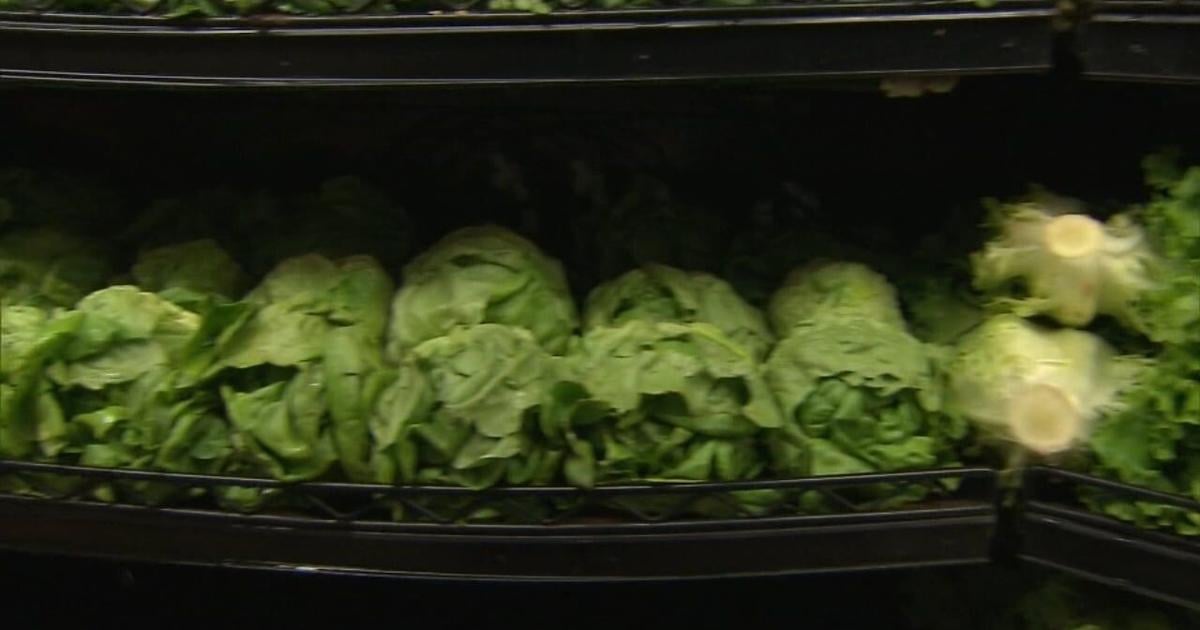
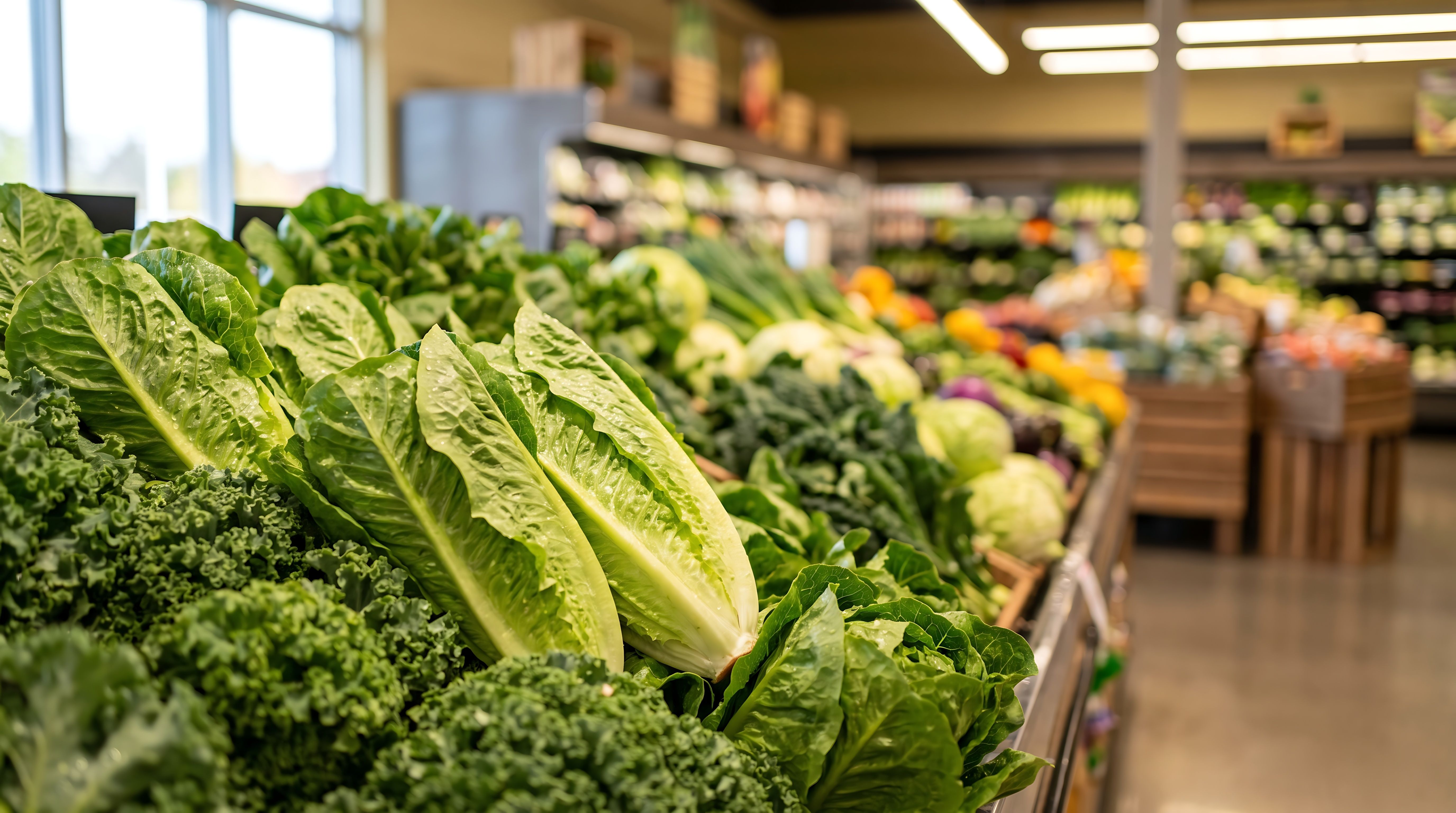
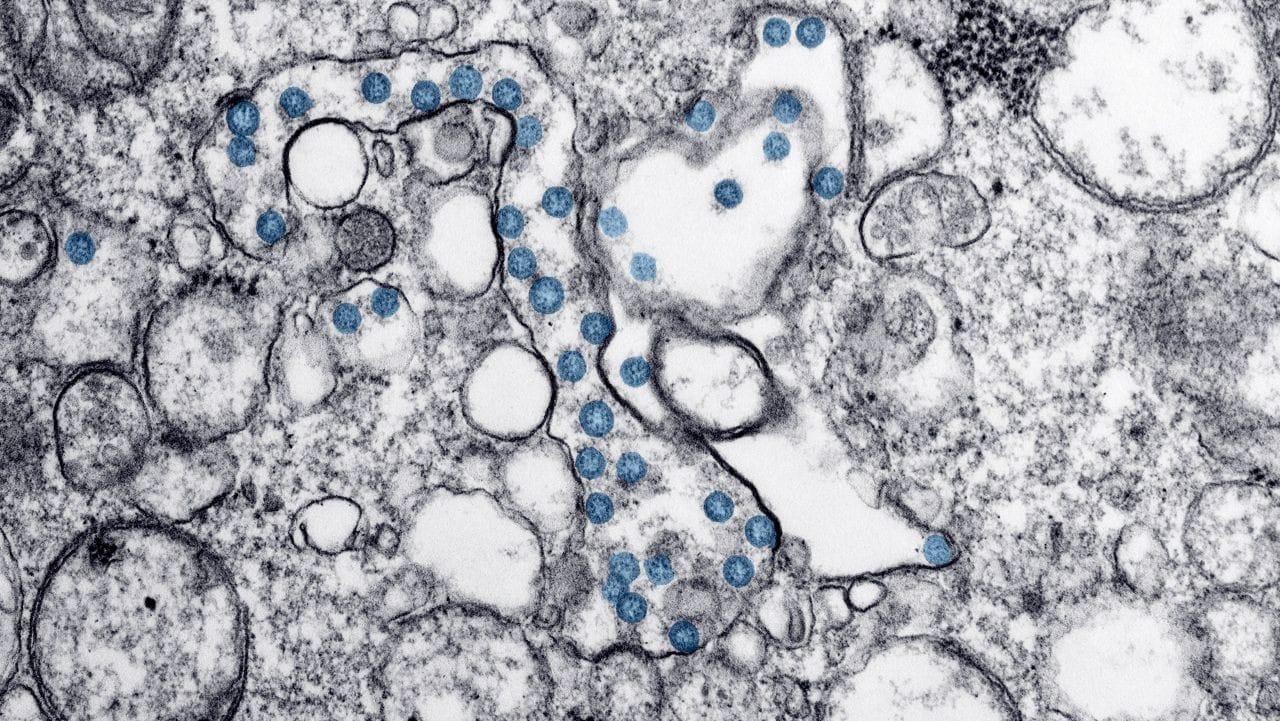
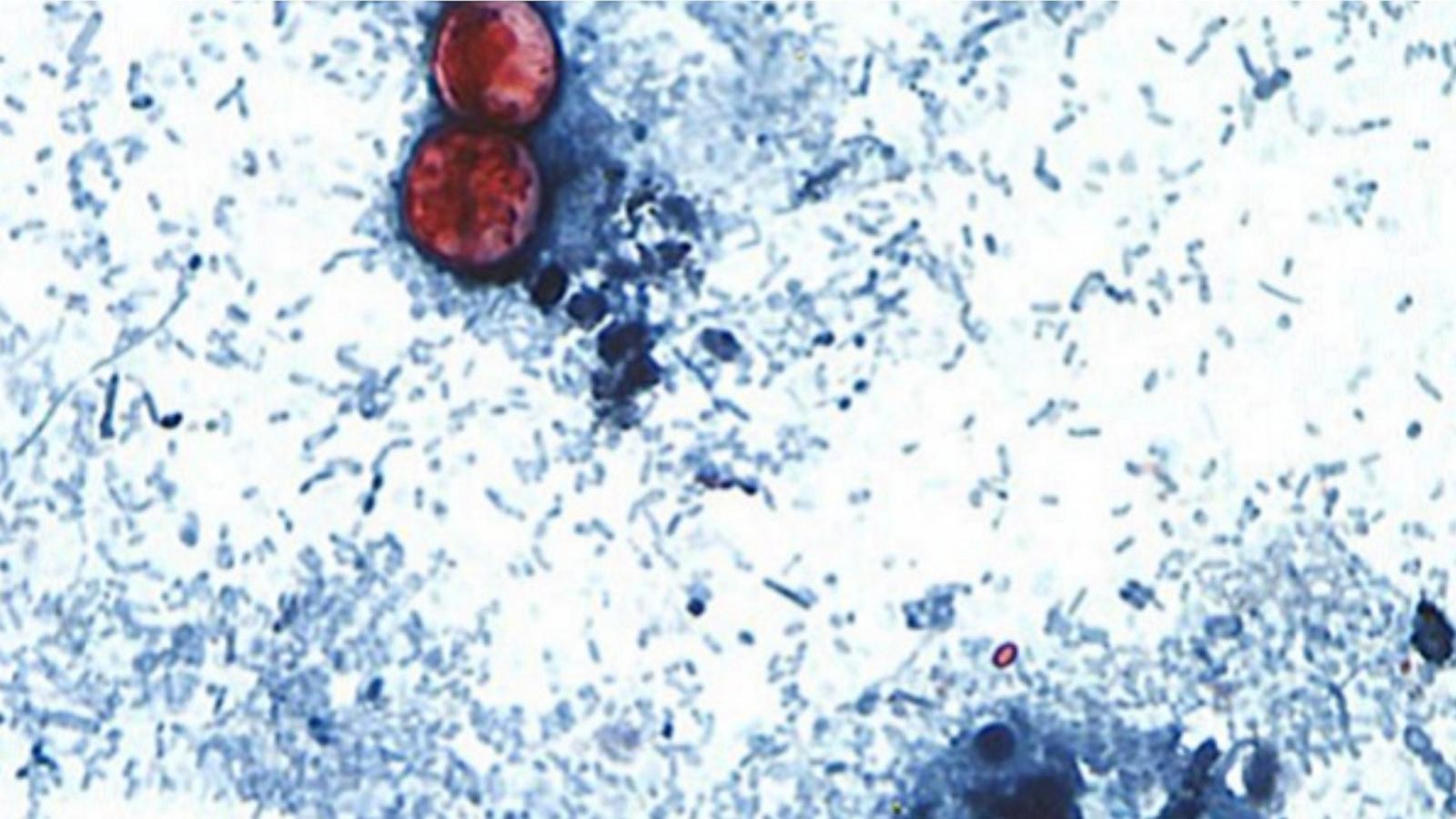
The unprecedented cyclosporiasis outbreak affecting 32 U.S. states—with Michigan reporting 3,300+ confirmed cases since June 22 and national spread to New York (470 cases), Ohio (364), Illinois, and Florida (100+ each)—represents a critical compliance inflection point for food supply chain sellers. FDA traceback investigations on multiple produce items and CDC alerts to healthcare providers nationwide signal imminent regulatory tightening around produce sourcing, traceability, and food safety certification standards.
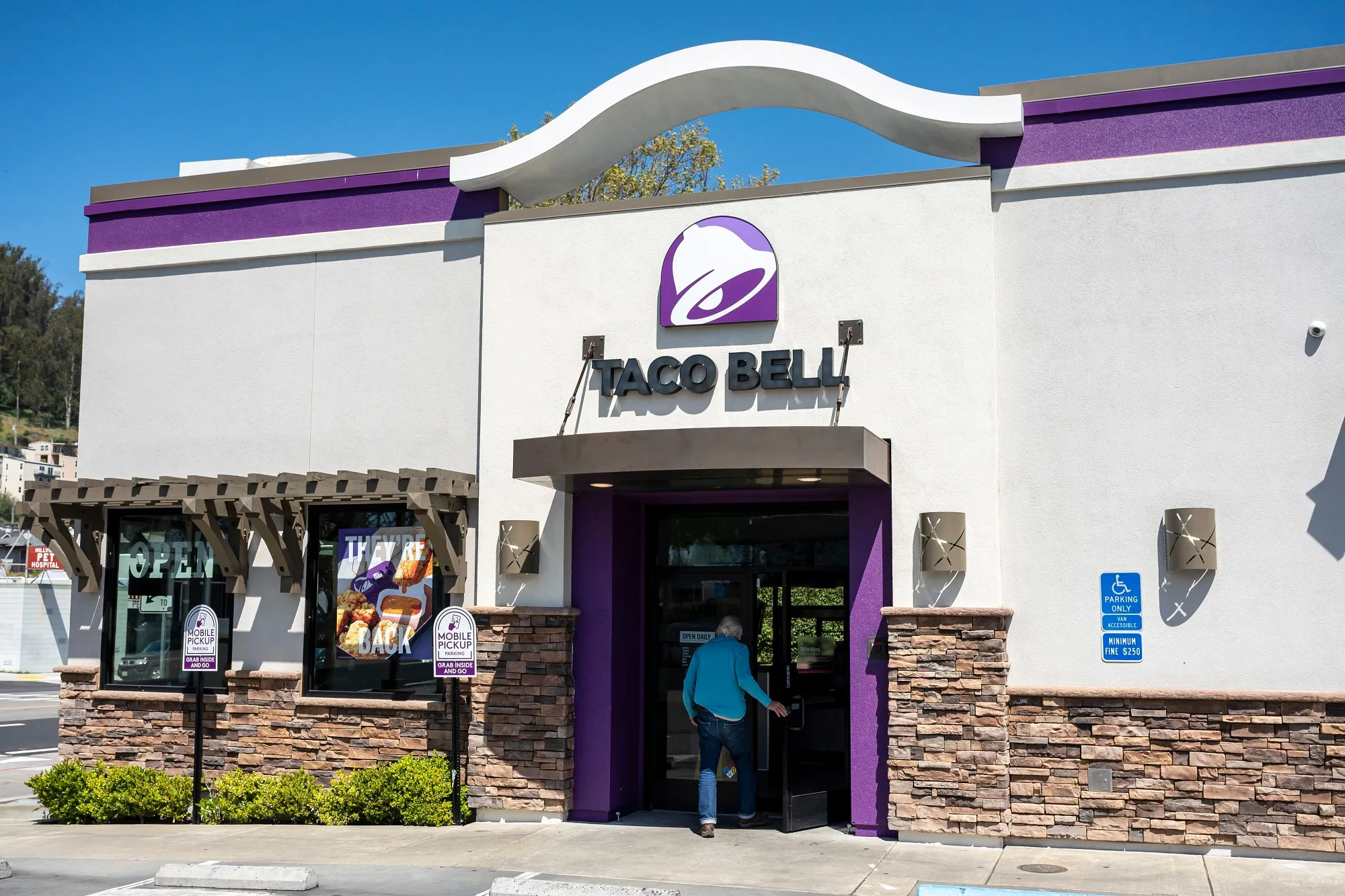
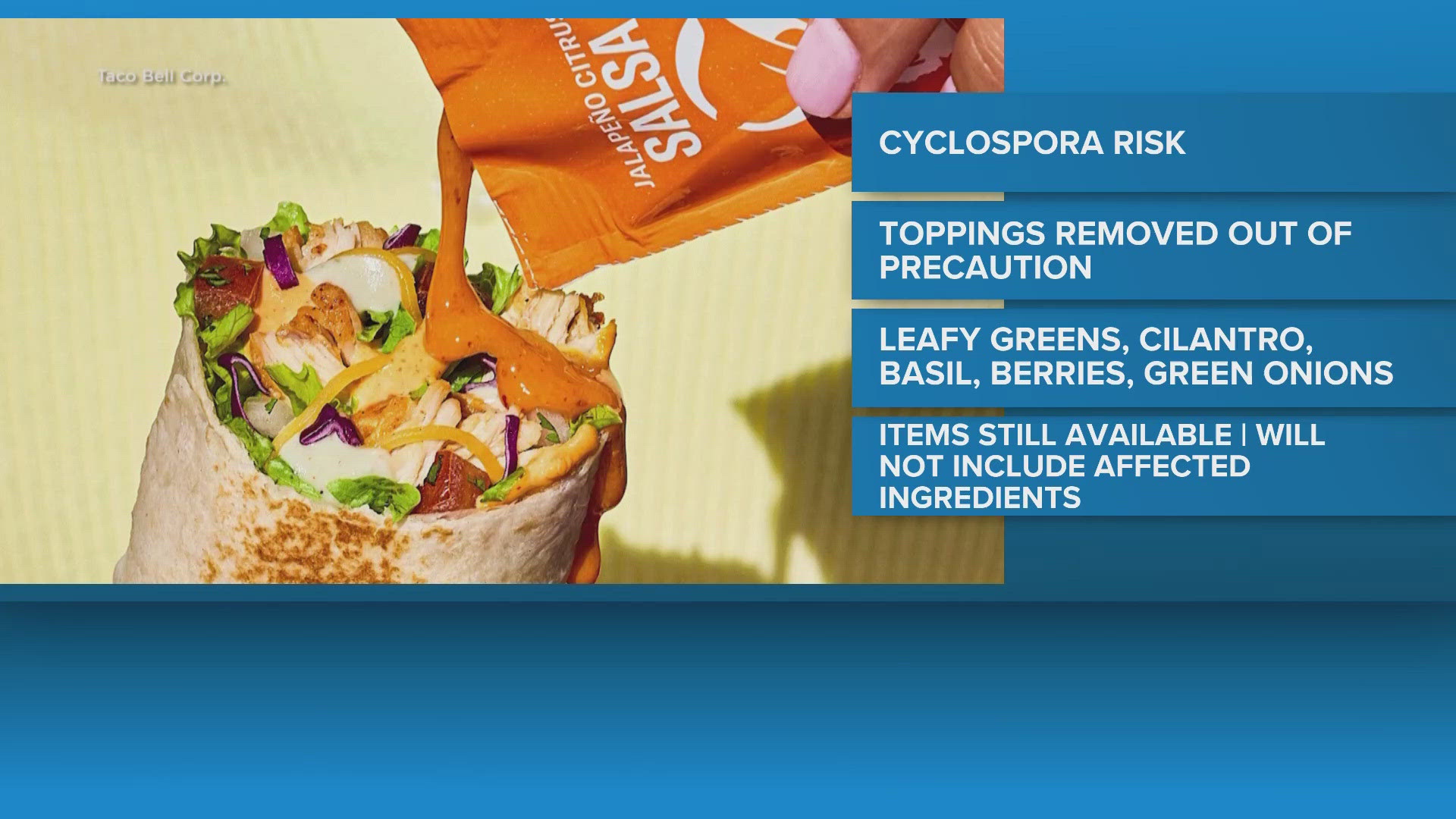
Compliance Barrier Creation: This outbreak will accelerate adoption of FSMA (Food Safety Modernization Act) compliance, HACCP (Hazard Analysis Critical Control Point) certification, and produce traceability systems across the supply chain. Sellers currently operating without documented food safety protocols face elimination from major retail channels (Taco Bell's voluntary ingredient removal demonstrates how quickly QSR chains respond to contamination signals). The six-week reporting lag noted by CDC means cases will continue rising through August, extending the enforcement window and regulatory scrutiny period.
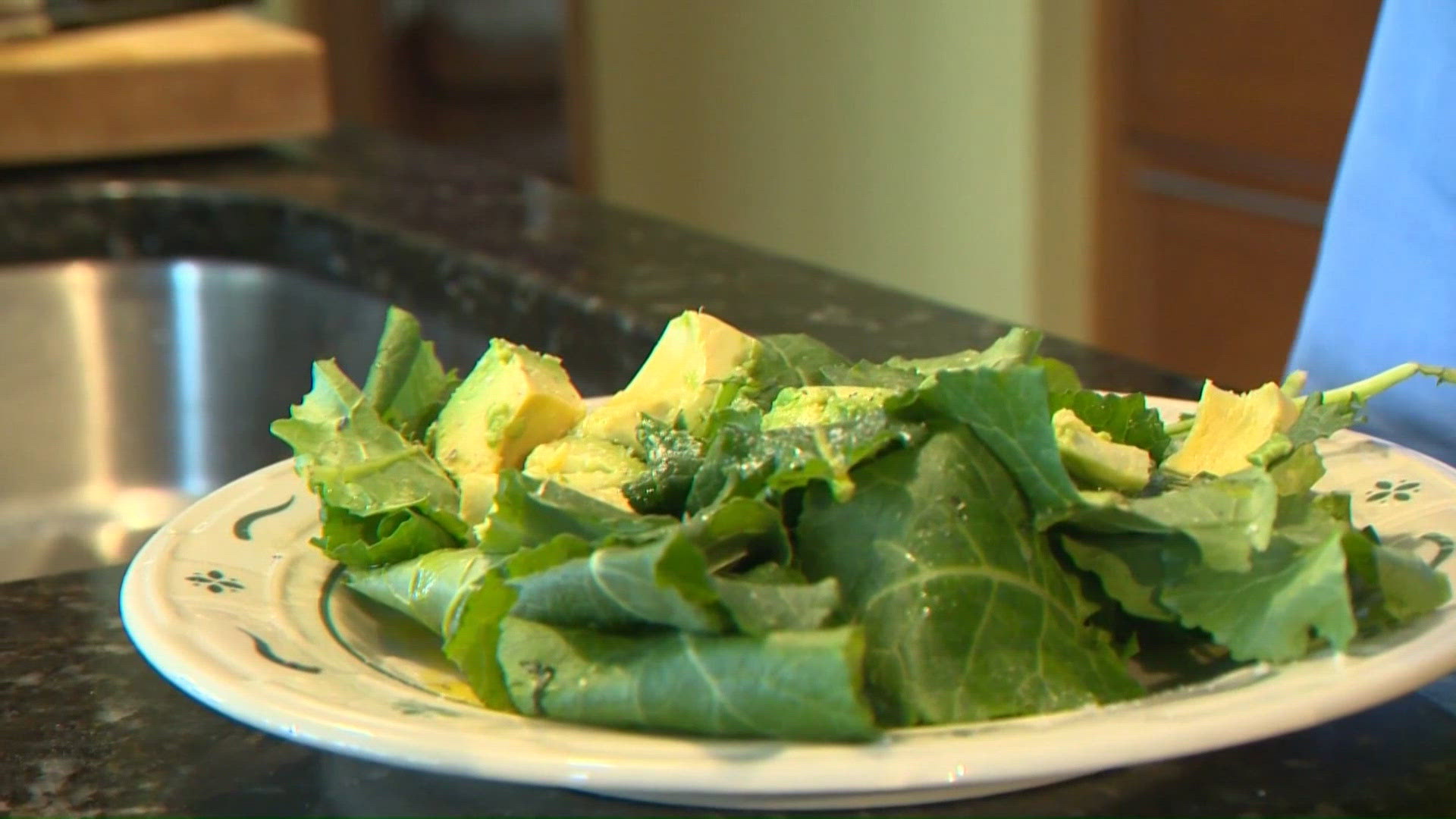
Market Elimination & Competitive Moat: Non-compliant produce suppliers—estimated at 30-40% of small-to-mid-sized operations lacking FSMA documentation—will face accelerated delistings from Amazon Fresh, Walmart+, and specialty food platforms. Sellers with existing third-party food safety audits (SQF, BRC, FSSC 22000 certifications) gain immediate competitive advantage as retailers implement stricter supplier vetting. The FDA's focus on "lettuce or salad greens" creates category-specific pressure: pre-packaged salad sellers must now demonstrate origin traceability, cold chain integrity, and pathogen testing protocols—barriers that cost $15,000-40,000 annually for small producers.
Fast-Track Compliance Pathways: Sellers can achieve rapid compliance through: (1) Third-party certification (SQF Level 2: 8-12 weeks, $8,000-15,000), (2) Supplier verification programs (FDA-approved vendor lists: 2-4 weeks, $2,000-5,000), (3) Traceability software integration (blockchain/RFID systems: 4-6 weeks, $5,000-20,000). Produce aggregators and 3PL providers offering food safety compliance services will see 40-60% demand surge through Q3 2024.
Category Winnowing Opportunity: Sellers in adjacent categories benefit as contaminated produce categories face temporary delisting. Frozen vegetable sellers, dehydrated produce, and plant-based alternatives see 15-25% demand shift as consumers avoid fresh produce during outbreak peak. Sellers offering certified organic, locally-sourced, or traceable produce command 20-35% price premiums as retailers rebuild consumer confidence through premium positioning.
Questions 7
What new food safety compliance requirements will sellers face after the cyclosporiasis outbreak?
The FDA's traceback investigation on multiple produce items signals imminent enforcement of **FSMA compliance** and **third-party food safety audits** (SQF, BRC, FSSC 22000) for produce suppliers. Sellers must now document origin traceability, implement HACCP protocols, and conduct pathogen testing—requirements that cost $15,000-40,000 annually. Amazon Fresh and Walmart+ are already implementing stricter supplier vetting. Sellers without certification face delisting within 60-90 days as retailers rebuild consumer confidence through verified suppliers.
How quickly can sellers achieve food safety compliance to avoid marketplace delisting?
Fast-track compliance takes 8-12 weeks via **SQF Level 2 certification** ($8,000-15,000) or 2-4 weeks through **FDA supplier verification programs** ($2,000-5,000). Traceability software integration (blockchain/RFID) requires 4-6 weeks ($5,000-20,000). Sellers should prioritize supplier verification first—it's the fastest path to Amazon Fresh and Walmart+ approval. The CDC's six-week reporting lag means regulatory scrutiny will intensify through August, making immediate action critical for Q3 sales.