


Android App Store Monopoly Ends July 2026 | Compliance & Distribution Shift for Mobile App Sellers
- Judge enforces third-party app store access within Google Play; $5,000 annual compliance fee; affects 100K+ mobile app developers and game publishers distributing to US market


Overview
The regulatory landscape for mobile app distribution fundamentally shifts on July 22, 2026, when Google Play will be forced to host competing third-party app stores directly within its platform following Judge James Donato's permanent injunction in the Epic v. Google antitrust case. Google and Epic Games jointly withdrew their settlement modification attempt, clearing the path for immediate implementation of a "store-within-a-store" model that breaks Google's 15-year gatekeeping monopoly over Android app distribution. This represents one of the most significant regulatory victories against big tech monopoly practices, with direct parallels to the Digital Markets Act enforcement already underway in Europe.
For mobile app sellers and game publishers, this creates a critical compliance and distribution opportunity. Third-party app store operators must pay a $5,000 annual fee to participate in the Play Catalog Access Program and maintain transparent trust and safety policies with a 1% global malware installation cap. Google will automatically port all developer applications and game listings to these alternative stores for three years, though individual developers retain opt-out rights through Play Console. This mandatory distribution mechanism eliminates the traditional sideloading friction that previously protected Google's monopoly—users can now access competing app stores directly within Google Play without technical barriers. The ruling specifically restricts distribution to US users initially, creating a phased compliance timeline for sellers targeting international markets.
The competitive implications are immediate and severe for Google's payment processing dominance. The injunction requires Google to share its complete app catalog with competitors, enabling Microsoft, Samsung, Amazon, and other technology companies to establish competing storefronts with direct consumer access. This fundamentally reshapes how developers process payments on Android—sellers can now negotiate alternative payment processors with competing app stores rather than accepting Google Play's 30% commission structure. Industry observers anticipate this will compress Google's app distribution revenue by 15-25% within 18 months as major publishers like Epic Games, Microsoft, and gaming studios redirect distribution through alternative channels. The three-year catalog access window (through 2029) provides a critical window for alternative app stores to establish market share before potential renegotiation.
Compliance requirements create both barriers and opportunities for app sellers. The $5,000 annual fee per alternative app store creates a compliance moat that protects established publishers while potentially excluding smaller indie developers. Sellers must now maintain dual compliance frameworks—one for Google Play's existing policies and separate policies for each alternative app store operator. The 1% malware cap requirement necessitates enhanced security auditing and code review processes, increasing compliance costs by an estimated $2,000-5,000 annually for mid-market publishers. However, this same requirement eliminates low-quality competitors, creating a competitive advantage for compliant sellers who can demonstrate security certifications and transparent trust policies.
Questions 8
What exactly changes for app developers on July 22, 2026 when third-party app stores launch?
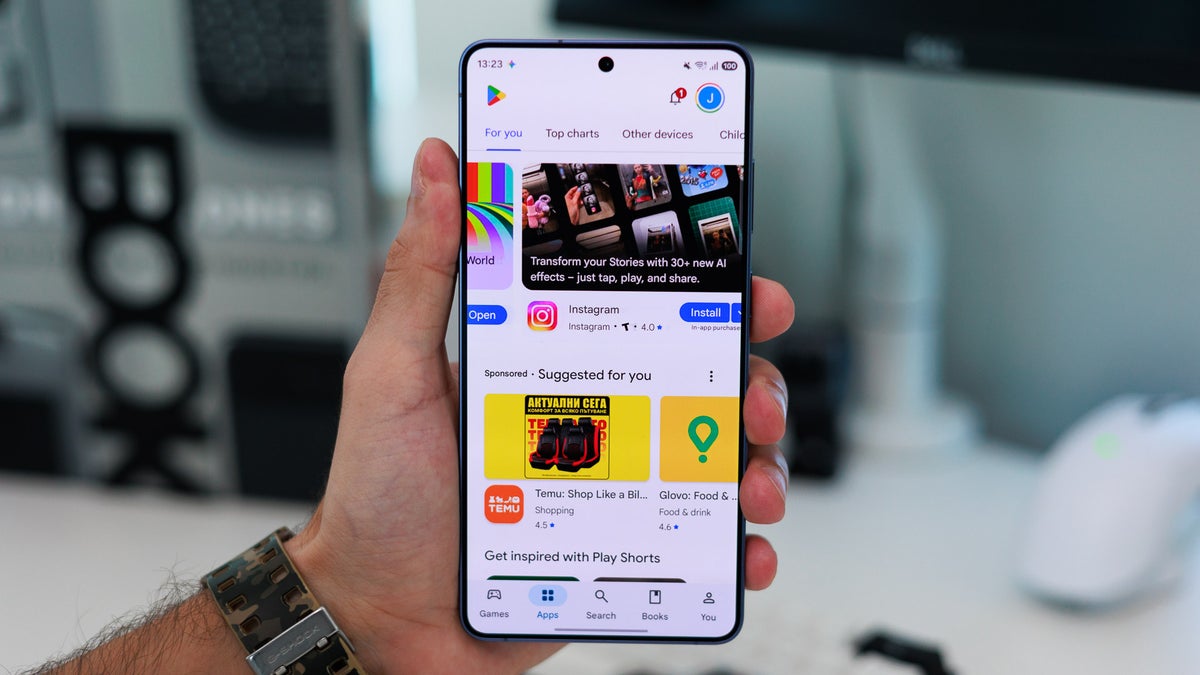
Google Play will host competing app storefronts directly within its platform, automatically porting all developer applications and game listings to these alternative stores for three years. Developers retain the option to manually opt out through Play Console, but the default is automatic distribution. This eliminates the previous requirement for users to sideload apps from external sources, making alternative app stores as accessible as Google Play itself. The change fundamentally shifts app discovery and distribution from Google's exclusive control to a competitive multi-store model within a single platform interface.
How much does it cost to operate a third-party app store under the new rules?
Third-party app store operators must pay a $5,000 annual fee to participate in Google's Play Catalog Access Program, which covers security and policy reviews. This fee applies per operator, not per app, making it economically viable for major technology companies like Microsoft and Samsung but potentially prohibitive for smaller competitors. The fee structure creates a compliance moat that protects established publishers while filtering out low-quality app store operators. Individual developers distributing through these alternative stores don't pay the $5,000 fee directly—that cost falls on the app store operator.