

Google Play Opens to Third-Party App Stores | Major Distribution Shift for Mobile App Sellers
- Google settles Epic Games lawsuit, enabling alternative app stores starting July 2025-2026; creates $5,000 annual compliance fee structure and new distribution channels for app developers and digital product sellers







Overview
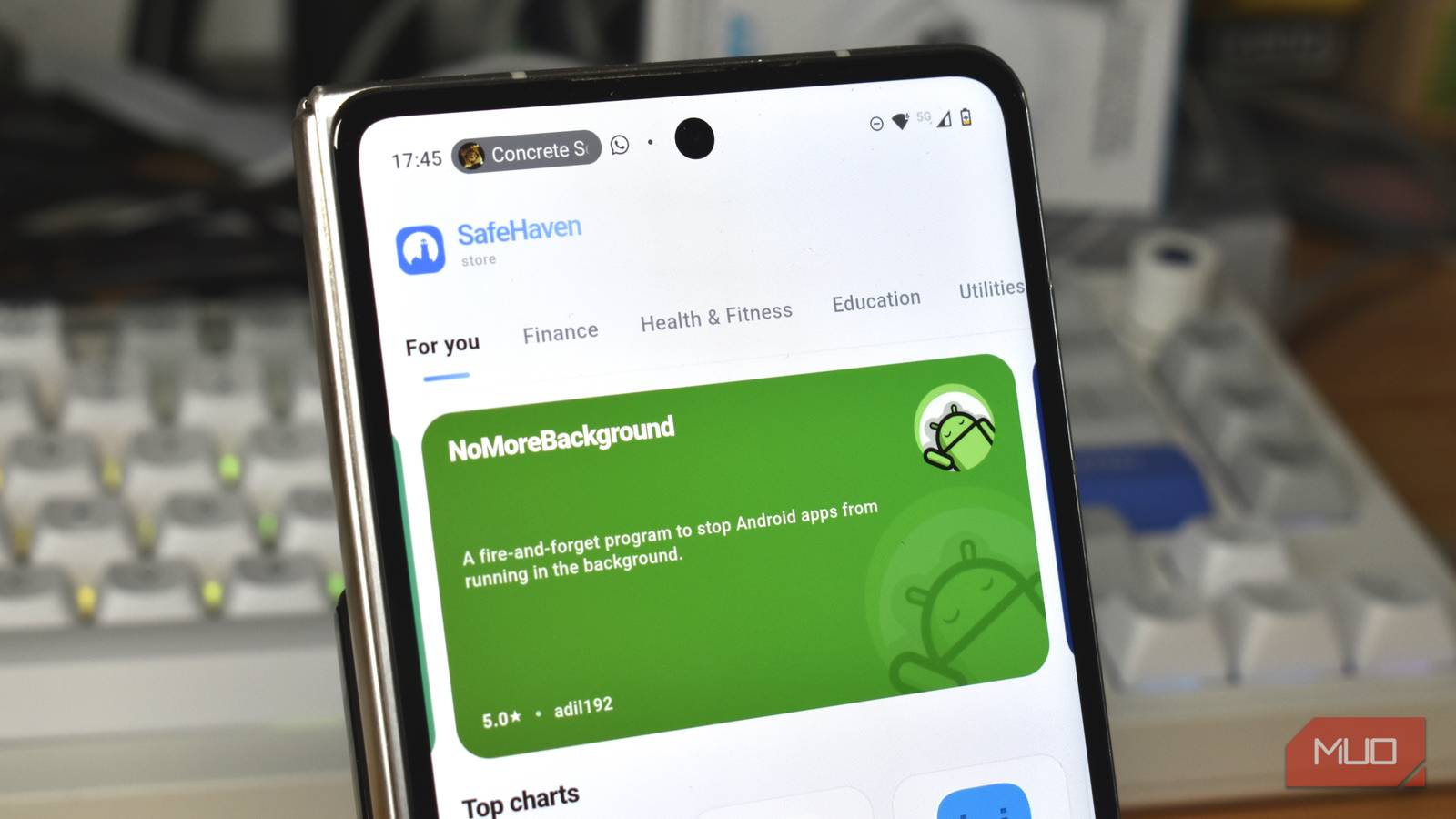
Google's landmark settlement with Epic Games fundamentally reshapes Android's app distribution ecosystem, opening Google Play to third-party app stores beginning July 22, 2025-2026. This six-year antitrust battle, originating from Epic's 2020 Fortnite V-Bucks dispute over Google's 30% commission policy, results in court-mandated remedies that democratize app access beyond Google's monopolistic control. Under the Play Catalog Access Program, alternative U.S.-based app stores gain default access to Google's full app catalog, though developers retain opt-out rights. The operational framework requires third-party stores to pay $5,000 annually for security reviews, maintain malware detection standards (maximum 1% infection rate), and comply with intellectual property protections.
For app-based sellers and digital product merchants, this settlement creates three critical opportunities: First, reduced platform dependency—developers can now distribute through multiple storefronts, lowering reliance on Google's 30% commission structure and enabling direct consumer relationships. Second, lower market entry barriers—emerging app stores can compete on features, pricing, and curation rather than network effects alone, creating opportunities for niche app marketplaces targeting specific demographics (gaming, productivity, regional markets). Third, commission arbitrage potential—alternative stores may undercut Google's 30% rate, directly improving margins for app developers and digital product sellers.
The competitive landscape shifts dramatically. Amazon Appstore, Samsung Galaxy Store, and emerging independent platforms now have legitimate pathways to scale beyond sideloading friction. This mirrors regulatory precedent in EU (Digital Markets Act) and signals accelerating antitrust enforcement against Apple's App Store, creating parallel opportunities across iOS and Android ecosystems. For sellers, the immediate impact centers on app monetization strategy: developers must evaluate multi-store distribution, optimize listings for alternative platforms' discovery algorithms, and potentially adjust pricing strategies to compete across fragmented marketplaces.
Regional implications heavily favor U.S. sellers initially—the settlement explicitly requires U.S.-based registered organizations, limiting immediate international expansion. However, EU regulatory pressure suggests similar mandates will follow, creating a 12-18 month window for sellers to establish presence across multiple stores before market saturation. The $5,000 annual compliance fee represents a modest barrier compared to traditional app store gatekeeping, making this accessible to mid-market app developers (100K-1M annual users) previously locked out of premium distribution channels.
Questions 8
How much does it cost to operate a third-party app store under Google's new program?
Third-party app stores must pay $5,000 annually to Google for security reviews and compliance certification through the Play Catalog Access Program. This one-time annual fee is significantly lower than traditional app store infrastructure costs (typically $50K-200K annually for security, payment processing, and customer support). The fee structure makes it economically viable for mid-market operators to launch competing stores, though they must be U.S.-based registered organizations and maintain malware detection standards (maximum 1% infection rate for removal).
What does Google's settlement with Epic Games mean for app developers selling on Android?
Google must allow third-party app stores to access its full Play Store catalog starting July 2025-2026, eliminating the previous requirement for sideloading. App developers gain multiple distribution channels beyond Google Play, reducing their dependence on a single 30% commission platform. This directly mirrors the Epic v. Apple case, signaling broader antitrust enforcement against app store gatekeeping. Developers can now negotiate better commission rates with alternative stores like Amazon Appstore or emerging competitors, potentially increasing net revenue by 10-20% depending on store mix.