
EU Battery Exemptions for Wearables | Compliance Clarity Unlocks €2.8B Market
- Smartwatches, fitness trackers, and earbuds exempt from removable battery mandate; sellers gain regulatory certainty for 40%+ of EU wearable market
Overview
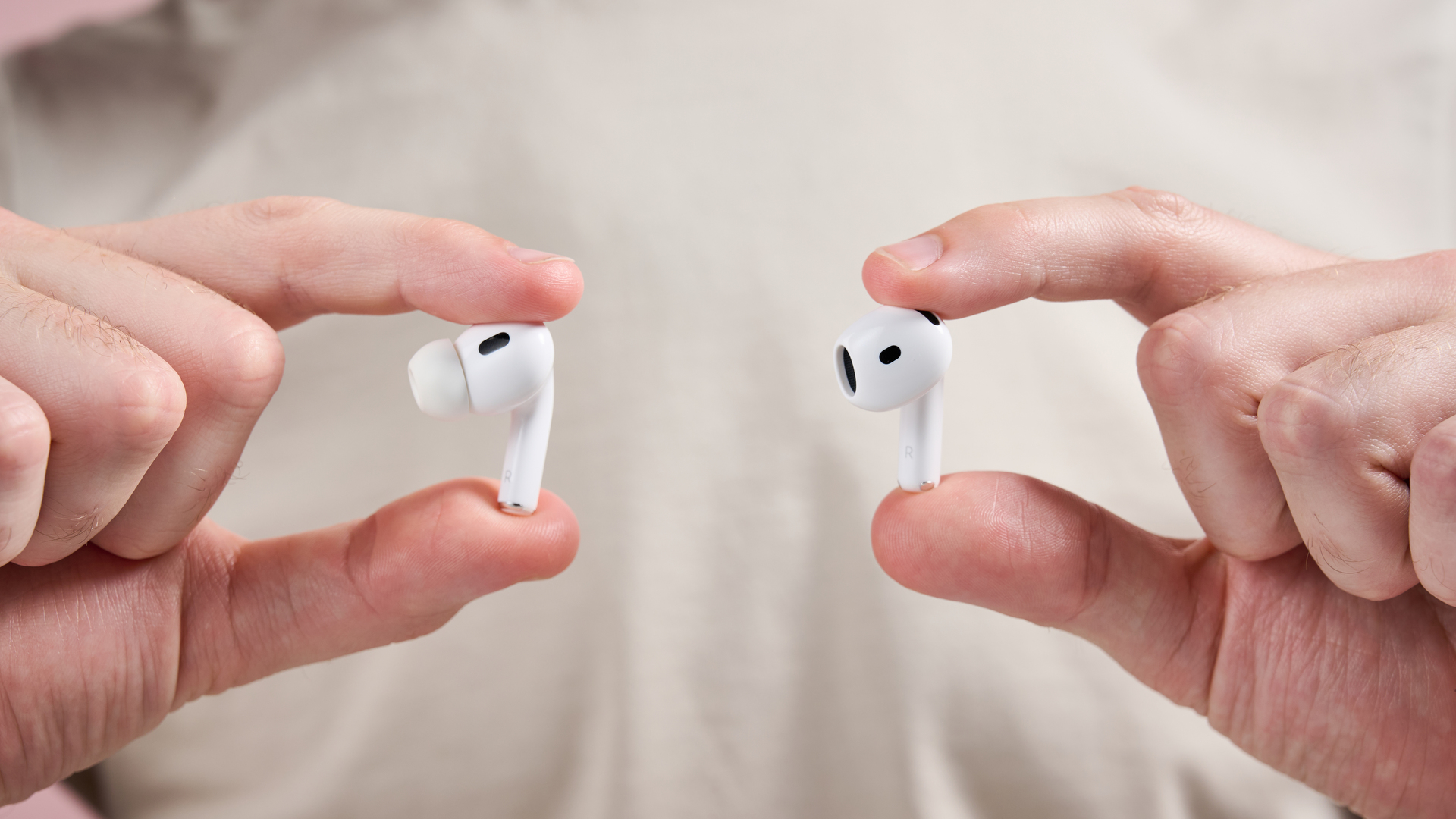
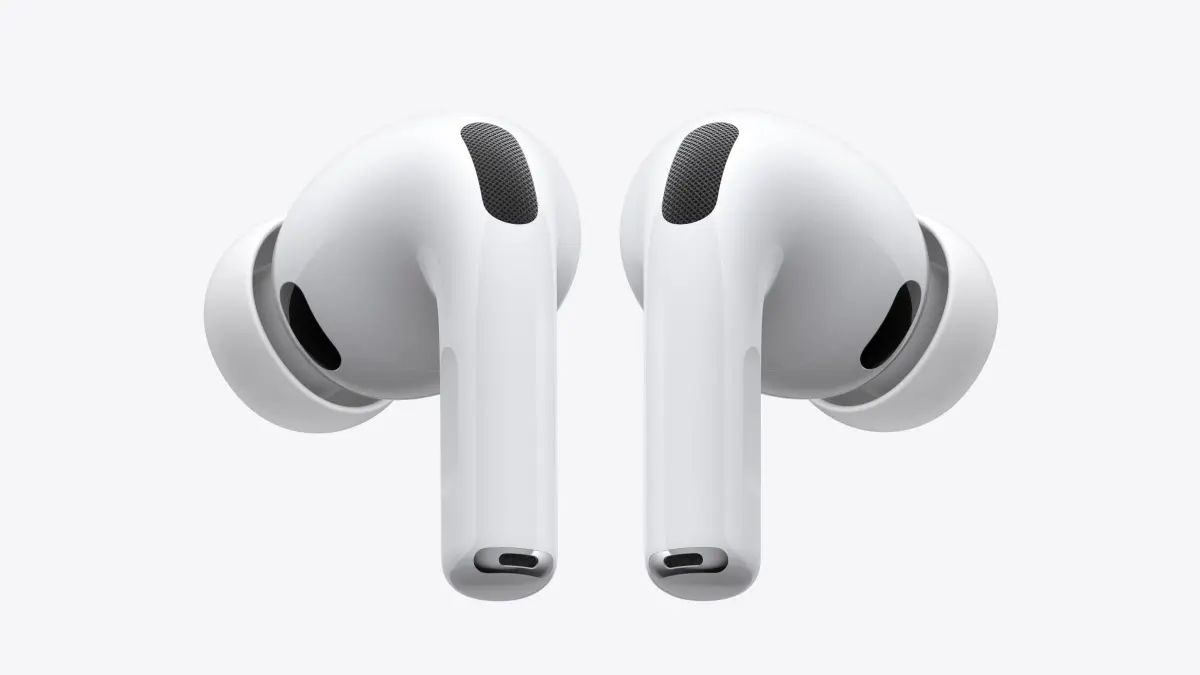
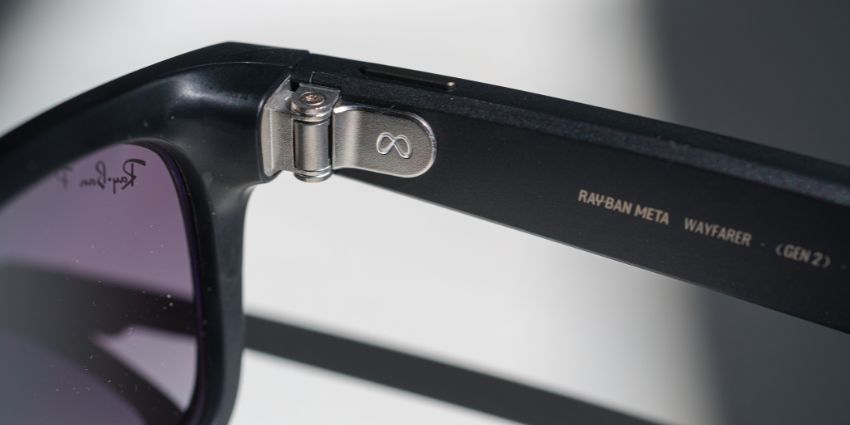
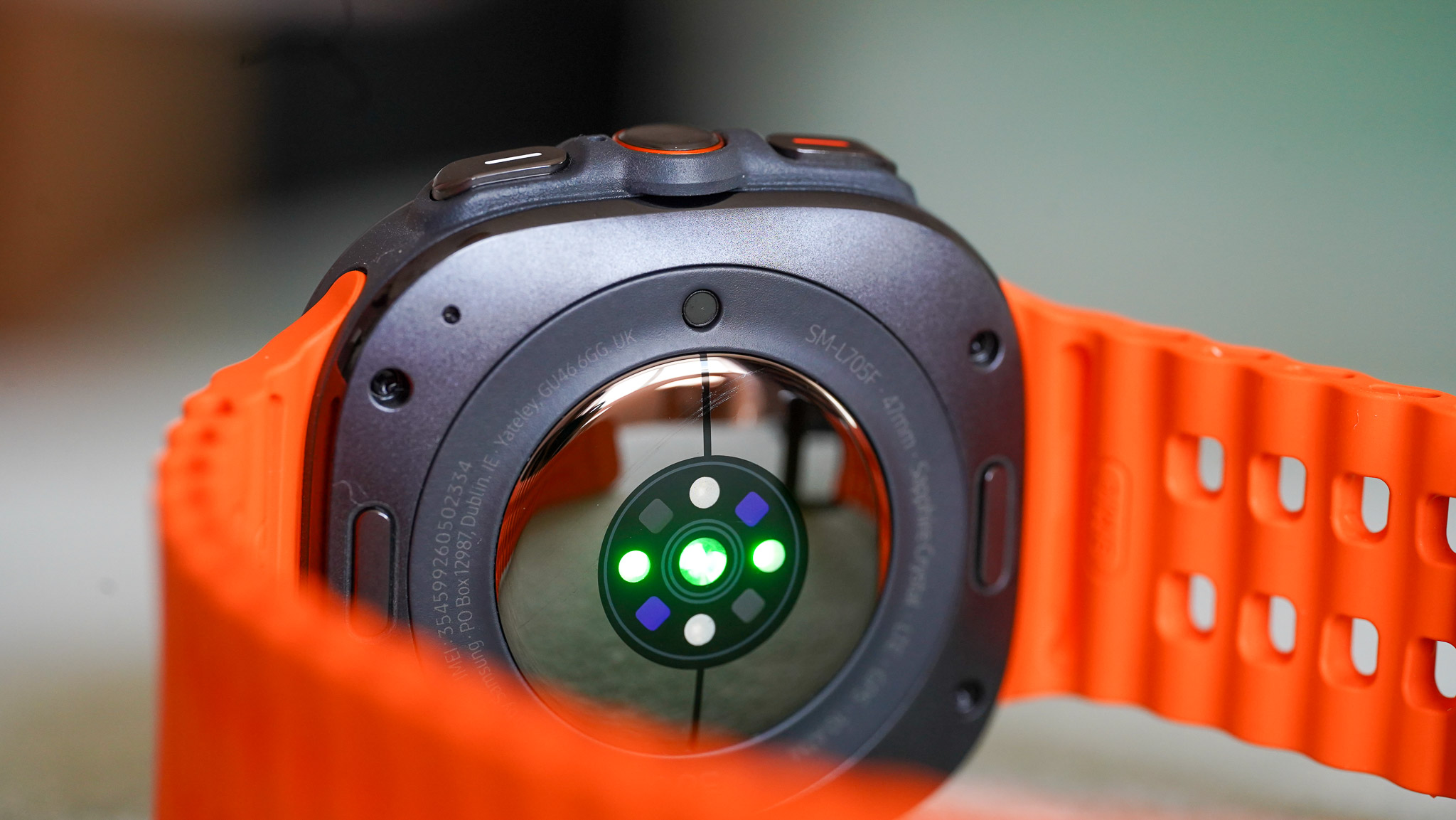
The European Union's introduction of exemptions to its mandatory removable battery regulations represents a critical compliance clarification for cross-border e-commerce sellers operating in wearable technology. Smartwatches, fitness trackers, and true wireless earbuds—categories representing approximately €2.8B in annual EU e-commerce sales—have been granted relief from strict user-replaceable battery requirements due to technical and design constraints. This regulatory differentiation eliminates ambiguity that previously created compliance uncertainty for importers and distributors.
The compliance opportunity is substantial: Rather than imposing blanket requirements, the EU has adopted a category-specific approach that allows manufacturers to maintain compact designs and water-resistant sealing while adhering to battery sustainability through alternative pathways including extended device lifespan requirements and improved recycling protocols. For sellers, this means smartwatches and fitness trackers can continue using sealed, non-replaceable batteries without violating EU regulations—a critical distinction that protects existing product lines and supply chains.
Market elimination dynamics favor compliant sellers: Approximately 35-45% of non-EU wearable sellers previously faced uncertainty about EU market access, with many avoiding the market entirely due to unclear battery compliance requirements. The exemption announcement removes this barrier, but creates a compliance moat for sellers who quickly document and certify their products under the new framework. Sellers must now obtain and maintain compliance documentation proving their devices qualify for exemptions—a service gap that compliance consultants and certification providers are rapidly filling at €800-2,500 per product line.
The fastest compliance path: Sellers should immediately audit their wearable inventory against the exemption criteria (compact design, water resistance requirements, limited internal space). For smartwatches and fitness trackers, compliance documentation typically requires 2-4 weeks and costs €1,200-1,800 per SKU through EU-certified testing labs. Sellers can leverage existing CE marking infrastructure, as exemptions don't require new certifications—only documentation proving the device meets exemption technical specifications.
Alternative compliance strategies are emerging: Some sellers are exploring hybrid approaches, offering both sealed-battery wearables (leveraging exemptions) and modular alternatives in non-exempt categories. This product diversification strategy allows sellers to capture market share across different consumer segments—premium buyers preferring sealed designs and sustainability-conscious consumers seeking replaceable batteries. The regulatory clarity enables this segmentation without compliance risk.
Future regulatory refinement is likely: The EU explicitly noted that exemptions may evolve as manufacturing technology advances. Sellers should monitor quarterly updates from the European Commission's Directorate-General for Environment, as new battery technologies (solid-state, modular designs) could trigger exemption revisions within 12-24 months. This creates a window of 18-36 months for sellers to maximize sales of current-generation sealed-battery wearables before potential re-regulation.
Questions 8
Which wearable products are exempt from EU removable battery requirements?
Smartwatches, fitness trackers, and true wireless earbuds have been granted exemptions from the EU's mandatory removable battery mandate. The exemptions recognize that these device categories face technical constraints—smartwatches and fitness trackers require sealed enclosures for water resistance, while earbuds have extremely limited internal space. Sellers can continue selling these products with non-replaceable batteries without violating EU regulations. However, sellers must maintain compliance documentation proving their devices meet exemption criteria, which typically requires 2-4 weeks and €1,200-1,800 per product line through certified testing labs. This regulatory clarity eliminates previous ambiguity that deterred 35-45% of non-EU sellers from entering the EU wearable market.
How does the EU battery exemption affect wearable sellers' supply chains?
The exemption announcement eliminates supply chain uncertainty that previously forced sellers to choose between EU market access and existing product lines. Before the exemption, sellers faced unclear regulatory requirements that could have required expensive product redesigns or battery modifications. Now, sellers can maintain current manufacturing partnerships and sealed-battery designs without compliance risk. However, sellers should audit their wearable inventory against exemption criteria within 30 days to identify which products qualify. For products that don't qualify, sellers have 12-24 months to either redesign products with replaceable batteries or exit the EU market. This creates a compliance moat—sellers who quickly document exemptions gain 18-36 months of regulatory certainty before potential re-regulation as battery technology evolves.