


FDA Vape Enforcement Uncertainty Creates Compliance Moat for Authorized Sellers
- July 2024 lawsuit challenges May 2026 guidance; 2M+ youth users drive regulatory volatility; authorized sellers gain 6-18 month competitive window






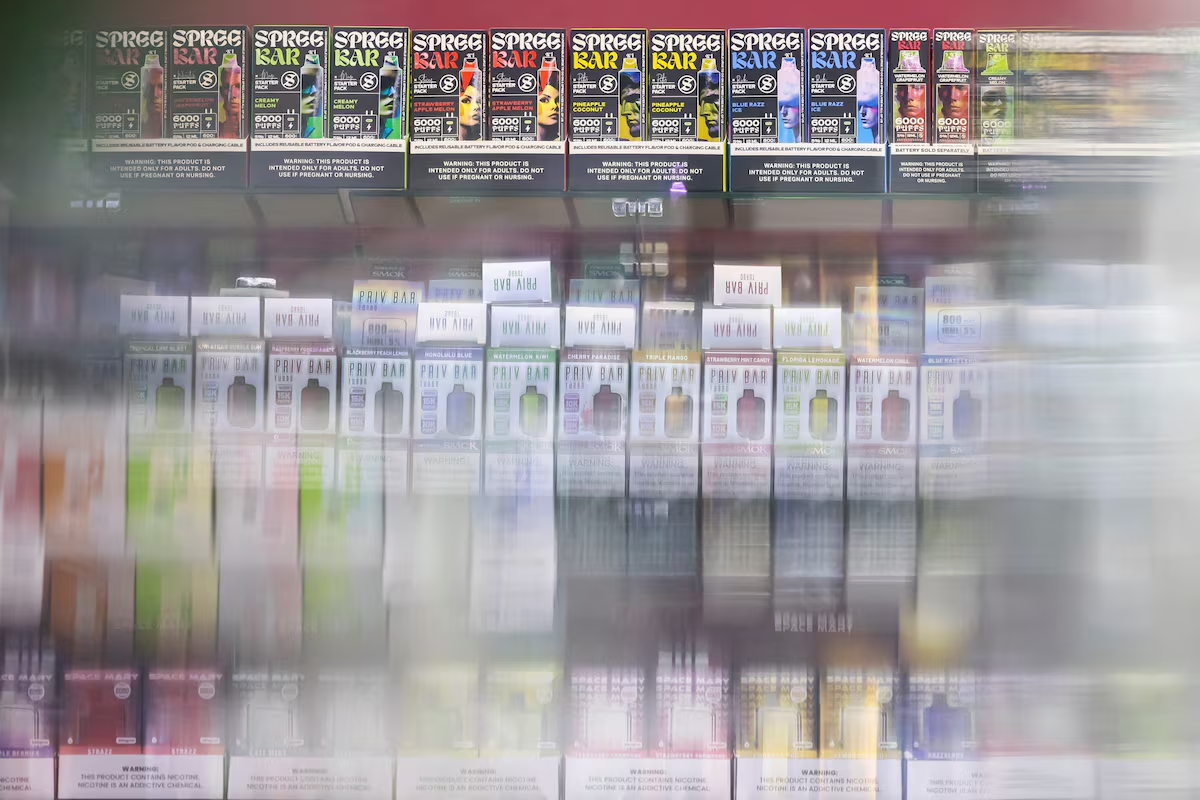


Overview
The FDA faces a landmark federal lawsuit challenging its May 2026 guidance that permits unauthorized vapes and nicotine pouches to remain on the market indefinitely, creating unprecedented regulatory uncertainty for e-commerce sellers. Filed July 14, 2024 by seven major health organizations (Campaign for Tobacco-Free Kids, American Academy of Pediatrics, American Cancer Society, American Heart Association, American Lung Association, Truth Initiative, and Parents Against Vaping e-Cigarettes), the lawsuit alleges the FDA violated the Tobacco Control Act by allowing manufacturers to avoid enforcement action once marketing applications are filed—a procedural loophole rather than scientific review. This regulatory volatility presents a critical compliance moat for sellers: authorized sellers with PMTA (Premarket Tobacco Application) approval can capture market share from non-compliant competitors during the 6-18 month litigation window before potential enforcement reversal.
The market context is substantial. According to the 2025 National Youth Tobacco Survey, over 2 million middle and high school students use tobacco products, with e-cigarettes and nicotine pouches being most common; approximately 90% of users chose flavored versions. This youth demand concentration creates a high-stakes enforcement environment. The lawsuit mirrors a 2017 FDA e-cigarette guidance that a federal judge struck down in 2019, establishing precedent that the FDA can exceed statutory authority—a pattern that increases litigation risk for the current May 2026 guidance.
For e-commerce sellers, this creates three distinct compliance tiers: (1) Authorized sellers with approved PMTAs face minimal enforcement risk and can aggressively market during the litigation period; (2) Sellers with filed-but-pending applications occupy a gray zone with moderate risk; (3) Unauthorized sellers face maximum exposure if the lawsuit succeeds and enforcement resumes. The FDA's directive to publish a list of unauthorized products it won't enforce against further complicates the landscape by creating a false sense of security for non-compliant sellers. Sellers on Amazon, eBay, and Shopify selling vapes or nicotine pouches must immediately verify PMTA status. Non-compliant sellers face potential account suspension, product removal, and liability exposure if enforcement reverses. The 6-18 month litigation timeline creates a temporary competitive advantage for compliant sellers to capture market share before regulatory clarity returns.
Questions 8
What is a PMTA and how long does FDA approval typically take?
A PMTA (Premarket Tobacco Application) is the FDA's required authorization for new tobacco products, including e-cigarettes and nicotine pouches. The approval process typically takes 12-24 months and requires extensive scientific data on product safety, manufacturing standards, and marketing claims. Approved PMTAs provide sellers with legal protection to market products on major platforms. Without PMTA approval, sellers face enforcement risk. The current litigation creates uncertainty about whether the FDA will enforce against non-approved products, but historical precedent (2017 guidance struck down in 2019) suggests enforcement will eventually resume.
What percentage of youth tobacco users prefer flavored products?
According to the 2025 National Youth Tobacco Survey, approximately 90% of youth tobacco users chose flavored versions of e-cigarettes and nicotine pouches. Over 2 million middle and high school students use tobacco products, with e-cigarettes and nicotine pouches being most common. This 90% flavored preference concentration is central to the lawsuit, as health groups argue the FDA's guidance enables tobacco industry targeting of youth by allowing flavored products to remain on the market. Sellers should note that flavor restrictions could be re-imposed if the lawsuit succeeds, making flavored inventory a high-risk category.