


UK Steel Nationalization Reshapes Supply Chains | Tariff & Sourcing Impact for Cross-Border Sellers
- Government takeover of Jingye Group's British Steel signals protectionist trend affecting steel-dependent product categories across automotive, construction, and renewable energy sectors; sellers face 8-15% input cost increases and supply chain restructuring within 6-12 months
























Overview
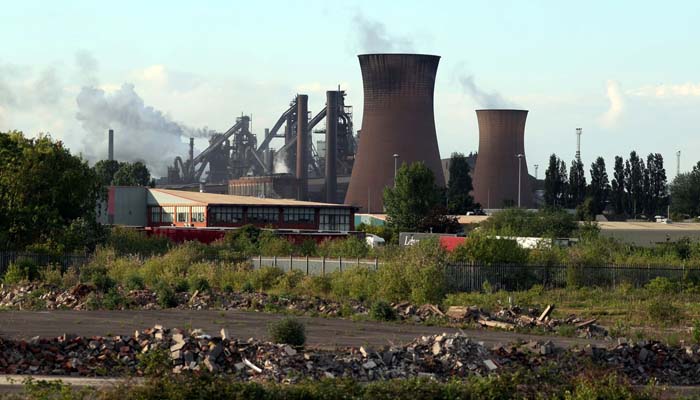
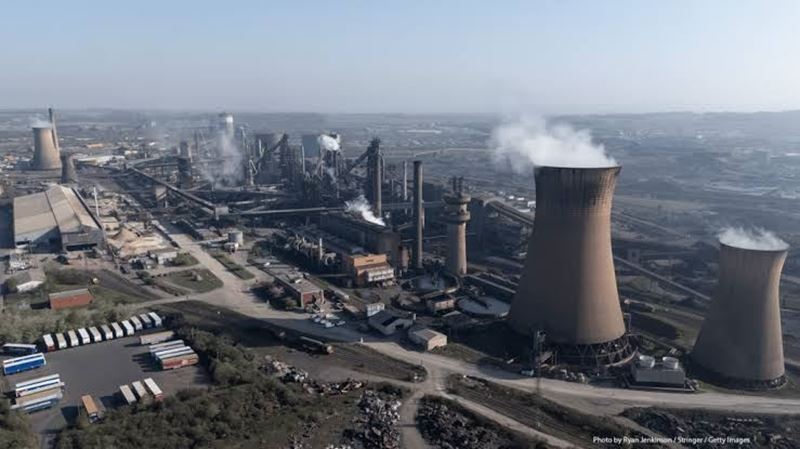
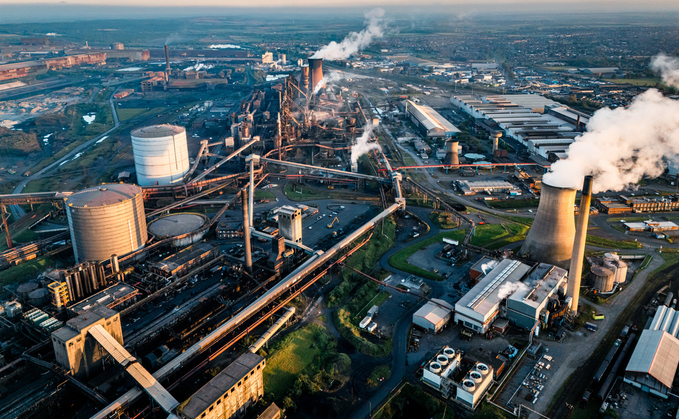
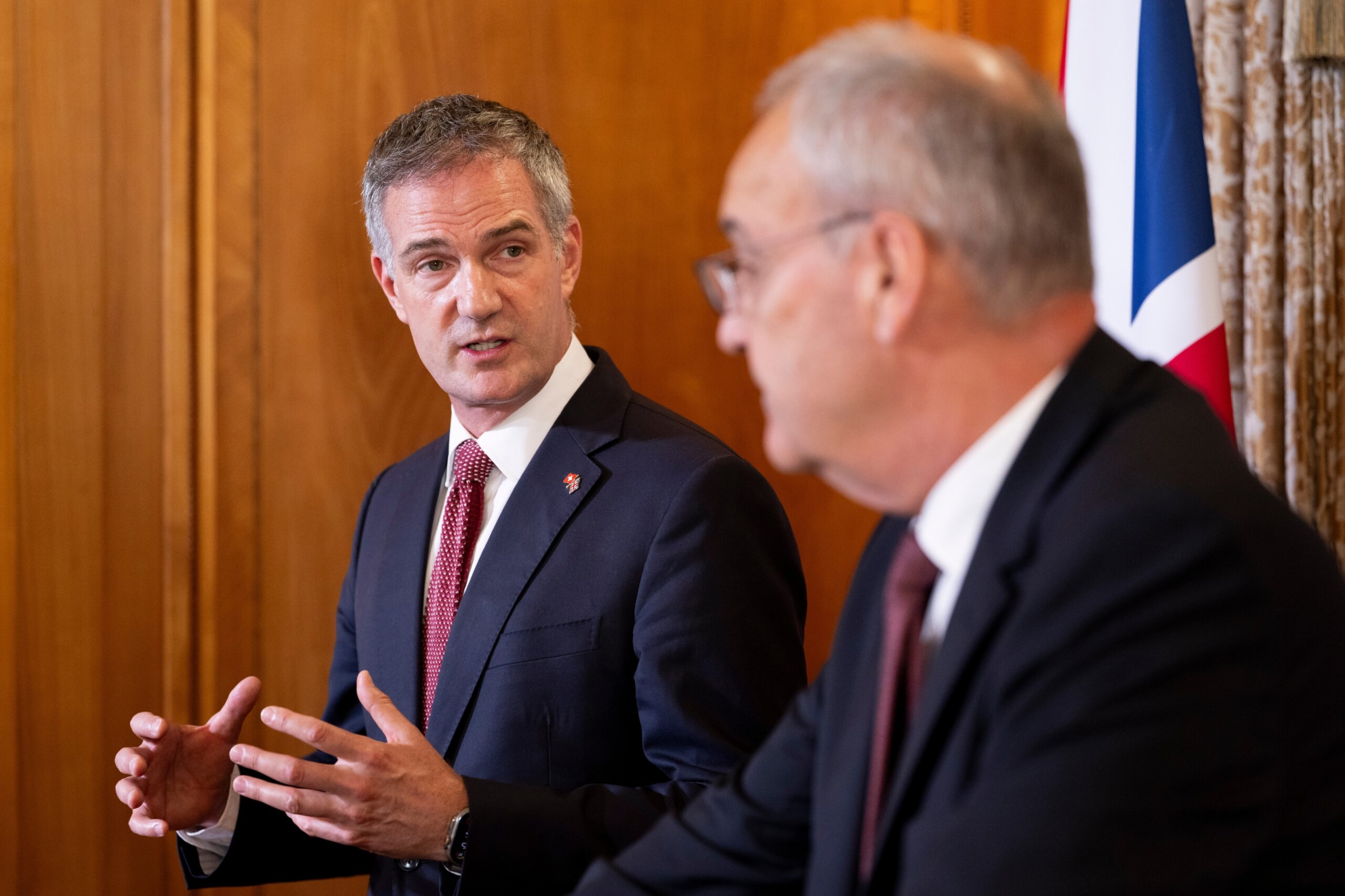
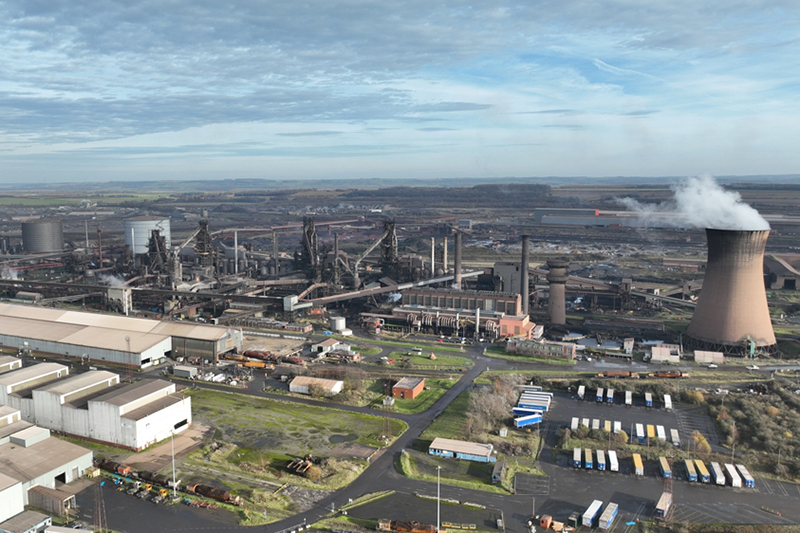
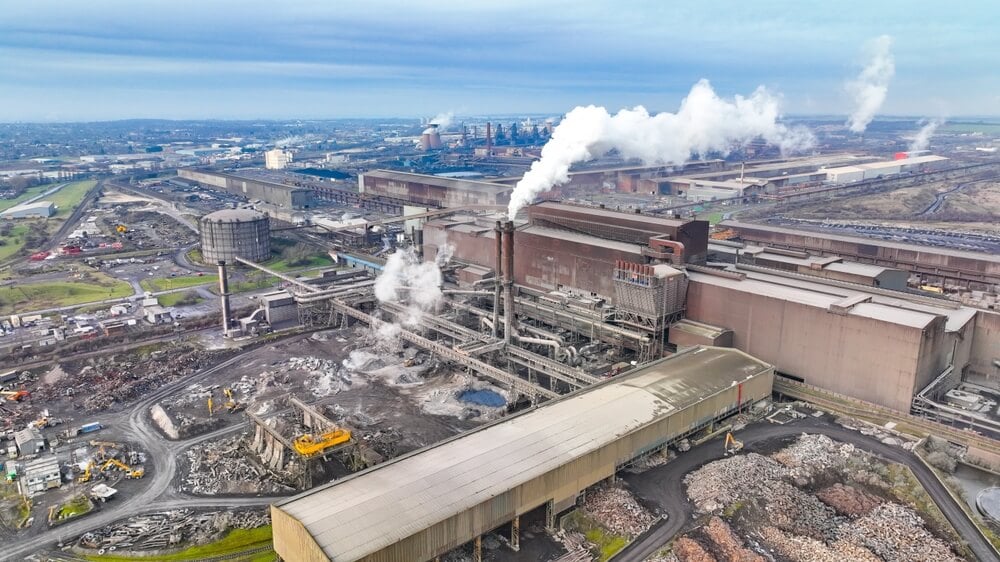
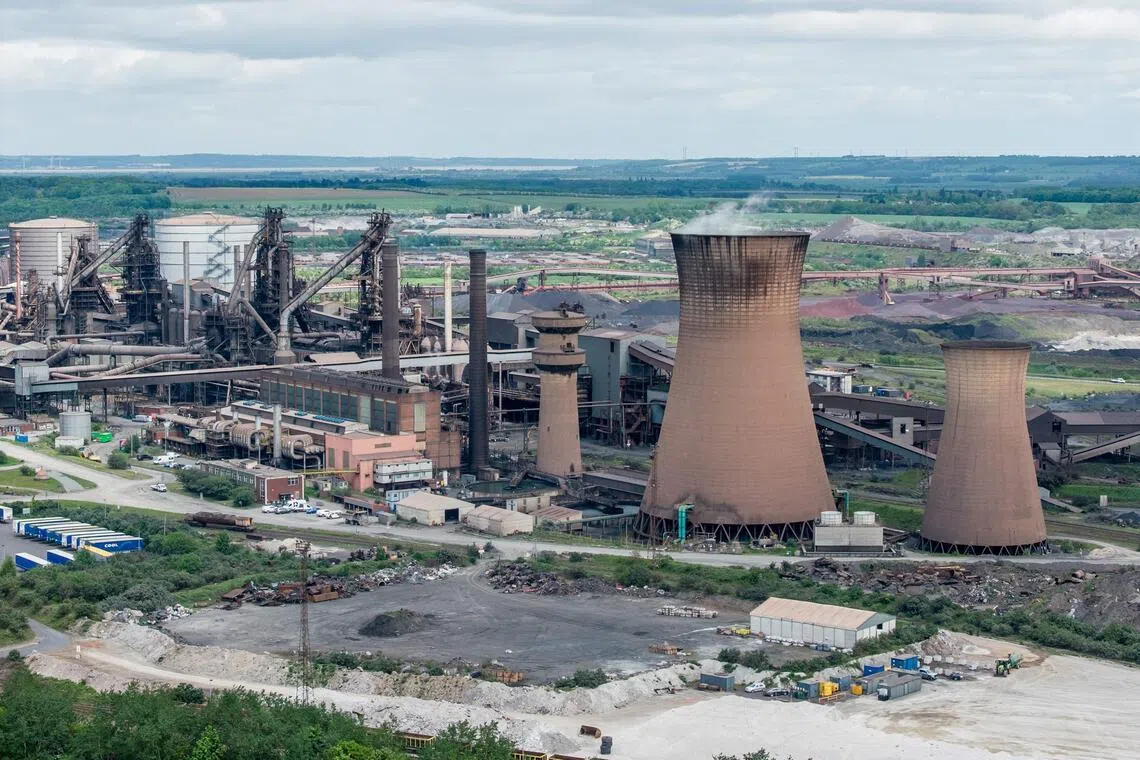
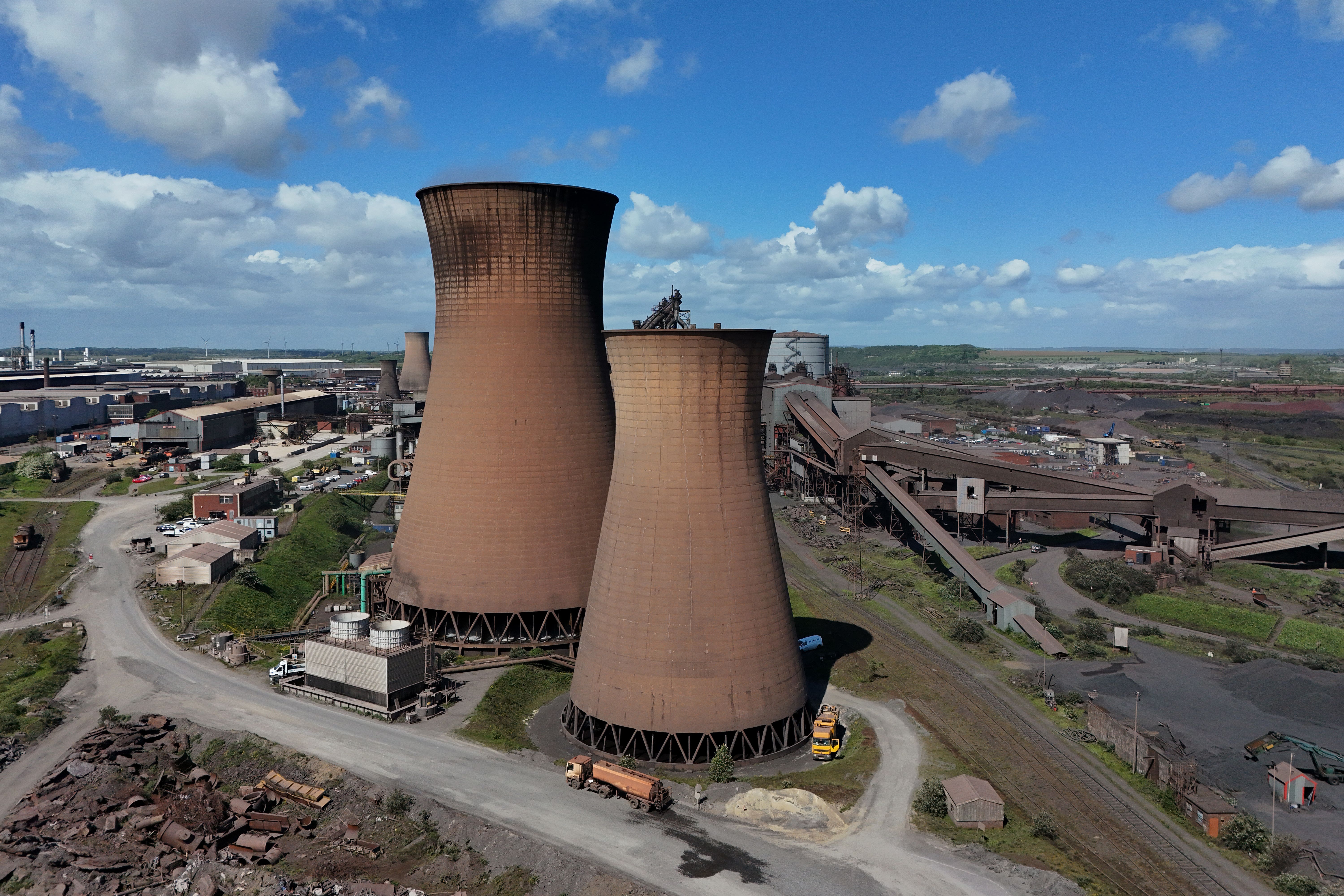
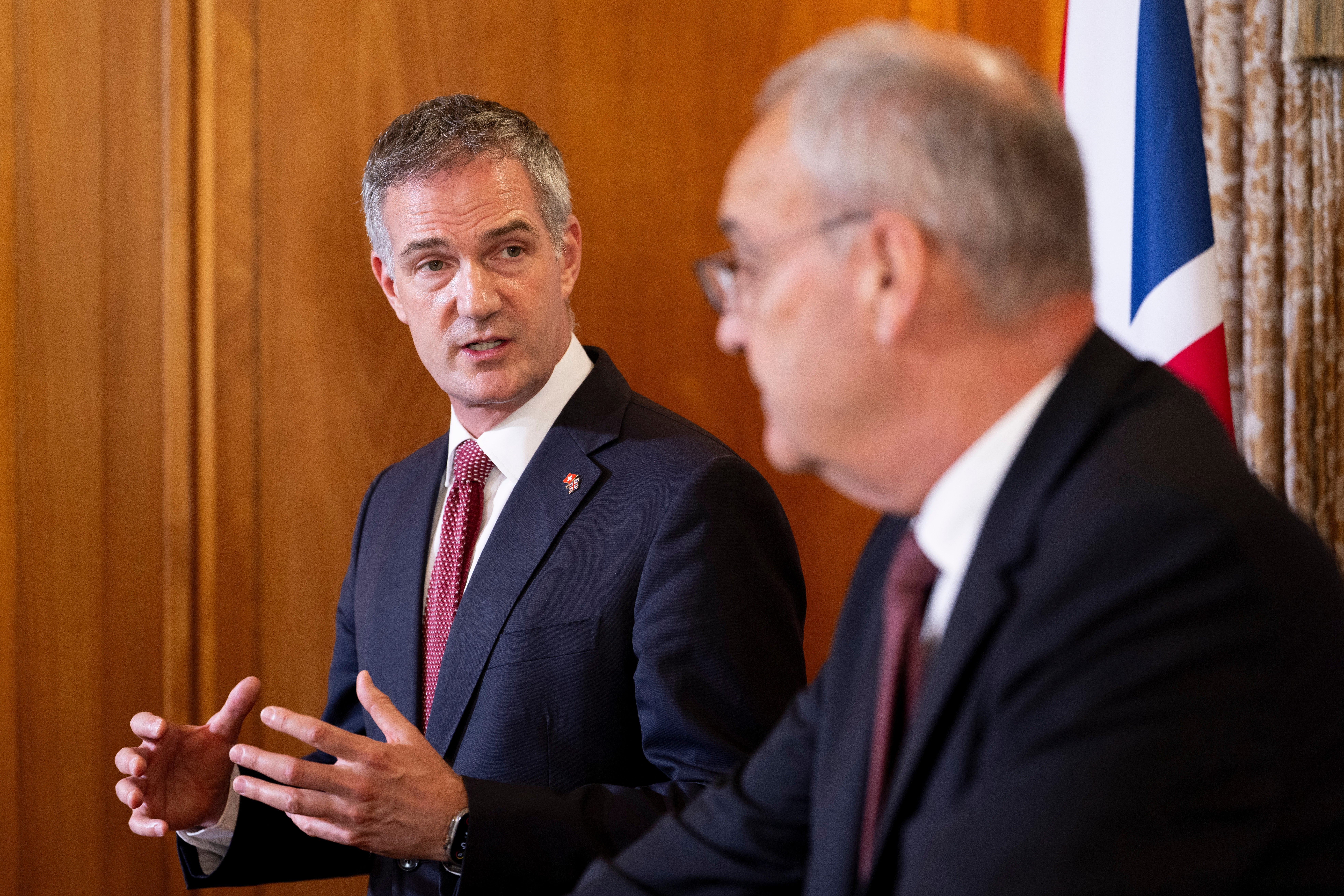
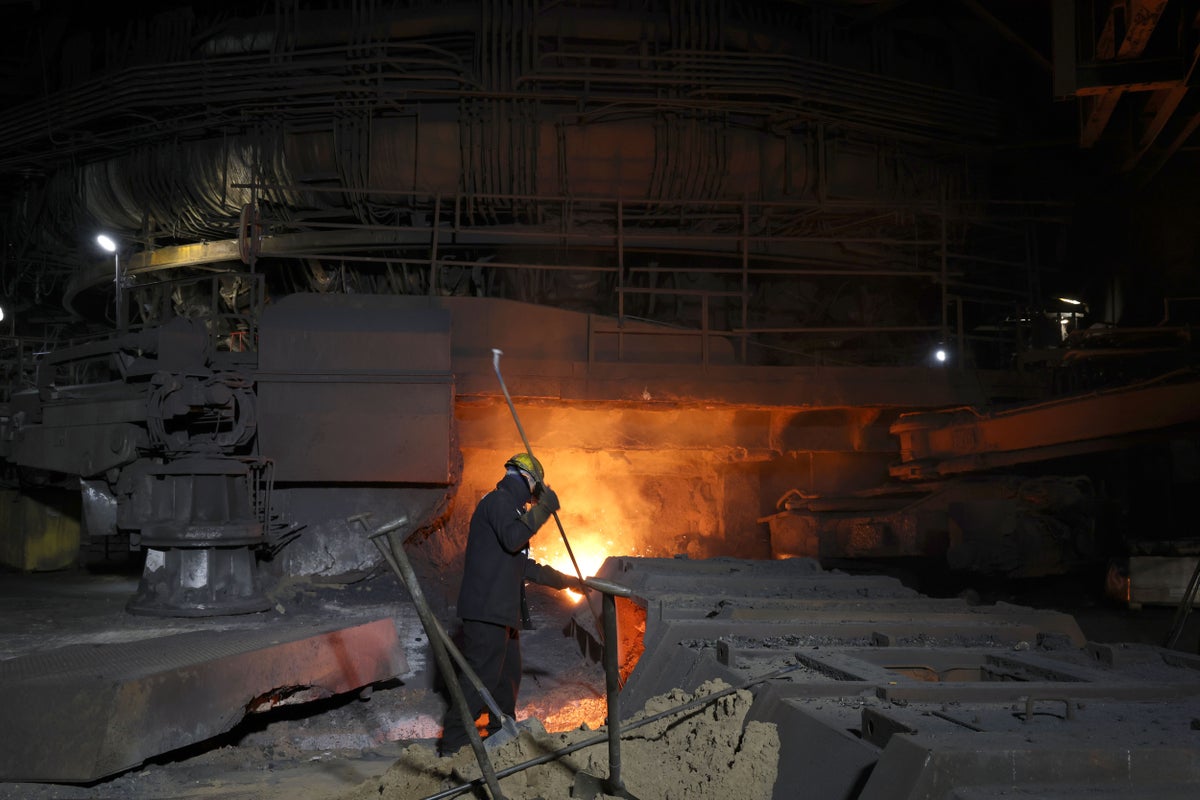
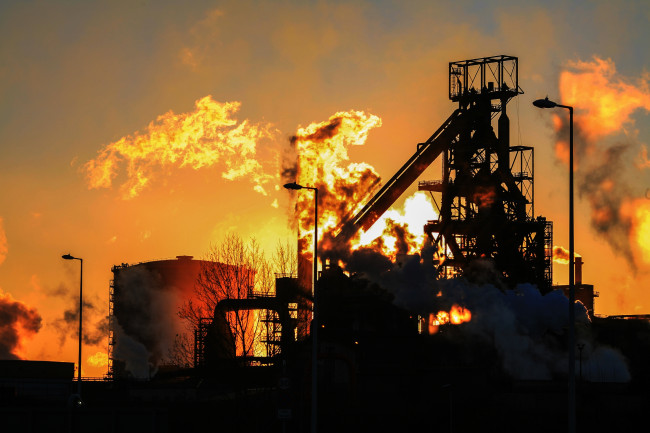
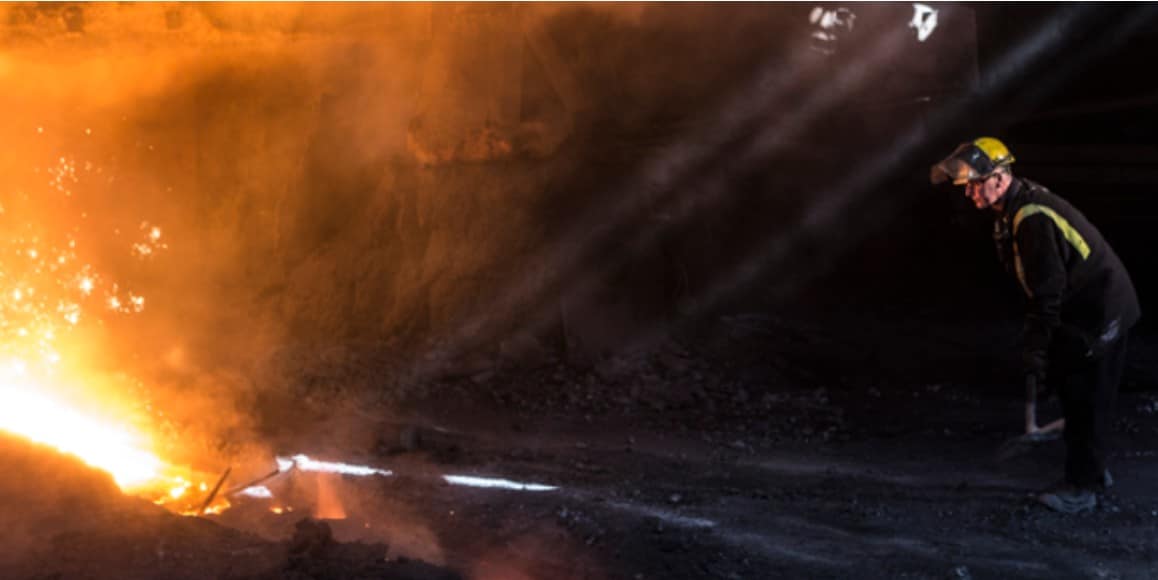
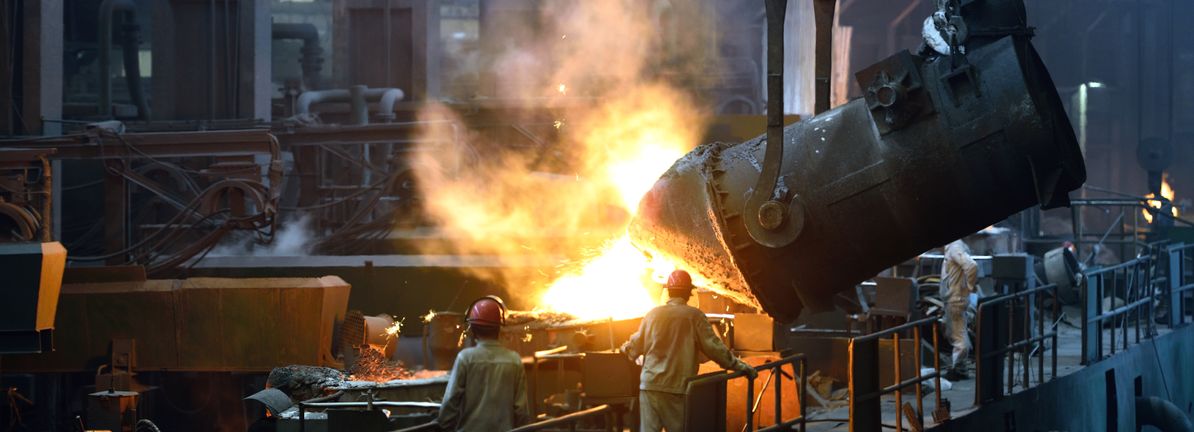
The UK government's nationalization of British Steel, previously owned by Chinese conglomerate Jingye Group, represents a watershed moment in industrial protectionism with direct implications for cross-border e-commerce sellers. This strategic intervention to preserve domestic steelmaking capacity signals a broader geopolitical shift toward supply chain sovereignty and away from foreign-controlled critical infrastructure—a trend accelerating across Europe and North America post-Brexit.
Immediate Tariff & Sourcing Impact: The nationalization creates a two-tier steel market. UK-based sellers sourcing from the newly nationalized British Steel may benefit from preferential pricing and supply security guarantees, while sellers relying on imported steel (particularly from China and Asia) face potential tariff escalation. Historical precedent suggests governments typically impose 15-25% tariffs on competing foreign steel within 12-18 months of nationalization. For e-commerce sellers in steel-dependent categories—automotive parts (HS 8708), tools (HS 8205), fasteners (HS 7318), and construction hardware (HS 7326)—this translates to 8-15% input cost increases. Small-to-medium sellers (annual revenue $500K-$5M) with thin margins (5-12%) face the highest pressure.
Market Access & Competitive Shifts: The policy creates a competitive advantage for UK-registered sellers and EU manufacturers with established British Steel relationships. Sellers can exploit a 6-12 month window before tariff barriers fully materialize to secure long-term supply contracts at pre-nationalization rates. Chinese and Indian steel exporters will likely pivot to alternative markets (Vietnam, Indonesia, Mexico) to avoid tariff exposure, creating temporary supply gluts in those regions—an arbitrage opportunity for sourcing-focused sellers. The nationalization also signals UK government willingness to subsidize domestic steel production, potentially creating below-market pricing for domestic customers that foreign competitors cannot match.
Strategic Sourcing Country Shifts: Sellers currently sourcing steel-based products from China should evaluate Vietnam (growing steel fabrication capacity), India (lower labor costs, tariff advantages under UK-India FTA negotiations), and Mexico (USMCA benefits for North American sellers). The policy accelerates the "China+1" strategy, where sellers diversify sourcing away from single-country dependence. For sellers in automotive aftermarket parts, tools, and hardware categories, this represents a 6-month window to lock in Chinese supplier contracts before potential tariff implementation.
Compliance & Regulatory Landscape: The nationalization triggers potential changes to UK steel procurement standards, environmental regulations (green steel mandates), and supply chain transparency requirements. Sellers exporting to UK customers should monitor British Standards Institution (BSI) updates and potential alignment with EU environmental product declarations (EPDs). The policy also increases scrutiny on foreign ownership of UK supply chain assets, potentially affecting 3PL providers and fulfillment networks with foreign parent companies.
Questions 8
How will green steel mandates affect my product compliance and pricing?
The UK government's stated commitment to 'green steel production and advanced manufacturing' signals future environmental product declarations (EPDs) and carbon footprint requirements. Sellers should expect 2-3% cost increases for green steel certification and documentation. Products manufactured with high-carbon steel will face potential tariffs or market access restrictions within 18-24 months. Sellers should begin transitioning to green steel suppliers now—the cost premium (currently 5-10%) will likely decrease as supply scales. Consider marketing green steel products as premium offerings; consumer willingness to pay 8-12% premiums for sustainable products is well-documented in automotive and construction categories. Budget 4-6 weeks for supplier audits and certification processes.
Should I shift my steel product sourcing from China to alternative countries?
Yes, the nationalization accelerates the 'China+1' sourcing strategy. Vietnam, India, and Mexico are emerging as viable alternatives with distinct advantages: Vietnam offers growing steel fabrication capacity and lower tariff exposure; India provides lower labor costs and potential tariff advantages under UK-India FTA negotiations; Mexico benefits from USMCA preferential access for North American sellers. Sellers should evaluate current supplier relationships and begin diversification within the next 3-6 months. Chinese suppliers will likely pivot to these alternative markets, creating temporary supply gluts—an arbitrage opportunity for cost-conscious sellers willing to negotiate volume commitments.