
Strait of Hormuz Blockade Triggers 5-15% Shipping Cost Surge for Cross-Border Sellers
- Maritime disruptions threaten Asia-to-Global supply chains; sellers face immediate fuel surcharges and extended transit times through 2025






Overview
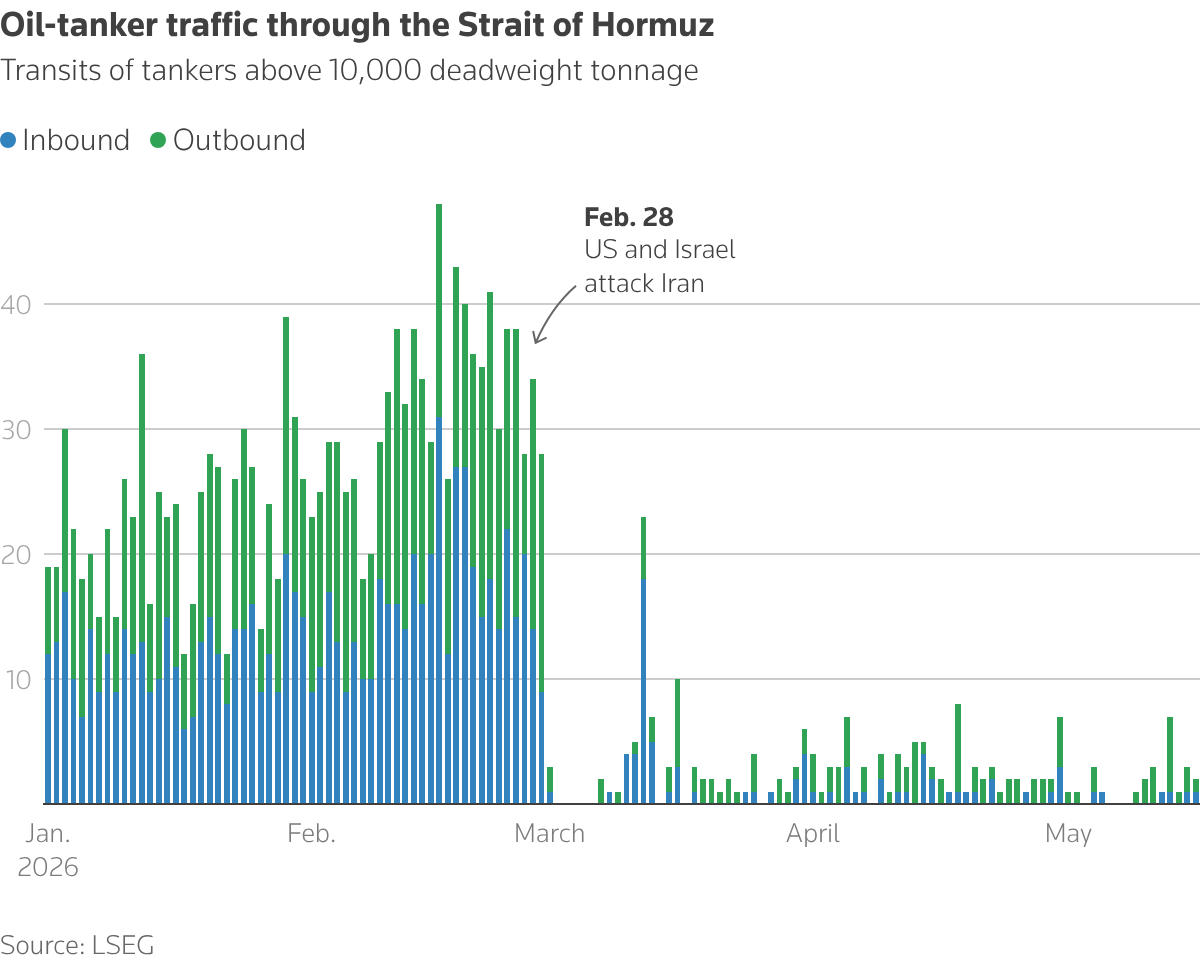
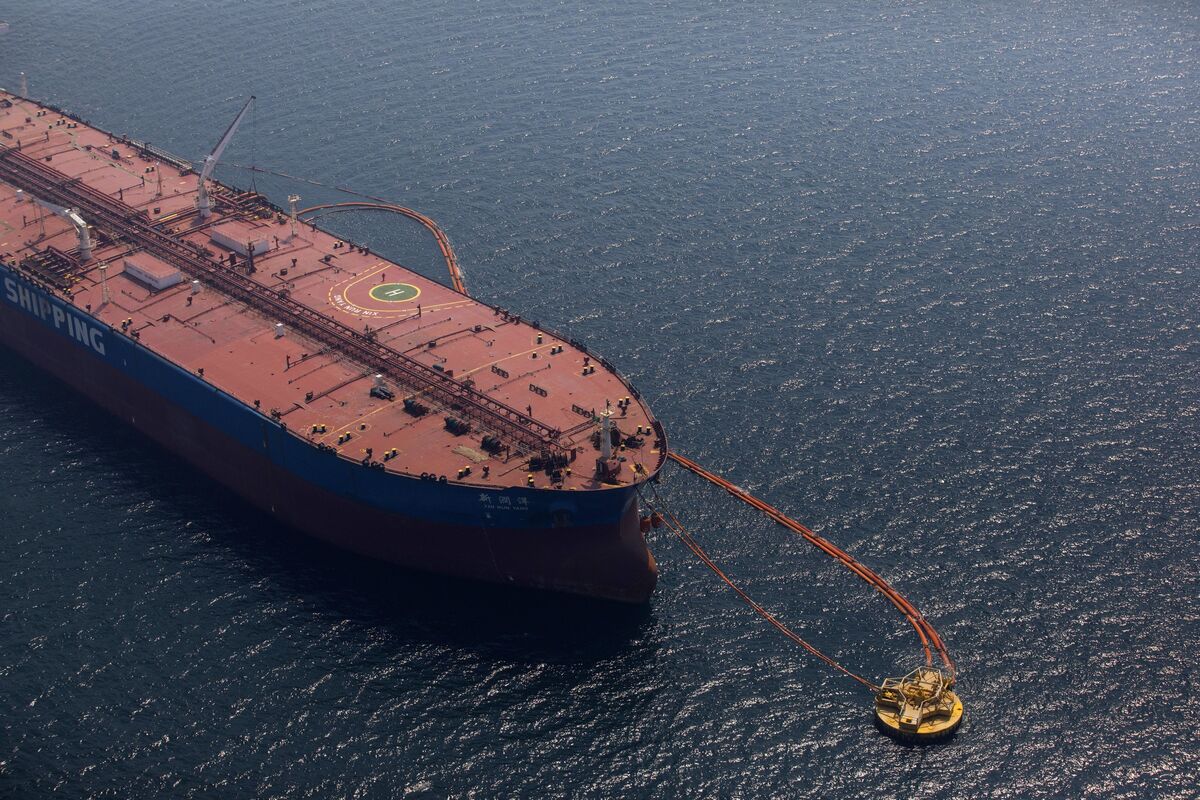
The Strait of Hormuz—handling approximately 21% of global petroleum trade—faces renewed geopolitical tensions following Trump administration policies and US Central Command blockade announcements, directly impacting cross-border e-commerce logistics. Oil shipments have declined toward pre-peace deal levels as military confrontations between the US and Iran escalate, creating immediate supply chain uncertainty for sellers dependent on maritime routes. The news reports indicate potential cost increases of 5-15% for sellers relying on maritime freight, with historical precedent showing 20-30% increases in maritime freight charges within weeks during similar crises.
For cross-border e-commerce sellers, this geopolitical development creates three critical operational challenges: First, increased shipping costs directly compress profit margins on international orders, particularly affecting sellers with tight margins or just-in-time inventory systems. Sellers importing goods from Asia or exporting to Middle Eastern markets face extended lead times and higher fuel surcharges on international freight. Second, the blockade threatens to disrupt global supply chains affecting product availability and delivery timelines—sellers dependent on Asian manufacturing face inventory depletion risks if transit times extend beyond 30-45 days. Third, oil price volatility directly affects logistics costs including shipping fees, fuel surcharges, and transportation expenses; sellers relying on air freight or expedited shipping face particular vulnerability to fuel price fluctuations.
Strategic implications vary by seller segment and sourcing geography: Small-to-medium sellers (SMBs) with limited cash reserves face the highest operational risk, as they cannot absorb 5-15% cost increases without reducing inventory or raising prices. Large sellers with diversified 3PL networks and fixed-rate shipping contracts maintain competitive advantages. Sellers importing from Vietnam, India, or Indonesia—which require Hormuz transit—face immediate cost pressures, while those sourcing from Mexico or nearshoring to Latin America experience relative cost stability. E-commerce platforms and logistics providers are adjusting surcharges based on energy market movements; sellers should anticipate platform-level fuel surcharge increases within 2-4 weeks if tensions sustain.
Immediate mitigation strategies include: Negotiating fixed-rate shipping contracts with 3PL providers before surcharges escalate (actionable within 7-14 days); diversifying sourcing away from Asia-dependent supply chains toward nearshoring alternatives; and adjusting product pricing to account for potential fuel cost increases. Sellers should monitor Hormuz developments closely through Bloomberg energy reports and USMCA shipping indices, as sustained supply disruptions could trigger broader inflationary pressures affecting shipping rates globally throughout 2025. The situation remains fluid with potential for further escalation affecting global trade patterns and shipping economics.
Questions 8
How much will Strait of Hormuz disruptions increase my shipping costs?
Cross-border sellers face potential cost increases of 5-15% depending on shipping lanes and cargo types, with historical precedent showing 20-30% increases in maritime freight charges within weeks during similar crises. Sellers importing from Asia or exporting to Middle Eastern markets experience the highest impact. The news reports indicate oil shipments have declined toward pre-peace deal levels following the US blockade announcement, directly triggering fuel surcharges. Sellers should contact their 3PL providers immediately to lock in fixed-rate contracts before surcharges escalate further within 7-14 days.
How should I adjust pricing to account for Hormuz-driven shipping cost increases?
Calculate your current shipping cost as a percentage of product price, then model 5-15% increases to determine pricing adjustments needed to maintain margins. For example, if shipping represents 8% of a $50 product cost, a 10% fuel surcharge adds $0.40 per unit. Sellers should implement dynamic pricing strategies through Amazon Seller Central, eBay, or Shopify to adjust prices based on real-time shipping costs. The news reports indicate e-commerce platforms and logistics providers are adjusting surcharges based on energy market movements, so expect platform-level increases within 2-4 weeks. Monitor Bloomberg energy reports and adjust pricing proactively before competitors capture market share.