



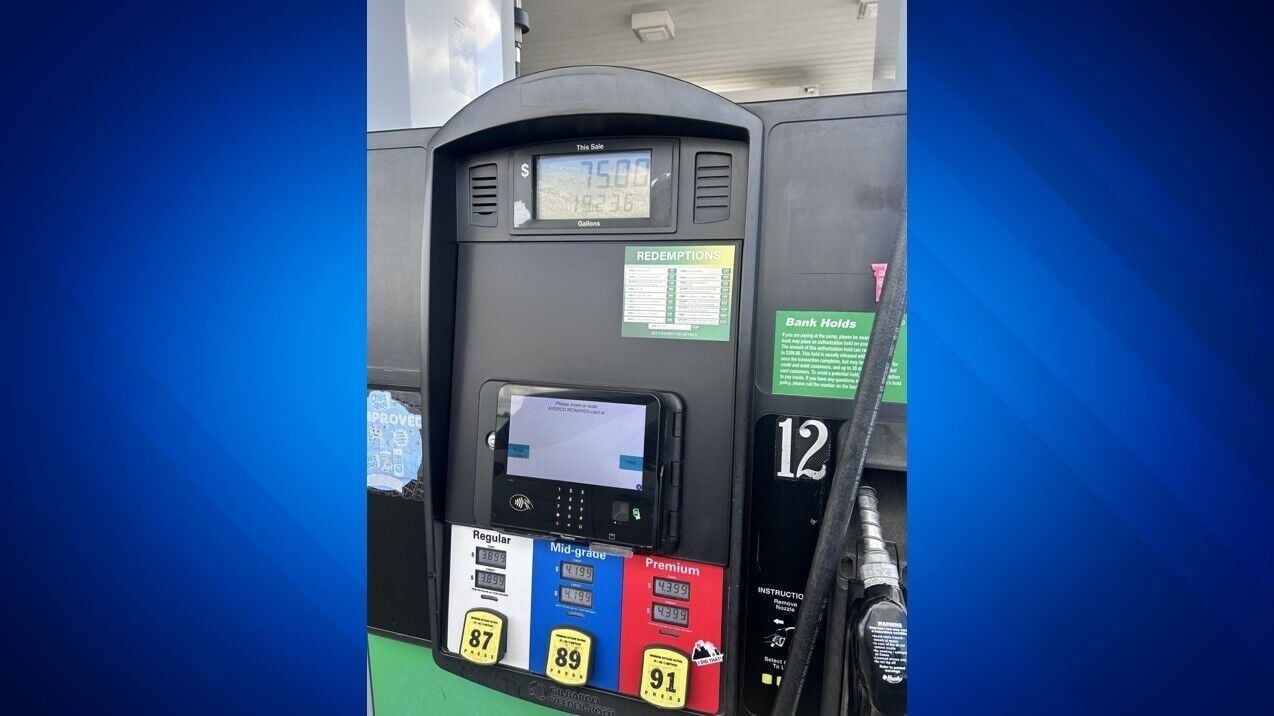

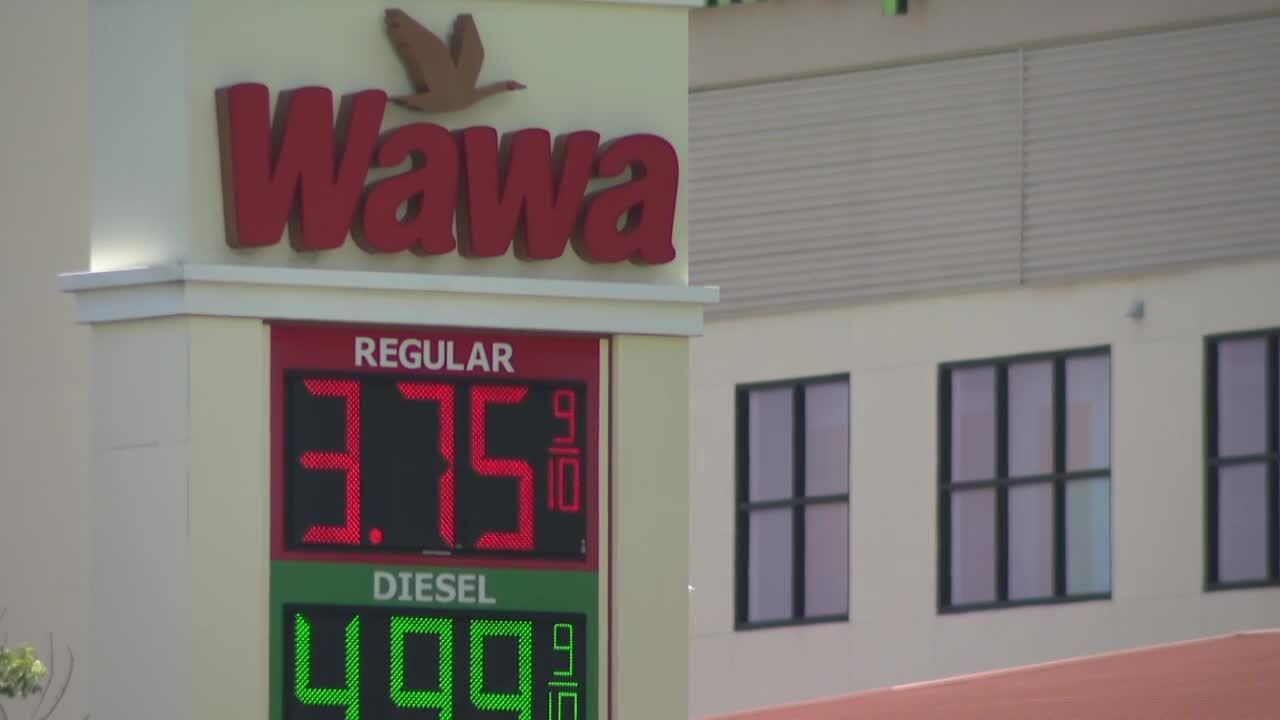
Diesel Prices Hit $5/Gallon | Critical Cost Surge for E-Commerce Sellers
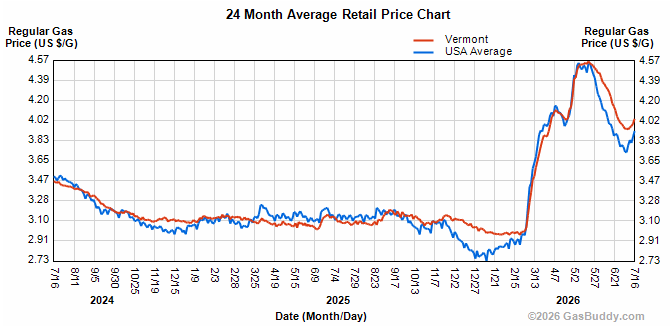
- Fuel costs up 33% since Iran tensions; FBA sellers face 8-15% shipping cost increases; immediate pricing strategy adjustments required







Overview
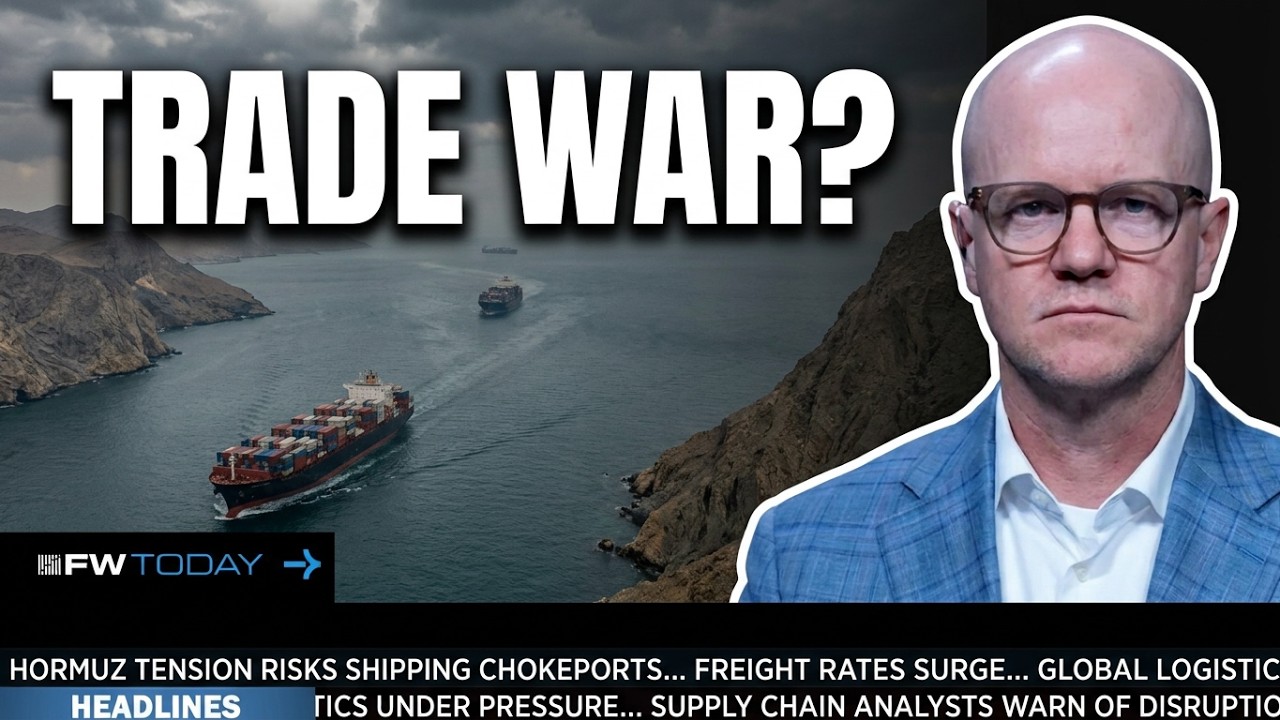
Diesel fuel prices have surged to $5+ per gallon, representing a 33% increase since geopolitical tensions with Iran escalated, creating immediate operational cost pressures across the e-commerce logistics ecosystem. This commodity price shock directly impacts Amazon FBA sellers, Shopify merchants, and eBay vendors who depend on ground transportation for inventory movement, last-mile delivery, and warehouse operations. The price surge affects three critical seller cost centers: (1) Inbound logistics - moving inventory from suppliers to FBA warehouses and 3PL fulfillment centers; (2) Last-mile delivery - carrier surcharges from FedEx, UPS, and Amazon Logistics that typically pass through to sellers within 30-60 days; (3) Warehouse operations - material handling equipment, forklift operations, and facility transportation costs at fulfillment centers.
For Amazon FBA sellers specifically, the impact manifests through increased fulfillment fees and storage costs. Sellers shipping 1,000+ units monthly to FBA warehouses face 8-12% cost increases on inbound logistics, while those using 3PL providers experience similar pressures. UPS and FedEx historically implement fuel surcharges when diesel exceeds $3.50/gallon; at $5+, surcharges typically reach 12-18% of base shipping rates. This translates to $150-400 monthly cost increases for mid-sized sellers (10,000-50,000 monthly units). Domestic sellers relying on ground transportation (apparel, home goods, electronics categories) face steeper impacts than those using air freight or international shipping corridors, where fuel represents a smaller cost component.
The competitive advantage shifts toward sellers with three characteristics: (1) Established 3PL relationships offering volume discounts that absorb fuel surcharges; (2) Direct-to-consumer (DTC) models via Shopify that control pricing without marketplace fee compression; (3) Sellers in high-margin categories (electronics, beauty, luxury goods) with 40%+ gross margins that can absorb 5-8% cost increases without margin compression. Conversely, low-margin categories (apparel, home goods, basic electronics) operating on 15-25% margins face severe pressure—a 10% logistics cost increase compresses margins by 40-67% of profit. Small sellers (under 5,000 monthly units) lack negotiating power with carriers and 3PLs, making them most vulnerable to surcharge pass-through.
The timeline for impact is immediate to 30 days. Carriers typically implement fuel surcharges within 2-4 weeks of sustained price increases. Amazon's fulfillment fee structure adjusts quarterly (Jan/Apr/Jul/Oct), but 3PL and carrier surcharges hit sellers immediately. Strategic responses include: (1) Repricing inventory on Amazon, eBay, and Shopify within 7-14 days to offset 3-5% of cost increases; (2) Shifting sourcing from distant suppliers to regional warehouses to reduce inbound transportation distance; (3) Consolidating shipments to FBA in larger, less-frequent batches to reduce per-unit logistics costs; (4) Evaluating alternative fulfillment models (hybrid FBA/FBM, regional 3PLs) to reduce ground transportation dependency. Sellers should monitor carrier announcements (FedEx, UPS, Amazon Logistics) for official surcharge implementations and adjust pricing strategies before surcharges hit their P&L.
Questions 8
What geopolitical factors could extend elevated diesel prices beyond 6 months?
Iran tensions, OPEC production decisions, and refinery capacity constraints typically sustain elevated fuel prices for 3-12 months. Historical precedent: the 2022 Russia-Ukraine conflict drove diesel prices 40-50% higher for 18+ months. Monitor geopolitical news and OPEC announcements for signals of sustained supply constraints. If tensions escalate further, budget for 12+ months of elevated fuel costs rather than temporary spikes. Consider locking in shipping rates with carriers for 6-month contracts to hedge against further increases, though this requires volume commitments of 500+ monthly shipments.
Which e-commerce categories are most vulnerable to fuel cost increases?
Low-margin, heavy categories face the steepest impact: apparel (15-20% margins), home goods (18-25% margins), and basic electronics (20-30% margins) operate with limited pricing flexibility. High-margin categories—beauty (40-50% margins), electronics accessories (35-45% margins), and luxury goods (50%+ margins)—can absorb 5-8% cost increases without severe margin compression. Sellers in low-margin categories must reprice inventory immediately or shift to higher-margin product lines. Ground-transportation-dependent sellers (domestic US shipping) face 2-3x greater impact than air-freight or international sellers.