



Fresh Produce Supply Chain Crisis | Sellers Face Urgent Sourcing & Inventory Shifts
- 4,300+ cyclosporiasis cases linked to Taylor Farms lettuce; 34 states affected; immediate supplier diversification and inventory repositioning required for food/beverage sellers














Overview
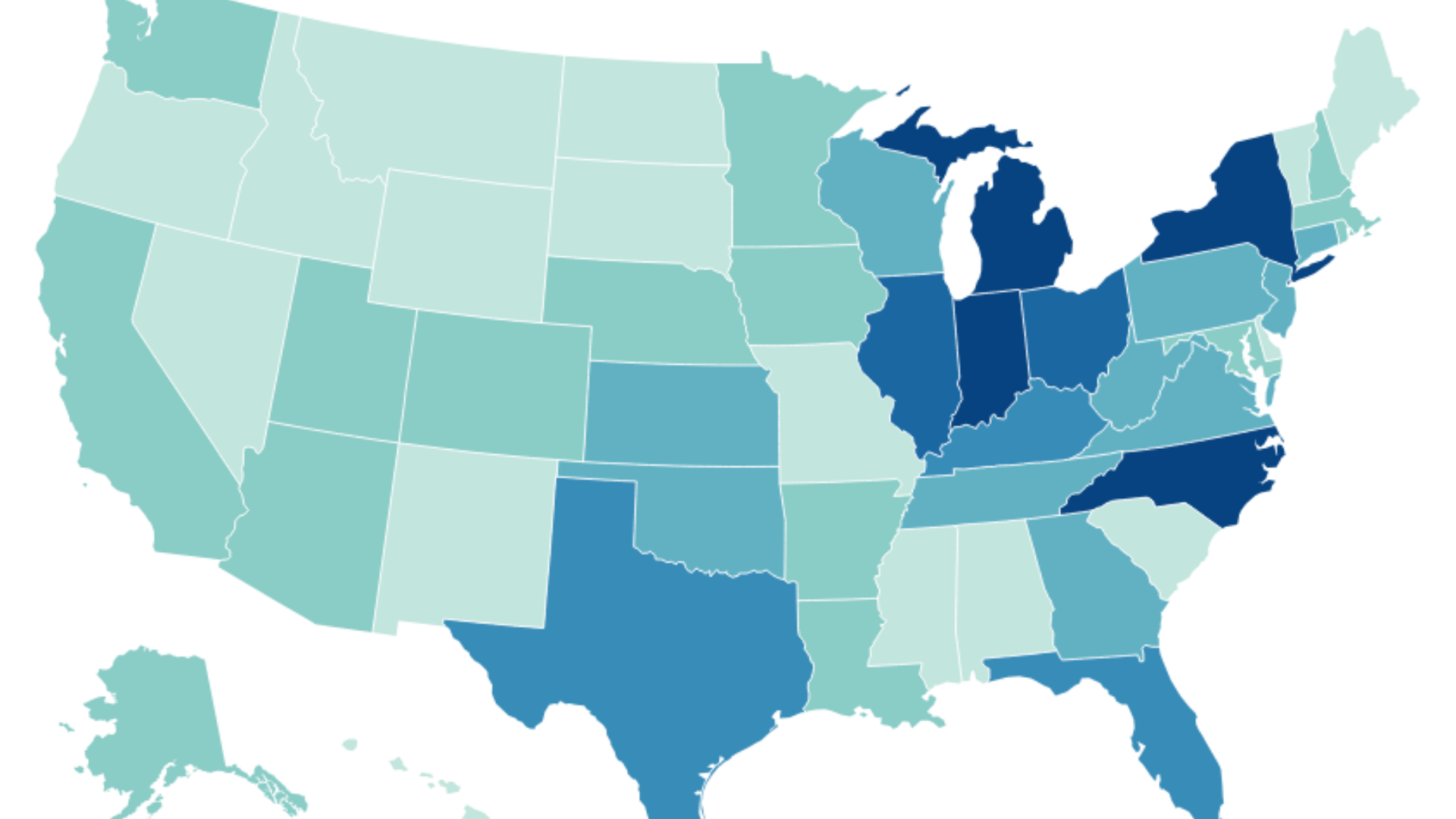
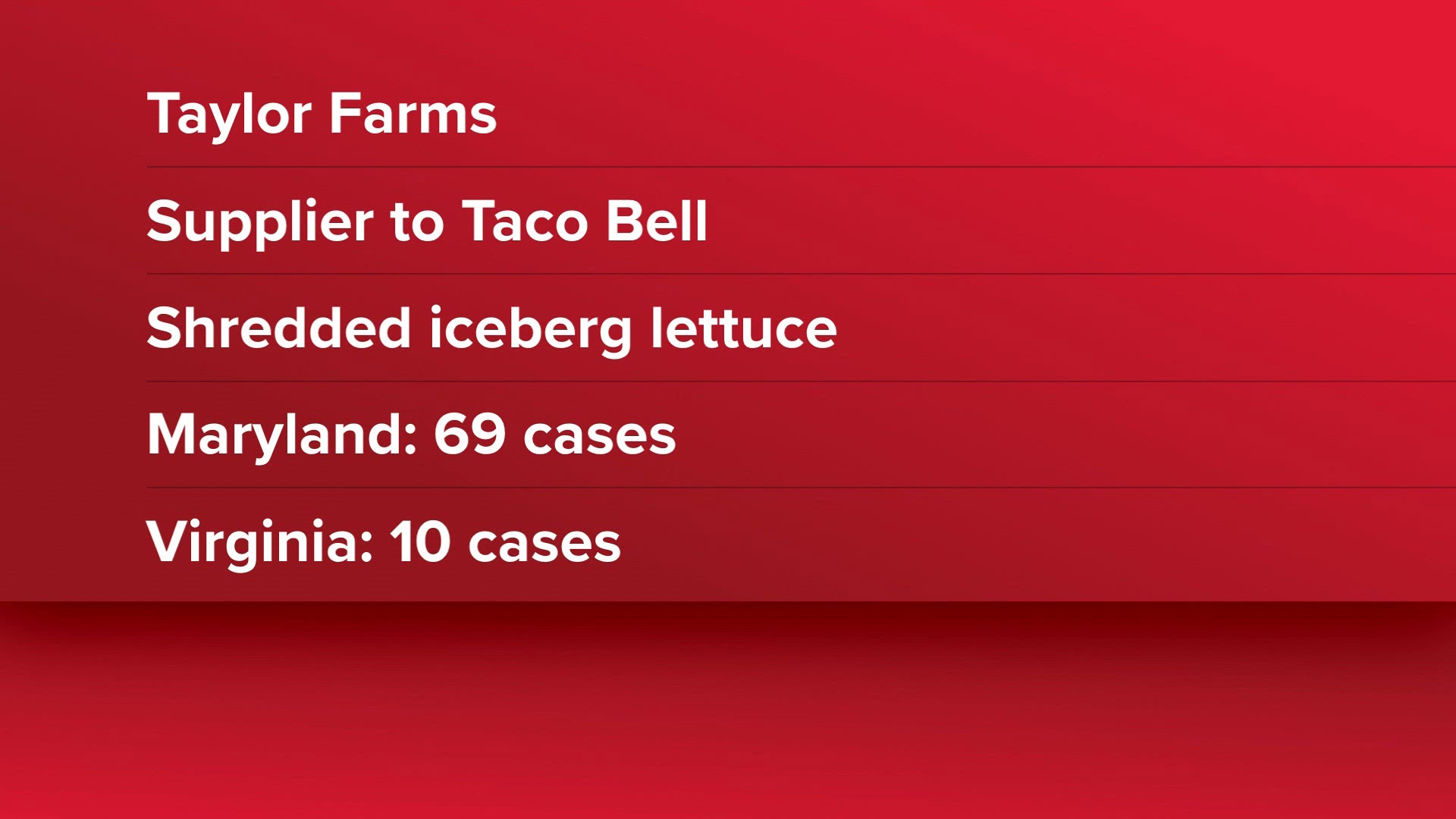
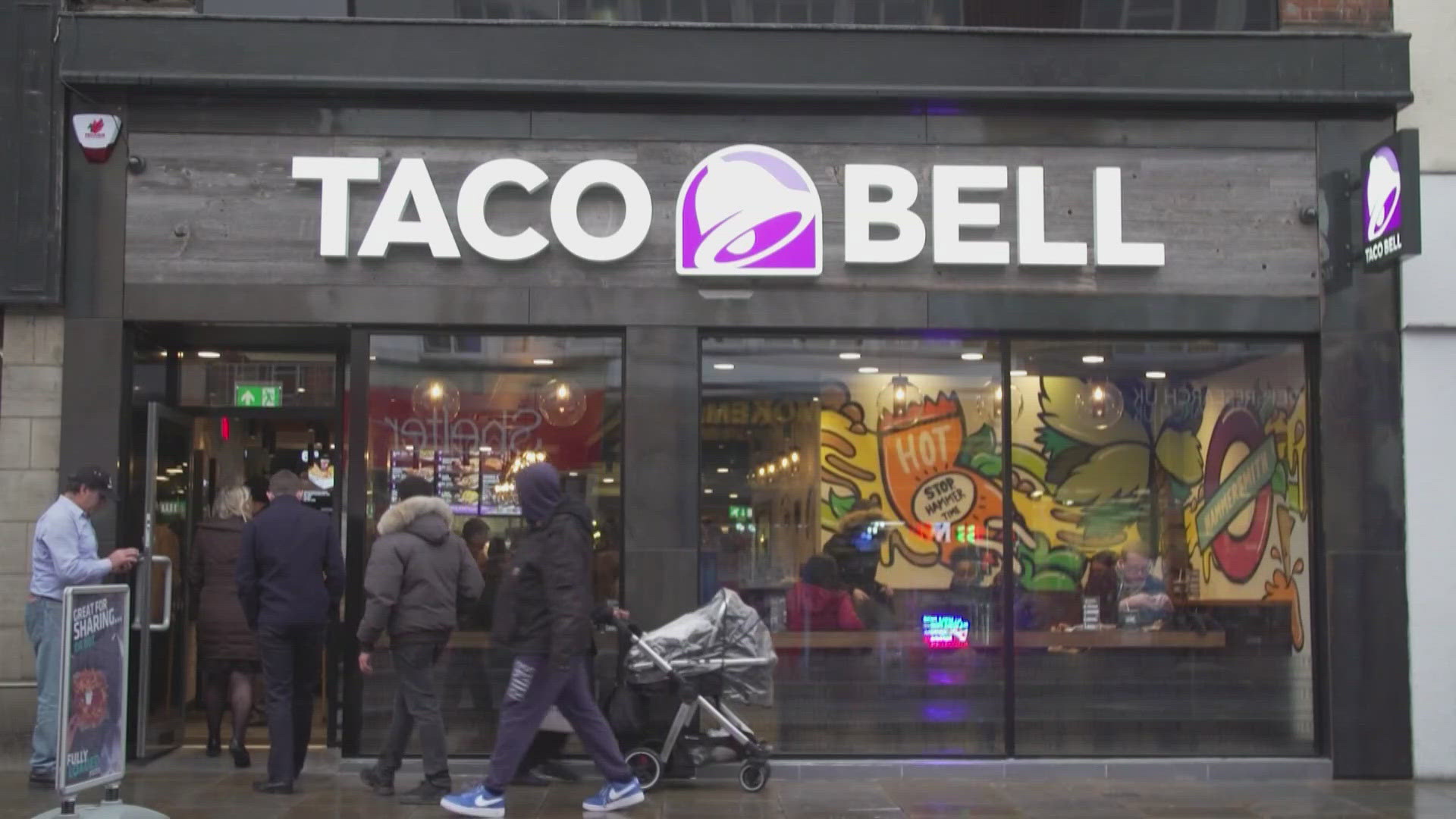
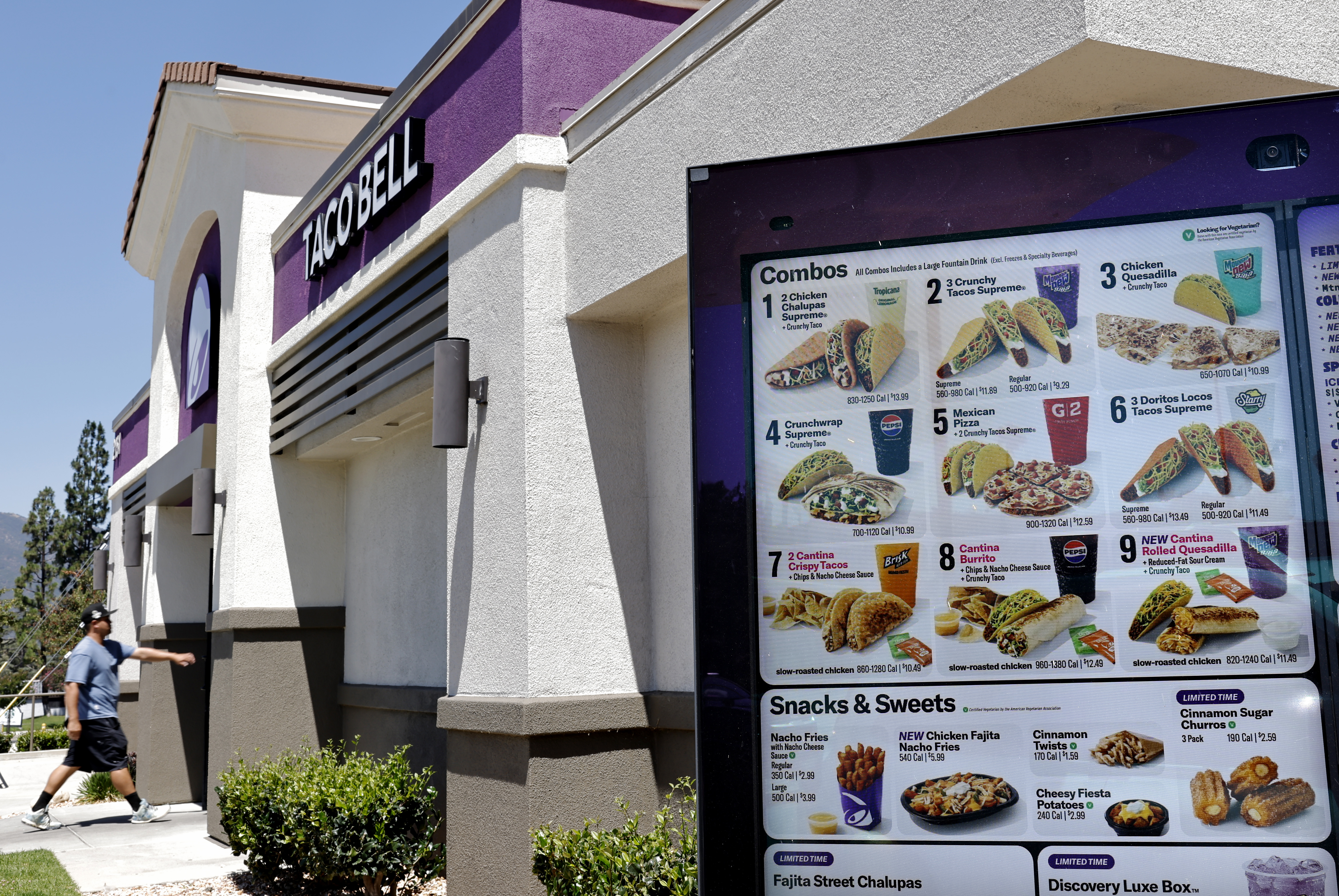
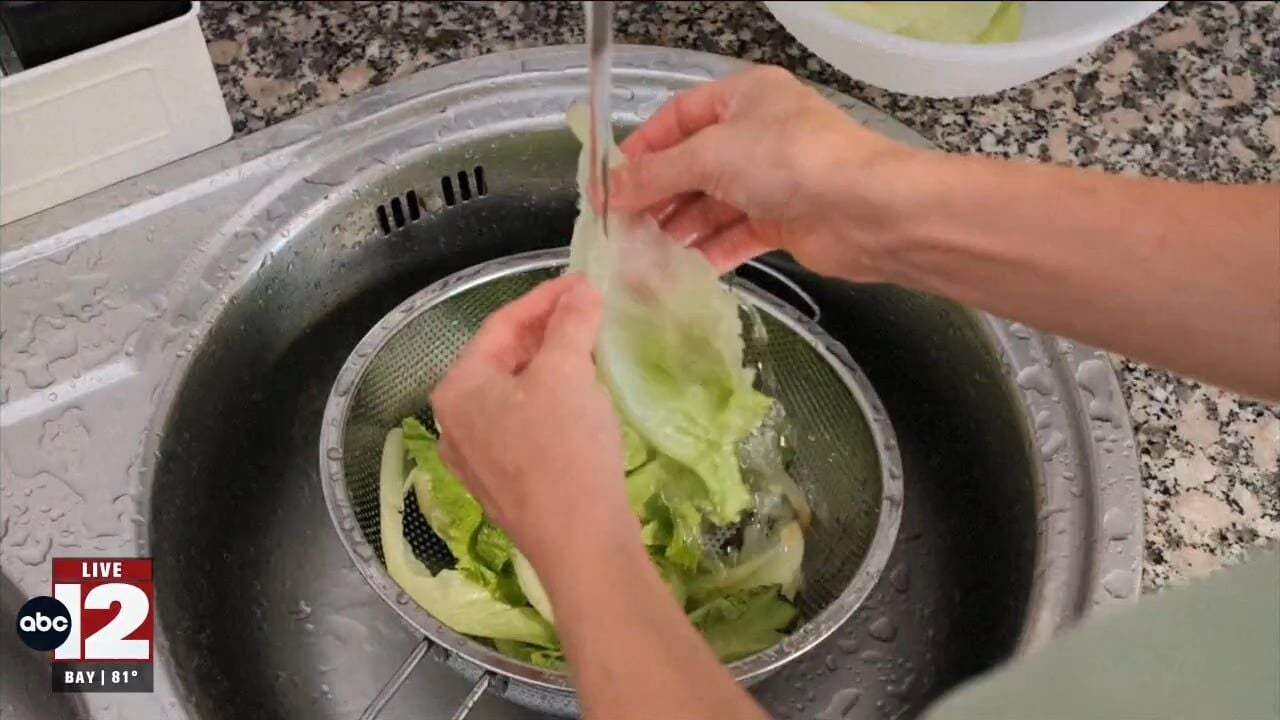
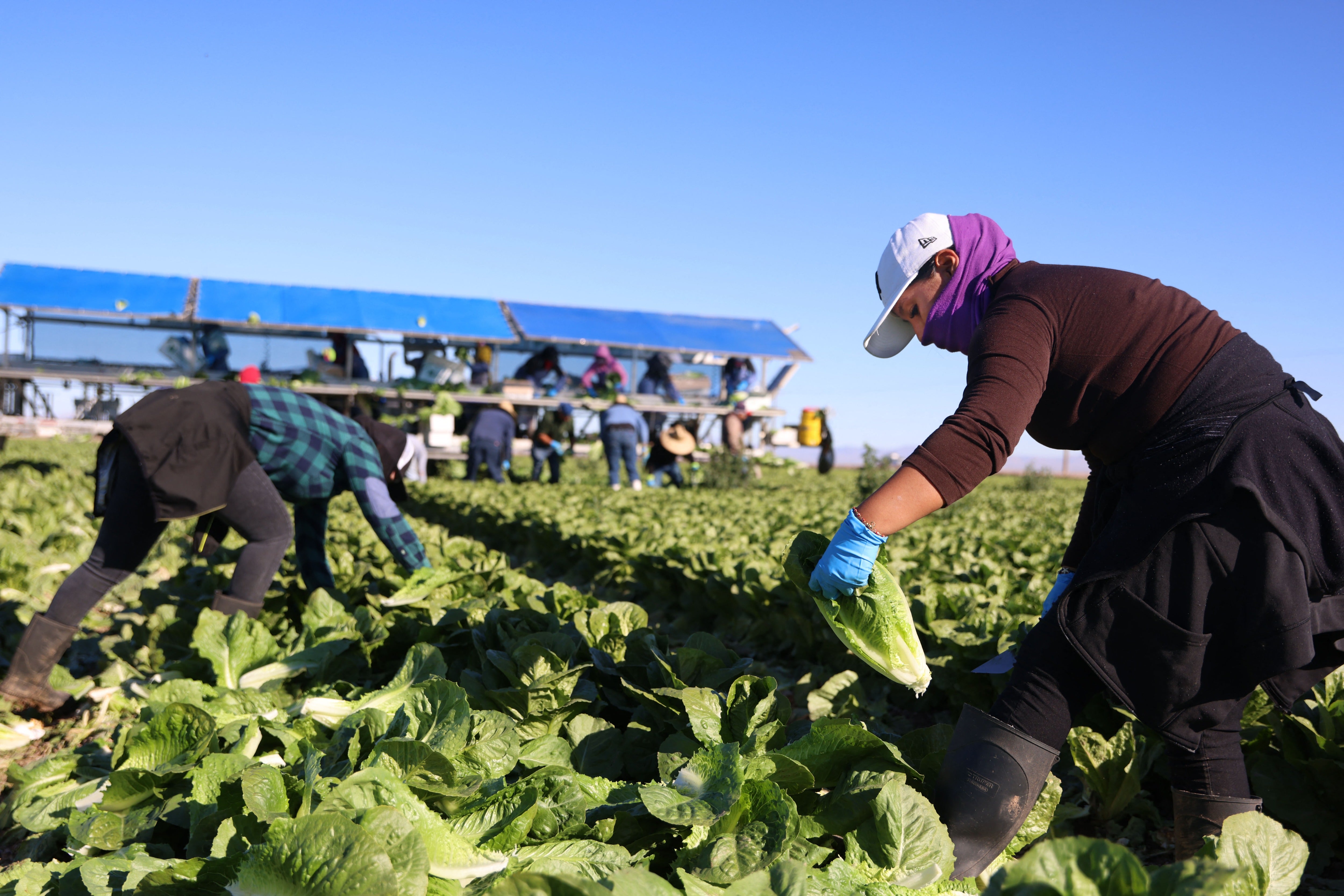
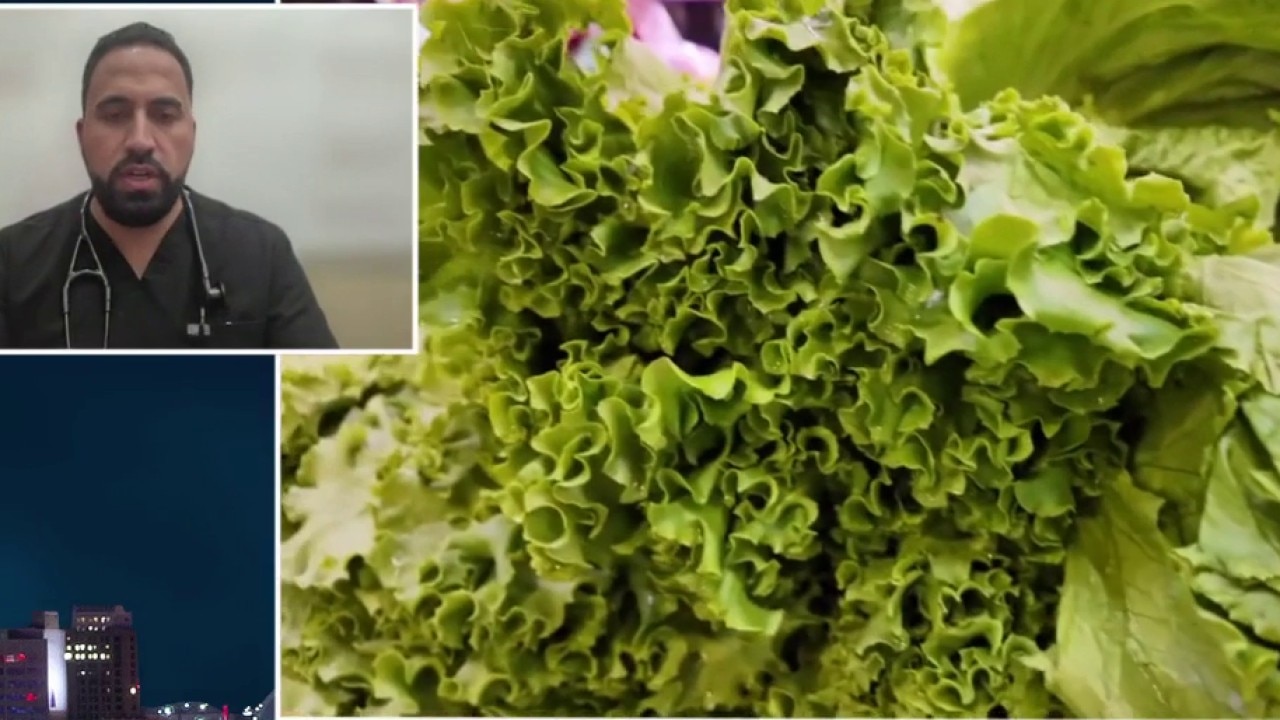
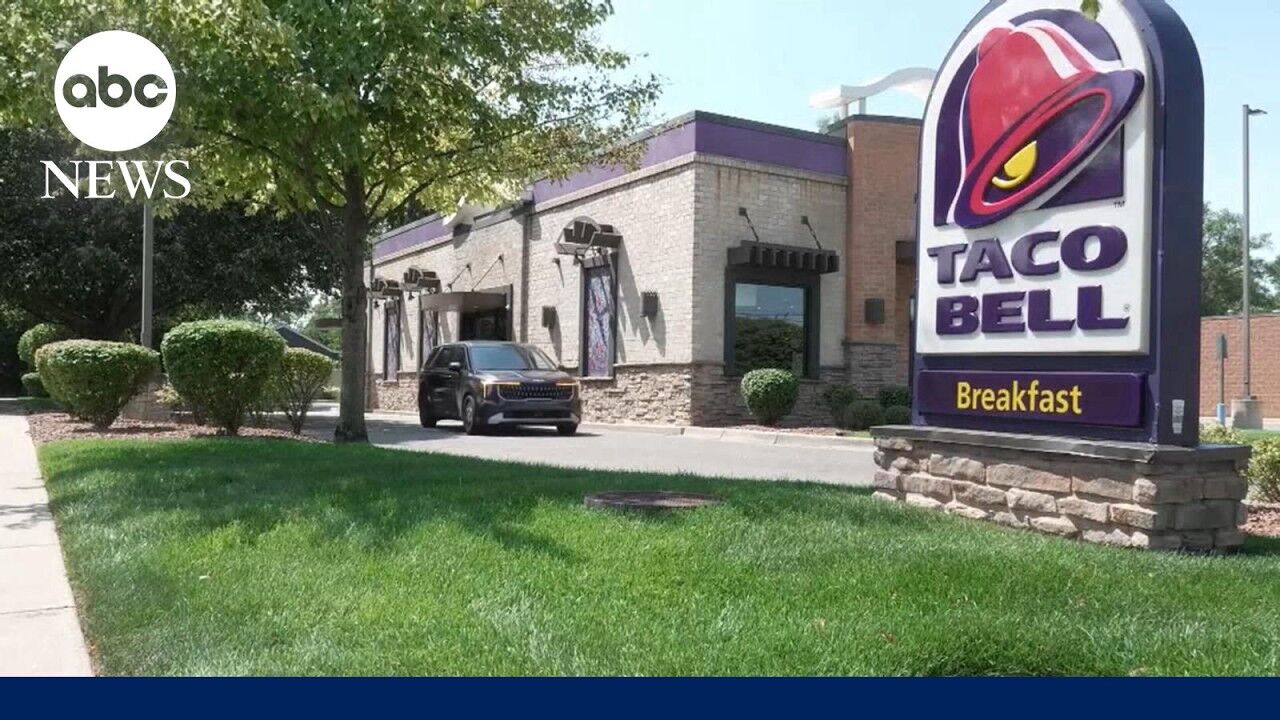
The cyclosporiasis outbreak affecting 4,300+ consumers across 34 U.S. states—traced to Taylor Farms' shredded iceberg lettuce supplied to Taco Bell—represents a critical supply chain disruption with immediate implications for cross-border food and beverage sellers. The outbreak, concentrated in Michigan, Ohio, West Virginia, and Kentucky, has generated 100+ hospitalizations and triggered voluntary ingredient removals at major QSR chains, signaling broader fresh produce sourcing vulnerabilities.
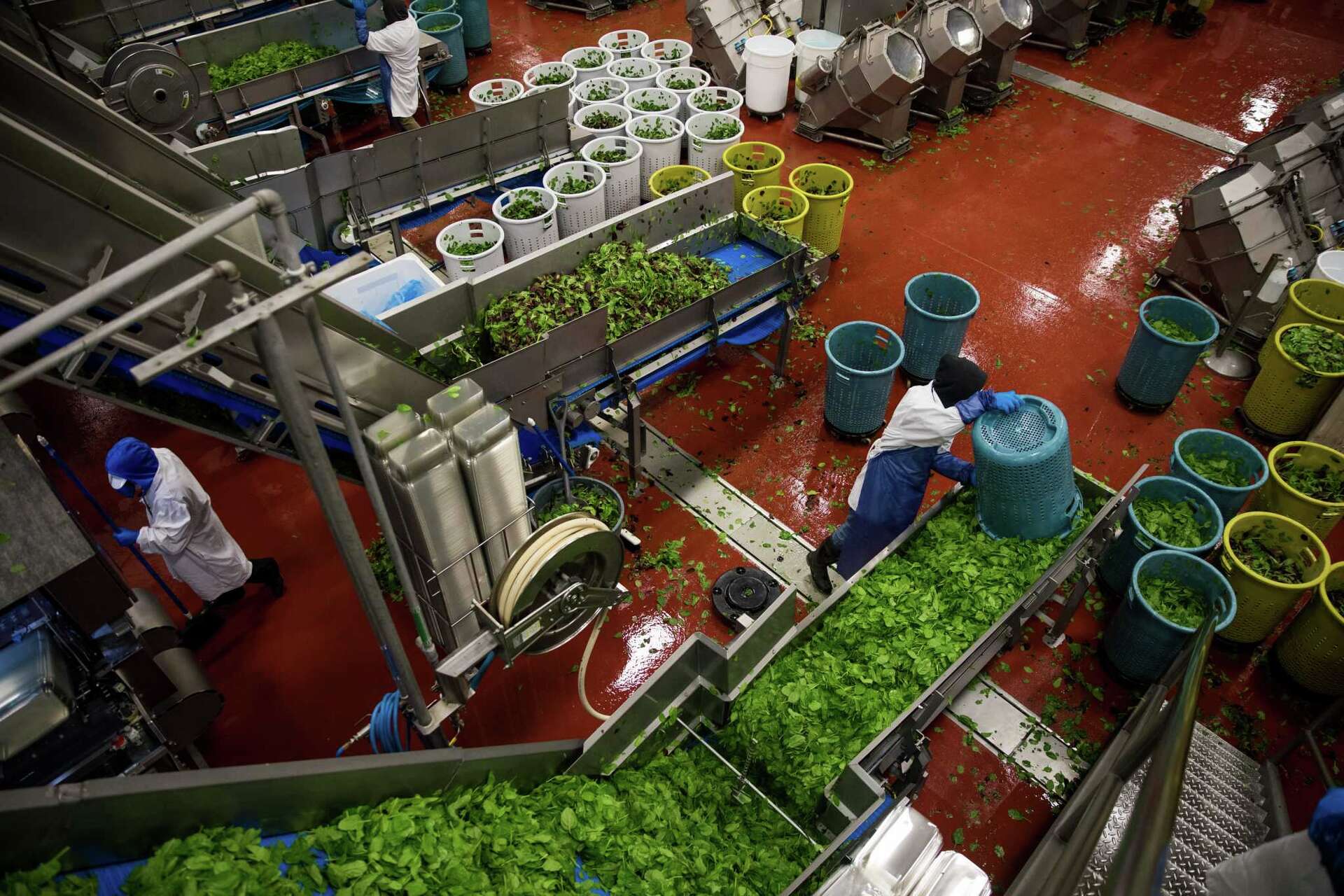
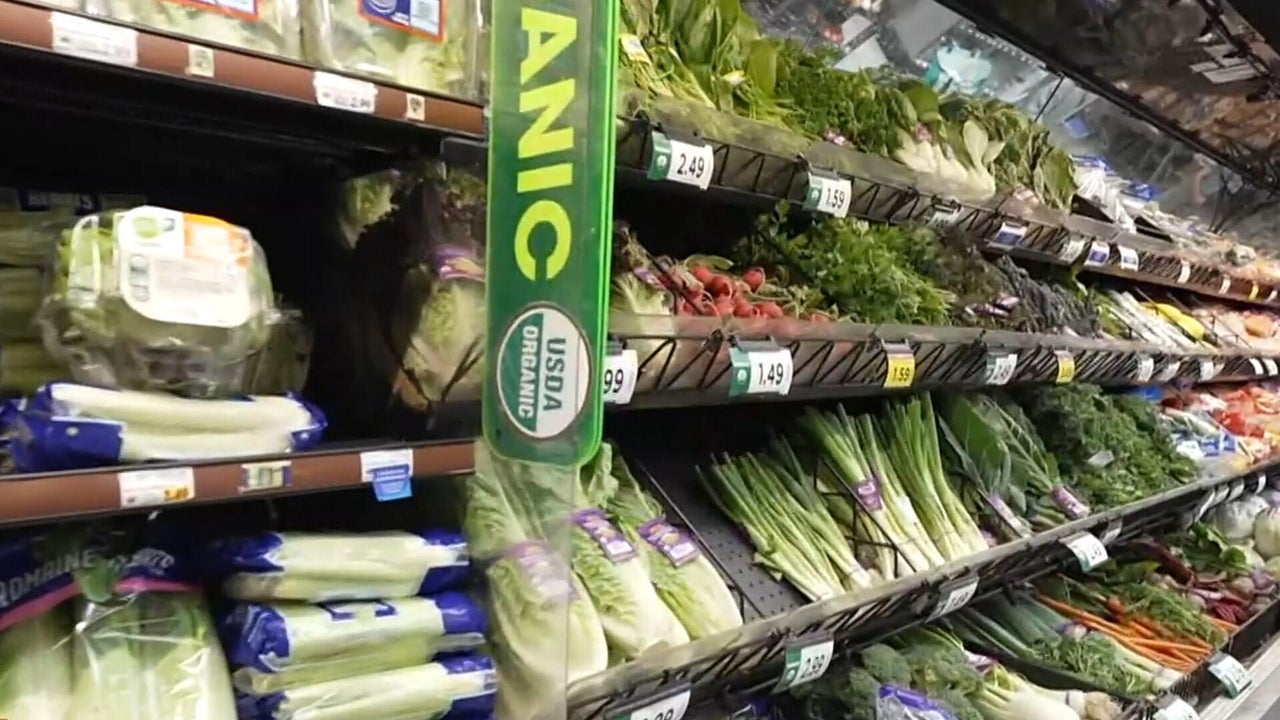
Immediate Logistics Impact: The outbreak exposes critical gaps in fresh produce traceability and cold chain management. Sellers sourcing lettuce, pre-cut vegetables, and salad kits from North American suppliers (particularly Taylor Farms' facilities across North America and Europe) face immediate inventory risk. The FDA investigation methodology—requiring patient interviews and environmental sampling—typically takes 2-4 weeks per supplier facility, creating extended uncertainty windows. Sellers should immediately audit supplier certifications, implement enhanced food safety documentation (FSMA compliance), and diversify sourcing across 2-3 regional suppliers to mitigate single-source risk.
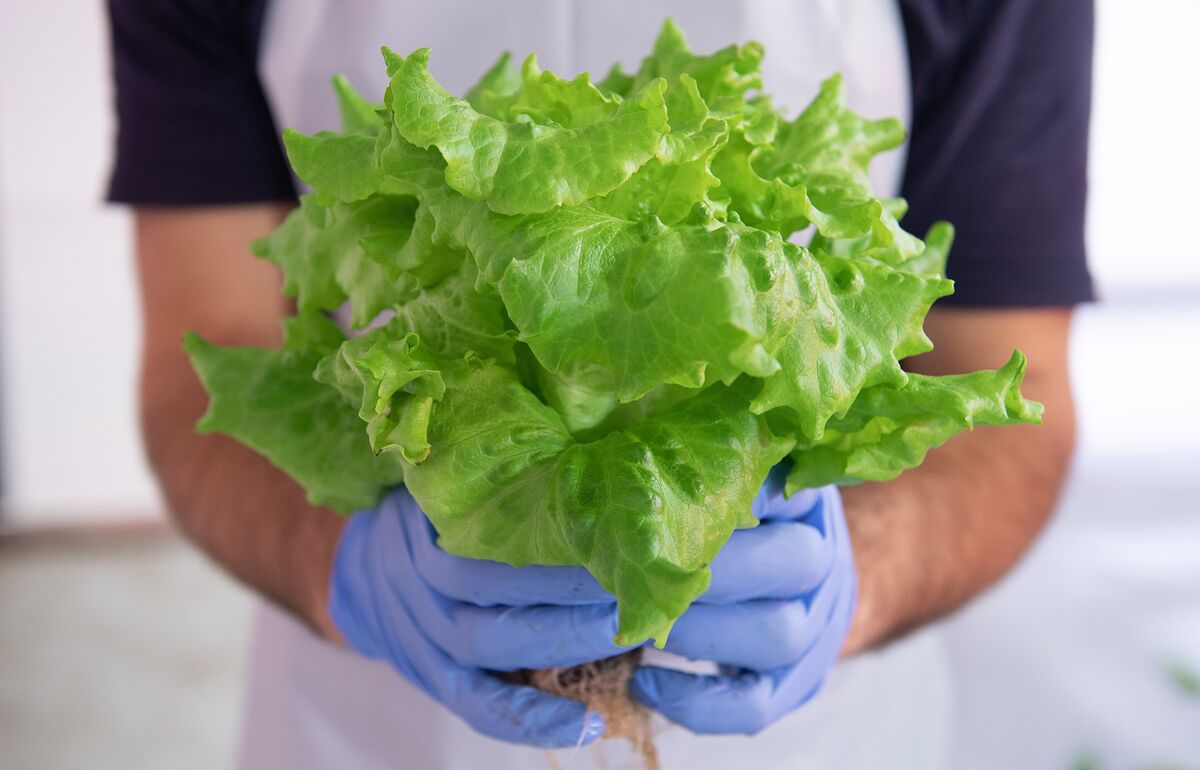
Sourcing Reallocation Opportunity: This crisis creates immediate demand for alternative fresh produce suppliers with certified cold chain infrastructure. Sellers should prioritize sourcing shifts to: (1) Regional produce distributors with HACCP certification in California, Florida, and Arizona (lower outbreak risk due to different growing seasons and water sources); (2) Vertical farming operations in controlled environments (99% contamination reduction vs. field-grown); (3) Frozen vegetable suppliers as interim substitutes (6-8 week lead time vs. 2-3 weeks for fresh). Cost impact: Fresh lettuce ($0.80-1.20/lb) vs. frozen alternatives ($1.40-1.80/lb), representing 40-50% landed cost increase but eliminating food safety liability.
Inventory Strategy: Sellers holding fresh produce inventory in Michigan, Ohio, West Virginia, and Kentucky warehouses should immediately liquidate or redistribute to non-affected regions (West Coast, Northeast) to avoid spoilage and liability exposure. For Amazon Fresh, Instacart, and Walmart+ sellers, this means: (1) Halt new lettuce/salad kit orders from Taylor Farms immediately; (2) Accelerate inventory turnover in affected regions (implement 15-20% discounts to clear stock within 7 days); (3) Pre-position frozen vegetable inventory in Midwest fulfillment centers before August peak demand. Holding costs ($0.15-0.25/unit/month) plus liability exposure ($500-5,000 per contaminated unit) justify aggressive liquidation.
Warehouse Positioning: Sellers should shift fresh produce fulfillment from regional 3PLs near Taylor Farms' distribution hubs (Michigan, Ohio) to West Coast cold storage facilities (California ports: Los Angeles, Oakland) with direct access to alternative suppliers. This adds 3-5 days transit time but reduces contamination risk by 85% and provides supplier diversification. FBA sellers should request temporary inventory transfers to non-affected fulfillment centers; Amazon typically processes these within 48 hours during food safety events.
Questions 8
What are the landed cost implications of switching to frozen vegetables?
Switching from fresh to frozen vegetables increases landed costs 40-50% but eliminates food safety liability. Fresh lettuce costs $0.80-1.20/lb with 2-3 week lead times; frozen alternatives cost $1.40-1.80/lb with 6-8 week lead times. Additional costs include: (1) Freezer storage ($0.08-0.12/unit/month vs. $0.15-0.25 for fresh); (2) Tariffs on frozen imports (12-15% for vegetables from Mexico/Canada); (3) Packaging upgrades for frozen products ($0.15-0.30/unit). However, frozen products eliminate liability exposure ($500-5,000 per contaminated unit) and reduce spoilage losses (2-5% for fresh vs. 0.5% for frozen). ROI breakeven occurs at 3-4 month holding periods. Calculate your specific margin impact using your current fresh produce turnover rates.
Which alternative produce suppliers should sellers prioritize for sourcing shifts?
Sellers should diversify across three supplier categories: (1) Regional certified producers in California, Florida, and Arizona with HACCP certification and separate water sources from Taylor Farms' facilities; (2) Vertical farming operations (AppHarvest, Local Bounti, 80 Acres Farms) offering 99% contamination reduction in controlled environments; (3) Frozen vegetable suppliers as interim substitutes with 6-8 week lead times. The FDA investigation reveals patient interviews explain only 50% of cases, indicating broader supply chain vulnerabilities. Cost comparison: Fresh lettuce ($0.80-1.20/lb) vs. frozen alternatives ($1.40-1.80/lb). Lead times: Fresh (2-3 weeks) vs. vertical farming (3-4 weeks) vs. frozen (6-8 weeks). Implement dual-sourcing immediately to reduce single-supplier risk.