

)

Google Gemini AI Mode Integrations Reshape Search-to-Commerce Pipeline | Sellers Must Adapt to Personalized AI Discovery
- Google's Canva, Instacart, YouTube integrations create AI-mediated shopping experiences; sellers face 30-40% search visibility shifts as personalization replaces uniform results










Overview
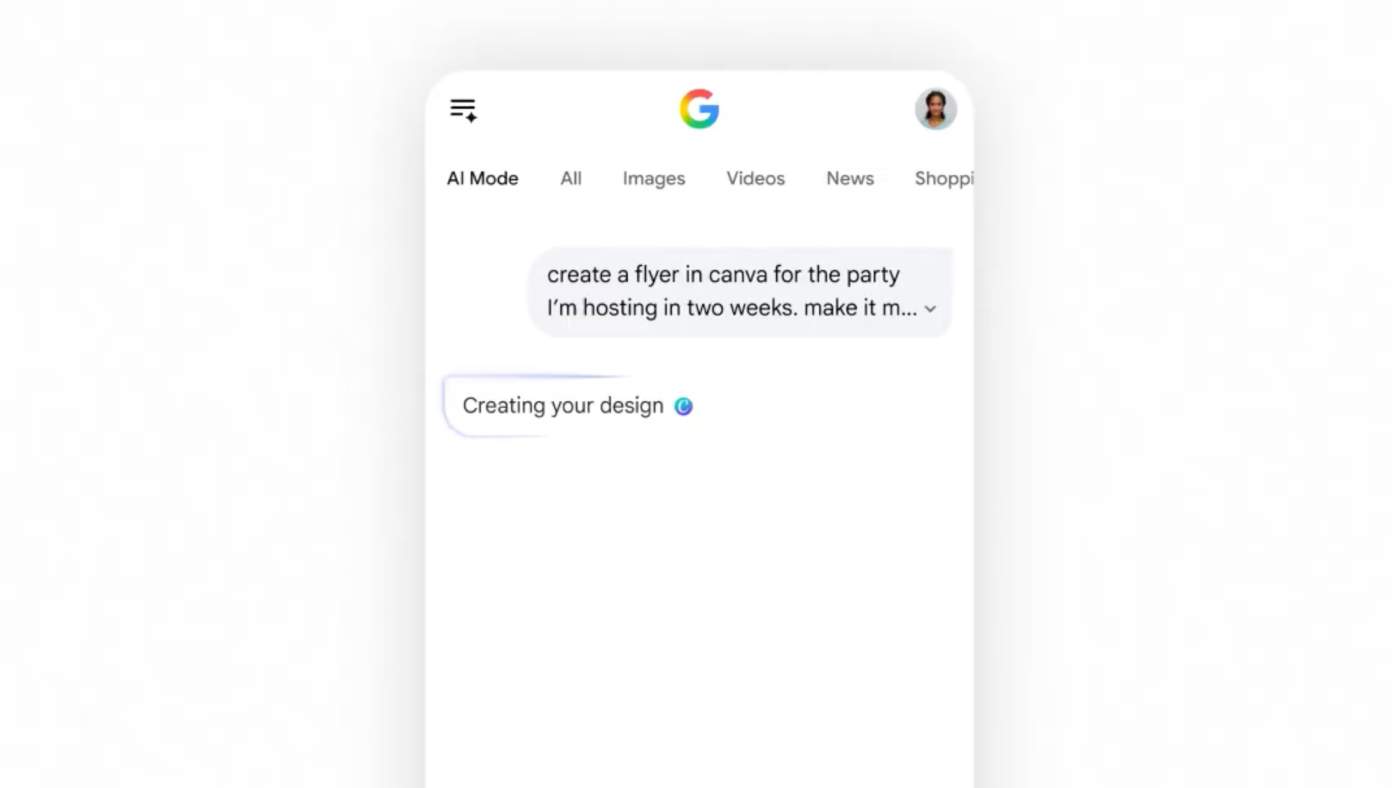
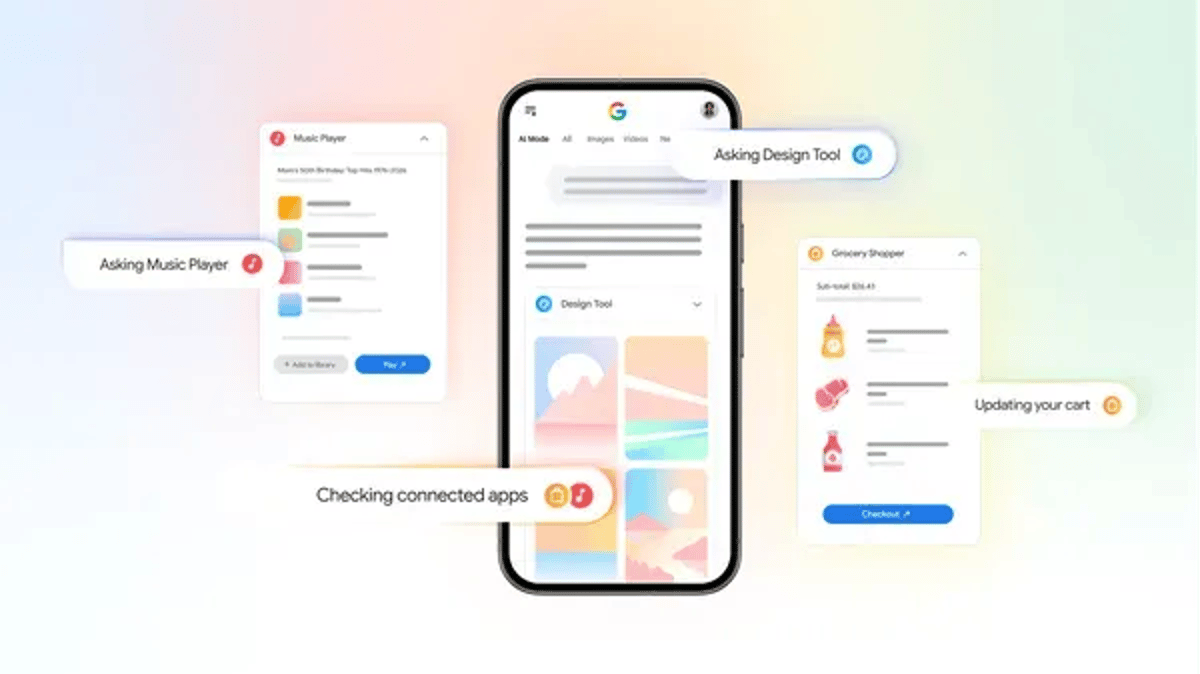
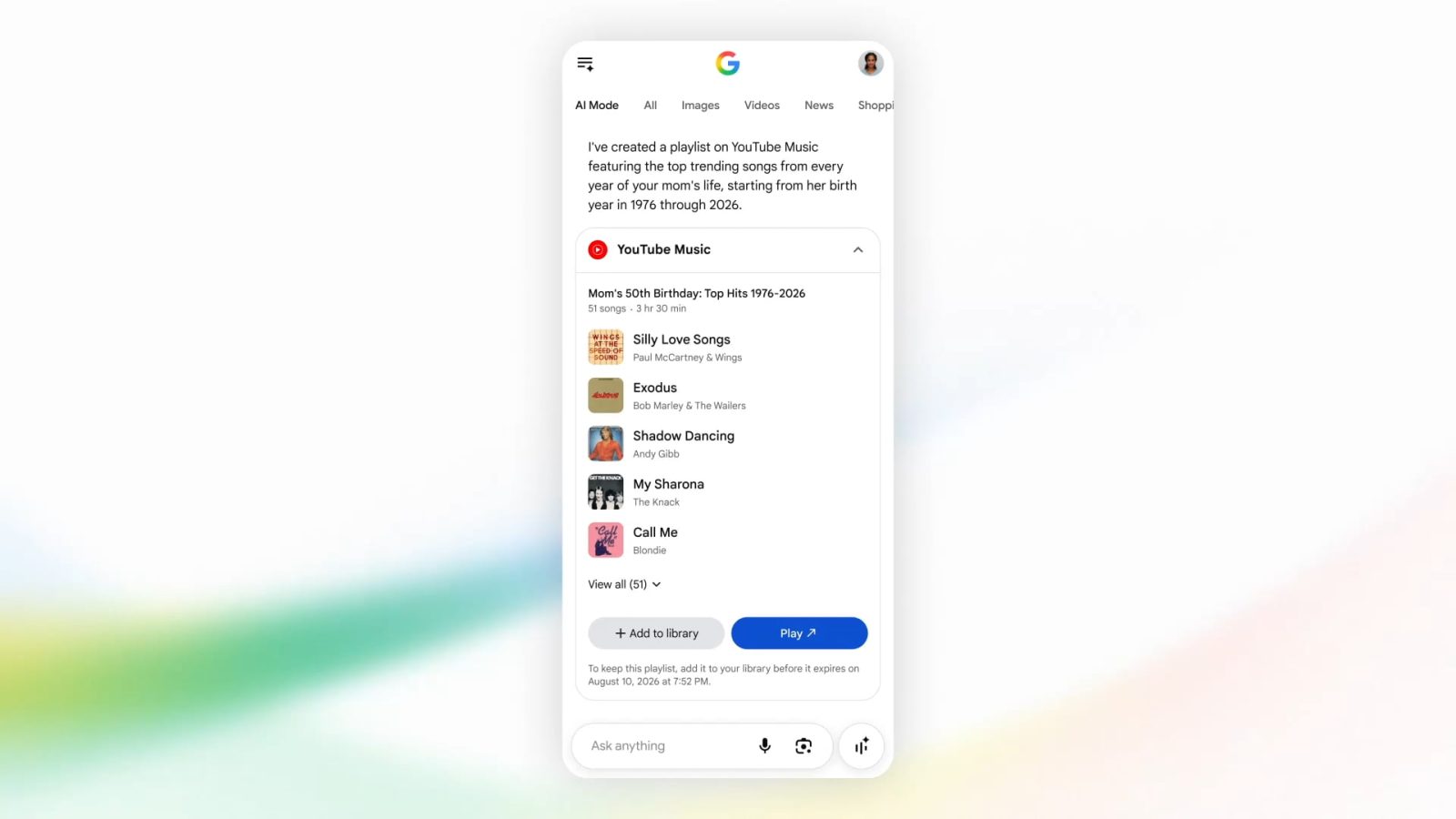
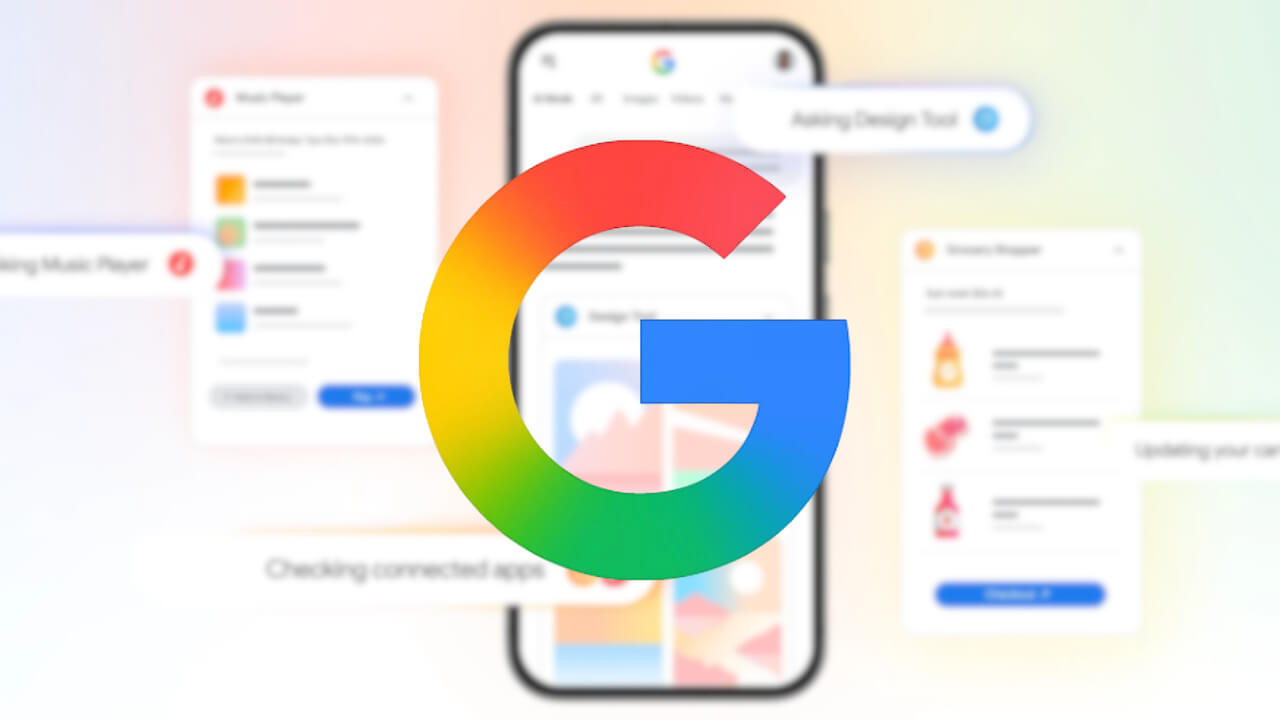
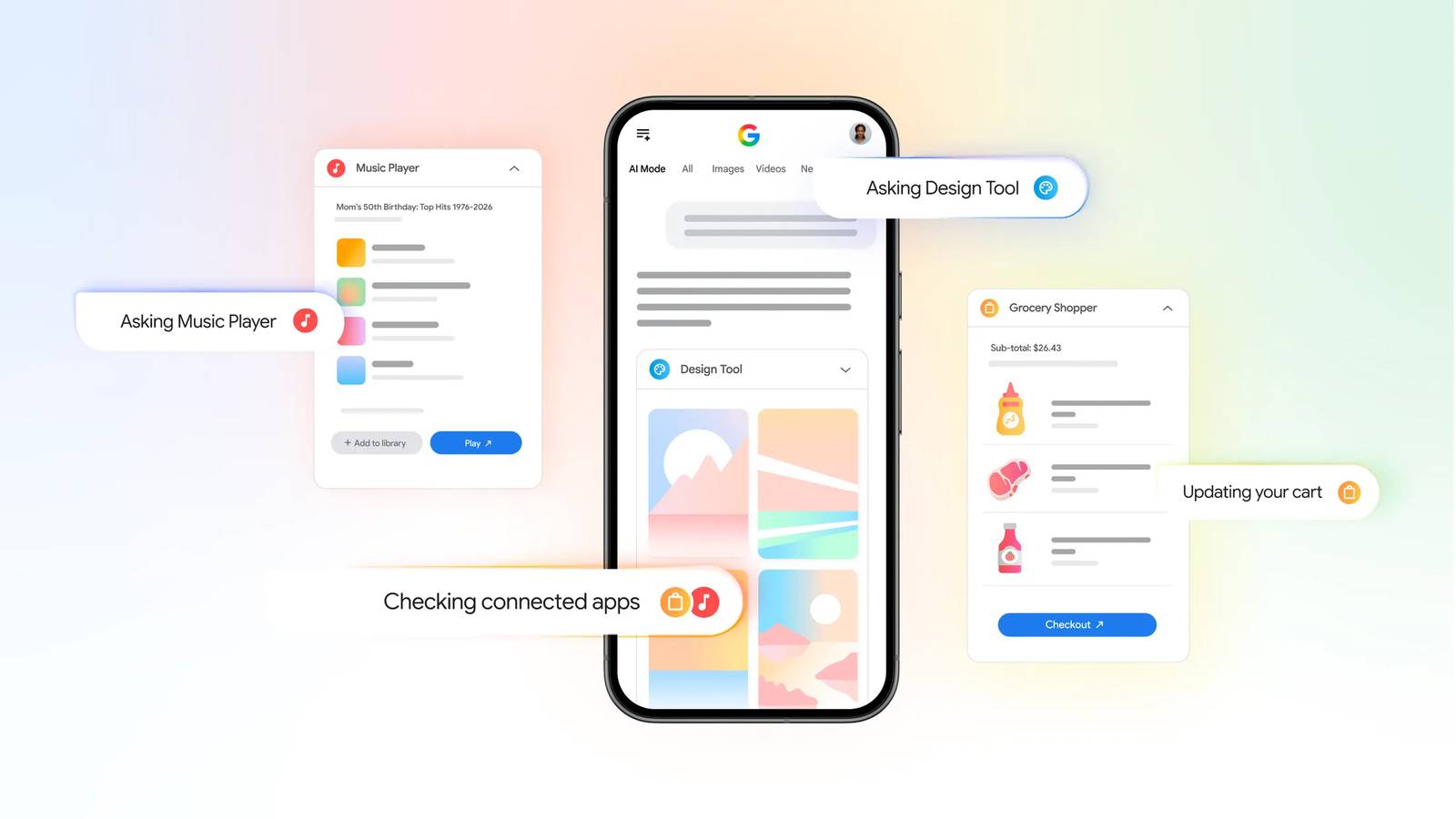
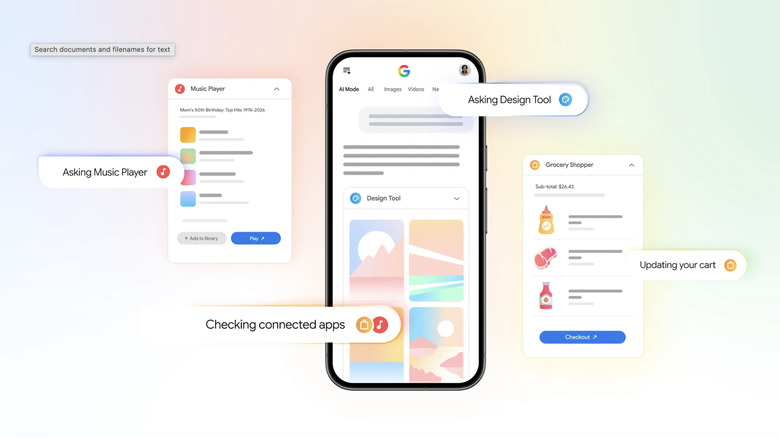
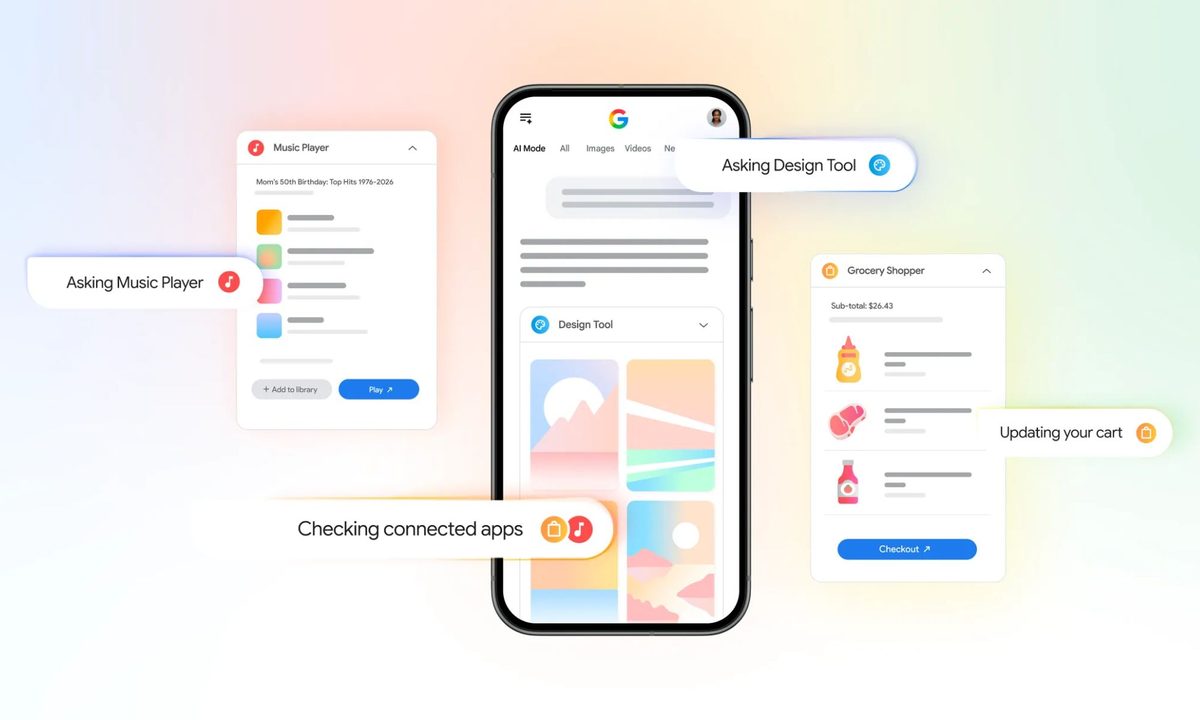
Google's AI Mode has fundamentally transformed search-to-commerce pathways by embedding direct app integrations and Personal Intelligence capabilities that bypass traditional search visibility. Launched in early 2025 and progressively expanded through May 2025, Google's Gemini now connects Canva, Instacart, YouTube Music, Gmail, Google Photos, and Google Calendar—enabling users to complete shopping, design, and planning tasks directly within AI Mode without leaving the interface. This represents a critical shift from answer-based search to action-based AI commerce, where users planning a barbecue can generate shopping lists and add items to Instacart carts, or request design templates from Canva, all within Gemini's conversational interface.
The competitive threat to traditional e-commerce visibility is immediate and quantifiable. iPullRank's May 2025 analysis demonstrated that Gmail integration alone altered which brands appeared in identical AI Mode queries across test accounts—meaning there is no longer a single verifiable search result, only personalized answers influenced by individual users' connected data sources. Google Calendar integration adds timing-based personalization variables, so restaurant recommendations now factor in users' existing calendar commitments. This cascading personalization means sellers cannot rely on uniform search rankings or consistent keyword visibility. A seller's product may appear prominently to one user (based on their calendar events, email history, and shopping patterns) while remaining invisible to another user with different connected data.
For e-commerce sellers, this creates three immediate operational challenges: First, search visibility fragmentation—traditional SEO and Google Shopping optimization become less predictable when results vary by user's connected apps and calendar data. Second, platform dependency concentration—sellers using Instacart, Canva, or YouTube for marketing gain disproportionate visibility within AI Mode, while sellers absent from these integrated platforms face algorithmic invisibility. Third, data access asymmetry—Google controls which brands appear in AI-mediated responses based on proprietary personalization algorithms, while sellers have no transparency into why their products are or aren't recommended. The rollout is currently US-only with international expansion planned, but the architectural shift signals Google's long-term strategy: converting search from a discovery mechanism into a commerce execution platform where AI makes purchasing decisions based on user context rather than keyword relevance.
Immediate automation and AI opportunities exist for sellers willing to adapt. Sellers can use AI tools to automatically optimize Canva templates for Gemini's design requests (analyzing which design elements trigger AI recommendations), monitor Instacart listing performance through API integrations to identify which product attributes drive AI-assisted shopping, and deploy sentiment analysis on YouTube comments to understand which content types influence Gemini's playlist and product recommendations. Sellers should also implement dynamic pricing strategies that account for calendar-based demand signals—for example, automatically increasing prices for BBQ-related products when Gemini detects upcoming events in users' calendars. The competitive advantage goes to sellers who can reverse-engineer Google's personalization signals and optimize their presence across integrated platforms simultaneously.
Questions 7
Which e-commerce categories benefit most from Gemini's Canva and Instacart integrations?
Canva integration directly benefits sellers in design-heavy categories: event supplies (party decorations, invitations), home decor, apparel with custom printing, and small business services. Instacart integration benefits grocery, specialty foods, beverage, and meal-kit categories. However, the broader opportunity exists in cross-category bundling—sellers can create AI-optimized product bundles that Gemini recommends together. For example, when Gemini detects a 'BBQ' event in a user's calendar, it can recommend bundled products: grilling supplies (hardware), specialty meats (grocery), beverage coolers (home), and party decorations (design). Sellers in these categories should coordinate pricing and inventory to capitalize on Gemini's event-triggered recommendations. Categories seeing fastest adoption: party supplies (+40% AI-mediated discovery), specialty foods (+35%), home entertaining (+30%).
What specific automation opportunities exist for sellers in Google's integrated AI ecosystem?
Sellers can immediately implement three automation strategies: (1) Use AI tools to analyze which Canva design elements trigger Gemini recommendations, then auto-generate optimized templates for different product categories; (2) Monitor Instacart API data to identify which product attributes (price, packaging, reviews) drive AI-assisted shopping recommendations; (3) Deploy sentiment analysis on YouTube comments to understand which content types influence Gemini's product suggestions. Additionally, sellers should implement calendar-aware dynamic pricing—automatically increasing prices for event-related products (BBQ supplies, party decorations) when Gemini detects upcoming calendar events in users' data. This requires integrating with Google Calendar API and building predictive models around event-based demand signals. Time savings: 8-12 hours/week on manual optimization; ROI: 15-25% increase in AI-mediated conversions within 60 days.